

What Is Home Health Care and How Does It Work in San Antonio

How Home Health Care Helps Seniors Stay Independent
Skilled Nursing at Home: Expert In-Home Nurse Services
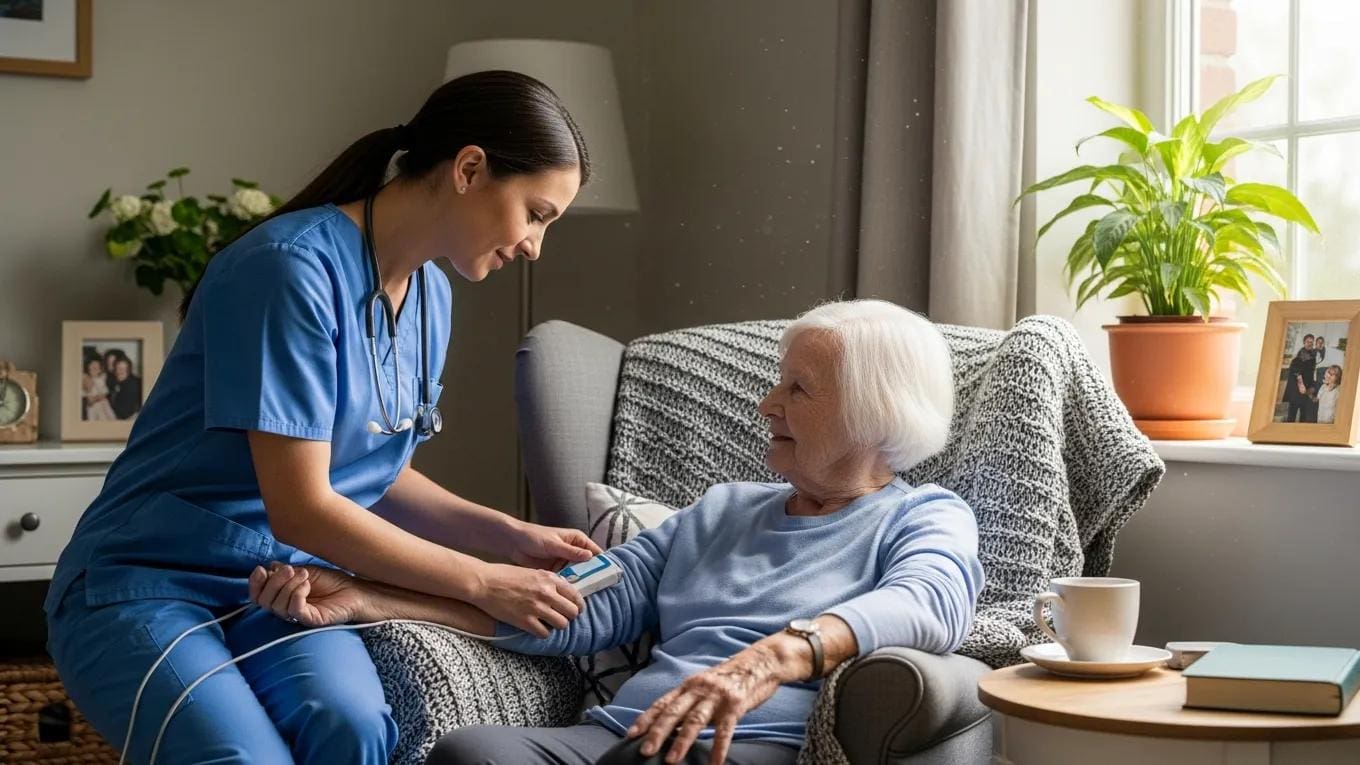
In-Home Skilled Nursing Care for Patient-Centered Support
By Smart Business Labs, Continu Care Home Health Care
Skilled nursing care delivered in the home provides clinically oriented medical services to patients who require professional monitoring, treatment, or assistance but do not need inpatient hospitalization. This service model is commonly applied to postoperative recovery, chronic disease management, and patients who require support with activities of daily living. The following content describes service categories, registered nurse responsibilities, and the operational benefits of individualized care to support informed decision making by patients and caregivers.
The article subsequently details core service components, registered nurse qualifications, and the role of care continuity. It also addresses cost and insurance considerations and offers criteria for selecting an in-home provider within the San Antonio market.
Key Takeaways
- Skilled nursing care at home provides medical support, personal care, and therapy services tailored to patient needs.
- Registered nurses conduct health assessments, administer medications, and educate patients for effective home care management.
- Wound care and medication management by licensed nurses are essential for preventing infection and promoting recovery.
- Post-hospital skilled nursing care ensures continuity, reduces readmissions, and supports patient recovery at home.
- Continuity and personalized care improve patient satisfaction, independence, and treatment effectiveness in post-acute settings.
- Costs for skilled nursing vary, with insurance coverage options including Medicare, Medicaid, and private plans.
- Private duty nursing offers one-on-one care, while agencies provide broader services with varying costs and coverage.
- Choosing a skilled nursing provider requires evaluating credentials, reputation, personalized care plans, and local service availability.
- Skilled nursing care at home improves outcomes by reducing hospital readmissions and enhancing chronic condition management.
Types of Patient-Centered Clinical Support Available:
Skilled nursing at home comprises multiple clinical and supportive disciplines configured to meet individual patient requirements. Service lines commonly include direct nursing interventions, personal care assistance, and licensed rehabilitative therapies.
- Skilled Nursing Services: Professional medical care provided by licensed nurses, including assessments and treatment plans.
- Home Health Aide Services: Assistance with daily living activities, such as bathing, dressing, and meal preparation.
- Skilled Therapy Services: Physical, occupational, and speech therapy provided by licensed therapists to aid in recovery and rehabilitation.
Clarifying the scope and function of each service type enables patients and families to select the configuration of care that aligns with clinical needs and recovery objectives.
What Are the Core Services Included in Skilled Nursing Care at Home?
Core services within in-home skilled nursing focus on clinical monitoring, therapeutic interventions, and support for functional independence. These services are intended to maintain clinical stability and facilitate recovery in the home environment.
- Medical Assistance: Licensed nurses perform health assessments, monitor vital signs, and manage medications.
- Personal Care Tasks: Assistance with activities of daily living, such as grooming and hygiene.
- Support for Daily Living Activities: Help with meal preparation, light housekeeping, and companionship.
Care plans are developed to reflect each patient’s clinical status and functional goals, ensuring service delivery is targeted and clinically appropriate.
Registered Nurse Home Visits: Roles and Qualifications in Skilled Nursing

Registered nurses (RNs) provide the clinical leadership for in-home skilled nursing. Their scope includes assessment, treatment implementation, clinical documentation, and coordination with interdisciplinary teams.
- Conducting Assessments: RNs evaluate patients’ health status and develop personalized care plans.
- Administering Medications: They ensure that patients receive the correct medications at the right times.
- Patient Education: RNs provide essential information to patients and families about managing health conditions and medications.
Licensure and completion of an accredited nursing program are standard prerequisites for RNs, ensuring they possess the clinical competencies required for safe, evidence-based home care.
Empirical evidence underscores the impact of appropriate nurse assignment on patient safety and care quality in the home health setting.
Ensuring Safe & Quality Home Health Nursing Care
The objective of this CNL project was to improve the process of placing an appropriately trained nurse in the client’s home to provide safe, quality care. This project is relevant to nursing because of nursing accountability, patient safety, and lack of education of home health nurses.
Home Health: The Process of Assigning an Appropriately Trained Skilled Nurse to Provide Safe Patient Care, 2015
Wound Care and Medication Management Provided by Licensed Nurses
Wound management and medication administration are fundamental clinical tasks delivered by licensed nursing personnel. These interventions require adherence to clinical protocols and infection-control standards.
- Perform Wound Care: This includes cleaning, dressing, and monitoring wounds to prevent infection and promote healing.
- Manage Medications: Nurses oversee medication schedules, educate patients about their medications, and monitor for side effects.
Consistent application of evidence-based wound care and structured medication oversight contributes to reduced complication rates and improved recovery trajectories.
How Does Post-Hospital Skilled Nursing Care Facilitate Patient Recovery at Home?
Post-discharge skilled nursing services are structured to bridge hospital care and home recovery. Services emphasize clinical follow-up, care plan execution, and coordination with the primary care team.
- Collaborating with Medical Professionals: Nurses work closely with physicians to ensure continuity of care and adherence to treatment plans.
- Developing Care Plans: Customized care plans are created based on individual patient needs and recovery goals.
- Providing Patient Education: Nurses educate patients and families about post-hospital care, empowering them to manage their health effectively.
This coordinated model reduces the likelihood of avoidable readmissions and supports measurable progress toward recovery goals.
Benefits of Continuity and Personalized Care in Post-Acute Settings
Continuity and individualized care delivery in post-acute settings produce measurable benefits related to treatment adherence, patient engagement, and functional outcomes.
- Tailored Care Plans: Care is customized to meet the unique needs of each patient, enhancing the effectiveness of treatment.
- Consistent Support: Patients receive ongoing support from the same healthcare team, fostering trust and communication.
- Enhanced Independence: Personalized care encourages patients to participate in their recovery, promoting autonomy and confidence.
These factors collectively contribute to higher satisfaction scores and improved clinical results in post-acute populations.
What Are the Costs and Insurance Considerations for Home Health Nursing Services?
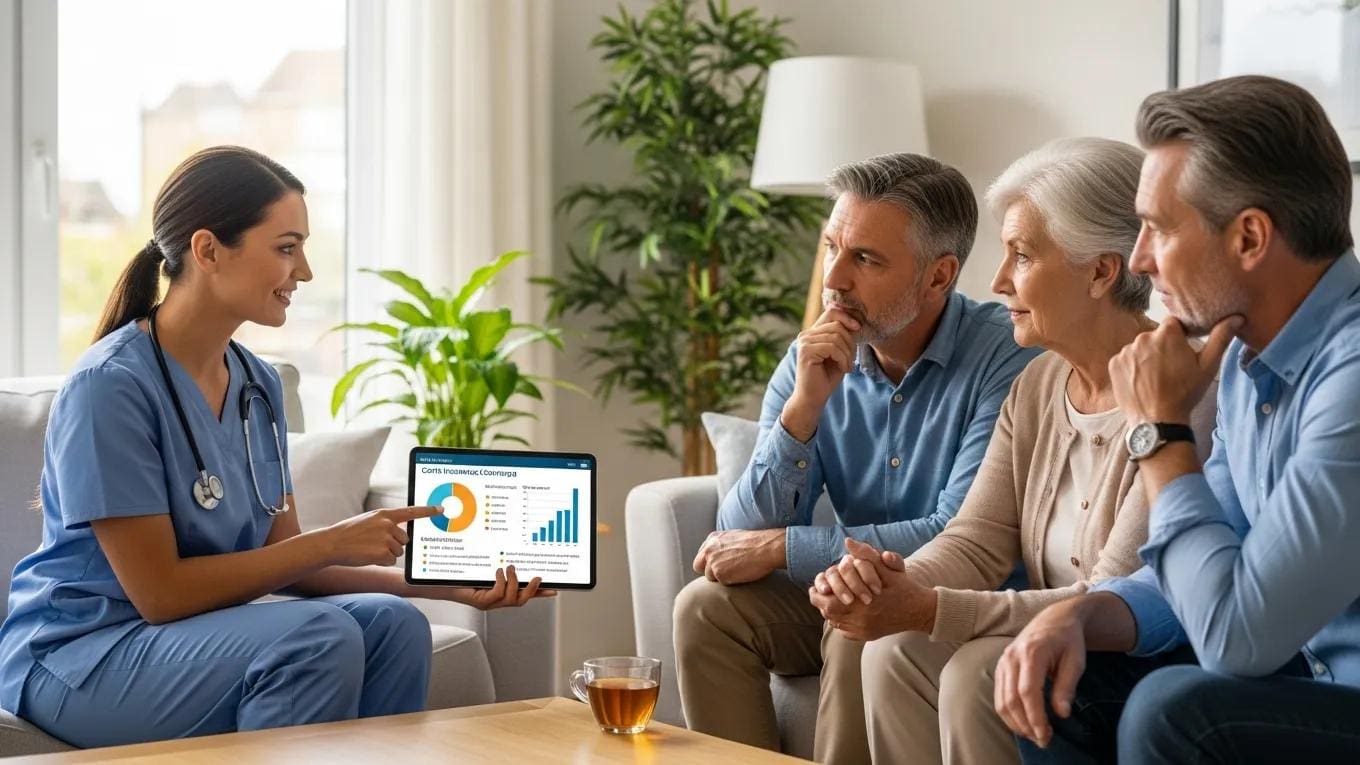
Cost structure and payer coverage are important determinants of access to in-home skilled nursing. Key considerations include typical per-visit rates, plan-specific coverage criteria, and available financial assistance mechanisms.
- Average Costs of Services: Skilled nursing care typically ranges from $150 to $300 per visit, depending on the level of care required.
- Insurance Coverage Options: Many insurance plans, including Medicare, may cover a portion of skilled nursing services, but it’s essential to verify specific coverage details.
- Financial Assistance Programs: Various programs may be available to help offset costs for eligible patients.
The table summarizes representative cost ranges and typical payer sources to support financial planning for home health services.
Comparing Private Duty Nursing and Home Nursing Care Agencies
Providers in the in-home care market vary by service delivery model, staffing, and scope. Distinguishing private duty nursing from agency-based services clarifies expectations regarding care intensity and operational logistics.
- Services Offered by Each: Private duty nurses provide one-on-one care, while agencies may offer a broader range of services, including therapy and social work.
- Cost Differences: Private duty nursing may be more expensive due to the personalized nature of care, whereas agency services can vary widely in cost.
- Insurance Coverage Options: Coverage may differ significantly between private duty services and agency-provided care, so it’s essential to review insurance policies carefully.
Comparative analysis of service scope, unit costs, and payer acceptance assists decision makers in selecting the most appropriate delivery model for a patient’s clinical and financial circumstances.
How to Choose a Skilled Nursing Care Provider for In-Home Services in San Antonio?
Provider selection should be based on verifiable clinical credentials, documented quality metrics, and the ability to deliver individualized care plans aligned with patient needs.
- Qualifications and Credentials: Ensure that the provider employs licensed and experienced nurses.
- Reputation and Reviews: Research the provider’s reputation through online reviews and testimonials from previous clients.
- Personalized Care Plans: Look for providers that offer tailored care plans to meet individual patient needs.
ContinuCare Home Health Inc. provides in-home skilled nursing services in the San Antonio area, including RN visits, skilled assessments, medication management, wound care, and post-hospitalization support.
Evaluating Provider Credentials and Service Quality
Evaluate potential providers using objective criteria such as licensure verification, outcome measures, and independent quality indicators.
- Provider Credentials: Verify that the nursing staff holds the necessary licenses and certifications.
- Service Quality Indicators: Look for metrics such as patient satisfaction scores and readmission rates.
- Patient Satisfaction: High levels of patient satisfaction often indicate quality care and effective communication.
Applying these criteria reduces selection risk and supports procurement of providers that meet defined standards for clinical performance.
Assessing Patient Eligibility and Service Availability in the San Antonio Region
Eligibility assessment requires review of medical necessity, functional status, and payer-specific criteria to determine qualification for skilled nursing services.
- Eligibility Criteria: Patients must meet specific medical and functional criteria to qualify for skilled nursing care.
- Service Options: Assess the range of services available in the San Antonio area to find the best fit for individual needs.
- Local Provider Availability: Research local providers to ensure that services are accessible and convenient.
Systematic assessment of clinical needs and local capacity streamlines access to appropriate in-home care resources.
What Are the Distinctions Between Skilled Nursing and Home Health Aide Services?
Skilled nursing and home health aide roles are complementary but distinct. Clarity regarding responsibilities supports correct assignment of services based on clinical requirements.
- Roles and Responsibilities: Skilled nurses provide medical care, while home health aides assist with daily living activities.
- Qualifications Required: Nurses must hold a nursing license, whereas home health aides typically require less formal training.
- Types of Care Provided: Skilled nursing includes medical assessments and treatments, while home health aides focus on personal care and companionship.
Appropriate service allocation optimizes clinical outcomes and resource utilization.
Scope of Practice and Clinical Expertise Differences
Scope of practice and clinical competencies differ between licensed nursing staff and paraprofessional aides; these distinctions determine which provider type is clinically indicated.
- Clinical Expertise Differences: Skilled nurses possess advanced medical training, enabling them to perform complex procedures and assessments.
- Responsibilities of Each Role: Nurses are responsible for medical care, while aides focus on supporting daily living tasks.
Alignment of scope with patient acuity ensures safe, compliant, and effective in-home care delivery.
When to Opt for Skilled Nursing Versus Home Health Aide Support
Decision criteria for selecting skilled nursing versus aide support should be driven by clinical complexity, post-operative needs, and chronic disease management requirements.
- Complex Medical Needs: Patients with significant medical conditions may require skilled nursing care for monitoring and treatment.
- Post-Surgery Recovery: Skilled nursing is often necessary for patients recovering from surgery to ensure proper healing.
- Chronic Illness Management: Individuals with chronic conditions may benefit from the expertise of skilled nurses for ongoing care.
Clinical assessment and goal-setting will determine the appropriate level of in-home support.
How Does Skilled Nursing Care at Home Improve Patient Outcomes and Satisfaction?
Evidence indicates that structured in-home skilled nursing interventions contribute to improved clinical outcomes and higher patient-reported satisfaction by enabling care in a familiar, functional setting.
- Evidence-Based Benefits: Research indicates that patients receiving skilled nursing care at home experience lower readmission rates and improved health outcomes.
- Patient Testimonials and Case Studies Demonstrating Clinical Effectiveness: Many patients report higher satisfaction levels when receiving care in a familiar environment, contributing to better overall well-being.
Evidence-Based Benefits Supported by Recent Industry Data
Recent research has quantified outcome improvements associated with in-home skilled nursing. Reported benefits include reductions in hospital readmissions and improved chronic disease management metrics.
- Reduced Hospital Readmissions: Patients receiving skilled nursing care at home have a 30% lower readmission rate compared to those who do not.
- Improved Health Outcomes: Skilled nursing care has been linked to better management of chronic conditions, leading to enhanced quality of life.
The positive impact of home health is contingent on visit frequency and clinical adequacy; studies indicate that insufficient skilled nursing visits may adversely affect recovery and increase hospitalization risk.
Impact of Skilled Nursing Visits on Home Health Outcomes
Results of this study indicate that some Medicare-reimbursed skilled home health patients are not receiving enough skilled nursing visits, which may impact their health outcomes and risk of hospitalization.
The impact of home health length of stay and number of skilled nursing visits on hospitalization among Medicare‐reimbursed skilled home health beneficiaries, A Hanlon, 2015
Patient Testimonials and Case Studies Demonstrating Clinical Effectiveness
Case reports and client feedback frequently document accelerated functional recovery and increased comfort for postoperative patients receiving coordinated in-home skilled nursing, which supports their overall recovery plan.
Frequently Asked Questions
What qualifications should I look for in a skilled nursing care provider?
Verify licensure for nursing staff and confirm experience in home health care. Assess training in relevant clinical areas such as wound management and chronic disease protocols. Review accreditation status and request documentation of ongoing professional development and competency assessments.
How can I ensure continuity of care with my skilled nursing provider?
Select a provider that documents care plans, employs consistent staffing assignments where feasible, and maintains formal coordination protocols with other clinicians. Request information on visit scheduling, follow-up procedures, and communication pathways used for interdisciplinary handoffs.
What should I expect during a skilled nursing assessment at home?
An in-home assessment will include a review of medical history, physical examination, functional status evaluation, medication reconciliation, and identification of safety risks. The RN will document findings and produce a care plan that defines clinical interventions, frequency of visits, and measurable goals.
Are there specific insurance plans that cover skilled nursing care?
Medicare, Medicaid, and some private insurance policies commonly cover skilled nursing services when medical necessity criteria are met. Coverage terms vary by payer and state; confirm eligibility requirements, prior authorization protocols, and any patient cost-sharing obligations with the insurer.
What are the signs that a patient may need skilled nursing care at home?
Indicators include difficulty with medication management, recurrent hospital admissions, impaired activities of daily living, new or worsening clinical symptoms, and post-surgical needs that require professional monitoring or interventions beyond basic personal care.
How can family members support a loved one receiving skilled nursing care at home?
Family members should participate in care planning, attend interdisciplinary meetings when appropriate, monitor adherence to the plan, and communicate changes in condition to the nursing team. They may also provide nonclinical assistance to support the patient’s functional needs and home safety.
Conclusion
In-home skilled nursing delivers clinically focused interventions, individualized support, and rehabilitative services that collectively enhance recovery and functional outcomes. Selecting a qualified provider ensures continuity of care and adherence to evidence-based protocols, which is critical for chronic disease management and postoperative recovery. Clear understanding of cost and coverage parameters enables informed financial planning. Conduct a structured evaluation of provider credentials and service capabilities to identify the solution that aligns with the patient’s clinical needs and logistical constraints.
