Home Safety Checklist for San Antonio Families Caring for Dementia

Kitchen Safety Tips for San Antonio Seniors Living Alone
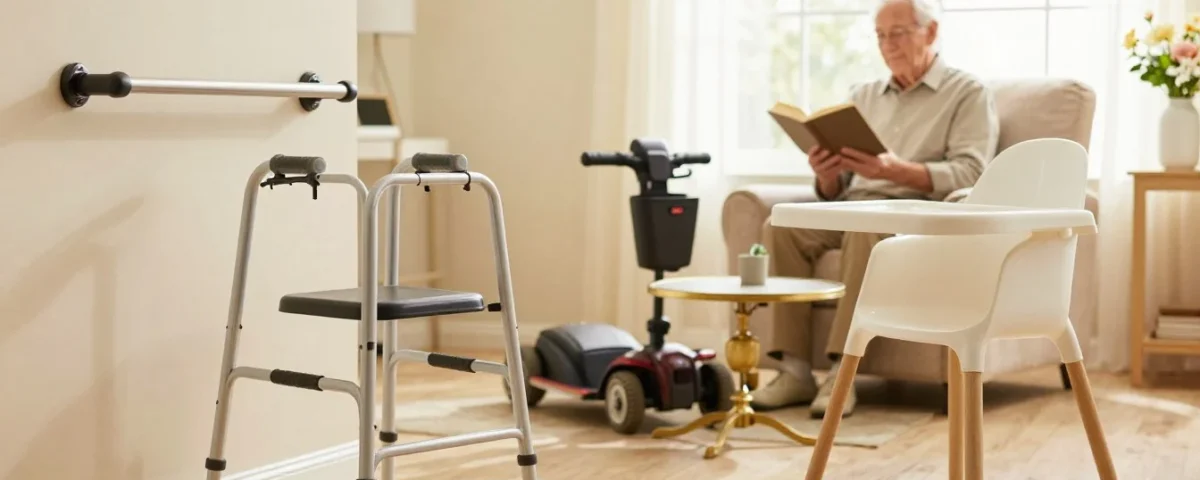
You want your loved one to stay safe and comfortable at home. Aging at home is a top wish for many families in San Antonio. Staying familiar with daily routines keeps confidence high and stress low.
Choosing the right tools can make daily life easier and more secure. One clear option is to explore assistive devices for aging in place to support mobility, bath safety, and meal prep. The World Health Organization reports more than 2.5 billion people rely on such tools to improve function worldwide.
Continued Care Home Health offers professional guidance to help you match solutions to your home layout and needs. With practical planning, you can create a living space that adapts as needs change.
Key Takeaways
- Staying at home preserves comfort and familiarity for seniors.
- Well-chosen tools boost independence and reduce risk.
- Over 2.5 billion people use such solutions worldwide.
- Continued Care Home Health helps tailor options to your home.
- Planning creates a flexible, safer living environment over time.
Understanding the Importance of Assistive Devices for Aging in Place
Tools that support daily life are the bridge between independence and needed care. Many adults lean on assistive technology to manage everyday tasks. The World Health Organization reports more than 2.5 billion people worldwide use these products to keep their function and freedom.
These solutions help older people keep dignity while coping with change. When adults use supportive tech, they often stay at home longer and delay full-time professional care. That preservation of routine has clear benefits for your loved one’s health and emotional well-being.
- Supports basic tasks so older people can remain independent.
- Reduces the immediate need for intensive care services.
- Helps people live safely in their own homes for as long as possible.
- Focuses on health and comfort while preserving personal life choices.
By adding these systems into daily living, you help adults manage health and keep their routines. That mix of safety and autonomy makes staying at home a practical, compassionate option.
The Evolution of Technology for Older Adults
You can see clear change when you compare past and present research and tools. In 1999 PubMed listed 181 studies on assistive technology. By 2019 that number rose to 1,089. That growth shows a wider focus on how technology can help older people live safer, healthier lives.
Historical Context
Early use of technology focused on mechanical aids like walkers and grab bars. These products solved basic mobility needs and reduced immediate risk. They gave caregivers time and families more options when planning daily care.
Modern Digital Advancements
Today, adults benefit from digital tools that monitor health metrics such as blood pressure and activity levels. This tech gives you real-time data and easier access to care teams.
- The field saw nearly a 10-fold rise in research output over 25 years.
- Digital systems now extend beyond mobility to health monitoring and communication.
- Regions with high old-age dependency ratios face growing pressure and need more technological solutions.
Access to these solutions matters. As the population of older people grows, technology helps reduce workforce strain and keeps adults living with more independence and dignity.
Enhancing Kitchen Safety and Efficiency
Small changes in the kitchen can make meal prep easier and much safer every day. Focus on tools that reduce grip strain, cut clutter, and prevent common accidents.
Start with simple, proven products. The BagTeck Jar Opener is a top pick to reduce wrist and hand strain when opening jars. That one product can keep you cooking independently longer.
Kitchen Gadgets for Grip and Safety
Choose items that match your strength and routine. Look for spill-proof plates, easy-grip utensils, and non-slip mats. These products lower risk and keep meals pleasant.
- Grip aids: jar openers and padded handles ease pressure on hands.
- Spill protection: plates with lips and secure cups reduce mess and hazards.
- Smart tech: motion lighting and water-overflow sensors protect the home from common accidents.
| Product | Benefit | Best use |
|---|---|---|
| BagTeck Jar Opener | Reduces grip strain | Opening jars and bottles |
| Spill-proof plate | Limits spills, keeps area clean | Meals at the table or bed |
| Water-overflow sensor | Prevents flooding | Under sinks and dishwashers |
When you pick a product, test it at home for ease of use. Every device should support daily tasks without adding complexity.
Bathroom Modifications for Stability
A few well-placed supports in the bath can change how safely your loved one moves at home. These upgrades focus on steady grips and clear walking paths to reduce slips.
Arthritis Supplies Grab Bars are essential bathroom products that give the balance needed during showers and transfers. High-quality equipment, like stainless-steel grab bars, mounts securely and holds up to frequent use.
- Install bars near the tub, shower entry, and toilet to support standing and sitting.
- Use non-slip mats and shower seats to keep the floor secure and maintain mobility.
- Choose products that match your bathroom layout and the specific needs of the older adult.
| Product | Primary Benefit | Best Location |
|---|---|---|
| Arthritis Supplies Grab Bars | Improves balance and grip | Shower, tub, beside toilet |
| Non-slip shower mat | Reduces slip risk | Shower floor |
| Fold-down shower seat | Allows seated bathing | Shower stall or tub alcove |
When you plan modifications, think about common wet-area hazards and the person’s range of motion. These changes form a practical strategy to keep seniors living at home with greater confidence and safety.
Mobility Aids for Independent Movement
Good mobility tools let you move through your home with less worry and more confidence. Choosing the right item helps maintain daily routines and reduces fall risk.
Start with walking tools that match your strength and home layout. A Honeybull Free Standing Walking Cane offers a steady base and is easy to place when you pause. The Vocic Foldable Walker with Seat combines mobility and a rest spot, so you do not have to choose between movement and safety.
Walking Canes and Walkers
Walking canes with adjustable bases let you set height for comfort and posture. Sturdy walkers with seats give added support during longer walks and quick rests.
Bed Rails for Support
The Vaunn Medical Adjustable Bed Rail helps a person get in and out of bed with less strain on the body. Bed rails are simple equipment that add stability and boost confidence during transfers.
- Fit matters: ensure the device is sized to your height and needs.
- Reduce falls: proper mobility equipment supports natural movement and lowers risk.
- Choose quality: pick trusted brands like Honeybull, Vocic, and Vaunn Medical for reliable support.
Medication Management Systems
When doses are automated, you lower the chance of missed or doubled medication times.
Managing medication is a core part of daily care and health maintenance. The Live Fine Automatic Pill Dispenser helps seniors follow complex schedules by dispensing the right dose at the right time.
These medication systems reduce human error, a common need for people living independently. Advanced units include alerts that notify you or a caregiver if a dose is missed. That extra layer of care supports faster response and better health outcomes.
By adding reliable pill dispensers and simple devices into a routine, you make medication management less stressful. Use them to coordinate refills, set reminders, and keep records. Small changes like this protect safety and preserve independence.
- Key benefit: correct dosage at scheduled times.
- Alert features: caregiver notifications for missed doses.
- Practical use: easy integration into daily care plans.
Communication Tools to Reduce Isolation
Reliable home tech makes everyday conversations and check-ins feel natural again. Communication technology helps you keep ties with family and friends. This contact lowers loneliness and improves mood.
Video calling platforms let adults see loved ones and share moments in real time. Many older people find that a few weekly calls boost morale and bring emotional support. Simple interfaces mean you spend time talking, not learning menus.
You can choose accessible mobile phones and easy video setups that match abilities. With the right support tools, people maintain social networks and join community events from home.
- Benefit: visual contact strengthens bonds and reduces isolation.
- Ease: large buttons, clear audio, and one-touch video simplify use.
- Support: brief training or a caregiver setup can speed adoption.
| Tool | Main Benefit | Best Use |
|---|---|---|
| One-touch video phone | Instant video calls with family | Daily check-ins and social chats |
| Tablet with simplified launcher | Big icons, easy navigation | Sharing photos and group calls |
| Voice-activated smart speaker | Hands-free calling and reminders | Quick contact and emergency reach |
Visual Aids and Digital Accessibility
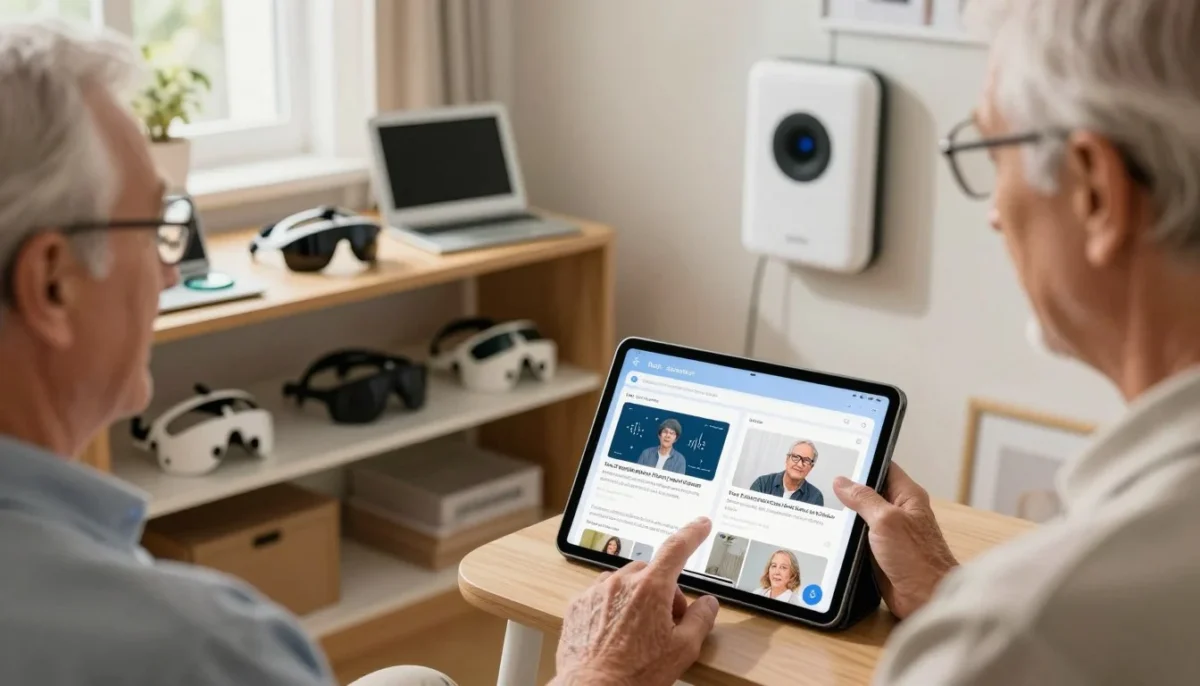
When screens grow hard to read, targeted visual aids restore your ability to access digital life. Clear visuals let you follow news, join family video calls, and manage everyday tasks on smartphones or computers.
Screen Readers
Screen readers convert text to speech so you can navigate menus and web pages without strain. These tools let adults listen to emails, articles, and even video captions. They improve access and reduce frustration when reading small print.
Magnification Tools
The MAGNIPROS Patented 5X LED Page Magnifier is a reliable choice to enlarge print and screens. Using magnification helps adults read labels, books, and screen text at home.
- Digital accessibility technology lets adults use computers and phones to stay informed.
- Built-in features help, but extra aids give needed support for bigger challenges.
- With the right tools, you can watch video content, read clearly, and keep your online access steady.
Smart Home Technology and Monitoring
Small pieces of smart home gear give big gains in safety and peace of mind. Smart systems let you track daily patterns and act quickly when something changes. These solutions bring continuous monitoring without constant intrusion.
Personal Alarms
Personal alarms let a senior call for help at the press of a button. Wearable pendants or wrist units connect to contacts and emergency services. They are a simple, reliable part of any safety plan.
GPS Trackers
GPS trackers help you locate a loved one if they wander. Lightweight trackers fit in pockets or on keychains. Knowing location reduces stress and supports timely assistance.
Sensor Systems
Room sensors and pressure pads monitor motion and bed exits. These sensors can report how often someone gets out of bed without being intrusive. Motion sensors, door trackers, and pressure mats work together to create a clear picture of wellbeing.
- Smart technology and trackers provide continuous monitoring at home.
- Alarms give immediate help with one push of a button.
- Sensors track surrogate markers like bed exits and room time.
| System | Main Benefit | Best Use |
|---|---|---|
| Personal Alarm | Fast help call | Emergency response |
| GPS Tracker | Location visibility | Wandering risk |
| Sensor Network | Daily pattern monitoring | Bed exits, motion, doors |
Used together, these tools form a layered approach that helps you keep a loved one safe at home and supports their wish to age in place. Smart tech makes monitoring practical, respectful, and effective.
Memory Aids for Daily Living
Small memory supports give people clear signals that reduce confusion and help them stay on track.
Day-of-the-week clocks and simple labels make a big difference in daily routine. A day-of-week clock tells a person the current day at a glance and cuts down on repeated questions.
Clear labels on cupboards and boxes are easy things that lower stress and help people find what they need. Medication reminders — electronic pill alarms and timed dispensers — ensure pills go out on schedule.
- Stay organized: day clocks help track the day and planned activities.
- Reduce stress: labeled cabinets and notes simplify common tasks.
- Medication safety: reminder devices help meet medication needs on time.
By adding these aids into daily life, you help a loved one keep independence and cut back on constant prompts. These unobtrusive devices meet core needs while letting people manage their day with more confidence.
Financial Considerations and Funding Options
Understanding payment options helps you secure products that support daily care at home. Start by checking coverage rules and the likely out-of-pocket costs. That clarity makes planning simpler and reduces stress.
Medicare Part B covers many kinds of durable medical equipment after you meet the annual deductible. Typically, Medicare pays 80% of the Medicare-approved amount and you pay the remaining 20%.
How to navigate funding
Look at the full range of funding options. Medicare Part B is a key part of many plans, but other programs may help with costs.
- Check eligibility: confirm whether a product or equipment qualifies under Medicare Part B.
- VAT and exemptions: verify local VAT exemptions or financial aid that reduce the purchase price of assistive technology.
- Professional guidance: care services and home health teams can advise on billing, forms, and suppliers.
| Funding source | What it covers | Typical cost share |
|---|---|---|
| Medicare Part B | Durable medical equipment (walkers, hospital bed) | Patient pays 20% after deductible |
| Local aid / VAT exemptions | Selected products and tax relief | Varies by program |
| Private insurance or VA | Supplementary equipment and services | Depends on plan |
Action steps: research all options, confirm product eligibility, and ask professional services for help filing claims. Taking these steps ensures you have timely access to the right equipment and care tools.
Assessing Your Specific Needs with Professionals
Start by scheduling a professional evaluation to match tools and home changes to a person’s real needs.
Consulting a healthcare professional is the best way to identify which assistive technology will support daily life. A primary care provider can answer practical questions about mobility, medication, and overall health.
Professional assessments also check the home layout and recommend modifications so the environment meets changing needs. That review reduces risk and guides safe purchases.
If you have questions about care options, reach out to qualified clinicians or occupational therapists. They offer tailored guidance and a plan that fits your budget and lifestyle.

| Assessor | Main Role | When to Call |
|---|---|---|
| Primary Care Provider | Review health, meds, referrals | New symptoms or medication changes |
| Occupational Therapist | Home function, mobility, equipment fit | Difficulty with daily tasks |
| Home Health Nurse | Ongoing health monitoring and training | After hospital discharge or care change |
Ongoing support from experts keeps chosen assistive technology working as needs evolve. Regular check‑ins help you adapt care and preserve independence.
Integrating New Technology into Your Routine
Start small when you bring new technology into daily life to keep transitions calm and steady.
Take time to learn each tool. Short practice sessions help adults feel confident and reduce frustration. With steady use, new routines become natural and less stressful.
Respect existing habits. Match a new gadget to daily patterns so it complements rather than disrupts current living rhythms. Let the person lead the pace of change.
- Introduce one feature at a time and practice for a few minutes each day.
- Use clear, written steps and repeat demonstrations until they feel secure.
- Celebrate small wins to reinforce continued use and confidence.
| Integration Pace | Main Benefit | Quick Tip |
|---|---|---|
| Slow (daily steps) | Builds confidence | Short 5–10 minute sessions |
| Moderate (weekly features) | Improves routine efficiency | Introduce one function each week |
| Full (after comfort) | Seamless living support | Schedule periodic review sessions |
Conclusion
Practical tools and thoughtful care choices make it possible for many people to live with dignity and confidence.
Choosing the right support can extend the time a person stays safe at home and enjoy daily routine. By matching solutions to specific needs, families help older people keep independence and feel secure as they age.
Choosing equipment and professional services wisely empowers people to live comfortably and reduces stress for caregivers. For guidance, call Continu Care Home Health at (210) 734-6166 to learn about our in-home care services or to schedule a consultation.
Visit us: 3201 Cherry Ridge C319, San Antonio, TX 78230. Please call if you need any help navigating options for your loved one.
This article is not medical advice. Contact your doctor before implementing anything covered in this post.