
How Home Health Care Helps Seniors Stay Independent

Post-Surgical Care in San Antonio: Your Guide to Recovery
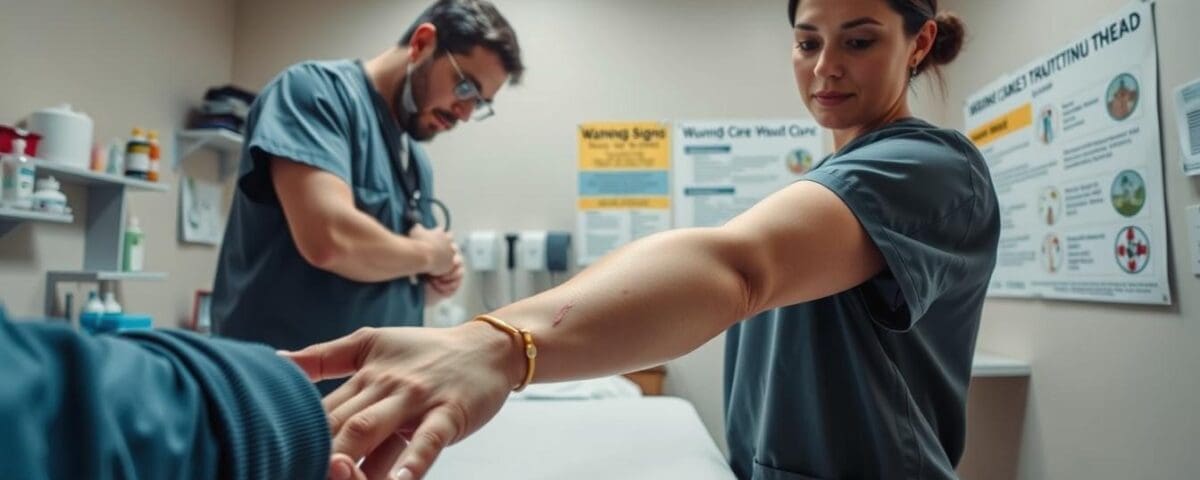
Most minor scrapes heal quickly with simple home treatment. However, your body sometimes struggles to repair itself, leading to complications that require expert medical attention. Recognizing these early warning signs is essential for your long-term health.
Ignoring persistent symptoms can turn a small issue into a serious medical challenge. If you notice spreading redness, increased pain, or unusual discharge, it is time to seek help. Residents looking for reliable wound care San Antonio services should prioritize these indicators to prevent further infection.
By acting quickly, you protect your skin and ensure a faster recovery. This guide helps you identify when your injury demands a visit to a specialist. Stay proactive to keep your health on the right track.
Key Takeaways
- Monitor your injury for signs of spreading redness or warmth.
- Increased pain levels often indicate an underlying infection.
- Seek professional help if you notice foul-smelling discharge.
- Do not ignore sores that fail to show improvement after several days.
- Early intervention prevents minor issues from becoming severe complications.
Understanding Wound Care Needs
Understanding the complexities of your body’s healing process is the first step toward recovery. While minor scrapes often resolve on their own, some injuries require a more deliberate approach to ensure they close properly. Professional management bridges the gap between a simple injury and a long-term health complication.
What is Wound Care?
Wound care involves specialized medical techniques designed to facilitate the body’s natural repair mechanisms. It is not merely about covering an injury; it is about creating an environment where tissue can regenerate effectively. When a wound fails to show visible progress within a 7-10 day window, it is a clear signal that you need a professional assessment.
This process often includes cleaning, debridement, and the application of advanced dressings. These steps are essential for preventing infection and promoting healthy skin closure. Without these interventions, even small injuries can become significant health burdens.
Why is Professional Care Important?
Professional intervention is vital because chronic conditions can significantly impair your body’s ability to repair tissue. For instance, diabetic wound care is essential for preventing severe outcomes in patients with compromised circulation or nerve damage. When your body struggles to heal, expert oversight becomes the safest path to recovery.
The following table outlines the differences between standard healing and the need for professional intervention:
| Healing Stage | Standard Progress | Professional Intervention Needed |
|---|---|---|
| Initial Phase | Minor redness, no pus | Deep tissue exposure |
| 7-10 Day Mark | Visible closure | No improvement or worsening |
| Chronic Risk | Low risk | High risk (e.g., diabetes) |
By seeking diabetic wound care early, you protect yourself from the risks associated with slow-healing injuries. Proactive care ensures that your health remains a priority, allowing you to return to your daily activities with confidence.
Common Signs of Infection
Infections can develop quickly, making it essential to know the specific signs that require medical attention. While your body naturally reacts to injury with some inflammation, you must distinguish between normal recovery and a developing problem. Recognizing these red flags early is the best way to ensure you receive skilled nursing wound treatment before the situation worsens.
Redness and Swelling
It is common to see a small amount of redness around a new wound. However, if you notice that the redness is spreading outward or becoming more intense, this is a warning sign. Persistent swelling that does not go down after a few days also suggests that your body is struggling to fight off bacteria.
Increased Pain and Heat
A healing wound should gradually become less painful over time. If you experience a sudden spike in pain or if the skin around the area feels hot to the touch, you should take notice. These symptoms often indicate that an infection is taking hold beneath the surface of the skin.
Pus or Discharge
The presence of fluid is not always a bad sign, but the quality of that fluid matters. You should be concerned if you see thick, yellow, or green discharge coming from the site. A foul odor is another clear indicator that you need to seek skilled nursing wound treatment immediately to prevent further complications.
| Symptom | Normal Healing | Infection Warning |
|---|---|---|
| Redness | Limited to edges | Spreading outward |
| Pain | Decreasing daily | Increasing intensity |
| Discharge | Clear or thin | Thick, colored, or foul |
| Temperature | Skin feels normal | Area feels hot |
Unusual Changes in Wound Appearance
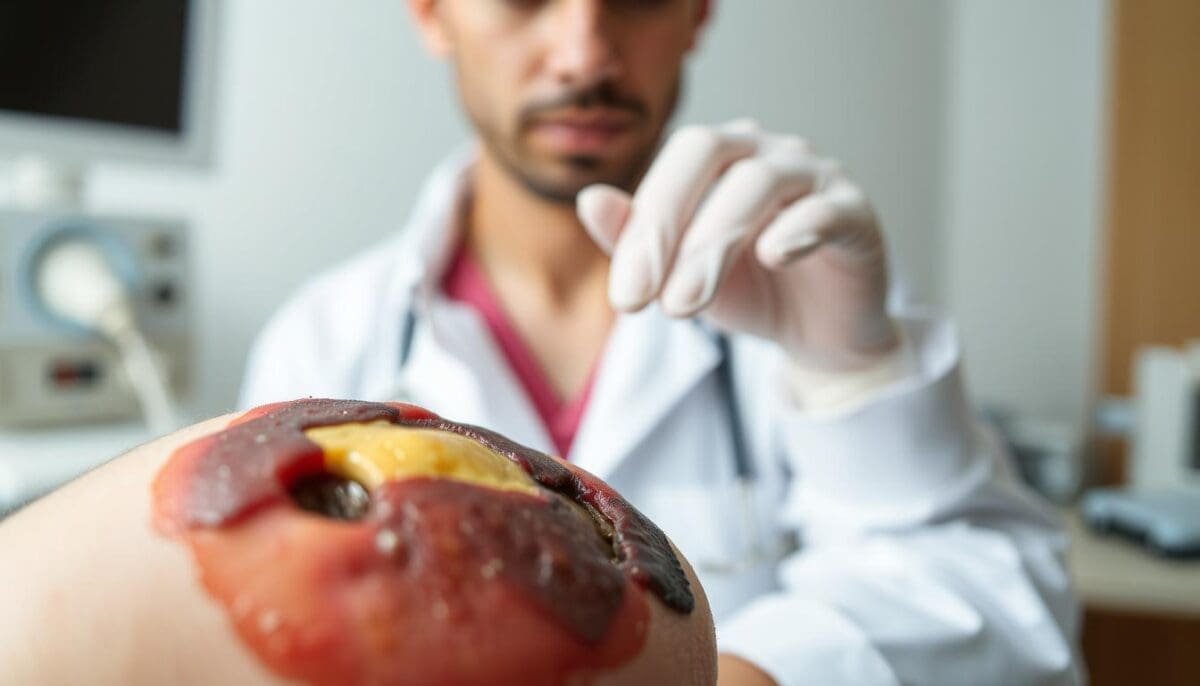
The way a wound looks can tell you a great deal about the health of the tissue underneath. By observing your injury daily, you can catch warning signs that suggest your body is struggling to repair itself. Visual monitoring is a simple yet powerful tool in your recovery journey.
Color Changes in the Wound
One of the most critical signs to watch for is a shift in the color of the wound bed. If you notice the presence of black or brown tissue, this is a clear indicator of necrosis. Necrosis refers to dead tissue that effectively blocks the healing process and can harbor harmful bacteria.
When this type of tissue develops, your body cannot regenerate healthy skin on its own. You will likely require professional debridement to remove the dead material. This medical procedure is essential to stimulate the growth of new, healthy tissue and prevent further complications.
Size of the Wound Increasing
A wound that continues to expand rather than shrink is a significant cause for concern. While minor fluctuations are normal, a steady increase in size often points to underlying systemic issues or poor circulation. If your wound is getting larger, it is time to stop relying on home-based care and consult a specialist.
Poor blood flow prevents the necessary nutrients from reaching the injury site, which stalls the repair process. Identifying these visual cues early allows you to seek the right intervention before the situation worsens. Use the following guide to help you evaluate the current state of your wound.
| Visual Indicator | Potential Meaning | Recommended Action |
|---|---|---|
| Black or Brown Tissue | Necrosis (Dead Tissue) | Seek Professional Debridement |
| Expanding Wound Edges | Poor Circulation or Infection | Consult a Wound Specialist |
| Bright Red Granulation | Healthy Healing Progress | Continue Current Care |
| Yellow or Green Pus | Possible Bacterial Infection | Contact Healthcare Provider |
Delayed Healing Signs
While many people attempt wound healing at home, knowing when to stop is essential. Most minor injuries show consistent signs of improvement within a few days. If you notice that your injury remains stagnant, it may be time to reevaluate your approach.
What is Considered a Delay?
A wound is generally expected to show steady progress toward closure. If you do not see visible changes or a reduction in size after two to three weeks, medical professionals often classify this as a chronic wound. This timeline serves as a critical benchmark for your recovery.
When an injury persists beyond this three-week window, the risk of complications increases significantly. You should not ignore a lack of progress, as it often indicates that the body requires additional support to repair the damaged tissue. Relying solely on wound healing at home beyond this point can lead to deeper infections or tissue damage.
Factors Affecting Healing
Several variables influence how quickly your body repairs itself. Proper nutrition, for instance, provides the essential building blocks needed for skin regeneration. If your diet lacks sufficient protein or vitamins, your recovery will naturally slow down.
Your underlying health status also plays a major role in the process. Conditions like diabetes or poor circulation can restrict the oxygen supply to the site, making it difficult for the body to close the gap. Furthermore, maintaining the correct moisture balance is vital; a wound that is too dry or too wet will struggle to heal effectively.
| Feature | Normal Healing | Delayed Healing |
|---|---|---|
| Timeline | Progress within 1-2 weeks | No progress after 3 weeks |
| Appearance | Granulation tissue forming | Stagnant or necrotic tissue |
| Pain Level | Gradually decreasing | Persistent or increasing |
| Moisture | Balanced | Excessive exudate or dry |
Chronic Wounds: When to Seek Help
Chronic wounds represent a complex medical challenge that goes beyond standard recovery. Unlike typical cuts or scrapes, these injuries fail to follow the normal stages of healing. Your body often requires advanced medical therapies to resolve these persistent issues effectively.
When a wound remains open for an extended period, it is essential to recognize that your natural healing mechanisms may be overwhelmed. Seeking professional guidance early allows you to access specialized treatments that are not available through conventional home care methods.
Different Types of Chronic Wounds
Identifying the specific nature of your injury is the first step toward proper management. Chronic wounds are generally categorized based on their underlying cause and location on the body.
- Pressure Injuries: Often occurring in areas where skin is compressed against a surface for long periods.
- Venous Ulcers: Typically found on the lower legs, these result from poor blood flow back to the heart.
- Diabetic Foot Ulcers: Complex wounds that require strict monitoring due to nerve damage and circulation issues.
- Arterial Ulcers: Caused by restricted blood supply, leading to tissue damage that struggles to repair itself.
Understanding the Risks
Ignoring a wound that does not show signs of improvement can lead to serious long-term consequences. These injuries are not merely surface-level problems; they can significantly impact your overall health and daily mobility.
If left unmanaged, chronic wounds may lead to persistent pain, infection, or even tissue loss. By working with healthcare professionals, you can utilize specialized dressings and advanced therapies designed to promote closure and prevent further complications. Taking proactive steps today ensures that you maintain your quality of life and independence.
Risk Factors for Complicated Wounds
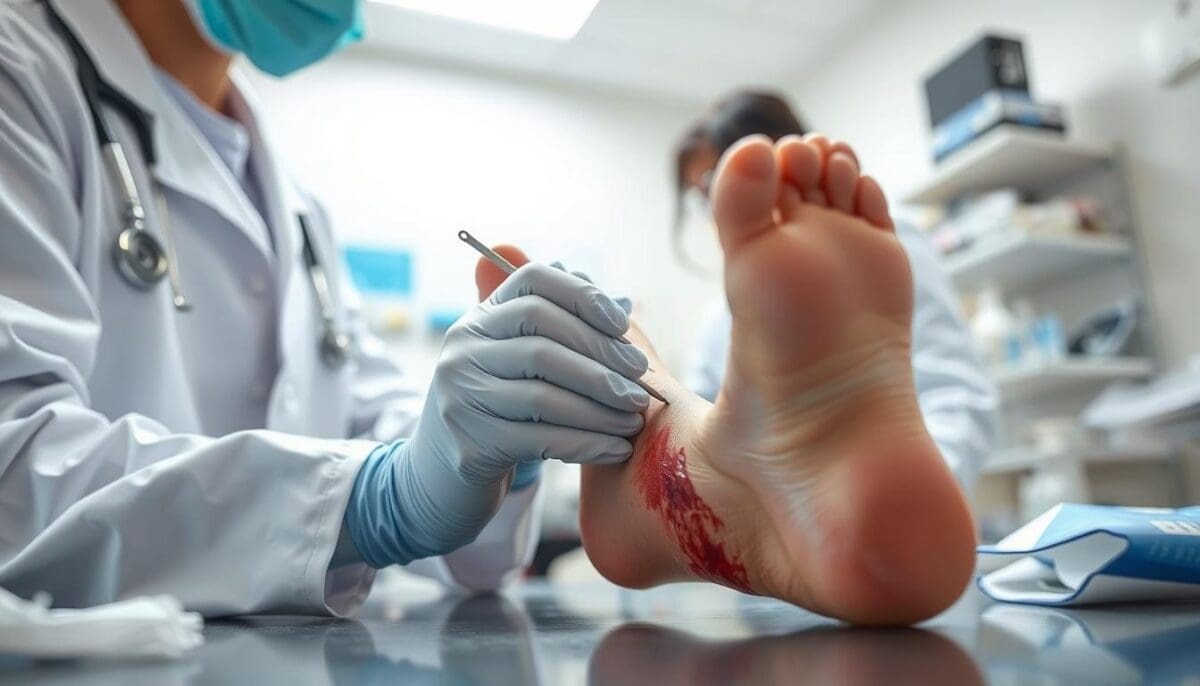
Certain underlying health conditions can significantly complicate the way your body repairs itself after an injury. When your system faces these challenges, the natural healing process often slows down or stalls entirely. Recognizing these risks early is the first step toward preventing long-term complications.
Diabetes and Its Impact
Diabetes is a leading cause of non-healing foot ulcers that can quickly become dangerous if left untreated. High blood sugar levels often lead to nerve damage, known as neuropathy, which prevents you from feeling minor cuts or blisters on your feet. Because you may not notice these small injuries, they can worsen without your knowledge.
Effective diabetic wound care is essential for anyone managing this condition. Without proper monitoring and professional intervention, these wounds can progress into serious infections. Consistent vigilance is your best defense against these complications.
Importance of Circulation
Healthy blood flow is the primary delivery system for the oxygen and nutrients required to rebuild damaged skin. When your circulation is compromised, your body struggles to transport the necessary building blocks to the site of the injury. This lack of oxygen creates a hostile environment for tissue repair.
Several factors can influence how well your body maintains this vital flow. Consider these common elements that impact your healing potential:
- Peripheral Artery Disease: Reduces blood flow to the limbs.
- Smoking: Constricts blood vessels and limits oxygen supply.
- High Blood Pressure: Damages the delicate lining of your arteries.
- Lack of Physical Activity: Slows down the natural circulation process.
By addressing these underlying issues, you improve your body’s ability to recover. Integrating professional diabetic wound care and circulation management into your routine ensures that your wounds receive the support they need to close properly.
When to Contact a Professional
Knowing when to call a professional can prevent a minor injury from becoming a major health crisis. Your recovery journey depends heavily on your ability to identify when a wound requires expert care. Taking action early is often the best way to ensure a smooth healing process.
Situations That Require Immediate Attention
Certain injuries demand urgent medical evaluation to prevent long-term complications. You must seek help immediately if you have deep lacerations that expose fat, tendon, or muscle tissue. These types of wounds are highly susceptible to contamination and often require specialized closure techniques.
Additionally, watch for systemic signs that indicate your body is struggling to fight an infection. If you develop a fever, chills, or notice red streaks spreading away from the wound site, contact your doctor right away. These symptoms suggest that the infection may be moving into your bloodstream, which is a medical emergency.
Monitoring Wound Changes
Consistent observation is a powerful tool in your recovery. By keeping a daily log of your wound’s appearance, you provide your medical team with the data they need to adjust your treatment plan. Utilizing skilled nursing wound treatment at the right time ensures that you receive the appropriate antibiotics or surgical interventions before the situation escalates.
When documenting your progress, note any changes in size, odor, or the color of the drainage. If you notice that the wound is getting larger or the surrounding skin becomes increasingly painful, do not wait for your next scheduled appointment. Proactive communication with your healthcare provider allows for timely adjustments to your care, ensuring you receive the best possible skilled nursing wound treatment for your specific needs.
Continu Care Home Health Services
Continu Care Home Health provides specialized medical services to help you heal comfortably in your own space. We proudly serve patients and families throughout San Antonio and the surrounding areas. Our mission is to bring expert medical attention directly to your doorstep, ensuring you receive the care you need without the stress of travel.
Comprehensive In-Home Wound Care
Managing complex injuries can be a difficult task, which is why we focus on providing comprehensive in-home wound care. We prioritize your comfort and recovery by bringing clinical expertise into your living environment. By choosing professional support for wound healing at home, you ensure that your recovery is monitored by experts who are dedicated to your long-term health.
Our team utilizes advanced techniques to manage various types of wounds effectively. We understand that every patient has unique needs, so we tailor our approach to fit your specific situation. This personalized attention helps reduce the risk of complications and promotes faster recovery times.
How We Support Your Healing Process
We support your healing process by coordinating closely with your primary doctor to implement evidence-based treatment plans. This collaboration ensures that your care remains consistent and aligned with your overall health goals. Our nurses are trained to track progress and make necessary adjustments to your care plan as you improve.
The following table highlights the key advantages of choosing our specialized services for your recovery journey:
| Service Feature | In-Home Benefit | Patient Outcome |
|---|---|---|
| Clinical Monitoring | Daily expert assessment | Reduced infection risk |
| Doctor Coordination | Seamless communication | Faster healing progress |
| Personalized Care | Tailored treatment plans | Improved comfort levels |
| Education Support | Family training provided | Better self-management |
By focusing on wound healing at home, we empower you to take control of your health while staying in a familiar environment. Our dedicated staff remains committed to providing the highest standard of care throughout your entire recovery period.
Getting Started with Your Care
Taking the first step toward professional recovery is simple when you have the right team by your side. You deserve access to high-quality medical support that prioritizes your comfort and long-term health outcomes.
Scheduling a Consultation
We invite you to contact Continu Care Home Health to learn more about our in-home care services or to schedule a consultation for yourself or a loved one. Our team proudly serves patients and families throughout San Antonio and surrounding areas with compassionate, professional care delivered in the comfort of home. Expert wound care San Antonio residents trust is just a phone call away.
Contacting Continu Care Home Health
Please reach out to us at (210) 734-6166 or visit our office at 3201 Cherry Ridge C319, San Antonio, TX 78230, if you need any help. Our staff remains ready to assist you with your specific recovery needs. Choosing the right wound care San Antonio providers can make a significant difference in your healing journey.
This arctcle is not medical advice. Please contact your Doctor before inplementing anythnig covered in this post.