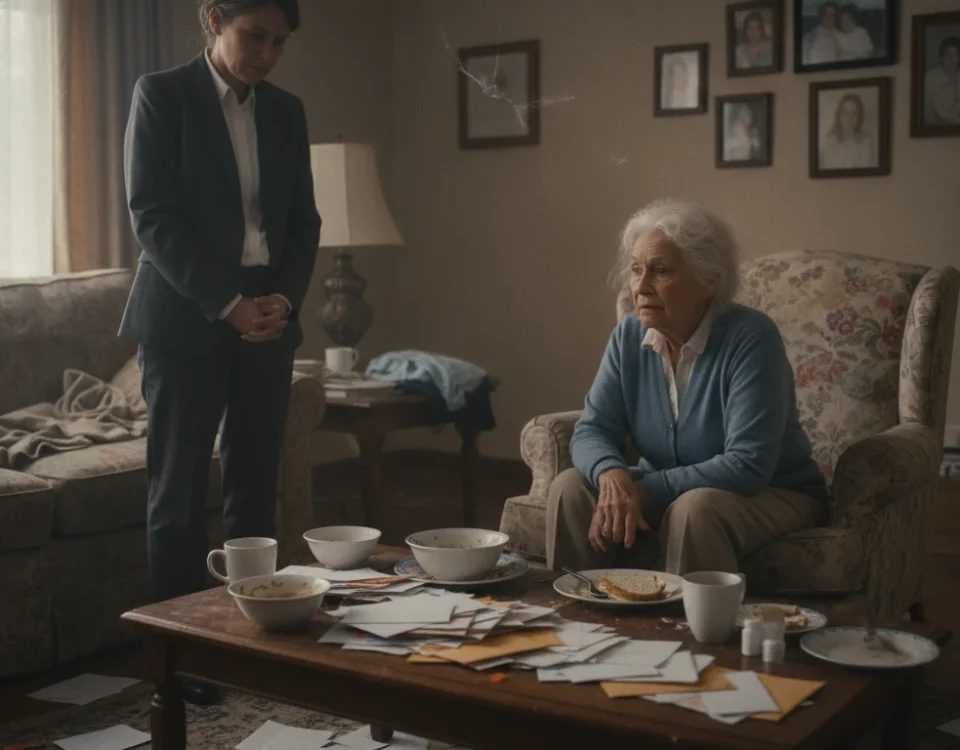
Ten Signs an Aging Parent Needs In-Home Help — Before a Crisis Forces It

How to Bring Up Home Health Care With a Parent Who Says They’re Fine

You often tell yourself that exhaustion is part of the job. You may believe feeling drained is simply the price of helping a loved one. However, ignoring these caregiver burnout signs can harm your health and your loved one’s well-being.
Prolonged family caregiver stress does not mean you lack love or commitment. It is a natural response to heavy demands on your mind and body over time. When you push past your limits, both you and your care recipient suffer the consequences.
This article shows how to spot hidden exhaustion and manage daily duties more effectively. Please consult with a qualified healthcare professional before making any changes to your health routine or acting on the information provided here.
Key Takeaways
- Recognizing early warning indicators is vital for long-term health.
- Exhaustion is a common reaction, not a sign of personal failure.
- Both the provider and the recipient are impacted by chronic fatigue.
- Prioritizing your own well-being is essential for effective support.
- Always seek medical advice before changing your health management plan.
Why Caregiver Burnout Signs Are Receiving More Attention
You may feel alone, but family caregiver stress is a widespread public health concern. For years, families viewed caring for a loved one as a private obligation. Today, experts and community leaders recognize that caregivers need emotional, physical, and systemic support.
What recent conversations about family caregiver stress reveal
Recent discussions show that caregiving is both a personal task and a major health issue. During long-term care, your health often comes after your loved one’s needs. Public awareness is growing because researchers link caregiver well-being to the quality of care provided.
Why burnout can remain hidden inside ordinary caregiving routines
Burnout can hide in plain sight because daily caregiving tasks repeat. Managing medications, medical appointments, transportation, and household chores can feel endless. Because these tasks matter, you may ignore exhaustion and assume feeling overwhelmed is simply part of the job.
How compassion fatigue affects caregivers, families, and care recipients
Compassion fatigue causes emotional exhaustion and can leave you feeling numb or detached. It can affect your patience, decision-making, and peace at home. Spotting these patterns early can help prevent a serious breakdown in your ability to provide care.
| Aspect | Healthy Caregiving | Signs of Burnout |
|---|---|---|
| Emotional State | Empathetic and engaged | Detached or resentful |
| Daily Routine | Managed with breaks | Feeling trapped by tasks |
| Decision Making | Clear and proactive | Forgetful or indecisive |
| Physical Health | Prioritized and stable | Chronic fatigue or illness |
Caregiver Burnout Signs You May Explain Away
It is easy to miss subtle signs that your body and mind are reaching a breaking point. When you focus on a loved one’s needs, you may dismiss your struggles as normal. Ignoring these signals can cause long-term health problems for you and your family.
Persistent exhaustion that does not improve with sleep
You may feel deep, bone-weary fatigue even after a full night’s rest. This is more than normal tiredness; it is a chronic state of depletion that limits daily function. If your energy never returns, your body may signal that you need help.
Irritability, resentment, or emotional numbness
Emotional shifts are often early signs of significant family caregiver stress. You may lose your temper faster or feel detached from the person in your care. Resentment and numbness are not character flaws; prolonged pressure can cause these responses.
Headaches, muscle tension, and other physical complaints
Your body may carry your responsibilities as physical pain. Many caregivers report tension headaches, tight shoulders, or unexplained digestive problems. People often dismiss these symptoms, but they can show that your nervous system remains on high alert.
Why telling yourself that “everyone is tired” can delay support
Comparing your experience with others can become a harmful trap. Many people face challenges, but minimizing yours can block access to needed resources. Recognizing caregiver burnout signs early helps you seek professional guidance before your health worsens.
- Persistent fatigue that sleep cannot fix.
- Frequent emotional outbursts or sudden apathy.
- Chronic muscle tension or recurring headaches.
- Difficulty concentrating on simple daily tasks.
If you notice these patterns, consider speaking with a healthcare professional. Addressing family caregiver stress is not failure; it helps you continue providing the best care for your loved one.
The Emotional Symptoms Family Caregivers Commonly Minimize
You may hide your true feelings because you fear seeming ungrateful or disloyal to your loved one. You may think love means never feeling frustrated or tired. However, acknowledging these complex emotions protects your health and the quality of care you provide.
Feeling guilty when you need time away
Many people feel intense guilt when they consider taking a break. You may fear that leaving for a few hours makes you a bad caregiver. In reality, taking time for yourself prevents burnout and helps you return with more patience.
Losing patience over small requests or repeated questions
Chronic family caregiver stress can lower your patience. You may snap at a loved one over simple questions or minor requests. This reaction can signal compassion fatigue, when your emotional reserves are depleted.
Grieving changes in your relationship with a loved one
Caregiving can change your relationship, especially when a parent or spouse needs basic help. You may grieve the loss of your former relationship. It is perfectly normal to feel sadness or resentment while staying dedicated to caregiving.
Feeling detached even though you continue providing care
Your responsibilities may cause emotional numbness. You may complete daily tasks on autopilot and feel disconnected from the person you help. This detachment protects your mind while you cope with ongoing compassion fatigue.
Recognizing this symptom early lets you seek support, set healthy boundaries, and prioritize your mental well-being before stress levels rise.
When Physical Strain Becomes a Warning Instead of a Normal Part of Caregiving
When your daily caregiving routine begins harming your physical health, pause and evaluate. Many people wrongly believe exhaustion is simply part of caregiving. Yet ongoing physical strain can silently warn you while you manage caregiving duties.
Sleep disruption, appetite changes, and unexplained fatigue
Even after a full night in bed, you may wake feeling completely drained. This unexplained fatigue often signals family caregiver stress beyond typical tiredness. Erratic sleep or major appetite changes may show that your body has reached its limit.
Back pain and injuries related to lifting or transferring
Repeatedly lifting or transferring a loved one puts great pressure on your muscles and bones. If chronic back pain or minor injuries appear, do not dismiss them as temporary discomfort. These problems are clear caregiver burnout signs requiring immediate attention to prevent long-term damage to your mobility.
Getting sick more often or recovering more slowly
Constant vigilance and high stress can weaken your immune system over time. You may catch colds more often or take much longer to recover from a minor illness. This reduced physical resilience warns that your body needs a break from intense caregiving responsibilities.
Why physical symptoms deserve attention from a medical professional
Consult your doctor before making major changes to your health or caregiving schedule. A medical professional can tell whether symptoms come from family caregiver stress, an underlying injury, or a separate health condition. A professional evaluation helps you receive proper support while caring for your own well-being.
| Symptom Type | Normal Tiredness | Warning Sign |
|---|---|---|
| Energy Levels | Restored by sleep | Persistent exhaustion |
| Physical Health | Occasional aches | Chronic pain or injury |
| Immune Response | Rarely ill | Frequent, slow recovery |
| Appetite | Stable | Significant changes |
Changes in Thinking, Behavior, and Daily Function
Noticing changes in your thinking and daily habits can help you regain your well-being. Caregiving demands can hide how family caregiver stress affects your clear thinking and motivation. These changes do not show personal failure; they may show that you need more support.
Forgetfulness and difficulty making routine decisions
Tasks that once felt simple may now feel overwhelming. Mental fog often follows chronic stress and can make planning or daily chores difficult. Misplacing items or struggling with simple choices can be common caregiver burnout signs.
Skipping meals, medications, appointments, or personal responsibilities
When your energy goes to your loved one, your health needs may come last. You may skip medical appointments or forget your personal medication schedule. This pattern is a hallmark of compassion fatigue, when caring for others leads you to neglect your physical needs.
Withdrawing from friends, work, faith communities, or hobbies
Isolation often follows long-term caregiving. You may feel too busy or drained to join friends, work, faith communities, or hobbies. Withdrawing from the activities that once brought you joy can deepen loneliness and make your responsibilities feel heavier.
Using alcohol, food, or other habits to cope with overwhelming stress
People often seek relief when they feel stretched to their limit. If you rely on food, alcohol, or other habits to numb feelings, know this can follow family caregiver stress. Do not see these behaviors as moral failure; they may signal a need for professional support.
Contacting a clinician or trusted family member is a courageous step toward managing compassion fatigue and restoring balance.
How Caregiver Burnout Can Affect the Person Receiving Care

When you care for a loved one, your well-being affects the support they receive. Your health is a key part of the caregiving equation. Recognizing caregiver burnout signs protects everyone involved; it is not self-criticism.
Missed warning signs and inconsistent daily routines
Exhaustion can harm memory and focus, disrupting critical care tasks. You might skip medication doses, miss follow-up appointments, or overlook subtle physical changes. Consistency is the backbone of effective care, and erratic routines can harm the care recipient’s health.
Communication breakdowns between you and your loved one
Severe stress can reduce patience and cause needless conflict. You may react with frustration to simple requests or repeated questions. This compassion fatigue can cause guilt and resentment, making open, loving communication harder.
Safety risks caused by exhaustion, rushing, or distraction
Physical fatigue raises accident risks during daily activities. Rushing transfers or moving too quickly can cause falls or injuries for you and your loved one. Mental distraction can hide environmental hazards and cause a serious medical emergency.
Why recognizing burnout protects both the caregiver and care recipient
Acknowledging that you are struggling is the first step toward a safer environment. Seeking respite or professional assistance helps your loved one receive the high-quality care they deserve. Prioritizing your own recovery is a selfless act that strengthens your bond with the person you support.
| Care Aspect | Healthy Caregiving | Impact of Burnout |
|---|---|---|
| Medication | Strict adherence to schedule | Missed or double doses |
| Communication | Patient and empathetic | Irritable and detached |
| Safety | Careful, steady movements | Rushed, risky transfers |
| Monitoring | Proactive symptom tracking | Overlooked health changes |
What Current Guidance Says About Responding to Caregiver Stress
You do not have to wait for a total breakdown before seeking help for your well-being. Addressing family caregiver stress early helps you keep providing quality care for your loved one. Acting before a crisis protects your health and your home’s stability.
Why early recognition matters before a crisis develops
Early action helps you solve small challenges before they become overwhelming. When you accept your limits, you can adjust your routine and find sustainable solutions. This proactive approach can prevent exhaustion that often leads to burnout.
How healthcare professionals assess caregiver strain and safety concerns
When visiting a doctor, share specific examples of how caregiving affects your daily life. Clinicians usually assess your sleep, mood, and physical health to measure your strain. They also check safety risks, such as your ability to manage medications and perform physical transfers safely.
When symptoms may signal depression, anxiety, or another health condition
It is important to separate normal compassion fatigue from clinical health problems. Some fatigue is expected, but lasting hopelessness or severe anxiety may need medical treatment. Professional evaluation can show whether caregiving demands or medical factors cause your symptoms and guide specific care.
What family members and clinicians can do when a caregiver asks for help
When you seek support, family members should listen without judgment and offer concrete help. Clinicians can connect you with local caregiver support resources for respite or counseling. Together, your support network can find care gaps and share duties, reducing your burden.
Barriers That Keep Family Caregivers From Seeking Support
Many family caregivers face invisible walls that block them from seeking help. You may feel you must handle every challenge alone to prove your dedication. Still, family caregiver stress can build when you ignore your needs too long.
The belief that accepting help means you are failing
Needing help does not mean you have failed. You may worry that outside help shows you do not do enough for your loved one. In reality, accepting support is a strategic decision that helps care last over time.
Financial concerns and uncertainty about available services
Many people avoid exploring caregiver support resources because they fear the costs. You may also feel overwhelmed by insurance and local programs. Start with small, low-cost requests, such as asking a neighbor to pick up groceries, to build confidence.
Family conflict over who should provide or coordinate care
Family disagreements can block effective care. Different views among siblings or relatives may cause isolation and resentment. Open communication helps prevent the burden from staying with one person indefinitely.
Privacy concerns, cultural expectations, and fear of judgment
You may avoid needed help because you want to keep family matters private. Cultural expectations may say caregiving must stay within the home. You might fear outsiders will judge your home or methods, but professional support offers non-judgmental assistance.
| Barrier Type | Common Concern | Recommended Strategy |
|---|---|---|
| Emotional | Feeling like a failure | Reframe help as a tool for success |
| Financial | Cost of professional services | Research local, low-cost community programs |
| Interpersonal | Family disagreements | Hold a structured family meeting |
| Cultural | Fear of outside judgment | Focus on the safety of your loved one |
Using caregiver support resources is not a sign of weakness. It is a proactive step that protects your health and care quality. Addressing these barriers creates a more stable, lasting environment for everyone involved.
Practical Caregiver Support Resources to Consider
Asking for help shows strength, not failure. When managing family caregiver stress, you may feel you must handle every detail alone. Yet a support network protects your long-term health and the care you provide.
Primary care providers, specialists, and mental health professionals
Your health should remain a top priority. Start by speaking with your primary care physician about caregiving’s physical and emotional toll. They can provide referrals to specialists or mental health professionals who understand caregiving pressures.
Therapists and social workers provide a safe place to process compassion fatigue and complex emotions. They can help you build coping strategies before burnout affects daily life.
Respite care, adult day programs, and home-based support
Respite care gives you temporary relief. It provides time for medical appointments, exercise, errands, or rest. Using these caregiver support resources lets you step away while your loved one receives capable care.
- Adult day programs: Offer social interaction and activities for your loved one in a supervised setting.
- Home-based support: Brings professional help directly to your residence for personal care or companionship.
- Practical tools: Consider using shared digital calendars, meal delivery services, and prescription delivery to reduce daily pressure.
Area Agencies on Aging and local caregiver organizations
You do not have to seek help alone. Area Agencies on Aging (AAA) provide a central source for local services, including transportation and financial assistance programs. They help you navigate complex long-term care.
Local caregiver organizations often host support groups for people facing similar challenges. Sharing experiences with peers can reduce isolation and help you manage family caregiver stress more effectively.
How to prepare questions before contacting a caregiver support resource
Before contacting an agency or provider, organize your thoughts. Preparation helps you get needed information quickly and reduces anxiety during the first conversation.
Consider asking these questions to decide whether the service fits your situation:
- What are the specific eligibility requirements for this program?
- What are the total costs, and are there sliding-scale options available?
- How is the staff trained, and what is the supervision ratio?
- What are your emergency procedures if a health issue arises?
- Is transportation provided, or do I need to arrange it separately?
Addressing these details can reduce compassion fatigue and help build a lasting routine. Using caregiver support resources protects your well-being while you provide high-quality care.
How In-Home Care Can Reduce the Pressure on Family Caregivers
Adding professional help to your routine can protect your well-being. When you feel overwhelmed, caregiver support resources can ease pressure and help prevent burnout. Professional assistance supports your health while giving your loved one high-quality care.
Personal care assistance with bathing, dressing, and mobility
Caregiving’s physical demands can cause exhaustion. Professional in-home care for seniors helps with daily tasks, including bathing, grooming, and dressing. It also provides safe mobility assistance, lowering injury risks for you and your loved one.
Companionship and supervision during demanding parts of the day
Caregiving involves more than physical tasks; it also includes meaningful social interaction. Professional caregivers offer companionship that keeps your loved one engaged and safe. This supervision helps during stressful hours, so you can step away with peace of mind.
Support with routines that give you time to rest or work
Time for yourself is vital for long-term well-being. With respite care for family caregivers, you can take regular breaks to sleep, attend appointments, or focus on your career. This support keeps your loved one’s routine stable while you recharge.
Questions to ask when comparing in-home care providers
When searching for an agency, gather clear information. Use these questions to compare potential care partners:
- What specific training do your caregivers receive regarding specialized conditions?
- How do you handle scheduling changes or emergency coverage?
- What is your process for communicating updates about my loved one’s daily status?
- How are your service plans customized to meet individual needs?
- What are the total costs and billing procedures for your services?
If professional support could improve your situation, reach out to Continu Care Home Health. Our team can discuss your unique needs and help you find the right balance in your caregiving journey.
When to Seek Immediate Help for Yourself or Your Loved One
Knowing when caregiving becomes an emergency is a vital skill for protecting your well-being. Many caregiver burnout signs improve with rest, but some situations need quick action to protect you and your loved one.
Warning signs of an urgent medical or mental health concern
Seek professional help at once if your loved one shows sudden, severe physical or mental changes. These changes include unexplained confusion, sudden trouble speaking, or signs of a stroke.
If you have chest pain, severe shortness of breath, or cannot function because of family caregiver stress, act now. These symptoms may show your body has reached a breaking point and needs clinical care.
What to do if you are worried about self-harm or harm to someone else
If you might hurt yourself or your loved one, seek help right away. Admitting you are at your limit is not failure; it is a necessary step to prevent tragedy.
Contact a crisis hotline or go to the nearest emergency room immediately. You do not have to face these dark moments alone; trained professionals can support you through a crisis.
When unsafe caregiving conditions require immediate intervention
Unsafe conditions can arise when exhaustion prevents a caregiver from meeting basic needs or makes the home hazardous. If you see neglect, such as missed medications, no food, or unsanitary living conditions, intervene.
Do not handle these situations alone. Other family members or social services can help restore a safe environment for everyone involved.
How to contact emergency services and healthcare professionals in the United States
In the United States, if you or your loved one faces immediate danger, call 911 without hesitation. Emergency responders can manage medical crises and provide needed support during high-stress events.
For urgent but non-emergency concerns, contact your primary care physician or a local mental health clinic. Standard caregiver support resources can help with long-term planning, but they cannot replace emergency services during a crisis.
| Situation Type | Action Required | Primary Contact |
|---|---|---|
| Routine Stress | Schedule respite care | Local Agency on Aging |
| Mental Health Crisis | Seek urgent evaluation | Crisis Hotline / 988 |
| Medical Emergency | Call for help | 911 |
| Unsafe Environment | Report and intervene | Adult Protective Services |
Continu Care Home Health Support for San Antonio Families
You do not have to manage home health care alone in San Antonio. Reliable caregiver support resources can protect your well-being and help your loved one receive excellent care.
Compassionate in-home care delivered throughout San Antonio and surrounding areas
Continu Care Home Health offers help for local families with different needs. Our team knows that consistency and compassion build quality care. Our professional in-home care San Antonio families can trust gives you peace of mind.
How professional care can support patients and family caregivers
Professional care fills the gap between what you can manage and your loved one’s daily needs. Our staff can help with personal care, mobility, and companionship. This support eases physical and emotional stress, so you can focus on your family relationship.
What to discuss during a consultation for yourself or a loved one
A consultation helps you create a lasting care plan. Discuss daily routines, preferred schedules, and health concerns during this meeting. We will review San Antonio home health care options, including respite needs and long-term coordination, that fit your family’s goals.
| Service Type | Primary Benefit | Best For |
|---|---|---|
| Personal Care | Daily hygiene and mobility | Assistance with ADLs |
| Companionship | Social engagement | Reducing isolation |
| Respite Care | Temporary relief | Preventing burnout |
| Care Coordination | Professional oversight | Managing complex needs |
Contacting Continu Care Home Health at (210) 734-6166
If professional support could improve your situation, contact us today. Our team can answer questions and help you choose the best path for your family. Call us at (210) 734-6166 to schedule your initial consultation.
Continu Care Home Health
3201 Cherry Ridge C319, San Antonio, TX 78230
Conclusion
Recognizing caregiver burnout signs helps protect your health and the quality of care you provide. Ongoing exhaustion, emotional distress, and physical complaints do not show poor dedication. They signal a need for caregiver support resources that can help you continue your role.
Managing family caregiver stress requires regular attention to your own needs. Compassion fatigue is common, but it does not mean you love your family member less. Seeking help can help you remain a present and effective advocate for your loved one.
You do not have to face these challenges alone. Continu Care Home Health provides professional assistance to families throughout San Antonio and surrounding areas. Our team can help you explore options that fit your unique situation.
Call Continu Care Home Health at (210) 734-6166 if you need help. Learn more about our in-home care services or schedule a consultation. Visit our office at 3201 Cherry Ridge C319, San Antonio, TX 78230.
This article is not medical advice. Please contact your doctor before implementing anything covered in this post.