Heart-Healthy Care in the Comfort of Home

Take Control of Your Blood Pressure

More than 15 million Americans currently live with chronic obstructive pulmonary disease. Millions more might have this disease without a formal diagnosis. It often impacts your daily quality of existence by making simple movements feel like heavy chores.
An obstructive pulmonary disease causes a partial blockage of the airways. This challenge turns every breath into a struggle for many patients. Finding professional support helps you stay independent and strong despite these respiratory hurdles.
Continu Care home health offers expert medical support throughout San Antonio and nearby areas. You can receive high-level medical attention in your own home without the stress of travel. Our team focuses on keeping you safe and comfortable in a familiar environment.
This guide will show you how to handle copd with confidence. We provide the tools needed to improve your life and maintain your well-being. Following a clear plan allows you to stay in control of your health every day.
Key Takeaways
- Chronic conditions affect millions of Americans, many of whom remain undiagnosed.
- Personalized support helps reduce airway obstruction symptoms and fatigue.
- San Antonio residents can access professional medical services in a residential setting.
- Proper symptom monitoring significantly lowers the risk of urgent hospital visits.
- Maintaining independence is possible through structured respiratory assistance.
- Expert guidance improves your ability to perform daily tasks with less effort.
Understanding COPD and Why Home Care Matters
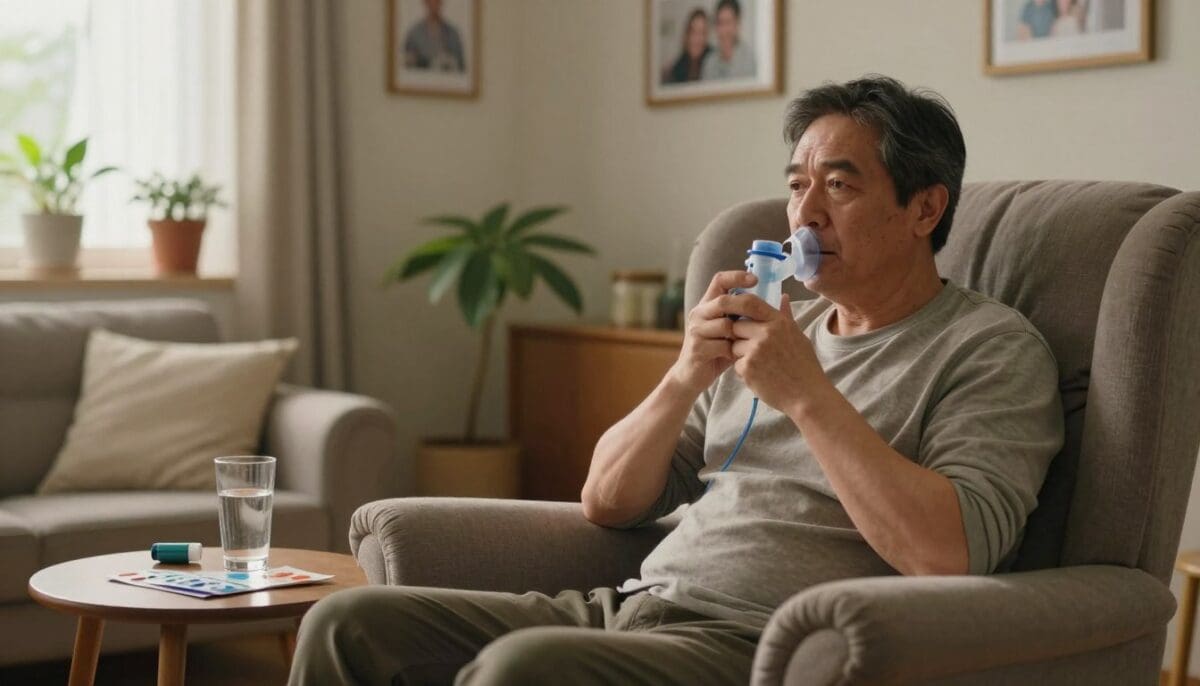
Understanding how chronic obstructive pulmonary disease affects your body helps you make better decisions for your future. This chronic obstructive condition damages your lungs and makes daily tasks feel much harder. It often includes emphysema, which impacts the obstructive pulmonary tissues and reduces your breath.
For many people, receiving health support in a familiar space is the best way to maintain independence. This pulmonary disease is often easier to handle when you stay in your own home. By managing copd, you reduce the stress of hospital stays and high infection risks.
A progressive lung disease requires specific information to keep your symptoms stable. Staying at home helps you keep your strength while treating obstructive pulmonary issues. Efficient health habits can slow down the disease and improve your overall quality of life.
| Care Aspect | Home Care Benefit | Outcome |
|---|---|---|
| Environment | Familiar surroundings | Lower stress levels |
| Infection Risk | Private setting | Fewer lung irritants |
| Personalization | Custom schedules | Greater independence |
Consistent care for this pulmonary disease ensures your lung disease does not stop you from enjoying life. Proper support for this disease allows you to stay in control of your daily routine. Early intervention helps you preserve your stamina for the activities you love most.
Living with copd is a challenge you can meet with the right team. Consistent support for copd makes a huge difference in your daily comfort. Managing your breath is much easier when you feel safe and supported in your own environment.
- Safety: Avoid the germs found in crowded clinical settings.
- Emotional Health: Stay close to your family and pets.
- Continuity: Receive regular monitoring from professionals you trust.
Step 1: Create Your Personal COPD Action and Management Plan
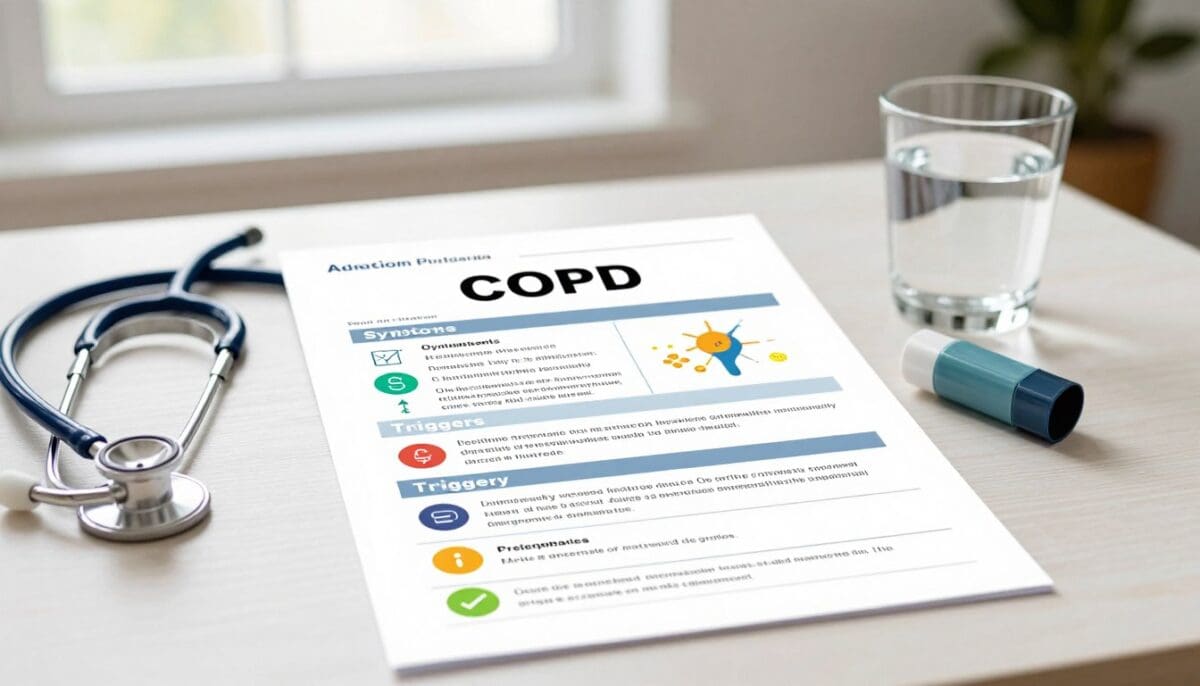
You can breathe easier when you have a clear roadmap to navigate your daily COPD symptoms. This personalized 3-in-1 worksheet empowers you to manage COPD by outlining specific steps to take based on how you feel. It acts as a guide for your daily medication and helps you stay safe at home.
Your management strategy depends on active communication with your medical team. By following a written plan, you know exactly when to maintain your routine or when to seek help. This proactive approach reduces stress and keeps you in control of your health journey.
Set Up the Green Zone: Your Daily Baseline
The Green Zone is your daily goal where you feel stable and strong. In this zone, you have no unusual symptoms and can perform your normal activities easily. You must continue to take your long-term action medicines exactly as told.
Even when you feel great, never skip your doses or change your routine. Always use your oxygen as prescribed by your healthcare team to maintain this baseline. Staying consistent in the Green Zone is the best way to prevent future flare-ups.
Identify the Yellow Zone: Recognizing Early Warning Signs
The Yellow Zone is a caution area where you notice early signs of a change in your health. You might feel more tired or notice your cough is getting worse. These symptoms suggest that your standard routine may need a temporary adjustment.
Follow the specific steps in your plan, which might include using a quick-relief inhaler. It is vital to call your healthcare provider if you do not feel better quickly. Taking action early in the Yellow Zone can often prevent a hospital visit.
Prepare for the Red Zone: Emergency Response Steps
The Red Zone indicates a severe exacerbation that requires immediate medical attention. You may experience chest pain, blue lips, or a racing heart rate while at home. These are emergency signals that your body needs urgent help right away.
If you enter the Red Zone, do not wait to see if you improve. Call 911 or go to the nearest emergency room immediately. Having this action strategy ready ensures you get the life-saving care you need without any delay.
| Zone Color | How You Feel | Required Action |
|---|---|---|
| Green | Good; no shortness of breath | Continue daily meds and oxygen |
| Yellow | Coughing; increased mucus | Use quick-relief meds; call provider |
| Red | Severe breathlessness; chest pain | Call 911 or seek emergency care |
Step 2: Implement Essential Daily Self-Care Techniques

Mastering daily habits is vital for your long-term health. These skills help improve your lung function and give you more freedom. By focusing on your care routine, you can protect your lung and keep copd symptoms under control.
Practice Pursed-Lip and Diaphragmatic Breathing
Specific breathing techniques are your first line of defense. Pursed-lip breathing involves inhaling through your nose and exhaling slowly as if blowing out a candle. This keeps airways open longer and reduces shortness of breath.
Diaphragmatic breathing, or belly breathing, strengthens your muscles to ensure better oxygen exchange and improved lung function. Proper education helps you master these movements correctly. This allows you to stay calm and focused during physical activity.
Use Controlled Coughing and Huff Coughing to Clear Airways
Clearing mucus is a key part of respiratory care. Controlled coughing requires a deep breath and a forceful exhale to move blockage upward. This deliberate action makes it easier to breathe.
If that is too tiring, try huff coughing. This involves short, forceful breaths, like you are fogging up a mirror. It uses less effort while keeping each lung clear and healthy. Both methods prevent infections by keeping the airways open.
| Self-Care Strategy | Main Goal | Simple Example |
|---|---|---|
| Breathing Methods | Improve Oxygen | Pursed-lip exhales |
| Airway Clearance | Remove Mucus | Huff coughing |
| Conservation | Save Energy | Sit while dressing |
Apply Energy Conservation Strategies
Saving your strength allows you to enjoy life more. Try sitting while you get dressed or keeping frequent items within reach to minimize walking. Planning rest periods between activities helps you avoid total exhaustion.
If you get winded during a talk, speak in short phrases and take regular pauses. Home health therapy professionals can provide more content on these techniques. Practicing these techniques ensures you don’t overexert yourself while managing copd. These small changes lead to much higher levels of independence.
Step 3: Access COPD Management at Home San Antonio Services

Professional COPD management at home San Antonio services offer the expert guidance necessary to navigate chronic lung disease while staying in your own residence. Continu Care Home Health brings comprehensive support directly to your door throughout San Antonio and the surrounding areas.
This professional home health approach allows you to maintain your independence while receiving high-quality medical attention. Our services focus on empowering you through personalized support and clinical expertise tailored to your unique lifestyle needs.
By choosing a local provider, you ensure that help is always nearby when you need it most. We strive to make every patient feel secure and content with the clinical care they receive in their own living space.
Work with an Interdisciplinary Care Team
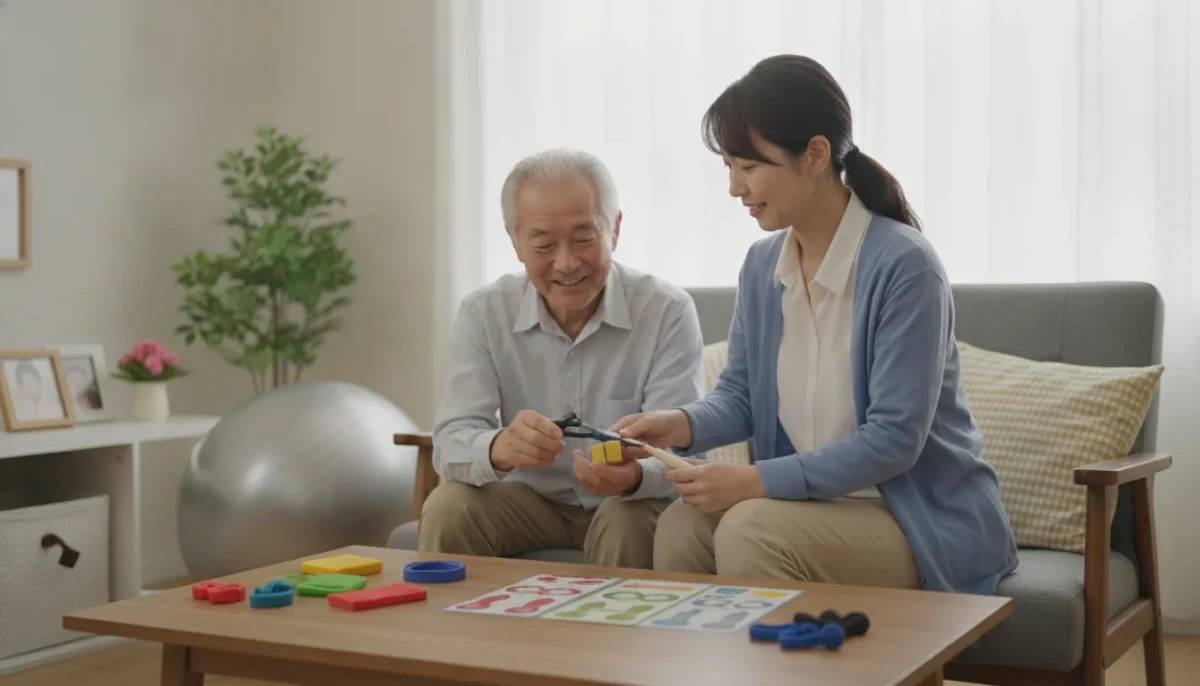
An interdisciplinary home health team addresses all the ways COPD affects your life. This professional group includes skilled nurses, physical therapists, occupational therapists, speech therapists, and social workers who collaborate on your health goals.
Our nurses monitor your vital signs, while physical therapists help you build strength and endurance. Occupational therapists teach you energy conservation, and speech therapists assist with breathing coordination during daily activities. Social workers also connect you with community healthcare resources.
Every team member works together to create a thorough therapy plan backed by the latest research. This quality care ensures that patients receive the most effective treatments available today.
Receive Medication Management and Oxygen Therapy Education
Understanding your medication and therapy is vital for long-term success and flare-up prevention. We provide education on daily maintenance drugs and how to use rescue inhalers for quick relief when symptoms worsen.
You will also receive specific oxygen therapy education to help you use supplemental tanks or concentrators correctly. This training helps increase oxygen levels in your blood and reduces the strain on your heart. We involve your caregiver in this process to ensure your entire support system is ready to help.
Optimize Your Home Environment for Safety
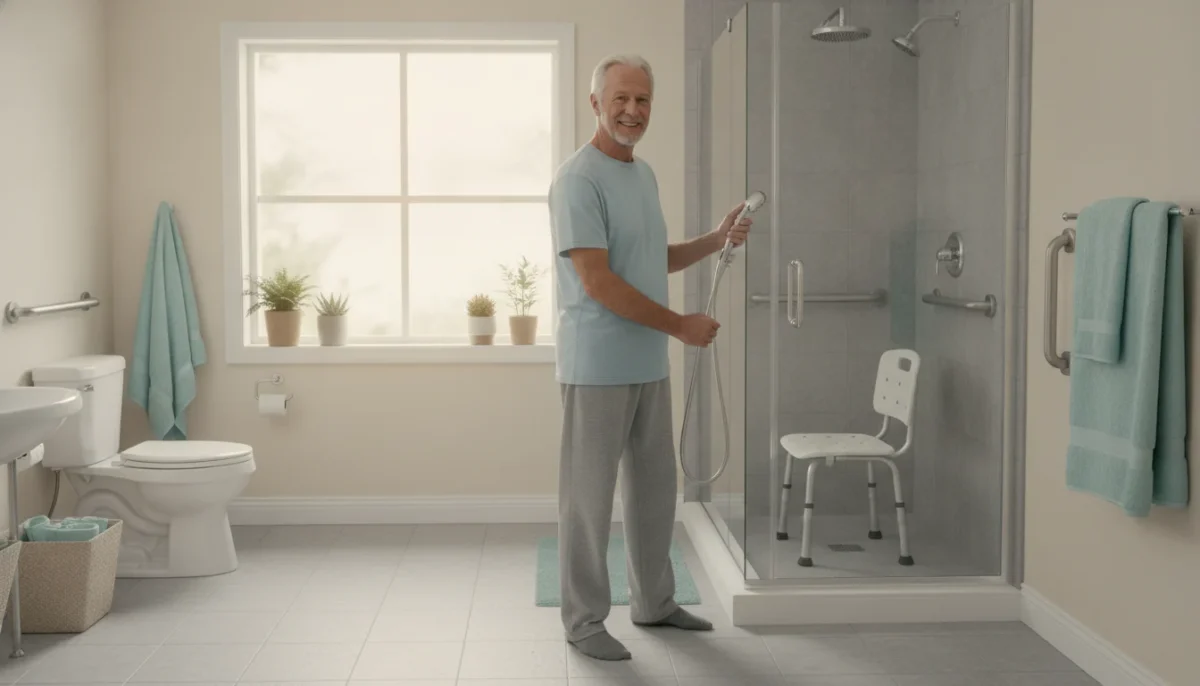
A safe home environment is crucial for patients who experience fatigue or reduced mobility. Your home health provider will identify tripping hazards and suggest improvements like better lighting or safety bars in the bathroom.
Optimizing your environment reduces the risk of dangerous falls and physical injuries. These services ensure your home remains a place of recovery rather than a source of stress. We provide the tools and content needed to keep your residence safe for all your daily needs.
Step 4: Monitor Symptoms and Know When to Seek Help
Active symptom tracking serves as a powerful shield against sudden health declines for those with lung disease. This routine helps you detect problems early and track your daily progress. Following a consistent monitoring routine according to your care policy establishes your baseline function.
This regular habit makes it much easier to see when your home health needs change. By catching small changes early, you can take action before a minor issue becomes a major crisis.
Track Your Daily Oxygen Levels and Vital Signs
You should use a pulse oximeter daily to measure the percentage of oxygen in your blood. This small device helps you understand if your lungs provide enough air to your body. You also need to track your heart rate and blood pressure every morning.
Changes in these measurements often signal a shift in your lung function. A patient who performs regular monitoring can spot a copd flare-up before it becomes severe. Keeping a simple log of these numbers helps your medical team provide better care.
Recognize When to Call Your Doctor or 911
Call your doctor if you notice worsening symptoms like increased coughing or changes in mucus color, thickness, or odor. A patient might also experience extreme fatigue or new swelling in the legs and ankles. These signs often suggest an exacerbation that requires professional medical intervention.
Your care team provides educational content to help you recognize signs like confusion or irritability, which may signal low air levels. If you feel restless, your heart may be working too hard. Contact your home health provider for unexplained weight changes or frequent headaches to stay ahead of copd complications.
| Condition | Call Your Doctor | Call 911 Immediately |
|---|---|---|
| Breathing | Increased wheezing or shortness of breath | Severe breathlessness at rest |
| Physical Signs | New swelling in legs or ankles | Chest pain or blue lips/nails |
| General Health | Fever, flu-like symptoms, or fatigue | Coughing up blood or high fever |
Empowering Your Life with Professional COPD Home Care
Successfully living with COPD starts with a strong plan and the right team. You can maintain your independence and improve your quality of life by following a consistent routine at home. This approach helps people keep their physical function and stay comfortable.
You do not have to handle these challenges alone. A professional caregiver and home health team can provide the education you need. Every journey is unique, and we are here to support your specific health goals.
At Continu Care home health, we follow a strict safety policy to ensure the best outcomes for patients. Our team follows every policy to keep patients safe in their own home. We proudly serve families throughout San Antonio and surrounding areas with compassionate care.
This article is not medical advice. Please contact your Doctor before implementing anything covered in this post.
Contact Continu Care Home Health today to learn more about our in-home services or to schedule a consultation for yourself or a loved one. We help you stay safe where you feel best.
Continu Care Home Health
(210) 734-6166
3201 Cherry Ridge C319
San Antonio, TX 78230
Call us if you need any help.