Caregiver Burnout Signs You Should Never Ignore

How Home Health Supports Heart Disease Patients
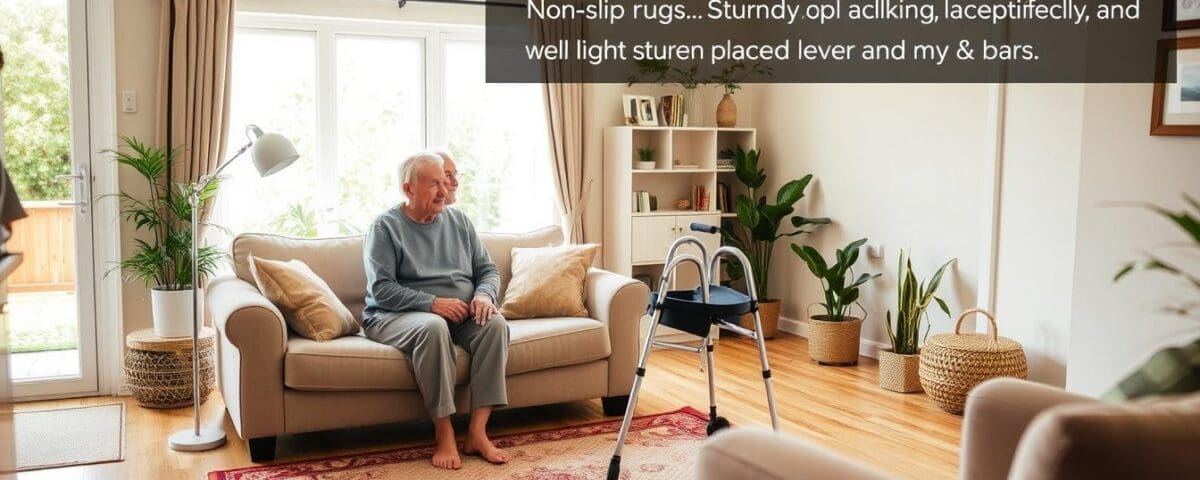
Creating a secure living environment is essential for your loved ones as they age. Many families prioritize fall prevention San Antonio to ensure their aging relatives remain independent and safe within their own residences. By making small, proactive adjustments, you can transform any living space into a secure sanctuary.
Professional support plays a vital role in maintaining this safety. At Continu Care Home Health, we provide expert guidance to help you identify hidden hazards that might lead to accidents. Taking these steps today will offer you peace of mind and protect your family for years to come.
Key Takeaways
- Assess your home regularly to identify potential tripping hazards.
- Improve lighting in hallways and stairwells to increase visibility.
- Install grab bars and non-slip mats in bathrooms for added stability.
- Utilize professional resources like Continu Care Home Health for personalized safety plans.
- Encourage consistent physical activity to improve balance and strength.
Understanding Fall Risks Among Seniors
Understanding the mechanics of a fall is the first step toward effective injury prevention tips for your daily routine. By identifying the specific hazards that threaten your stability, you can take proactive steps to secure your living environment. Knowledge is your best defense against unexpected accidents.
Common Causes of Falls
Falls often result from a combination of environmental obstacles and physical changes. Common household hazards include loose rugs, poor lighting, and cluttered walkways that can easily trip you. Maintaining a clear path throughout your home is a vital part of your safety strategy.
Physical factors also play a significant role in your risk profile. Changes in balance, muscle weakness, and side effects from certain medications can make you more susceptible to losing your footing. Implementing consistent injury prevention tips helps you manage these physical challenges effectively.
Statistics on Falls in Older Adults
Data shows that one in four older adults experiences a fall each year. These incidents often lead to a decreased quality of life and a loss of independence. Recognizing these trends allows you to prioritize your safety before a serious injury occurs.
| Risk Category | Primary Factor | Impact Level |
|---|---|---|
| Environmental | Poor Lighting | High |
| Physical | Muscle Weakness | High |
| Behavioral | Rushing | Moderate |
| Medical | Medication Side Effects | High |
The table above highlights how different factors contribute to your overall risk. By addressing these areas, you can apply practical injury prevention tips to keep your home safe. Staying informed is the most reliable way to protect your long-term health and mobility.
Assessing Your Home for Fall Hazards
Transforming your home into a secure sanctuary requires a systematic look at every corner of your property. By taking a proactive stance, you can effectively manage home safety for elderly residents and maintain independence for years to come.
Identifying High-Risk Areas
Many common tripping hazards are easily overlooked during daily routines. You should prioritize clearing pathways of clutter, tangled electrical cords, and loose area rugs that often cause accidental stumbles.
Focusing on these high-traffic zones is essential for maintaining home safety for elderly individuals. Even small obstacles can lead to significant balance issues when navigating through hallways or living rooms.
Importance of Room-by-Room Evaluation
Conducting a thorough, room-by-room evaluation allows you to address specific dangers before they result in a serious injury. This methodical approach ensures that no detail is missed, from the bathroom floor to the kitchen cabinets.
When you dedicate time to inspect each space, you gain peace of mind knowing your environment is optimized for stability. Consistent home safety for elderly assessments are the foundation of a secure and comfortable lifestyle.
Essential Home Modifications
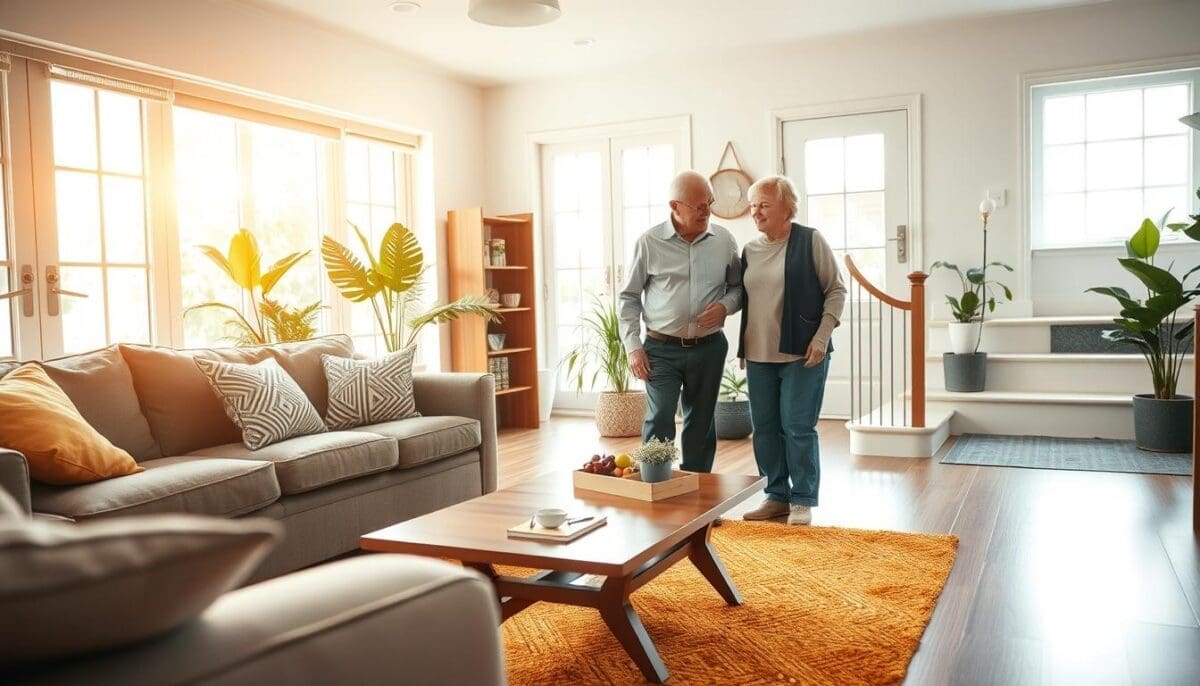
Enhancing your home environment is one of the most effective ways to promote home safety for elderly residents. By making deliberate physical changes, you can transform your living space into a secure sanctuary that supports your daily independence. These adjustments are not just about convenience; they are critical investments in your long-term well-being.
Installing Grab Bars and Handrails
Adding support structures is a primary strategy for preventing slips and falls. You should prioritize installing sturdy grab bars in high-traffic zones like the shower, near the toilet, and along staircases. These fixtures provide essential stability when you transition between sitting and standing positions.
Ensure that all hardware is professionally mounted into wall studs to handle significant weight. Using ergonomic designs can also make these tools more comfortable to grip during everyday use. Proper placement is key to maximizing the effectiveness of these safety additions.
Enhancing Lighting in Key Areas
Poor visibility is a leading contributor to household accidents, especially during the night. You can improve your surroundings by installing motion-sensor lights in hallways, bathrooms, and near entryways. These lights provide immediate illumination without the need to fumble for switches in the dark.
Consider replacing standard bulbs with brighter, energy-efficient LED options to reduce shadows. Adding nightlights in bedrooms and bathrooms creates a clear path for your late-night movements. Consistent lighting helps you navigate your home with confidence and clarity.
| Modification | Primary Benefit | Recommended Location |
|---|---|---|
| Grab Bars | Increased Stability | Bathroom and Shower |
| Handrails | Fall Prevention | Stairways and Hallways |
| Motion Lighting | Improved Visibility | Entryways and Paths |
| Non-Slip Mats | Traction Control | Kitchen and Bathroom |
The Importance of Exercise for Fall Prevention
Maintaining your physical autonomy requires a proactive approach to daily movement and exercise. When you prioritize your physical health, you directly enhance your senior mobility, which is essential for navigating your home safely. Consistent activity helps you stay steady on your feet and builds the confidence needed to move through your living space with ease.
Types of Exercises Beneficial for Seniors
Not all physical activities provide the same benefits for stability. Low-impact exercises like Tai Chi are highly recommended because they focus on controlled movements and weight shifting. These practices are excellent for improving your senior mobility while keeping your joints flexible and pain-free.
Resistance training is another vital component of a healthy routine. By using light weights or resistance bands, you can effectively strengthen the muscles that support your posture. This type of training is crucial for maintaining the physical foundation required to prevent accidental slips.
Incorporating Balance and Strength Training
Building muscle mass is your best defense against the risk of a fall. When you have stronger legs and a stable core, your body becomes much better at recovering from a sudden stumble. This senior mobility improvement allows you to regain your balance quickly if you lose your footing.
You should aim to integrate balance exercises into your daily schedule to see the best results. Simple activities, such as standing on one leg while holding a sturdy chair, can make a significant difference in your daily safety. By dedicating time to these movements, you invest in your long-term independence and overall well-being.
Education and Awareness for Seniors and Caregivers
Education acts as a primary defense against household injuries for older adults and their caregivers. By staying informed, you can implement effective injury prevention tips that transform your living space into a secure sanctuary. Knowledge empowers you to take control of your daily safety with confidence.
Recognizing Risk Factors
Identifying potential dangers is the first step toward a safer home. Many seniors experience dizziness upon standing, which is a common trigger for unexpected falls. You should also watch for subtle signs like changes in gait or difficulty navigating familiar furniture layouts.
Caregivers play a vital role by observing these physical shifts in their loved ones. When you notice these patterns early, you can apply specific injury prevention tips to mitigate the danger before an accident occurs. Consistent observation remains a cornerstone of proactive health management.
Developing a Fall Prevention Plan
A structured approach is necessary to address hazards systematically. You can utilize professional tools like the STEADI checklist to evaluate your home environment for hidden risks. This method ensures that no detail is overlooked during your safety assessment.
Once you identify these risks, create a written plan that outlines necessary modifications and routine checks. This plan should include regular reviews of your living space to ensure that your injury prevention tips remain effective over time. Consistency is key to maintaining a secure and supportive environment for everyone involved.
The Role of Health Professionals in Fall Prevention
Engaging with professionals is one of the most effective injury prevention tips for seniors. By building a strong relationship with your medical team, you can address underlying health issues that might compromise your stability. These experts provide the specialized knowledge needed to keep you safe and active in your own home.
Consulting with a Physical Therapist
A physical therapist acts as a vital partner in your wellness journey. They evaluate your current mobility and design a customized exercise program tailored to your specific needs. These sessions focus on improving your core strength, coordination, and overall balance.
- Targeted exercises to improve gait and posture.
- Education on safe movement patterns for daily tasks.
- Guidance on using assistive devices like canes or walkers correctly.
Medication Management and Review
Many common medications can inadvertently increase your risk of falling. Certain drugs may cause side effects such as dizziness, lightheadedness, or blurred vision. It is essential to review your current prescriptions with your primary care physician or pharmacist regularly to ensure these injury prevention tips are being followed.
The following table outlines how different medication categories may impact your physical stability:
| Medication Type | Potential Side Effect | Safety Action |
|---|---|---|
| Blood Pressure Meds | Dizziness upon standing | Rise slowly from chairs |
| Sedatives | Reduced alertness | Discuss dosage with doctor |
| Antihistamines | Drowsiness | Check for non-drowsy options |
Always keep an updated list of your medications to share during appointments. This simple habit is among the most practical injury prevention tips you can adopt. Proactive communication with your healthcare providers ensures that your treatment plan supports your long-term safety and independence.
Utilizing Technology for Safety
You can significantly enhance your daily security by adopting the latest advancements in home monitoring technology. These tools provide essential support for those who wish to maintain their independence while following effective injury prevention tips. By integrating digital solutions, you create a safer living environment that responds quickly to your needs.
Fall Detection Devices and Alerts
Wearable technology has revolutionized how seniors handle emergencies. Devices like the Apple Watch or dedicated medical alert pendants use advanced sensors to detect sudden changes in movement. Automatic alerts are sent to emergency services or family members if a fall occurs, ensuring you receive help even if you cannot reach a phone.
These devices are among the most reliable injury prevention tips for individuals living alone. Many modern systems also include GPS tracking, which allows caregivers to locate you quickly in an emergency. Choosing a device that fits your lifestyle is a crucial step toward long-term peace of mind.
Smart Home Solutions for Seniors
Beyond wearables, your home itself can become a proactive safety partner. Smart lighting systems allow you to control brightness with voice commands, which helps prevent trips in dark hallways. Voice-activated assistants like Amazon Alexa or Google Home can also manage your schedule, remind you to take medications, and lock your doors.
Consider installing motion-activated night lights that illuminate your path automatically when you get up at night. These smart home upgrades serve as practical injury prevention tips that reduce the likelihood of accidents. By automating your environment, you minimize the physical effort required to navigate your home safely.
Importance of Regular Vision and Hearing Tests
Protecting your vision and hearing is one of the most effective ways to support senior mobility. Your sensory organs act as the primary navigation system for your body, allowing you to interact with your environment with confidence and precision.
When these senses begin to decline, your ability to detect potential hazards decreases significantly. Maintaining sharp senses is essential for staying active and independent in your own home.
How Sensory Impairments Contribute to Falls
Vision loss often impacts your depth perception and contrast sensitivity. If you cannot clearly see a change in floor elevation or a small object in your path, your risk of tripping increases dramatically.
Hearing loss also plays a hidden role in your physical stability. Your ears provide critical spatial cues that help your brain understand your position in a room. When you miss auditory warnings, such as the sound of a pet moving or a creaking floorboard, you may lose your senior mobility and balance during sudden movements.
Scheduling Routine Check-Ups
You should prioritize annual examinations with your optometrist and audiologist to catch minor changes early. These professionals can identify subtle shifts in your sensory health that you might not notice on your own.
Early detection allows for timely interventions, such as updated prescription glasses or hearing aids. By keeping your senses sharp, you preserve your senior mobility and ensure that your home remains a safe, accessible environment for years to come.
Creating a Supportive Environment
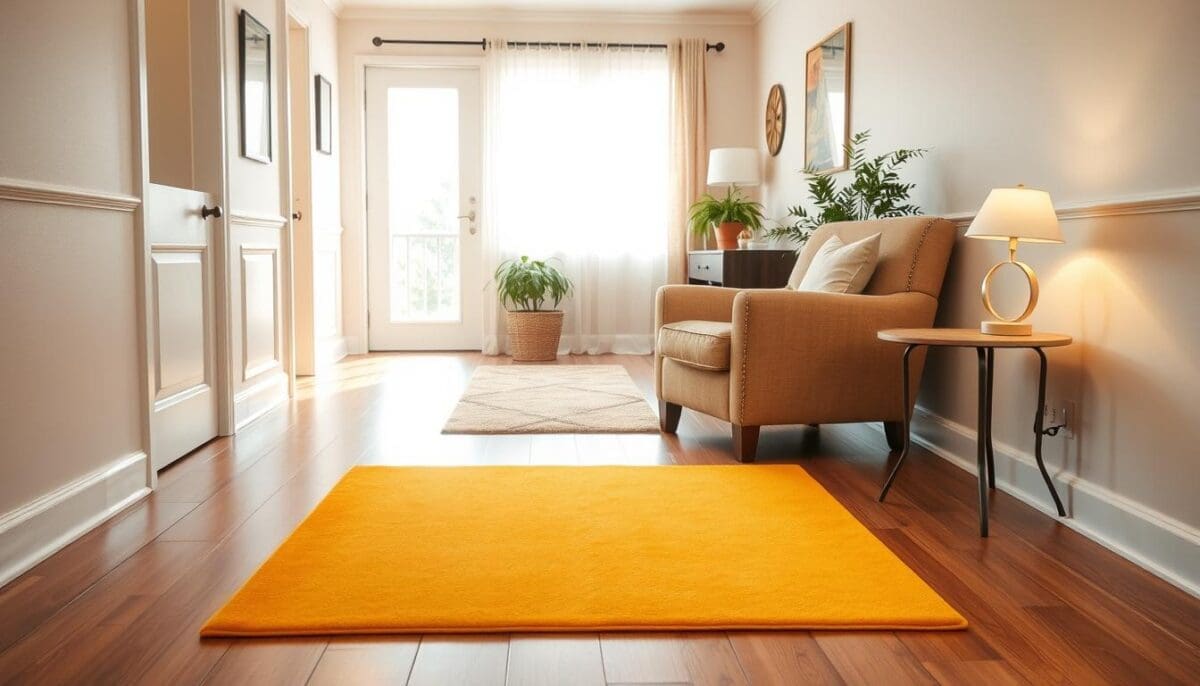
Aging in place successfully often depends on how well you integrate your family into your daily safety routines. A supportive environment acts as the backbone for your independence, ensuring that you feel secure in every room of your house. By focusing on home safety for elderly residents, you can transform your living space into a sanctuary that adapts to your changing needs.
Involving Family Members in Safety Plans
Your family members play a vital role in maintaining your household. When you include them in your safety planning, you gain a reliable team to help with tasks that might be difficult or risky for you to handle alone.
They can assist with relocating heavy items to lower shelves or securing loose rugs that pose a tripping hazard. Having an extra set of eyes to spot potential dangers ensures that your home safety for elderly standards remain high. This collaborative effort lightens your physical burden and provides peace of mind for everyone involved.
Encouraging Communication About Concerns
Open and honest dialogue is the foundation of a truly safe home. You should feel comfortable expressing any worries you have about your mobility or specific areas of your house that feel unsafe.
When you share these concerns, your support network can provide the targeted assistance you truly need. Consistent communication prevents small issues from becoming major accidents, reinforcing the importance of home safety for elderly individuals. Remember that your voice is the most important tool in building a living space that supports your long-term health and comfort.
Resources and Support Systems in San Antonio
If you are searching for reliable support, San Antonio offers a wealth of resources to keep you safe at home. Navigating the aging process is much easier when you have access to expert guidance and community-based assistance. By utilizing these local networks, you can significantly reduce your risk of injury and maintain your independence for years to come.
Connecting with Local Senior Services
Finding the right help starts with identifying organizations that prioritize your well-being. Continu Care Home Health is dedicated to connecting families with the essential support they need to maintain a safe home environment. Their team understands the unique challenges seniors face and works tirelessly to provide tailored solutions.
You can reach out to these professionals to discuss your specific needs and concerns. They offer a bridge between your current living situation and the professional care required to ensure long-term safety. Establishing this connection early is a proactive step toward peace of mind.
Community Programs for Fall Prevention
Beyond individual care, there are many public initiatives focused on fall prevention San Antonio residents can utilize. These programs often include balance workshops, home safety assessments, and educational seminars designed to empower you. Participating in these community efforts helps you stay informed about the latest safety strategies.
Many local centers host regular events where you can learn practical tips from physical therapists and safety experts. Engaging with these groups allows you to share experiences with peers while gaining valuable insights into your own health. Taking advantage of these resources is a smart way to bolster your personal safety and overall quality of life.
When to Seek Professional In-Home Care Services
Maintaining your independence at home often requires recognizing when extra support becomes necessary. Proactive planning helps preserve your senior mobility while ensuring your daily environment remains safe and manageable.
Signs Your Loved One May Need Assistance
Watch for subtle changes in how your loved one navigates their living space. Frequent trips, difficulty rising from chairs, or a decline in personal hygiene often signal that professional help is needed. These indicators suggest that current safety measures might not be enough to support their ongoing needs.
This article provides general information and is not medical advice. Please contact your doctor before implementing any changes covered in this post.
You can reach out to Continu Care Home Health to learn more about our specialized in-home care services. We are available to schedule a consultation for yourself or a loved one to discuss personalized support options. Our team proudly serves patients and families throughout San Antonio and surrounding areas with compassionate, professional care delivered in the comfort of home.
Contact Continu Care Home Health at (210) 734-6166 for guidance. Our office is located at 3201 Cherry Ridge C319, San Antonio, TX 78230. Call us if you need any help navigating these important decisions.
# How to Reduce Fall Risks for Seniors at Home
Maintaining your independence as you age starts with a secure living environment. By focusing on home safety for elderly residents, you can significantly reduce the physical and environmental factors that lead to accidental falls. Continu Care Home Health is dedicated to providing the professional support and resources necessary to ensure your home remains a safe haven.
## Understanding Fall Risks Among Seniors
### Common Causes of Falls
Falls are rarely caused by a single factor but rather a combination of environmental hazards and physical changes. Common causes include poor lighting, slippery floors, and health-related issues like vestibular imbalances or sudden drops in blood pressure.
### Statistics on Falls in Older Adults
The numbers are a call to action: one in four older adults in the United States experiences a fall annually. These incidents are a leading cause of injury and can severely impact your senior mobility and overall confidence.
## Assessing Your Home for Fall Hazards
### Identifying High-Risk Areas
Bathrooms, kitchens, and stairways are the most frequent sites for accidents. You should look for specific hazards such as loose floorboards, high thresholds, and cluttered walkways that may impede your movement.
### Importance of Room-by-Room Evaluation
A systematic room-by-room assessment ensures no detail is overlooked. By clearing away cords, securing loose rugs with double-sided tape, and removing clutter from pathways, you create a clear route for daily navigation.
## Essential Home Modifications
### Installing Grab Bars and Handrails
Physical modifications are vital for stability. You should prioritize installing professional-grade Kohler grab bars in the shower and sturdy handrails on both sides of every staircase to provide reliable support during transitions.
### Enhancing Lighting in Key Areas
Inadequate lighting is a major contributor to stumbles. Ensuring that hallways, entryways, and bathrooms are equipped with bright, motion-activated LED lighting allows you to navigate your home safely at any hour.
## The Importance of Exercise for Fall Prevention
### Types of Exercises Beneficial for Seniors
Engaging in consistent physical activity is one of the most effective injury prevention tips. Exercises that focus on the lower body, such as leg lifts or seated rows, help maintain the muscle mass required for steady movement.
### Incorporating Balance and Strength Training
Balance-focused routines like Tai Chi or yoga are excellent for improving your coordination. Strengthening your core and legs enhances your senior mobility, giving you the physical resilience to recover if you lose your footing.
## Education and Awareness for Seniors and Caregivers
### Recognizing Risk Factors
Knowledge is power when it comes to safety. You and your caregivers should be aware of signs such as dizziness upon standing or a newfound fear of walking, which may indicate an increased risk of falling.
### Developing a Fall Prevention Plan
Utilizing structured resources, such as the CDC’s STEADI (Stopping Elderly Accidents, Deaths & Injuries) checklist, allows you to create a comprehensive plan. This systematic approach helps you identify and mitigate risks before an injury occurs.
## The Role of Health Professionals in Fall Prevention
### Consulting with a Physical Therapist
Collaborating with a physical therapist provides you with personalized guidance. These professionals can design a custom exercise program tailored to your specific needs, focusing on the coordination and strength required for your daily routine.
### Medication Management and Review
Certain medications can cause side effects like drowsiness or imbalance. You should schedule regular reviews with your physician at UT Health San Antonio or your primary care provider to ensure your prescriptions are not negatively impacting your stability.
## Utilizing Technology for Safety
### Fall Detection Devices and Alerts
Modern technology offers a vital safety net for those living independently. Wearable devices like the Apple Watch with fall detection or a Life Alert system ensure that emergency services are notified immediately if an incident occurs.
### Smart Home Solutions for Seniors
Integrating smart home technology, such as voice-activated lights or smart locks, reduces the need for you to navigate hazards in the dark or rush to the door, further lowering your risk of an accidental trip.
## Importance of Regular Vision and Hearing Tests
### How Sensory Impairments Contribute to Falls
Your ability to detect hazards depends heavily on your senses. Vision loss can make it difficult to see changes in floor levels, while hearing impairment can affect your spatial awareness and balance.
### Scheduling Routine Check-Ups
Regular visits to specialists, such as those at Texas ENT Center, ensure that your sensory health is optimized. Addressing vision or hearing issues promptly is a critical component of maintaining your senior mobility.
## Creating a Supportive Environment
### Involving Family Members in Safety Plans
Safety is a collaborative effort. Involving your family in the planning process ensures that you have the physical assistance needed to relocate heavy items or fix household hazards like loose carpeting.
### Encouraging Communication About Concerns
Openly discussing your concerns about falling with your support network is essential. Clear communication allows your loved ones and caregivers to provide the specific help you need to feel secure in your home.
## Resources and Support Systems in San Antonio
### Connecting with Local Senior Services
For those seeking fall prevention San Antonio resources, there are numerous community programs available. These services provide everything from home safety workshops to group exercise classes designed for older adults.
### Community Programs for Fall Prevention Continu Care Home Health is a proud partner in the San Antonio community, connecting families with the expertise needed to bolster personal safety. We help you navigate local resources to ensure you receive the highest level of support.
## When to Seek Professional In-Home Care Services
### Signs Your Loved One May Need Assistance
Recognizing when it is time for extra help can prevent a serious injury. If you notice a decline in the ability to manage daily tasks or frequent near-misses, professional in-home care may be the ideal solution to preserve independence and safety.
*This article is not medical advice. Please contact your Doctor before implementing anything covered in this post.*
We invite you to contact Continu Care Home Health to learn more about our comprehensive in-home care services or to schedule a consultation for yourself or a loved one. Continu Care Home Health proudly serves patients and families throughout San Antonio and surrounding areas with compassionate, professional care delivered in the comfort of home.
Contact Information: Continu Care Home Health (210) 734-6166
3201 Cherry Ridge C319, San Antonio, TX 78230
## FAQ
### Q: What are the most effective home safety for elderly modifications I can make today?
A: Some of the most immediate and effective changes include removing tripping hazards like loose rugs, improving visibility with high-wattage lighting, and installing Kohler grab bars in high-risk areas like the bathroom. These proactive steps are essential injury prevention tips for any household.
### Q: How does senior mobility impact my overall risk of falling?
A: Maintaining your senior mobility through regular strength and balance exercises ensures that your muscles remain strong enough to support your weight and coordinate your movements. Improved mobility allows you to navigate obstacles more effectively and reduces the likelihood of a stumble becoming a serious fall.
### Q: What should I look for during a room-by-room home safety assessment?
A: You should check every room for cluttered pathways, exposed electrical cords, and uneven flooring. Ensure that frequently used items in the kitchen and bedroom are within easy reach to avoid the need for step stools, which can be unstable.
### Q: Can my medications affect my balance and increase my fall risk?
A: Yes, many medications can cause side effects such as dizziness, lightheadedness, or blurred vision. It is vital to have a regular medication review with your healthcare provider to identify any drugs that might compromise your stability.
### Q: Why is it important to have regular vision and hearing exams?
A: Your senses are your first line of defense against environmental hazards. Regular check-ups help identify sensory impairments early, allowing for corrections that help you stay aware of your surroundings and maintain better balance.
### Q: What local resources are available for fall prevention San Antonio residents?
A: Residents can access community programs, senior centers, and professional support through Continu Care Home Health. We provide expert guidance on home modifications and connect you with local services tailored to the needs of seniors in the San Antonio area.
### Q: How can technology assist with injury prevention tips for seniors living alone?
A: Technology like the Apple Watch or Life Alert systems provides automated fall detection and emergency response. Additionally, smart home devices like voice-controlled lighting can prevent you from having to walk through dark rooms to find a switch.
### Q: When should I consider professional in-home care from Continu Care Home Health?
A: You should consider professional support if you or a loved one experiences frequent instability, has difficulty with activities of daily living, or has already experienced a fall. Our team at Continu Care Home Health provides the professional assistance needed to maintain a safe and independent lifestyle at home.