Managing Type 2 Diabetes at Home as a Senior in South Texas

Supporting a Loved One With Chronic Kidney Disease at Home
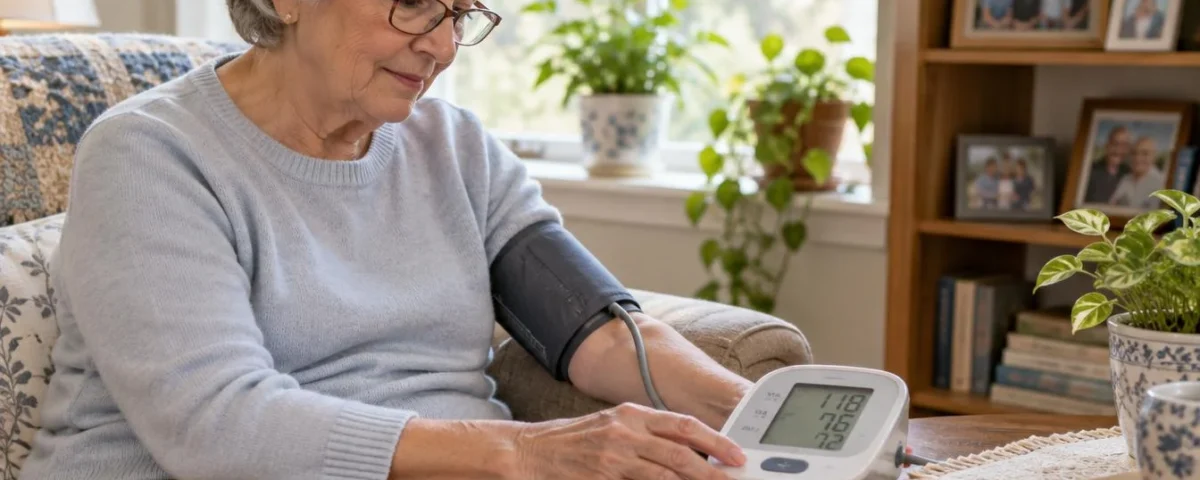
A home reading gives a useful snapshot of blood pressure at that moment, while a series of readings can show a broader pattern. For older adults, tracking results can help make care decisions clearer and less stressful. Over time, a blood pressure log can show the healthcare team what happens between appointments.
Systolic pressure is the top number in a blood pressure reading, showing the pressure in the arteries when the heart beats. A home record can help a healthcare professional confirm high blood pressure and see whether treatment is working. Home readings do not diagnose you by themselves or replace regular medical visits.
Keep taking prescribed medicine unless your healthcare professional tells you otherwise. Tracking a health concern is useful; changing medication without guidance can be unsafe. Choose equipment that can give dependable readings.
Key Takeaways
- Use a reliable monitor that fits your arm.
- Take readings in a steady, repeatable way.
- Keep a blood pressure log for your care team.
- Do not stop medicine or change a dose on your own.
- Use home readings alongside regular healthcare visits.
How to Choose the Right Monitor for a Senior
A validated automatic upper-arm monitor is the best starting point for most seniors. Correct fit and a tested device help you get more useful blood pressure readings at home.
The American Heart Association recommends automatic, cuff-style monitors that measure at the upper arm. Wrist and finger devices are less reliable for routine use.
Choose a validated upper-arm monitor
Choose a blood pressure monitor listed as validated for accuracy. A healthcare professional can help you find a model suited to your needs. Bring the monitor to an appointment so the care team can check how you use it and compare its readings with office equipment.
Have the device checked about once a year, or as its maker directs. If you have limited vision or hand strength, choose a large, clear display and controls you can press easily. Simple controls can make regular checks less tiring.
| Monitor type | Where it measures | Reliability guidance | Senior-use note |
|---|---|---|---|
| Automatic upper-arm monitor | Upper arm | Recommended when validated and correctly fitted | Readable display and manageable controls |
| Wrist monitor | Wrist | Less reliable; not recommended for routine home use | Use only if a healthcare professional advises it |
| Finger monitor | Finger | Less reliable; not recommended | Choose another type if an upper-arm cuff fits |
Check cuff fit and senior-friendly features
Measure the circumference of your upper arm and match it to the maker’s cuff size guide. A cuff that is too small or too large can affect the result. Check cuff size before buying, especially if the standard cuff feels tight or slides down.
A free blood pressure monitor for seniors may depend on eligibility for a local or health-plan program. An “American Heart Association free blood pressure monitor” is not a guaranteed benefit. Once you have chosen a device and cuff, consider ways to get one if cost is a barrier.
Where Can Seniors Find a Free Blood Pressure Monitor?

Start with the healthcare professional who knows your care needs and can help identify local equipment programs. Availability varies, so ask what is offered in your area and what rules apply.
A free blood pressure monitor for low income households may depend on local supply and eligibility. No organization or program can be assumed to provide one.
Ask healthcare and community organizations
Ask your healthcare professional, health plan care coordinator, local public health department, or community clinic about current programs. An Area Agency on Aging may also know about local health resources. These groups can tell you whether a monitor program exists and how to apply.
If you are asking, “where can I get a free blood pressure monitor,” start with those local contacts. A clinic may lend equipment or connect you with another program, but availability differs. Ask what kind of pressure monitor is offered and whether it suits your care needs.
Check eligibility before relying on a program
Ask about income rules, enrollment steps, and whether you need a referral. A free blood pressure monitor by mail is not guaranteed. Confirm shipping, the device type, cuff size, and any enrollment requirements before counting on delivery.
Some programs may offer loaned equipment rather than a monitor to keep. Others may have limited supplies or serve only certain areas. Get clear details about timing and any costs before making plans around a program.
A healthcare professional can help you decide whether a proposed device meets your needs. If a health plan is the possible route to a monitor, check its coverage and eligibility details directly.
Can Medicare or Medicaid Provide a Free Monitor?
Medicare and Medicaid recipients should confirm monitor benefits with their specific plan rather than assume coverage. Plan rules differ based on your coverage and circumstances.
A free blood pressure monitor for Medicare patients or a free blood pressure monitor with Medicaid is not guaranteed. Call the number on your insurance card and ask about the details.
Ask whether the plan covers a validated upper-arm blood pressure monitor. Find out whether you need a prescription or must meet another condition. Ask which cuff sizes the plan covers, since the right fit matters for blood pressure home use.
A free blood pressure monitor coupon may come with conditions or pay for only part of a purchase. Read the terms to see which devices qualify and whether other costs remain. Do not treat a coupon as proof that the monitor will cost nothing.
Write down the plan’s answer and any steps you need to take. Once equipment access is sorted out, use a steady preparation routine before taking a measurement.
How to Prepare and Position Yourself for an Accurate Reading
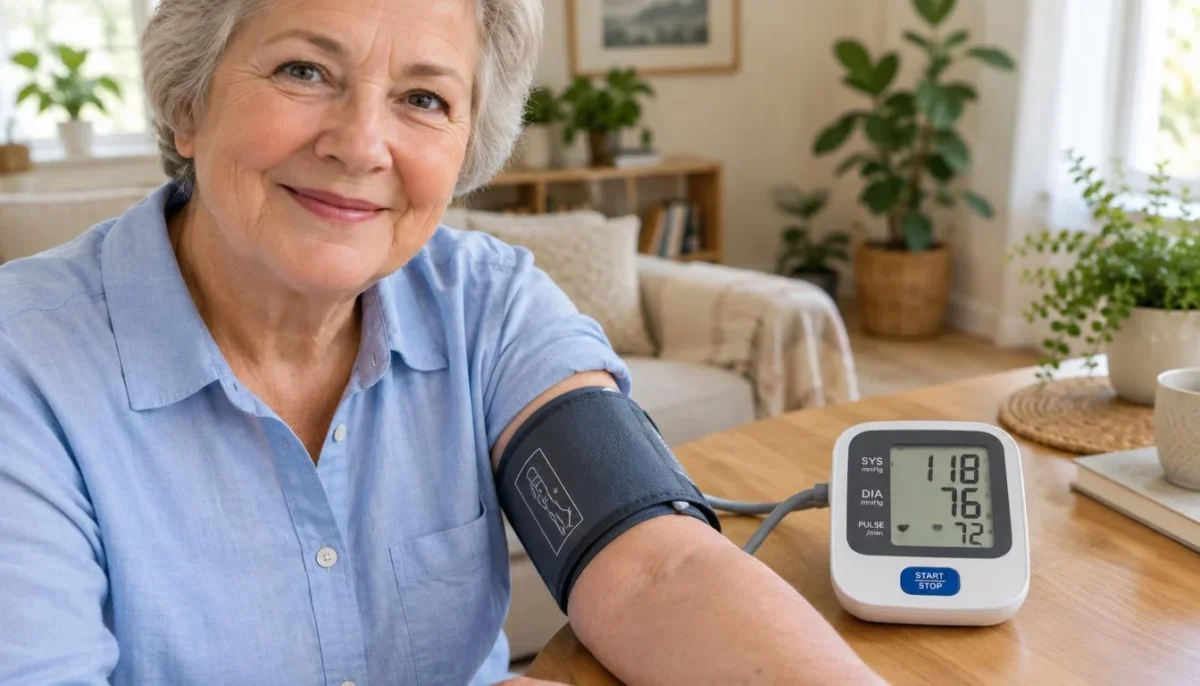
A reliable measurement begins before the monitor inflates the cuff. Small details like a full bladder, crossed legs, or a sleeve under the cuff can affect the result.
Avoid smoking, caffeine, and exercise for 30 minutes before taking blood pressure. Empty your bladder, then sit quietly for at least five minutes.
Get ready before the cuff goes on
Give yourself time to settle before you measure blood pressure. Sit in a quiet place, and avoid talking during the rest and the reading. If you feel rushed, pause and begin when you can sit comfortably.
Use this checklist before putting on the cuff:
- Timing: Avoid smoking, caffeine, and exercise for 30 minutes.
- Bathroom: Empty your bladder before the reading.
- Rest: Sit quietly for at least five minutes.
- Posture: Support your back and keep both feet flat.
- Cuff placement: Put it on your bare arm, just above the elbow bend.
Sit and position the arm correctly
Sit with your back supported and your legs uncrossed. Keep both feet flat on the floor. Support your bare arm on a flat surface at heart level.
Place the middle of the cuff at heart level, just above the bend of your elbow. Follow the monitor’s guide for the cuff’s position and tightness. Remove clothing from the arm rather than putting the cuff over it.
A tight rolled-up sleeve can press on your arm and distort a reading. If a sleeve will not stay clear of the cuff, take your arm out of it. With your posture and cuff set, follow the same measurement and recording routine each time.
How to Use Home Blood Pressure Monitoring Seniors Can Follow
Consistency matters more than taking extra readings at random times. A steady routine helps you compare blood pressure readings across each day.
At the start, measure at least twice a day: once in the morning and once in the evening. Take the morning reading before eating or taking medicine.
Take two or three readings in each session, waiting one to three minutes between them. Use the same arm and aim for similar times each day. If the monitor does not save results, write them in a blood pressure log.
Record these four details for each check:
- Date
- Time
- Each reading
- A brief note about relevant circumstances
Bring your monitor and log to appointments so your healthcare professional can review the results. Ask how often to measure once your readings are controlled. An irregular heartbeat can affect monitor accuracy, so ask your clinician for guidance if you have one.
A dated log makes it easier to understand what the numbers mean and decide what to discuss with the care team.
What Do Blood Pressure Numbers Mean for Adults?
A blood pressure reading has a top number and a bottom number, and either one can affect its category. The two numbers are measured in millimeters of mercury, or mm Hg.
A good blood pressure range for adults is generally below 120/80 mm Hg. Your healthcare professional may set a different goal based on your health.
Read the top and bottom numbers
Systolic pressure is the top number. It measures pressure in the arteries when the heart beats. Diastolic pressure is the bottom number, which measures pressure between heartbeats.
A result can fall into a higher category when either number reaches that range. For example, a systolic result may be high even when the diastolic number is lower. A single result does not confirm hypertension.
Compare readings with adult categories
| Category | Systolic | Diastolic | What to know |
|---|---|---|---|
| Normal | Less than 120 | Less than 80 | Normal category |
| Elevated | 120-129 | Less than 80 | Elevated category |
| Stage 1 hypertension | 130-139 | 80-89 | Either number can meet the range |
| Stage 2 hypertension | 140 or higher | 90 or higher | Either number can meet the range |
| Severe range | Higher than 180 | Higher than 120 | Follow urgent-response instructions; symptoms change the action |
These adult ranges help explain blood pressure levels, but they do not provide a diagnosis. Mild hypertension commonly means stage 1: systolic pressure of 130-139 or diastolic pressure of 80-89. Only a healthcare professional can confirm a diagnosis.
Repeated readings and your health history help put a result in context. If a result is unexpectedly high, respond calmly and follow a clear safety plan.
What Should You Do About a High or Unexpected Reading?
A single high result needs a careful repeat measurement, not a medication change made on your own. Stay calm and repeat the reading after at least one minute if it is above 180 systolic and/or 120 diastolic.
If the repeat reading remains above that level, contact a healthcare professional immediately. Call 911 if the high reading comes with any listed emergency symptom.
Call 911 for a reading above 180 systolic and/or 120 diastolic with chest pain, shortness of breath, back pain, numbness, weakness, vision changes, or difficulty speaking.
Use this symptom list when deciding whether emergency help is needed:
- Chest pain or shortness of breath
- Back pain, numbness, or weakness
- Vision changes or difficulty speaking
If you wonder, “why is my BP high but I feel ok,” remember that high blood pressure often has no noticeable symptoms. Feeling well does not rule out a high reading.
Use your log and contact the care team for guidance. For local support at home, Continu Care Home Health can help you explore care options.
Conclusion
A correctly fitted monitor and a steady record can help make home readings more useful in conversations with a healthcare professional. Keep your blood pressure log up to date, and bring it to appointments so your care team can review patterns with you.
Contact Continu Care Home Health to learn more about in-home care services or schedule a consultation for yourself or a loved one. Continu Care Home Health proudly serves patients and families throughout San Antonio and surrounding areas with compassionate, professional care delivered in the comfort of home.
Continu Care Home Health
(210) 734-6166
3201 Cherry Ridge C319, San Antonio, TX 78230
Call us if you need any help.
This arctcle is not medical advice. Please contact your Doctor before inplementing anythnig covered in this post.