What Training Does a Home Health Nurse Have?
Your mother needs help after surgery, but your family worries that asking about home health care means giving up her independence. That concern can keep people from learning what support might fit their needs. Home health provides skilled medical care, while home care helps with everyday tasks at home. The right option depends on a patient’s needs and eligibility. Homebound means generally unable to leave home without assistance, or able to leave only briefly with considerable and taxing effort.
These common assumptions can blur the difference between services and make choices feel harder. Clear facts can help you and your family ask useful questions without making a commitment.
Key Takeaways
- In-home support can include skilled medical care or everyday assistance.
- Payment depends on the service and eligibility rules.
- Agency quality and qualifications can vary.
- Support can help patients keep making daily choices.
- Family caregivers can work with trained professionals.
- A hospital stay is not the only way to start asking about care.
Start with cost, a common reason people assume care at home is out of reach.
Home Health Care Myths About Cost: Is Coverage Available?
Home health is not automatically an out-of-pocket expense. Medicare, Medicaid, and most private insurance may cover home health when the patient meets the payer’s eligibility rules and receives ordered services.
Coverage depends on both the payer’s requirements and the services ordered. Private home care is different, and families often pay for it themselves. The two services do not share one payment rule.
| Service | Typical purpose | Payment distinction |
|---|---|---|
| Home health | Skilled medical services | Possible Medicare, Medicaid, or private insurance coverage if eligible |
| Private home care | Help with everyday tasks | Often paid out of pocket |
| Home health eligibility | Payer and service requirements | Coverage is not automatic |
These differences matter when you compare health care choices. A plan that covers skilled services may treat private home care tasks differently, so the service name alone does not settle payment.
Ask the payer about benefits and eligibility for the specific services ordered. Do not assume that all in-home services receive the same payment.
Once cost seems less mysterious, the next question is whether care at home can meet sound quality and safety standards.
Myth: Home Health Care Is Lower Quality Than Facility Care
Home health can provide skilled care similar to care in a hospital or skilled nursing facility, though quality varies by agency. A home setting does not mean a patient must settle for lower standards.
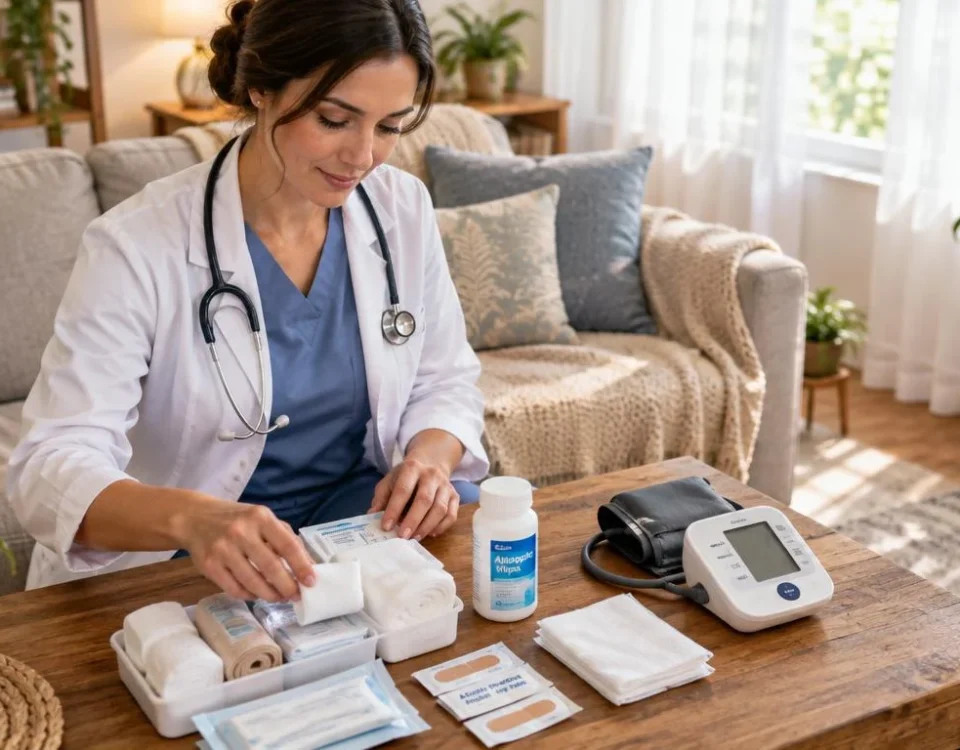
Check an agency’s qualifications and quality information before choosing care. A home health team can assess medication organization and ways to lower injury risks in the patient’s home.
What skilled professionals can assess at home
Skilled providers can review how the patient manages care between visits. They may notice a crowded walkway, unclear medication labels, or a bathroom setup that raises the risk of a fall.
These assessments connect clinical care with daily life. They can help the team and patient discuss practical changes that support safer routines.
How to check an agency’s quality and qualifications
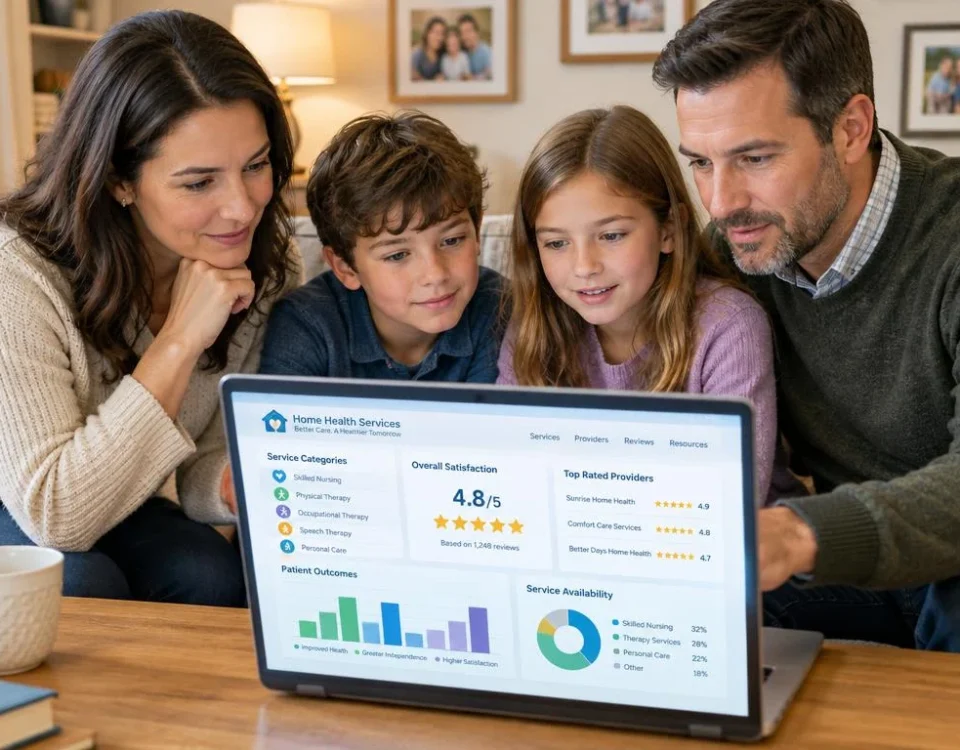
State licensure and Medicare certification help show that an agency meets federal health and safety requirements. They do not prove every agency delivers the same experience.
Use this short checklist when you compare providers:
- Confirm the agency holds a current state license.
- Check whether the agency has Medicare certification.
- Compare agencies through Medicare Care Compare.
Claims about hygiene myths are separate from questions about clinical care. Facts and myths about health, like claims from medical myth busters, deserve careful checks rather than broad assumptions about all providers.
Professional qualifications can answer some concerns, but they may not settle worries about independence, privacy, or welcoming someone into the home.
Myth: Accepting Help Means Losing Independence or Trusting a Stranger
A patient may accept help with bathing while still choosing what to wear and when to get dressed. Support can protect independence without taking over the patient’s choices.
The purpose of home health is to support safety and help patients remain independent at home. A team can share tools and tips that help a patient manage daily tasks safely, including after services end.
Myth: Home health takes away independence
Good planning starts with what the patient wants to keep doing. A therapist might suggest a tool or a safer way to move around, while the patient decides which changes feel useful.
These are not true myths about independence when support is planned around a patient’s goals. The patient can discuss routines, privacy, and which kinds of assistance feel welcome.
Myth: A caregiver in the home cannot be trusted
It is reasonable to feel cautious about a new person entering your home. Home health providers screen staff and offer ongoing training, but those steps cannot promise a perfect fit.
Trust often develops through clear communication and the first few visits. A professional may build rapport over time, and the patient can state boundaries about rooms, belongings, and preferred routines.
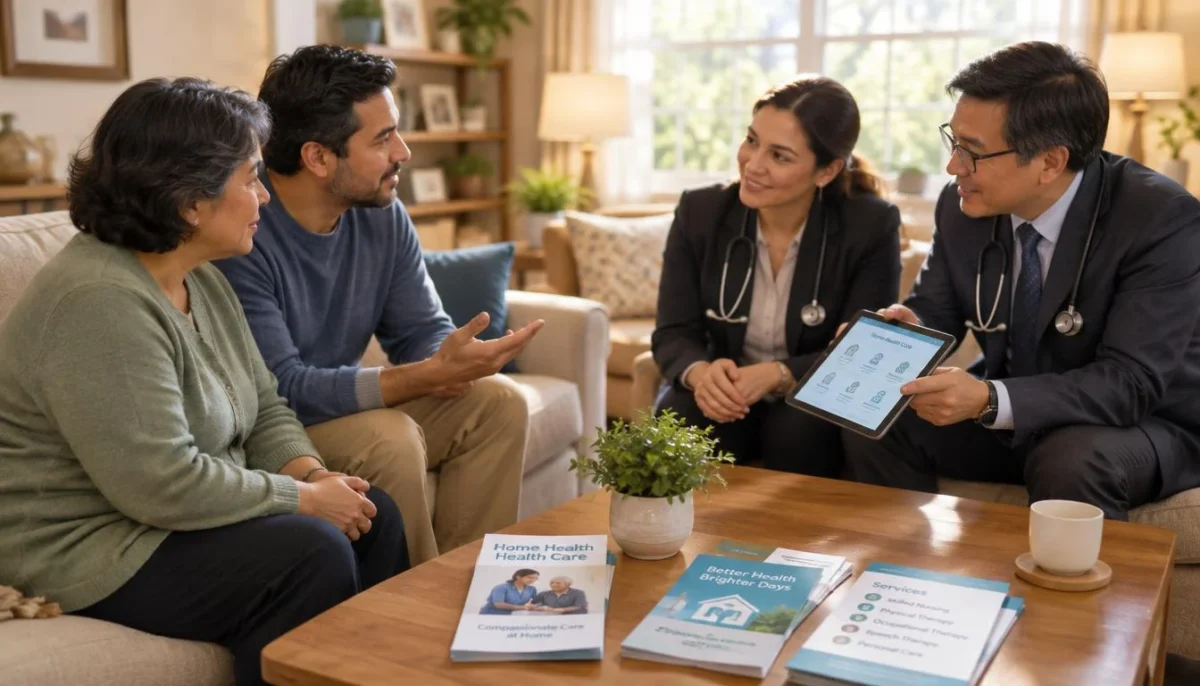
Common myths and misconceptions can be tested against how support is actually planned. Ask who will visit, what the visit will involve, and how the patient can share concerns.
Once you know who may come into the home, it helps to understand what professional care adds when family already helps.
Myth: Home Care and Home Health Are the Same Service

A nurse treating a wound provides skilled medical care, while an aide helping prepare a meal supports daily living. Those examples show why home care and home health are different services.
Home health focuses on skilled clinical services, while home care helps with everyday tasks. Home health professionals do not provide housekeeping, babysitting, or care for other family members.
| Service | Who provides it | Examples | Main focus |
|---|---|---|---|
| Home health | Skilled professionals such as nurses and therapists | Nursing or speech, occupational, and physical therapy | Skilled medical care |
| Home care | Home care aides or other nonmedical providers | Housekeeping, cooking, and personal care | Daily living assistance |
| Both | Separate qualified providers | Skilled services plus everyday task help | Support matched to separate needs |
Registered nurses and therapists may provide home health services. A patient may receive therapy without needing nursing care, if the patient meets the applicable requirements.
Receiving home care does not prevent a patient from also receiving home health when eligible. Each service addresses separate needs, so families can consider both forms of help.
Disproven myths about service types should not hide this practical difference. Understanding the services also helps families see how skilled care can support their own caregiving work.
Myth: A Family Caregiver Means You Do Not Need Home Health
A relative may manage meals and daily routines but lack training to treat a wound. Home health can add skilled support without replacing that family caregiver.
Family members remain important partners, while clinicians can handle tasks outside a relative’s training. Nurses may provide wound care, catheterization, and other skilled services that many family caregivers are not trained to perform.
Home health providers can also help family caregivers understand care needs and discuss strain with the team. Support may take several forms:
- Skilled wound care or catheterization.
- Instruction and education for the family caregiver.
- Added professional support when caregiving stress is building.
Caregiver burnout means physical or emotional exhaustion linked to the demands of ongoing caregiving. If you notice growing stress, tell the care team so you can discuss what support may help.
These debunked health claims are not medical diagnoses; they correct assumptions about professional support. A family caregiver’s work still matters, even when clinicians take on skilled tasks.
Home health may be an option for some people who have not recently left a hospital, though eligibility rules still apply.
Myth: You Must Be Very Sick, Bedbound, or Just Discharged
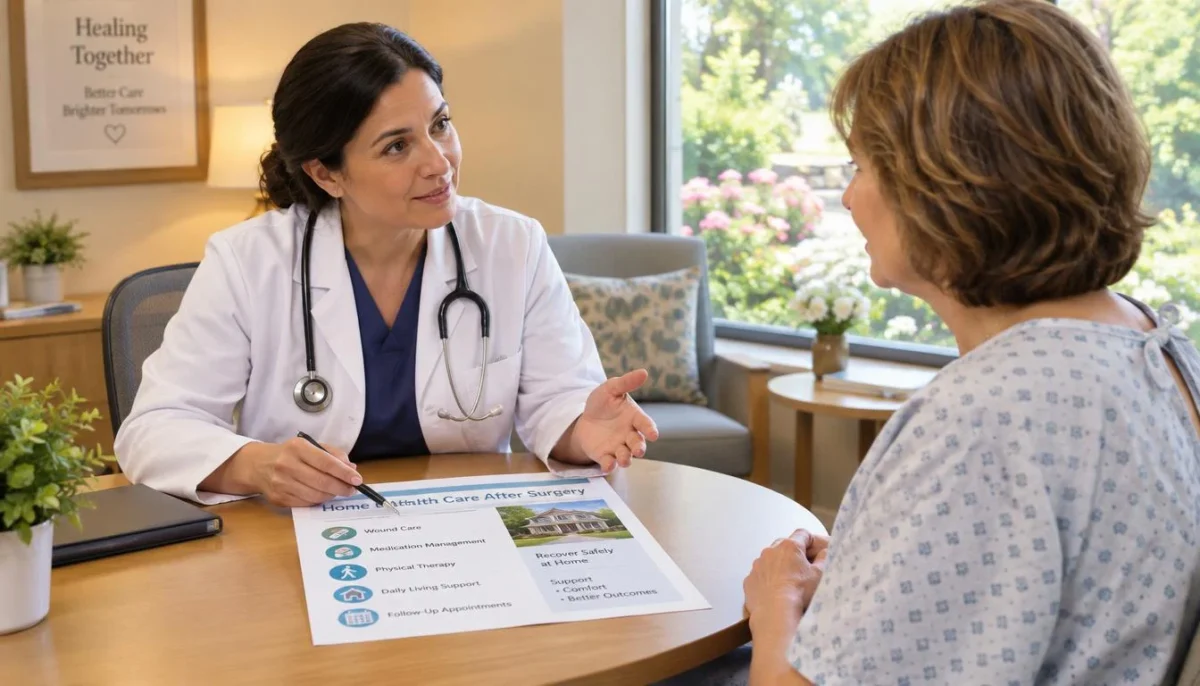
A hospital discharge is not required for a doctor to refer a potentially eligible patient for home health. A doctor may refer someone directly, including a person managing a chronic condition.
Eligibility depends on the patient’s situation and payer requirements, not on being bedbound or recently discharged alone. Home health can support recovery from surgery, illness, or injury, and some people with chronic conditions.
A hospital stay is not the only route to a referral
A patient does not need to leave a hospital or rehabilitation facility before asking about a referral. A doctor can assess whether skilled nursing or therapy may fit the patient’s needs.
Home health may include therapy without nursing care. Not being very sick does not automatically qualify or disqualify a patient.
Homebound does not mean bedbound
For Medicare, homebound generally means a patient cannot leave home without help, or can leave only briefly with considerable and taxing effort. It does not mean the patient cannot get out of bed.
A patient may leave home for brief periods and still meet this definition. Medical old wives’ tales cannot decide eligibility; the patient’s circumstances and payer rules do.
If you are unsure how these rules apply, ask a doctor about your situation and whether a referral may fit.
Conclusion
Getting information does not commit you or a loved one to a care plan. A conversation can help clarify which support may fit the patient’s needs and comfort.
Continu Care Home Health proudly serves patients and families throughout San Antonio and surrounding areas with compassionate, professional care delivered in the comfort of home. Contact Continu Care Home Health at (210) 734-6166 or visit 3201 Cherry Ridge C319, San Antonio, TX 78230.
Call us if you need any help. Contact us to learn more about in-home care services or schedule a consultation for yourself or a loved one.
This arctcle is not medical advice. Please contact your Doctor before inplementing anythnig covered in this post.