Skilled Nursing at Home: What San Antonio Patients Can Expect

5 Signs It’s Time to Consider Home Health Care in San Antonio

Choosing the right support for a loved one can feel overwhelming. You need clear differences so your family can make a safe, informed choice. This guide explains the clinical and non-clinical options and what each option typically provides.
Continu Care Home Health at 3201 Cherry Ridge C319 offers guidance and local resources. Call (210) 734-6166 to ask about skilled nursing, therapy, or daily assistance plans. Our team helps you weigh medical services against daily support so you pick the best path.
Start by listing your loved one’s medical needs and daily limits. From there, determine whether skilled clinical visits or routine help fits best. Knowing the differences protects your family and ensures the right level of care.
Key Takeaways
- Assess medical needs first; that drives the correct service choice.
- Clinical services offer skilled nursing and therapy; non-clinical aides handle daily tasks.
- Continu Care Home Health can guide families through local options.
- Call (210) 734-6166 for specific questions about services in your area.
- Document your loved one’s routine and medical requirements before deciding.
Understanding the Basics of In-Home Support
Understanding basic in‑home services helps you keep a loved one independent. In simple terms, nonmedical assistance helps with everyday tasks like bathing and dressing. This type of home care provides support so older adults can remain in their familiar place.
Many people use these services after surgery, with chronic conditions, or when disabilities limit mobility. Quality care provides steady support for daily activities and preserves dignity.
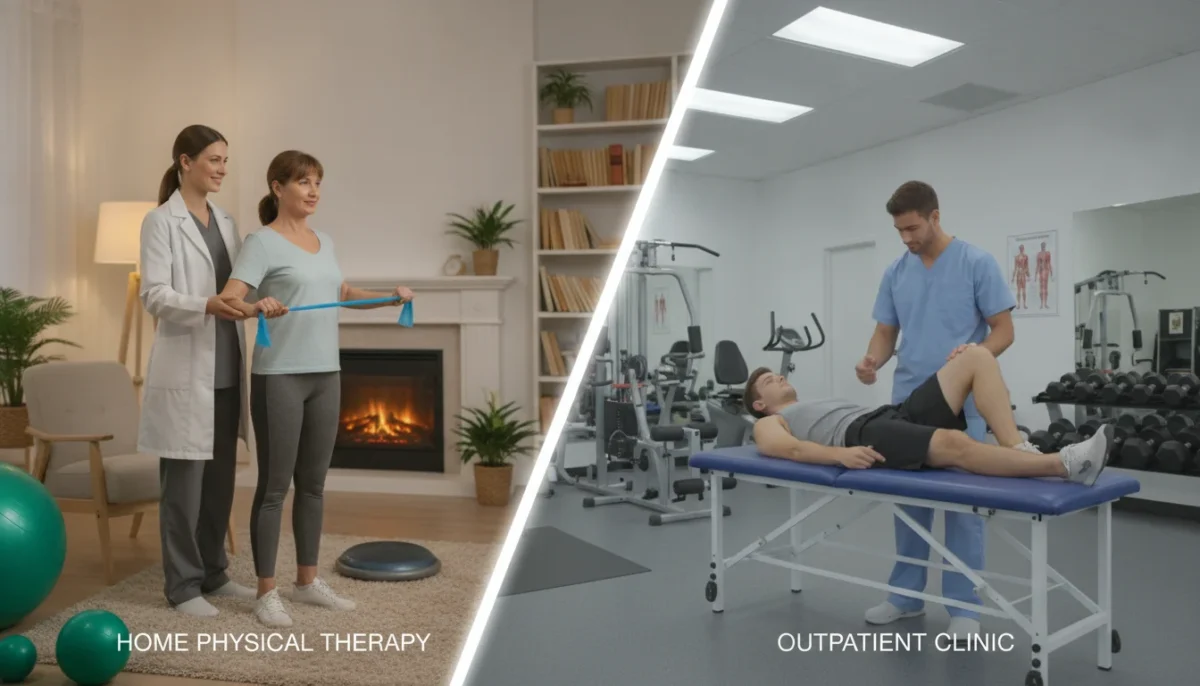
By contrast, home health care adds clinical oversight. Skilled nurses and therapists manage medications, wound care, and therapy plans. That clinical focus aims to improve outcomes and prevent rehospitalization.
- Nonclinical help keeps routines intact and assists with bathing and dressing.
- Clinical services deliver medical interventions, monitoring, and therapy.
- Combining both lets your loved one age in place with tailored support.
| Service Type | Main Focus | Typical Tasks |
|---|---|---|
| Nonmedical in‑home support | Independence and daily living | Bathing, dressing, meal prep, errands |
| Home health care | Clinical care and recovery | Nursing visits, therapy, medical monitoring |
| Combined plan | Comprehensive support | Daily assistance plus clinical oversight |
Defining Home Health vs Home Care San Antonio
Decide by matching services to specific medical and daily needs. Begin by listing tasks that require licensed clinicians and those that only need routine assistance.

Medical vs Non-Medical Focus
Home health care delivers clinical treatment from licensed nurses and therapists. These services—like skilled nursing, therapy, and medication management—usually start after a doctor’s order.
By contrast, home care offers nonclinical help. Professional caregivers assist with bathing, dressing, meal prep, and daily activities so a loved one can remain safe in place.
The Role of Professional Caregivers
- Home health care services are medical and often require physician authorization.
- Professional caregivers focus on personal support and household tasks.
- Insurance coverage often hinges on medical necessity and a doctor’s prescription.
| Service | Main Focus | Typical Tasks |
|---|---|---|
| Home health care | Clinical recovery | Skilled nursing, therapy, medication |
| Home care | Daily assistance | Bathing, dressing, errands |
| Combined | Integrated support | Clinical oversight + daily help |
Key Differences in Services and Clinical Care
Knowing which tasks need medical training and which need simple help makes choosing services easier. This section highlights what clinical teams do and what nonmedical aides provide so you can match support to needs.
Comparing Daily Living Assistance
Clinical care focuses on medical recovery. Certified professionals deliver wound care, medication administration, skilled nursing, and physical or occupational therapy as part of a prescribed doctor care plan.
Nonmedical support covers daily activities. Caregivers help with bathing, dressing, meal preparation, light housekeeping, and transportation so patients manage routines without clinical intervention.
- Medical services: wound care, medication management, therapy, regular monitoring.
- Daily living: bathing, dressing, meals, errands, companionship.
- Cost note: the national median cost for nonmedical help is about $34 per hour in 2026.
| Service | Main Focus | Typical Tasks |
|---|---|---|
| home health care | Clinical recovery | Skilled nursing, wound care, therapy |
| home care | Daily living | Meal prep, bathing, dressing, transport |
| Combined | Integrated support | Care plan + daily assistance |
Key point: home health care usually requires a doctor’s certification and may involve insurance, while nonmedical services are often private pay. Choose based on the care plan and the level of clinical oversight your loved one needs.
Eligibility Requirements and Insurance Coverage
Understanding who qualifies and what pays for services makes planning easier. Start by checking whether a prescribed doctor order and clinical need exist. That step often decides if insurance covers skilled visits.
Doctor Prescriptions
A patient must usually have a prescribed doctor order to receive home health care. Insurers look for documented need for skilled nursing or therapy before approving visits.
Medicare and Medicaid Guidelines
Medicare and Medicaid often cover home health care when medical necessity is clear. For example, Medicare may pay up to 20% for durable medical equipment approved in a care plan.
Private Pay Options
Nonclinical home care is frequently private pay or covered by long-term care insurance. Some Medicaid programs and certain policies may help with daily activities like bathing, dressing, and meal preparation.
- Tip: Ask your insurer for a written checklist of eligibility rules.
- Tip: Keep the care plan and doctor’s order handy to speed approvals.
| Payor | Typical Coverage | Notes |
|---|---|---|
| Medicare | Home health care visits, DME partial | Requires doctor order; DME ~20% out-of-pocket |
| Medicaid | Varies by state | May cover some nonclinical services |
| Private pay / LTC | Nonmedical home care | Long-term care policies may assist |
Building the Right Care Team for Your Loved One
Identify the specific tasks your loved one needs so you can assemble a team with the right skills. Start by listing medical needs and daily activities to make choices easier.
A skilled home health care team typically includes registered nurses, therapists, and medical social workers. These professionals offer nursing oversight, therapy sessions, and help with discharge planning so the patient recovers safely in familiar surroundings.
In contrast, a home care team is made up of professional caregivers who provide companionship and practical help. They handle meal preparation, medication reminders, light housekeeping, and other daily living assistance that supports independence.
- Select team members based on the medical and personal tasks you listed.
- Match nursing and therapy needs with clinical professionals.
- Choose caregivers for routine support like meals and medication prompts.
| Team Member | Role | Typical Tasks |
|---|---|---|
| Registered Nurse | Nursing oversight | Wound care, medication management |
| Therapist | Rehab | Physical and occupational therapy |
| Professional Caregiver | Daily support | Meal prep, errands, companionship |
Continu Care Home Health helps coordinate a multidisciplinary team so your family can build a safe, supportive care home environment. Whether you need clinical nursing or daily assistance, the right team promotes recovery and quality living.
Assessing Your Family Needs for Long-Term Support
Deciding long-term support starts with a simple checklist of needs and resources.
Begin by listing daily tasks, medical requirements, and the budget you can sustain. Note which activities require a licensed clinician and which need routine help.
Key questions include whether a doctor must certify ongoing visits and if insurance will cover skilled services. Some patients qualify for ongoing home health care when a doctor confirms continued need.
Nonclinical plans can continue as long as you want, limited only by budget and preferences. That flexibility makes private pay options useful for families who need long-term living support without repeated certifications.
Our team at Continu Care Home Health reviews your needs, compares insurance vs private pay, and helps build a sustainable plan. We guide families so each patient receives the right level of services.

- Evaluate medical vs nonmedical tasks.
- Confirm doctor certification when clinical visits are required.
- Review insurance limits and private pay options for long-term care.
| Decision Point | What to Check | Action |
|---|---|---|
| Medical need | Licensed clinician required? | Verify doctor order; review coverage |
| Daily support | Routine help only | Plan private pay or long-term policy |
| Budget | Monthly affordability | Adjust hours or mix services |
Conclusion
A careful review of functional limits and medical requirements will point you toward the best support option. Evaluate clinical needs, daily assistance, and your budget so the chosen plan supports safety and independence.
Continu Care Home Health offers professional guidance and can help you build a tailored team of nurses, therapists, and aides. Call (210) 734-6166 to schedule a consultation.
Continu Care Home Health proudly serves patients and families throughout San Antonio and surrounding areas from 3201 Cherry Ridge C319, San Antonio, TX 78230. Call us if you need any help.
This arctcle is not medical advice. Please contact your Doctor before inplementing anythnig covered in this post.