Congestive Heart Failure Warning Signs Every San Antonio Family Should Know

Supporting San Antonio Patients Living With Chronic Kidney Disease
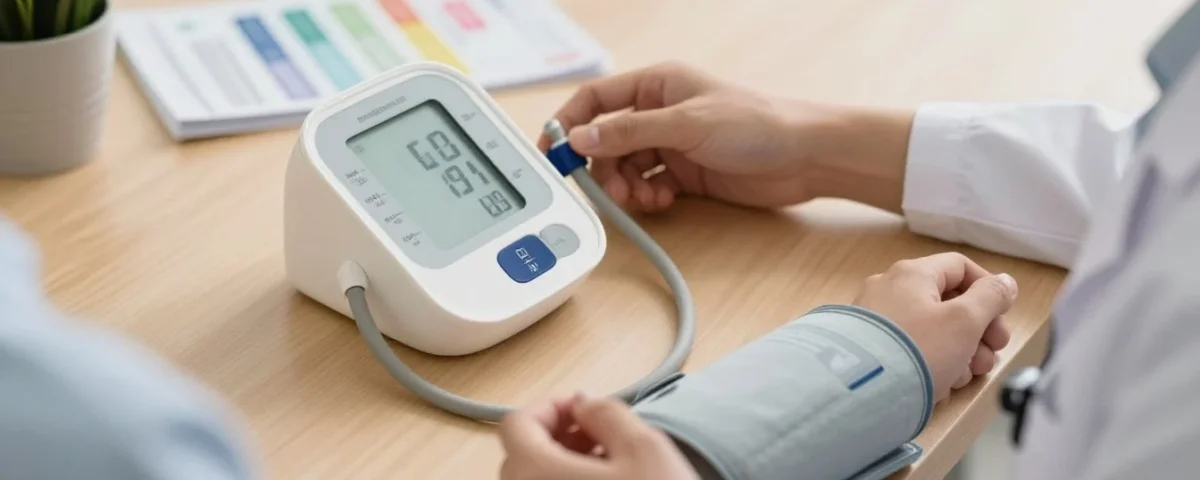
Your heart health matters, and taking small steps between visits can make a real difference. The CDC notes that high blood pressure played a role in many deaths nationwide in 2021. You do not need to wait for an appointment to act.
Simple daily efforts help you track and protect your cardiovascular system. Learn how routine checks, clear lifestyle choices, and stress control can lower blood pressure and reduce your long-term risk.
In San Antonio, residents can adopt steady changes that support lasting wellness. Spend a little time each day to monitor readings, record trends, and adjust habits. These things add up and keep your numbers more stable between doctor visits.
Key Takeaways
- Small, consistent changes can improve your blood pressure and overall health.
- Daily checks help you spot trends before your next visit.
- Reducing stress and improving lifestyle support heart and vascular health.
- Know your numbers and act quickly on concerning changes.
- Simple habits in San Antonio can lower blood and long-term risk.
Understanding Your Blood Pressure Health
Recognizing trends in your readings helps prevent silent damage to vital organs. Many people do not realize their condition until a clinician gives them specific information. The Centers for Disease Control and Prevention reports that only about one in four adults with uncontrolled hypertension have it under control.
Numbers matter. Research shows differences across groups: roughly half of men and fewer women have elevated readings, while Black adults show higher rates compared with white adults. These patterns affect your personal risk for heart disease and stroke.
Uncontrolled high blood pressure contributed to over 691,000 deaths in 2021. Regular tracking of blood pressure readings helps you and your medical team spot trends early. That early action reduces the chance of long-term damage to organs.
- High blood pressure is often silent; get routine checks.
- Share trends with your clinician to guide treatment.
- Stay aware: lifestyle choices influence your cardiovascular life span.
Managing High Blood Pressure at Home Through Diet
Simple food swaps can ease strain on your vessels and support heart health. The DASH and Mediterranean-style plans both focus on fruits, vegetables, whole grains, and lean proteins. These patterns help lower blood pressure and protect your arteries over time.
Sodium Reduction
Too much salt causes your body to hold water. That extra fluid forces kidneys and vessels to work harder and raises your readings.
Cut back by reading labels, limiting processed foods, and using herbs or citrus instead of salt. Cooking from scratch gives you control and helps lower high blood gradually.
Heart-Healthy Food Choices
Choose whole grains, seeds, and fatty fish. Eat more vegetables and fruits daily. These foods supply potassium, fiber, and healthy fats that help keep vessels flexible.
- Prioritize lean proteins like poultry or beans.
- Replace refined carbs with whole-grain options.
- Snack on nuts or fresh produce instead of salty chips.
A balanced diet is one of the most effective ways to reduce your risk of heart disease and stroke. Small, consistent changes each day add up and help keep your numbers steadier between visits.
The Role of Physical Activity in Heart Health
Even modest exercise improves circulation and helps keep your readings steadier between visits.
Aim for consistency. The U.S. Department of Health and Human Services recommends 150 minutes of moderate activity each week. That routine helps strengthen your heart and blood vessels.
You do not need intense workouts to see benefits. Thirty minutes of brisk walking most days can help lower blood pressure and improve how your body pumps blood.

- 150 minutes of moderate activity weekly supports heart health and vessel function.
- Regular exercise is a proven lifestyle step that can reduce risk of heart disease.
- The American Heart Association notes quitting smoking lowers heart rate and pressure within hours.
- Staying active prevents conditions that force the heart to work harder over time.
Make it practical: break activity into short walks, use stairs, or try cycling. These small moves add up and help keep your readings in a healthier range.
Maintaining a Healthy Weight for Cardiovascular Wellness
Keeping your weight within a healthy range reduces strain on the heart and helps stabilize readings over time. Small, steady changes to activity and food choices make a big difference for your circulation.
Understanding BMI and Waist Measurements
Two simple measures give you practical insight: BMI and waist size. BMI estimates body fat using height and weight. Waist measurements indicate abdominal fat, which links closely to heart outcomes.
Men with a waist of 40 inches or more, and women with 35 inches or more, face an increased risk of high blood pressure. Monitor both numbers and share trends with your clinician.
| Measure | Healthy range | Increased risk threshold |
|---|---|---|
| BMI | 18.5–24.9 | 25.0 and above |
| Waist (men) | <40 in | ≥40 in |
| Waist (women) | <35 in | ≥35 in |
Why this matters: Maintaining a healthy weight lowers your risk of high blood pressure and reduces strain on vessels. Lifestyle changes that you can sustain will help keep your blood pressure more stable and protect long-term health.
Strategies for Reducing Stress and Improving Sleep
Small changes to your nightly routine can make a big difference in how your body handles pressure. Focus on stress reduction and better rest to support steady readings and lower long-term risk.
Mindfulness Techniques
Short, regular practice helps you calm the nervous system and cut the impact of daily stress. Try five minutes of deep breathing three times a day to lower tension and steady blood pressure.
If stress leads you to skip healthy choices or reach for alcohol, seek help early. Talking with a counselor or using guided apps can keep habits in check and prevent them from raising blood pressure over time.
Creating a Restful Environment
Set a regular sleep schedule and aim for 7 to 9 hours each night. Good sleep helps your body recover and keeps readings nearer to normal across the day.
- Avoid screens 60 minutes before bed to improve sleep quality.
- Keep the bedroom cool, dark, and quiet to reduce awakenings.
- Limit late-night alcohol, which can fragment sleep and raise blood pressure.
Prioritize sleep and simple stress tools. These lifestyle steps reduce stress, support heart health, and lower the chance that your readings will spike between visits.
Limiting Alcohol and Tobacco for Better Circulation
Your drinking and smoking habits directly affect how easily blood flows through your body.
Keep alcohol within safe limits. Aim for no more than 14 units a week—about six medium glasses of wine or six pints of beer. Sticking to this limit helps protect your blood vessels and prevents spikes in blood pressure that can raise your risk of heart disease and stroke.
Quit tobacco to help your circulation now. Smoking makes vessels constrict, forcing your heart to work harder and causing an almost immediate rise in pressure. The American Heart Association notes that stopping smoking improves circulation quickly and lowers the risk of stroke and heart disease.
- Limiting alcohol to 14 units weekly reduces sudden rises in blood pressure and strain on vessels.
- Quitting tobacco prevents vessel constriction so your heart pumps more efficiently through your body.
- Many people who cut back on alcohol and tobacco see measurable drops in blood readings and long-term risk.

| Action | Effect on circulation | Impact on risk |
|---|---|---|
| Limit alcohol (≤14 units/week) | Reduces sudden pressure spikes | Lowers risk of heart disease and stroke |
| Quit tobacco | Stops vessel constriction quickly | Improves circulation; cuts stroke risk |
| Both combined | Supports steady readings and healthier vessels | Significantly reduces long-term cardiovascular risk |
Importance of Consistent Medication Adherence
Taking your medication at the same time each day helps keep your blood pressure steady and prevents dangerous spikes.
Consistency matters. When you follow a fixed schedule, your blood vessels stay more relaxed and your heart works more efficiently. Small daily routines make a big difference over weeks and months.
Set a reminder on your phone or link your pills to a regular event, like breakfast or bedtime. These small changes help lower blood pressure and reduce sudden health complications.
If you have questions about how a prescription works to lower high blood pressure, talk with your clinician. They can confirm timing, dose, and side effects so your plan fits your life.
- Stick to the same time each day to support steady readings.
- Report missed doses or side effects to your clinician promptly.
- Staying on track protects your heart and long-term health.
Tracking Your Readings Outside the Doctor Office
Using validated tools makes the readings you collect useful and trustworthy for care. Regular checks give you clear information to share with your clinician between visits.
Selecting Validated Monitoring Devices
The U.S. Blood Pressure Validated Device Listing (VDL) lists models tested for clinical accuracy. Choose a device from that list to ensure readings reflect your true status.
- Using a validated blood pressure monitor lets you gather accurate information about your heart and circulation.
- The American Heart Association supports self-measured readings to help keep your numbers consistent and shareable.
- Confirm a pressure monitor appears on the VDL so it works well across common conditions.
- Regular tracking empowers you and gives your doctor valuable data for treatment decisions.
- With reliable devices, you can monitor progress and make informed lifestyle and care choices.
Conclusion
Consistent habits — sleep, healthy weight, and regular tracking — give you control over your heart and readings. Use simple lifestyle changes each day to help lower blood pressure and reduce your risk of heart disease and stroke.
Small things matter: take medications on time, log numbers, and aim for good sleep each night. Tracking trends gives you useful information to share with your clinician.
If you or a loved one need support, contact Continu Care Home Health for in‑home services and consultations in San Antonio. Call (210) 734-6166 or visit 3201 Cherry Ridge C319, San Antonio, TX 78230.
This article is not medical advice. Please contact your doctor before implementing anything covered in this post.