Respite Care Options for Exhausted San Antonio Caregivers

Managing Diabetes and Heart Disease at Home in San Antonio

Welcoming a medical professional into your San Antonio residence can feel overwhelming. Continu Care Home Health helps you make this first meeting calm and focused so the clinical time is productive.
Simple steps — like clearing clutter, gathering medications, and choosing a quiet spot — let the visiting nurse spend energy on direct care instead of searching for supplies. This attention boosts assessment accuracy and speeds planning.
When you organize the space and have one family member available, the team can learn daily routines and medical history with ease. That collaboration builds trust and creates peace mind during an important transition.
Key Takeaways
- Clear paths and supplies so the clinician can focus on care.
- Keep medications and records handy to improve assessment speed.
- Have one family member present to share routines and history.
- Small steps at the start lead to better long-term health outcomes.
- Continu Care Home Health provides professional support in San Antonio.
Understanding the Role of Home Health Services
Home health brings skilled medical care into your residence so you can recover in familiar surroundings.
Skilled nurses and therapists deliver targeted treatments, monitor progress, and teach family members how to support daily needs.
These services coordinate closely with your physician. That teamwork ensures the care plan is followed and adjusted when needed.
Agencies like Continu Care Home Health bridge the gap between hospital discharge and full recovery. They focus on continuity, safety, and clinical excellence.
- Registered nurses provide specialized nursing care for complex medical needs.
- Care services are designed to prevent unnecessary readmissions and improve outcomes.
- Your care team manages medications, therapy goals, and communication with providers.
Understanding these roles helps you use services wisely and keeps everyone aligned on goals. When clinical skill meets compassion, recovery becomes more manageable and secure.
Preparing for a Home Health Nurse Visit
Kick off the first clinical visit by having documents and medications within easy reach.
The first visit usually happens within 24 to 48 hours after discharge. The visiting nurse will do a full assessment of the patient’s condition and daily needs during this time.
Gather current medication lists, recent discharge papers, and any device instructions. Clear a safe, quiet space so the clinician can work without distraction.
- Allow the visiting nurse time to review records and discuss the care plan with your family.
- Have one family member present to share medical history and daily routines.
- Ask questions about services, follow-up visits, and coordination with the physician.
Continu Care Home Health prioritizes this first meeting to align the team and tailor services to your loved one. By readying the space and paperwork, you let nurses focus on nursing tasks that support recovery and build confidence in the plan.
Conducting a Room by Room Safety Audit
A simple audit helps you spot risks before clinical care begins. A room-by-room check reduces trips and lets your team focus on recovery.
Identifying Trip Hazards
Start by scanning floors and walkways for loose rugs, cords, or small obstacles. These items often cause falls in daily life.
Clear pathways where the patient moves most, and remove extra furniture that blocks access to the bedroom and bathroom.
Addressing Stairway Safety
Ensure railings are secure and stairs are well-lit. Good lighting and clutter-free steps cut fall risk dramatically.
Our nurses spot hazards during their first visit and suggest fixes that do not require major renovations.
- Conduct a full room audit to prevent falls and improve home safety.
- Keep pathways open for walkers or wheelchairs.
- Review stairs, lighting, and loose floor coverings regularly.
| Area | Common Hazard | Simple Fix |
|---|---|---|
| Living Room | Loose rugs, cords | Secure rugs, route cords along walls |
| Hallways | Clutter, narrow clearance | Remove extra furniture, widen pathways |
| Stairway | Poor lighting, unstable rail | Install lights, tighten or add railings |
| Bathroom | Wet floors, slippery mats | Use non-slip mats, add grab bars |
Clearing Pathways for Mobility Aids
Clear walking paths let mobility aids move freely and keep daily care tasks efficient.
Open routes help patients who use walkers, canes, or wheelchairs move with confidence. You should remove clutter from hallways and tight spots to lower fall risk and speed routine tasks.
Rearrange furniture to create wider lanes. Secure electrical cords along walls so they do not become trip hazards. Store frequently used items at waist or chest height to limit bending and reaching.
When paths are clear, our nurses can reach the patient quickly and perform nursing tasks with less interruption. This improves the quality of the care we deliver and helps sustain patient independence.
- Widen paths to fit walkers and wheelchairs.
- Remove small rugs and loose objects from corridors.
- Keep essential items within easy reach at arm level.
| Area | Common Obstacle | Quick Action | Benefit |
|---|---|---|---|
| Hallway | Stacked boxes | Relocate to closet or shelf | Clear path for walker |
| Living Room | Crowded chairs | Reposition to create lane | Easier transfers |
| Bedroom | Low tables, cords | Move tables; secure cords | Safer bedside access |
| Bathroom | Storage on floor | Use wall or shelf storage | Reduced slip risk |
Continu Care Home Health offers guidance to adapt your living space. Our services focus on safety, independence, and respectful care while serving San Antonio families.
Optimizing Lighting for Better Visibility
Bright, well-placed lights turn risky pathways into safe routes for older adults. Good illumination helps you spot obstacles and supports safer mobility during day and night.
Small changes — like swapping bulbs and adding nightlights — yield big gains in safety and independence. Our team recommends brighter bulbs in overhead fixtures and lamps to reduce shadows and improve contrast.
Installing Motion Sensor Lighting
Motion sensor lighting is especially useful for late-night trips to the bathroom. It lights the path immediately, so patients do not fumble in the dark.
- Place nightlights in hallways, stairwells, and bathrooms to guide movement.
- Choose motion sensors with adjustable timers and sensitivity.
- Ensure switches are reachable from the room entrance and bedside.
Continu Care Home Health nurses can suggest placements and device types that fit your needs. Proper lighting is a core element of quality care and helps reduce fall risk.
| Location | Recommended Fix | Primary Benefit |
|---|---|---|
| Hallway | Motion sensor strips or nightlights | Instant pathway illumination |
| Bathroom | Bright overhead bulb + sensor light | Safer transfers at night |
| Stairwell | Mounted motion lights with long timers | Reduced fall risk on steps |
Creating a Dedicated Care Station
A clear, central station brings order to medication schedules and wound management. Set aside one tidy area in your home where essential supplies live together. This saves time and lowers the risk of errors.
Setting Up Medication Organizers
Use a labeled pill sorter and a written schedule that lists doses and times. Keep current medication lists and an easy-to-read plan at the station.
Stocking Vital Sign Equipment
Include a digital blood pressure monitor, thermometer, and pulse oximeter. Store spare batteries and simple instructions nearby so nurses can check vitals quickly.
- Designate one spot for wound care supplies to speed treatment.
- Keep a notebook to log symptoms, questions, and changes over time.
- Organize items by use so nurses and family can follow the plan without delay.
| Item | Example | Primary Benefit |
|---|---|---|
| Medication Organizer | 7-day pill box with AM/PM slots | Reduces missed or double doses |
| Written Schedule | Printed medication and wound care plan | Clarifies timing and responsibilities |
| Vital Signs Kit | BP cuff, thermometer, pulse oximeter | Quick monitoring and documentation |
| Notebook | Bound log book | Tracks symptoms and questions |
Continu Care Home Health nurses can help you set up and maintain this station. A well-organized area supports nursing tasks, improves management, and meets patient needs efficiently.
Organizing Essential Medical Documentation
Make one accessible packet that holds discharge papers, current medications, and doctor contact numbers. Keep it in a visible spot so any household member can hand it to the clinical team quickly.
Include a clear medical history and allergy list in the packet. Accurate notes let our nurses tailor care and avoid delays during the first encounter.
Keep a printed medication list and any device or wound instructions together. Add your physician’s phone and an emergency contact sheet.
- Store hospital discharge forms and recent test results in the folder.
- Keep an up-to-date medications list with dosages and times.
- Log phone calls with the care team to track instructions and changes.
Well-organized records improve nursing management and continuity of care. When information is ready, your clinical team spends time treating rather than searching. Continu Care Home Health relies on these documents to deliver safe, efficient nursing and to support your active role in recovery.
Preparing the Bedroom for Recovery
A bedroom arranged with accessibility and clear space sets the tone for safer, more effective daily care.
Start by assessing whether the bed should be moved to the first floor if stairs are difficult. Placing the bed on one level improves access and reduces fall risk for both the patient and the clinical team.
Arranging Bedside Essentials
Leave at least 36 inches of clearance on one side so nurses can move and complete tasks without strain.
Keep water, a phone, current meds, and glasses within easy reach to support independence and timely care.
- Add a bedside lamp with a large switch to improve night visibility.
- Use a small table or organizer to group supplies and a written medication list.
- Ask Continu Care Home Health nurses for layout tips that match your loved one’s needs.
| Item | Why it helps | Quick tip |
|---|---|---|
| Bed on first floor | Improves access | Reduce stair use |
| 36″ clearance | Allows safe care tasks | Move extra furniture |
| Bedside lamp | Better night safety | Choose rocker switch |
Creating a calm, reachable bedroom supports recovery, respects personal space, and helps your local nurses deliver consistent, professional care.
Enhancing Bathroom Safety
Simple bathroom modifications let your clinical team work with confidence and reduce injuries. Bathrooms are one of the most common places for falls, so targeted changes matter.
Install grab bars near the toilet and inside the shower to give steady support when standing or transferring. Use non-slip mats both inside and outside the shower and add a sturdy shower chair to make bathing safer and more comfortable.
Keep toiletries within easy reach to avoid bending or stretching. Clear floors of loose rugs and cords so movement is smooth when your care team arrives.
- Enhancing bathroom safety is a top priority because falls often occur here.
- Grab bars, non-slip mats, and a shower chair reduce injury risk during bathing.
- Continu Care Home Health can assess your space and recommend specific fixes.
| Item | Why it helps | Quick tip |
|---|---|---|
| Grab bars | Provide steady support when standing or transferring | Install near toilet and in shower at reachable height |
| Non-slip mats | Reduce slipping on wet surfaces | Use textured mats inside and outside the shower |
| Shower chair | Allows safe, seated bathing for limited mobility | Choose a sturdy, height-adjustable model |
Our nurses perform a quick bathroom assessment and suggest practical, low-cost changes. These small steps improve safety and let your nursing team deliver calmer, more effective care.
Managing Pets and Entry Points
A calm entry and controlled pets help our team begin visits without delay or distraction. Secure animals in a separate room so they do not startle staff or interfere with equipment.
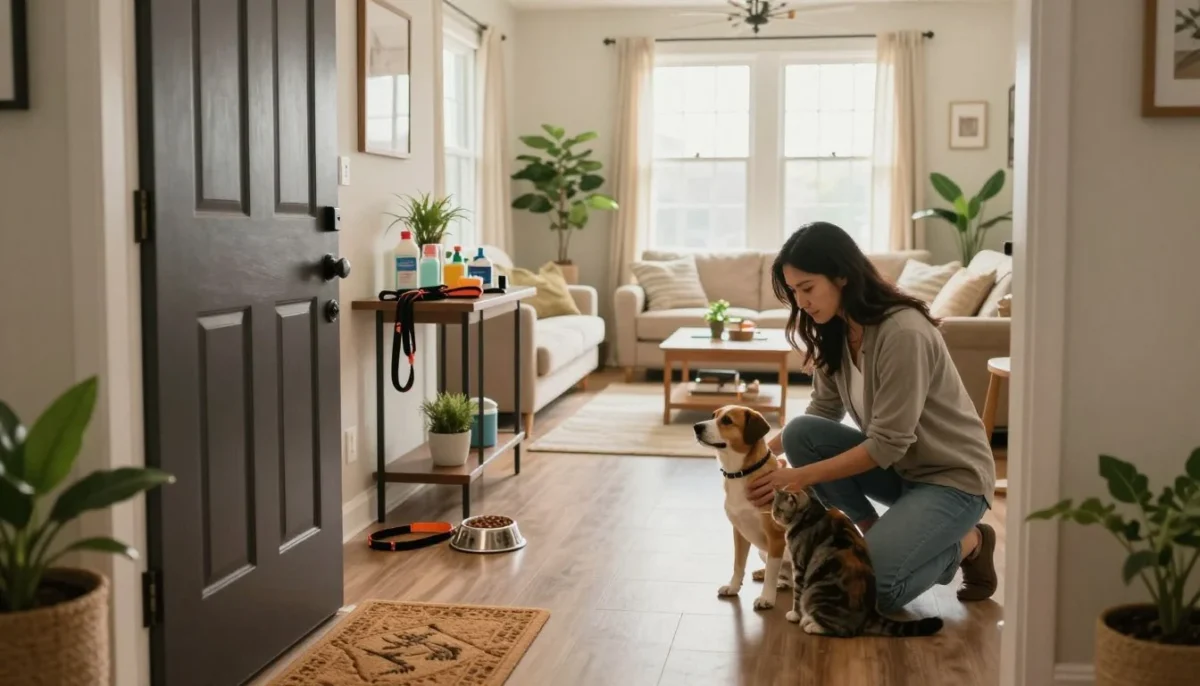
Clear signs and quick access make a big difference when our clinicians arrive. Ensure your house number is visible from the street so the team can find you fast, especially in an emergency.
- Keep pets contained during scheduled visits to prevent accidents and reduce noise.
- Place a short list of emergency contacts by the front door so staff can call family members quickly.
- Unlock gates or leave entry codes ready so services start on time and proceed smoothly.
| Action | Why it helps | Quick tip |
|---|---|---|
| Secure pets | Reduces distraction and risk | Use a crate or separate room |
| Visible house number | Speeds arrival in emergencies | Place reflective numbers near driveway |
| Emergency contact list | Allows fast communication | Keep printed list by the door |
Continu Care Home Health values your cooperation. By readying entry points you help our team deliver reliable services and timely visits in San Antonio. If you have questions, call us at (210) 734-6166.
Establishing a Communication Plan
Assign one primary family member to be the main point of contact. This reduces mixed messages and makes coordinating care simple.
Keep a ready list of your doctor names and phone numbers in a visible spot. The clinician can review contacts quickly and call the right office when needed.
Use a shared phone log or small notebook to record updates, questions, and medication changes. That record helps you track what the doctor said and when follow-up is needed.
- Choose one contact: one family member to relay updates to the care team.
- List doctors: include doctor names and phone numbers for fast coordination.
- Keep notes: use a phone log to track calls, instructions, and next steps.
| Role | What to record | Quick tip |
|---|---|---|
| Primary contact | Who speaks to clinicians | Choose a reliable family member |
| Doctor list | Names + phone numbers | Keep on the care station |
| Phone log | Call times and notes | Update after each call |
Continu Care Home Health supports clear, consistent communication. If you need help setting up your plan, call us at (210) 734-6166.
Supporting Your Loved One Emotionally
Small gestures—listening, privacy, and respect—make the biggest difference when care starts.
Emotional support matters as much as clinical tasks. It is normal for patients to feel nervous or uncomfortable when a new clinician arrives. Ask the person what calms them and honor those requests.
Encourage family members to set clear expectations and protect privacy during personal tasks. Respecting independence helps reduce anxiety and supports dignity while staff provide care.
- Offer gentle reassurance and keep explanations simple.
- Limit crowded rooms so the patient feels secure.
- Assign one family contact to share updates and preferences.
| Action | Why it helps | Quick tip |
|---|---|---|
| Ask comfort preferences | Reduces stress and builds trust | Write favorites at the care station |
| Respect privacy | Protects dignity during personal tasks | Close doors and limit observers |
| Offer caregiver breaks | Prevents burnout and maintains patience | Schedule short rest times each day |
| Share emotional needs | Helps team tailor support to condition | Tell the nurse any fears or triggers |
Our Continu Care Home Health team supports patients and families across San Antonio. If you worry about emotional well-being, call (210) 734-6166 so we can help meet both physical and emotional needs.
Coordinating with Your Healthcare Team
Consistent reporting of symptoms and trends helps the clinical team act quickly and confidently. Your input makes a real difference in how doctors adjust care.
Our nurses act as the eyes and ears for your doctor. They note changes, carry out new orders, and update the wider team so treatment stays on track.
Coordinating with your team is vital to get effective, timely care. Keep clear notes and share new symptoms or medication changes right away.
- Report changes to the nurses so doctors receive accurate updates.
- Ask the team to summarize changes and next steps in plain language.
- Keep one family contact who will relay key information to clinicians.
| Role | Action | Benefit |
|---|---|---|
| Family member | Record symptoms and questions | Faster problem recognition |
| Nurses | Report changes to doctors | Timely care adjustments |
| Doctor | Review reports and update orders | Accurate, responsive plan |
Continu Care Home Health helps simplify coordination and stays connected with your medical providers. If you have questions about how we work with your doctor, call (210) 734-6166.
Understanding the First Week of Care
The first seven days are a critical window where the clinical team builds an accurate picture of needs. This week sets the foundation for your loved one’s recovery and long-term care plan.
The Initial Assessment Visit
The initial assessment often lasts 60–90 minutes. During this time, our nurses complete the OASIS-E2 assessment to capture medical history, functional status, and wound needs.
The visit guides the tailored care plan and identifies therapy, wound care, or equipment needs. Ask questions—this is the best time to clarify goals and next steps.
Medication Reconciliation
Medication reconciliation is a priority in week one. The nurse reviews prescriptions, over-the-counter drugs, and supplements to prevent errors and interactions.
Accurate lists help the team coordinate with your doctor and reduce the risk of readmission. Keep one up-to-date medication list at the care station.
Family Teaching Sessions
Family teaching equips you with the skills to manage wound care, monitor symptoms, and handle emergencies. Sessions are practical, hands-on, and focused on your needs.
Our goal is to empower families so daily care is safer and more confident. Continu Care Home Health provides clear instructions and written steps to support your role.
- Why it matters: Week one establishes monitoring, therapy needs, and the care plan.
- What to expect: thorough assessment, medication checks, and family education.
- Ask: any questions about medications, wound care, or follow-up visits.
Contacting Continu Care Home Health for Support
Reach out to Continu Care Home Health to discuss personalized plans, wound care, medication management, and therapy options.

If you have questions about services, timing, or specific conditions, our team answers quickly by phone and in person.
- If you are ready to bring professional home health services into your home, Continu Care Home Health is here to provide the support you need.
- Our dedicated nurses and therapists deliver wound care, medication management, and therapy as part of tailored care plans.
- We serve patients and families across San Antonio and surrounding areas with safety and independence as priorities.
| Contact | Phone | Address |
|---|---|---|
| Continu Care Home Health | (210) 734-6166 | 3201 Cherry Ridge C319, San Antonio, TX 78230 |
Call us if you need help arranging visits, coordinating with your doctor, or managing nursing tasks. Our staff will explain services, answer frequently asked questions, and build a plan that fits your time and needs.
This arctcle is not medical advice. Please contact your Doctor before inplementing anythnig covered in this post.
To learn more or to schedule a consultation, contact Continu Care Home Health at (210) 734-6166. We proudly serve patients and families throughout San Antonio and nearby areas. Call us if you need any help.
Conclusion
Simple, thoughtful steps at the start make clinical time more efficient and reassuring. A tidy space and easy-to-find records let your team focus on care and clear goals. This approach supports better outcomes and calmer interactions.
During the first days, expect the nurse to assess needs, reconcile medications, and teach essential tasks. Your attention to small details speeds those actions and reduces stress.
Keep one family contact to share updates and keep supplies organized. Clear communication helps the team act quickly and keeps everyone aligned.
If you need extra support, contact Continu Care. We provide professional home health services and practical, local support to help your loved one recover with dignity.