
What Makes a San Antonio Home Ready for Aging in Place

Understanding the Hospital Discharge Process in San Antonio

Continu Care Home Health brings clear, practical tips to help you stay well as warm weather approaches. The CDC notes that people 65 and older face a higher risk of heat-related health issues because the body becomes less efficient at regulating temperature.
You will learn how to watch local temperatures, plan your day, and keep plenty of water on hand. These steps reduce risk and protect your health during periods of high temperatures and strong sun.
Our team encourages a proactive approach. By adjusting routines and knowing warning signs, you can enjoy warm days with greater confidence. Keep these tips close and reach out to Continu Care Home Health when you need support.
Key Takeaways
- Older adults face greater risk from prolonged heat; stay informed on local temperature forecasts.
- Drink water regularly and avoid outdoor activity during the hottest time of day.
- Recognize how your body reacts to high temperatures and act fast on warning signs.
- Plan daily routines to limit sun exposure and reduce strain from hot weather.
- Continu Care Home Health provides guidance and support to help protect your health.
Understanding the Risks of San Antonio Summer Heat Safety Seniors
Understanding risk starts with knowing how your body changes with age. As you get older, your ability to regulate body temperature shifts. That makes you more vulnerable when temperatures rise.
Physiological Changes in Older Adults
Your circulation and sweat response slow down as part of normal aging. Reduced sweating and slower blood flow limit cooling. These changes can let temperature climb quickly and raise the risk of heat-related illnesses like heat exhaustion and heat stroke.
Chronic Health Factors and Medication Interactions
Chronic medical conditions such as heart disease can interfere with cooling. Some medicines, especially diuretics and certain blood pressure drugs, reduce fluid balance or heavy sweating. That makes dehydration and cramps more likely when humidity is high.
- Key facts: Continu Care Home Health notes a surge in deaths among people 65+ and nearly 600 U.S. fatalities each summer from heat and humidity.
- Watch for early warning signs: pale or dry skin, dizziness, excessive cramps, or confusion.
Preparing Your Home for Extreme Temperatures
Continu Care Home Health recommends taking practical steps now to keep your home comfortable when high temperatures arrive.
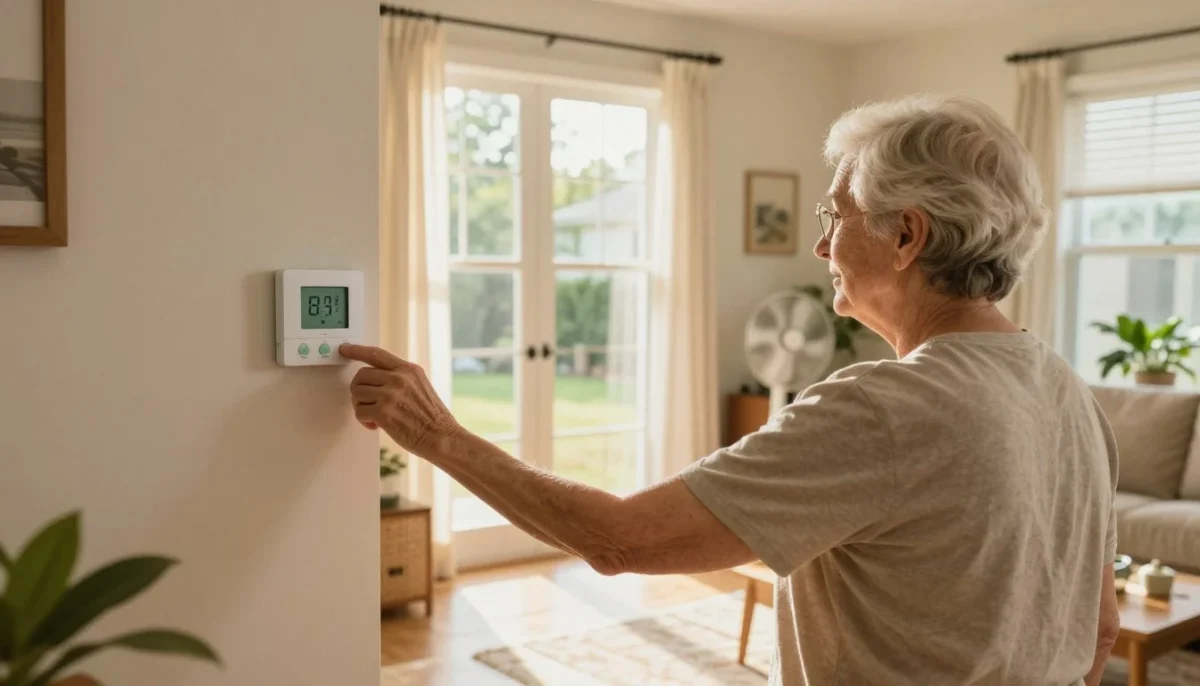
Start by making sure your air conditioning is serviced and working well before the hottest day. A functioning system is a primary defense against rising indoor temperature.
If you do not have reliable cooling, identify a nearby cool place such as a library or mall where you can get help during the peak heat hours.
- Keep shades and curtains closed during the day to block sun and lower indoor temperatures.
- Store a supply of water and essentials so you do not need to go out in hot weather.
- Monitor local forecasts and advisories so your plan matches predicted high temperatures.
Proper home preparation is a key part of staying well. With a simple plan, good cooling, and supplies on hand, you reduce risks and make hot days easier to manage.
Essential Daily Habits for Staying Cool
Simple daily habits can help you keep your body temperature steady when the days grow warmer. These steps are easy to follow and protect your health.
Hydration Strategies for Seniors
Continu Care Home Health advises you to drink 6–8 cups of water each day to maintain your body temperature, even if you don’t feel thirsty.
Carry a bottle and sip often. Cool water or drinks with electrolytes help when you feel tired or dizzy.
Dressing for the Weather
Choose loose-fitting, light-colored clothing to reflect the sun and allow air flow. Apply broad-spectrum sunscreen to protect your skin when you go outside.
Hats and breathable fabrics reduce the risk of discomfort and help you stay cool.
Managing Outdoor Activity
Plan strenuous tasks for the early morning or later in the day to avoid peak temperatures. This simple change lowers your exposure and preserves energy.
Use air conditioning or fans at home when possible. If you feel overheated, try cool water compresses on your neck or wrists.
- Quick tips: bring water, wear sunscreen, and have a shaded place to rest.
- These daily tips help older adults keep independence while managing warmer conditions.
Recognizing and Responding to Heat-Related Illnesses
Recognizing early signs of overheating helps you act fast and protect your health. Continu Care Home Health stresses that some conditions need emergency care. Heat stroke is a medical emergency when the body temperature rises above 103°F.
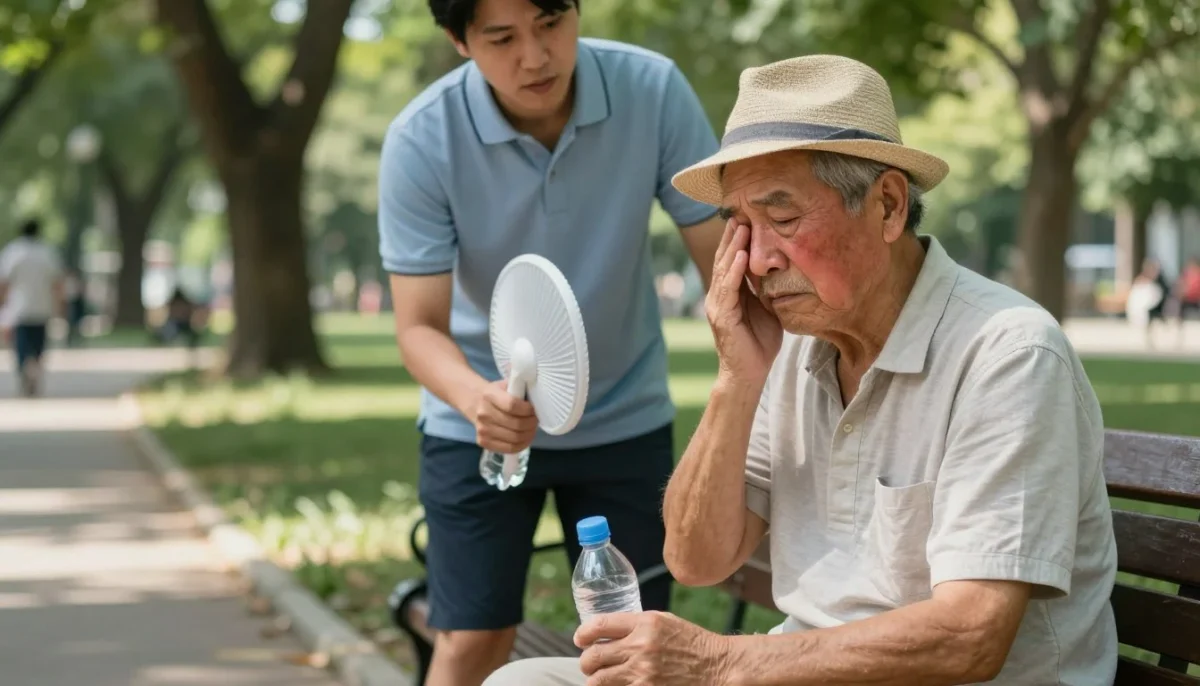
If you see confusion, a rapid pulse, or loss of consciousness, call 911 immediately and move the person to a cooler place. While waiting, use cool water to lower their body temperature.
- For suspected heat stroke: call 911, cool the person with water, and monitor breathing.
- For heat exhaustion: move them to shade or an air-cooled room and sip cool water.
- Watch for heavy sweating, cramps, dizziness, pale or clammy skin, and confusion.
| Condition | Common Signs | Immediate Action |
|---|---|---|
| Heat Exhaustion | Heavy sweating, cramps, dizziness | Cool place, sip water, rest |
| Heat Stroke | Confusion, very high temperature, rapid pulse | Call 911, cool with water, emergency care |
| At-Risk Adults | People with medical conditions or on certain meds | Monitor closely; seek help early |
Continu Care Home Health reminds you that sudden weather changes and high humidity raise the risk of serious illnesses. Know your medicines and act on warning signs right away.
Local Resources for San Antonio Residents
Continu Care Home Health encourages you to use community programs and local services when temperatures climb. These resources help you stay cool, hydrated, and connected to care.
Cooling Centers and Support
Project Cool provides free 20-inch box fans to older adults aged 55 and older. If your home lacks reliable air conditioning, this program can improve air flow until a longer-term solution is available.
You can call local services to locate the nearest cooling center. Libraries, community centers, and faith-based groups often serve as a safe place to escape the heat.
- Arrange transportation options ahead of time; some community services offer rides to cooling spots.
- Bring bottled water or plan for access to cool water and any needed medications or medical support.
- Contact Continu Care Home Health for help finding programs and creating a simple action plan.
Using these local resources is a proactive way to protect your health. Continu Care Home Health is proud to serve the area and can connect you with services that keep you safe and comfortable.
Conclusion
Small steps each day can lower your risk of heat stroke and other illnesses tied to hot weather. Watch for early warning signs, check your body temperature when you feel unwell, and act quickly to reduce risk.
Keep an eye on how your skin and pulse feel, limit time in direct sun, and protect your heart by staying hydrated and resting during the hottest hours.
If you need help planning or want in-home support, Continu Care Home Health proudly serves patients and families throughout San Antonio and surrounding areas with compassionate, professional care delivered in the comfort of home. Call us at (210) 734-6166 or visit 3201 Cherry Ridge C319, San Antonio, TX 78230.
This article is not medical advice. Contact your doctor before making changes based on this post.