HOW HOME HEALTH NURSES SUPPORT PATIENT RECOVERY

HOW HOME HEALTH CARE HELPS MANAGE DIABETES SAFELY

When you face a health challenge, the environment where you heal matters just as much as the medical treatment you receive. Many people find that the familiar surroundings of their own bedroom provide a sense of peace that a clinical setting simply cannot match.
Healing at home allows you to maintain your daily routines while surrounded by loved ones. This emotional stability often leads to a faster and more positive outcome for your overall well-being.
At Continu Care Home Health, we specialize in making this transition seamless and effective. We provide professional senior recovery care San Antonio families trust to ensure that your health journey remains comfortable and personalized.
Choosing to stay in your own space is a powerful step toward regaining your independence. Our team is dedicated to supporting your unique needs every single day.
Key Takeaways
- Home environments significantly reduce stress levels during the healing process.
- Personalized support helps you maintain your independence while you get better.
- Continu Care Home Health offers expert guidance tailored to your specific medical needs.
- Familiar surroundings promote better sleep and emotional health for patients.
- Professional home-based services bridge the gap between clinical needs and personal comfort.
The Shift Toward Home-Based Recovery Models
You might be surprised to learn how modern medicine is shifting its focus toward high-quality care delivered right to your doorstep. The traditional model of long-term hospital stays is rapidly evolving into a more flexible, patient-centered approach. This transition allows you to regain your independence while receiving the professional attention you need to heal effectively.
Understanding the Modern Approach to Post-Hospital Support
Comprehensive post-hospital support has become a cornerstone of modern recovery strategies. Instead of remaining in a sterile facility, you can now access skilled nursing, physical therapy, and medication management within your own residence. This model is designed to bridge the gap between acute care and your return to daily life.
By utilizing these programs, you benefit from a continuity of care that is often lost during hospital discharge. Research indicates that these transitional services significantly reduce the likelihood of readmission. Key components of this modern approach include:
- Personalized care plans tailored to your specific medical history.
- Regular visits from licensed healthcare professionals.
- Seamless coordination between your primary doctor and home health team.
- Remote monitoring tools to track your vital signs in real-time.
Why Clinical Environments Can Sometimes Hinder Progress
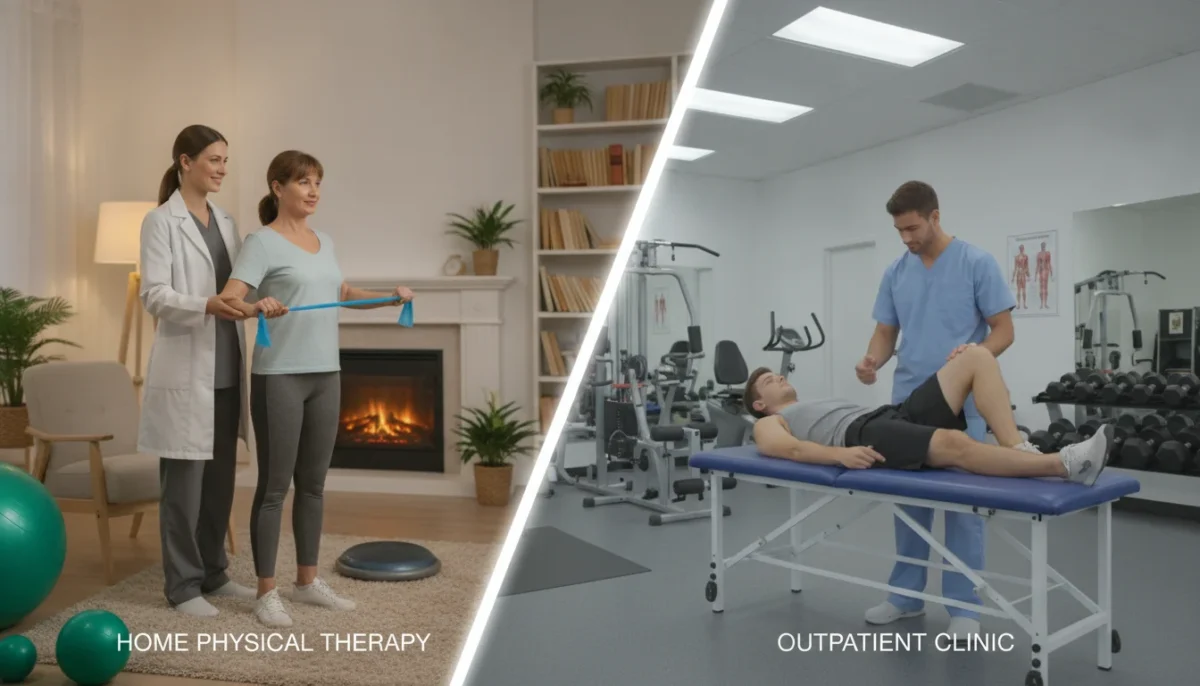
While hospitals are essential for acute interventions, they are not always the ideal setting for long-term recuperation. The clinical environment can sometimes introduce stressors that delay your physical and mental recovery. Constant noise, bright lights, and the lack of personal space often disrupt the rest you need to heal.
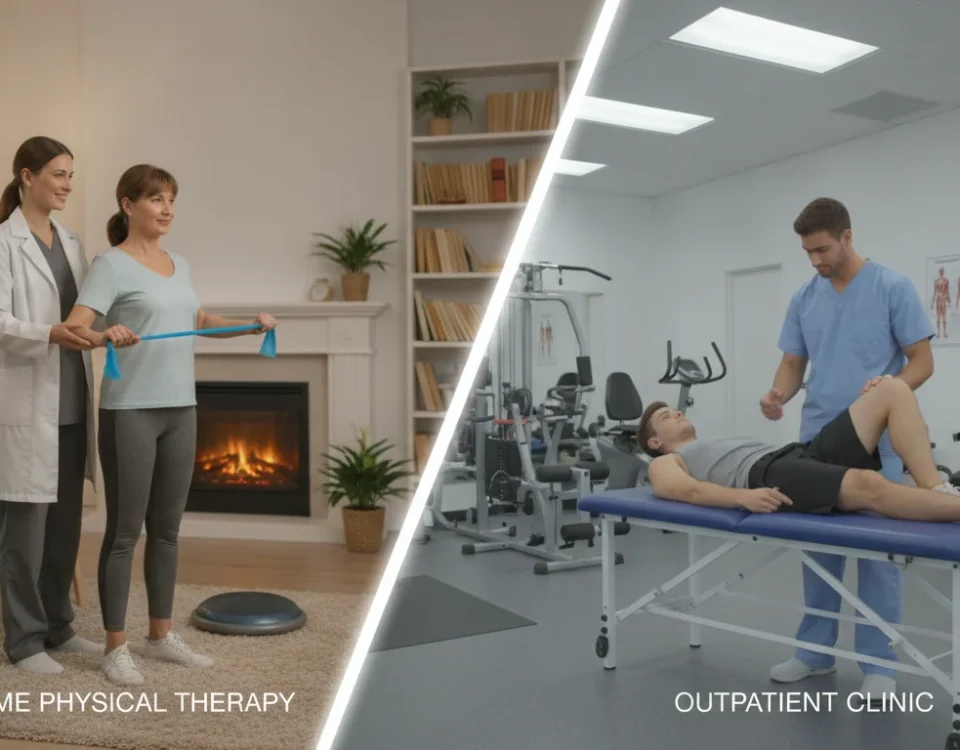
Furthermore, the risk of hospital-acquired infections remains a concern for many patients. Transitioning to a home-based model of post-hospital support allows you to recover in a controlled, familiar space. The following table highlights the primary differences between these two settings:
| Feature | Hospital Setting | Home Environment |
|---|---|---|
| Comfort Level | Low (Clinical) | High (Personalized) |
| Infection Risk | Higher | Lower |
| Daily Routine | Rigid | Flexible |
| Emotional State | Anxious | Relaxed |
Ultimately, prioritizing your comfort is a vital part of the healing process. By choosing a home-based recovery model, you are taking an active role in your health journey. This modern post-hospital support ensures that you receive professional care without sacrificing the peace of your own home.
The Psychological Benefits of Familiar Surroundings
Healing is not just a physical process; it is a mental journey that thrives in familiar spaces. When you are surrounded by your own belongings and the people you love, your brain experiences a sense of safety that clinical settings often struggle to provide. Utilizing professional home recovery services allows you to maintain this sense of security while receiving the medical attention you require.
Reducing Anxiety Through Personal Comfort
Hospital wards can be overwhelming due to constant noise, bright lights, and the sterile nature of the environment. By transitioning to your own space, you significantly lower your stress levels, which is essential for a smooth recovery. You are in control of your surroundings, from the lighting in your room to the temperature of your living area.
This autonomy helps to alleviate the anxiety that often accompanies post-operative care. When you feel relaxed, your body is better equipped to focus its energy on tissue repair and physical healing. High-quality home recovery services prioritize this comfort, ensuring that your environment supports your emotional needs as much as your physical ones.
The Role of Routine in Mental Well-being
Maintaining a consistent daily routine is a powerful tool for your mental health during the recovery phase. In a hospital, your schedule is dictated by staff shifts and institutional protocols. At home, you can establish a rhythm that feels natural and supportive of your personal goals.
A predictable routine provides a sense of stability that helps you stay motivated and positive. Consider these key advantages of maintaining your own schedule:
- Improved Sleep Quality: Sleeping in your own bed reduces restlessness and promotes deeper rest.
- Enhanced Autonomy: Making small choices about your day fosters a sense of independence.
- Reduced Confusion: Familiar surroundings help you stay oriented and focused on your progress.
By integrating home recovery services into your daily life, you create a structure that balances professional support with your personal preferences. This consistency is a cornerstone of long-term mental well-being, helping you navigate the challenges of recovery with confidence and grace.
Physical Healing and the Home Environment
Creating a safe and clean space at home is a vital step in your post-operative journey. Your surroundings directly influence how effectively your body manages the stress of recovery. By taking control of your environment, you foster a setting that prioritizes physical restoration and long-term health.
Lowering Infection Risks Outside of Hospital Wards
Hospitals are busy environments that naturally harbor various pathogens. When you transition to home care, you significantly reduce your exposure to these common hospital-acquired infections. This shift allows your immune system to focus entirely on healing rather than fighting off external threats.
Maintaining a clean, private space acts as a natural barrier against illness. You gain the benefit of a controlled atmosphere where hygiene standards are managed according to your personal needs. This proactive approach is one of the most effective ways to ensure a smooth and complication-free recovery.
Customizing Your Space for Optimal Mobility
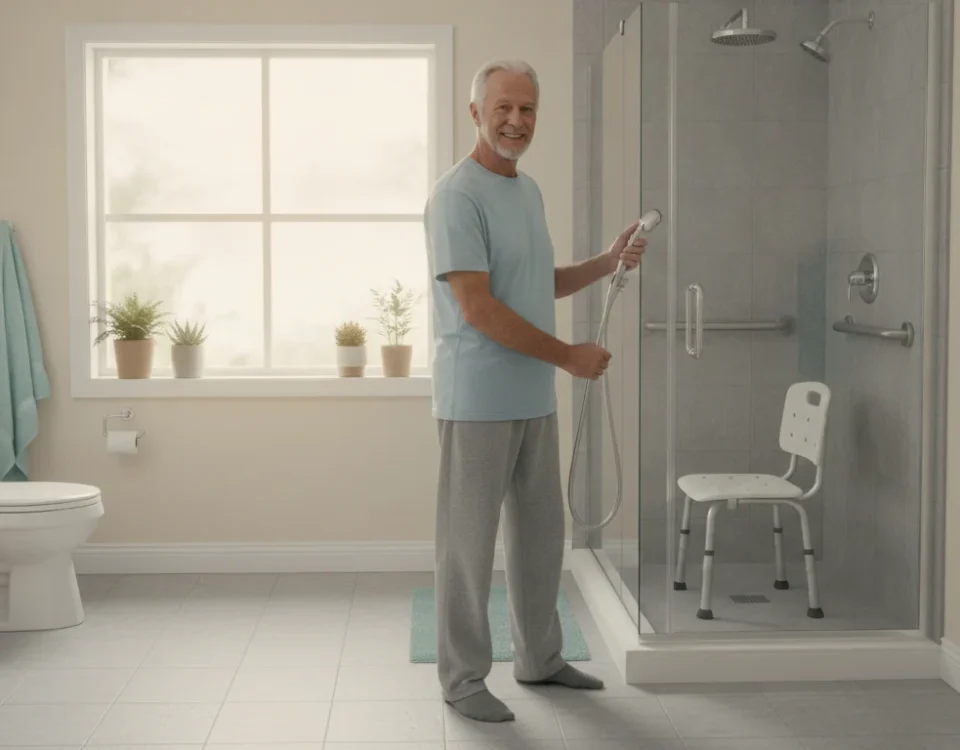
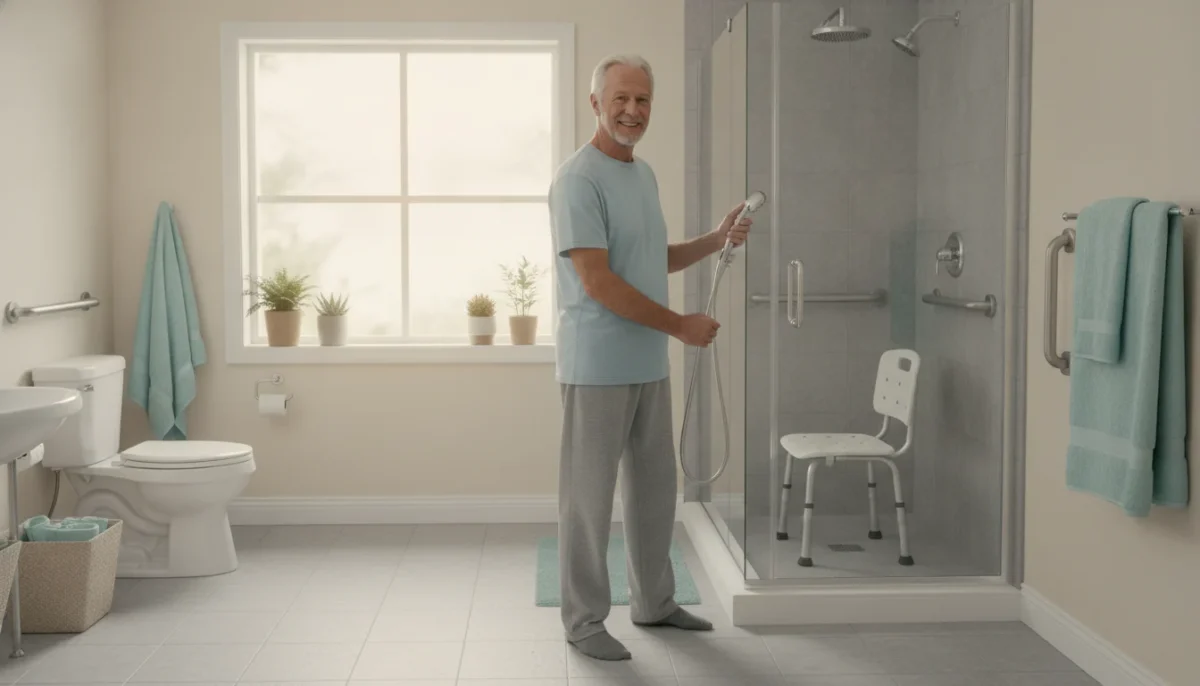
Physical independence is a cornerstone of a successful recovery. You should evaluate your living area to identify potential hazards that might impede your movement. Simple adjustments can make a world of difference in your daily comfort and safety.
Consider installing grab bars in bathrooms and near high-traffic areas to provide necessary stability. Clearing pathways of loose rugs, electrical cords, or clutter is equally important to prevent accidental falls. These essential modifications empower you to navigate your home with confidence while you regain your strength.
Senior Recovery Care San Antonio: A Local Perspective

When you choose senior recovery care San Antonio, you tap into a network of support designed specifically for your local community. Recovering in your own neighborhood offers a unique sense of security that large, impersonal hospitals simply cannot replicate. By staying close to home, you maintain vital connections to your social circles and familiar surroundings.
Addressing the Unique Needs of the San Antonio Community
Every city has its own rhythm, and San Antonio is no exception. Tailored support means recognizing the specific cultural and logistical landscape of your home city. When your care team understands the local environment, they can better navigate your daily needs.
Effective senior recovery care San Antonio strategies prioritize your comfort by aligning with your lifestyle. This approach ensures that your recovery plan is not just a medical checklist, but a practical guide that fits your life. You benefit from providers who know the area and can coordinate resources efficiently.
How Localized Care Improves Patient Outcomes
Localized care creates a bridge between professional medical standards and your personal independence. When you receive senior recovery care San Antonio, you experience more consistent and attentive service. This reliability is a key factor in preventing complications and ensuring a steady path to health.
The following table highlights the distinct advantages of choosing a localized recovery model over a generalized approach:
| Feature | Generalized Care | Localized San Antonio Care |
|---|---|---|
| Community Knowledge | Limited | High |
| Response Time | Variable | Optimized |
| Cultural Alignment | Standardized | Personalized |
| Family Access | Restricted | Convenient |
By leveraging local expertise, you ensure that your recovery is supported by professionals who are invested in your long-term success. Consistent communication between your family and your care team becomes much easier when everyone is part of the same community. This synergy is exactly what makes local recovery programs so effective for seniors today.
The Importance of Patient-Centered Care
True healing begins when your unique needs take center stage in your recovery journey. By shifting the focus from rigid clinical protocols to patient-centered care, health providers ensure that your medical requirements align with your personal life. This approach recognizes that you are an individual with specific preferences rather than just a set of symptoms.
Tailoring Recovery Plans to Individual Lifestyles
A successful recovery plan must respect your daily habits and existing routines. Instead of forcing you to adapt to a hospital schedule, your care team works to integrate therapy and medication management into your natural flow of life. This seamless integration helps reduce the stress often associated with post-operative transitions.
When your care plan is customized, you are more likely to adhere to medical advice. Whether it involves adjusting meal times to match your appetite or scheduling physical therapy during your most energetic hours, these small changes make a significant difference. Patient-centered care ensures that your home remains a sanctuary for healing rather than a clinical extension.
Empowering Patients Through Personalized Attention
Personalized attention serves as a powerful tool for maintaining your motivation and dignity. When caregivers listen to your goals, they provide support that feels meaningful and relevant to your life. This collaborative relationship empowers you to take an active role in your own health outcomes.
Feeling heard and respected during the recovery process significantly boosts your mental well-being. By focusing on your specific needs, your support team helps you regain independence faster. The following table highlights the core differences between traditional models and a personalized approach:
| Feature | Traditional Care | Patient-Centered Care |
|---|---|---|
| Scheduling | Fixed, rigid hours | Flexible, lifestyle-based |
| Communication | One-way instructions | Collaborative dialogue |
| Goal Setting | Standardized clinical goals | Individualized personal goals |
| Care Focus | Treating the condition | Treating the whole person |
Integrating Professional Support into Your Home
You can significantly enhance your healing journey by integrating professional health services directly into your home. This transition is a critical component of effective post-hospital support, ensuring that your recovery remains on track after you leave the clinical environment. By bringing experts to your doorstep, you gain access to high-quality care while maintaining the comfort of your own surroundings.
The Role of Skilled Nursing and Therapy
Skilled nurses and physical therapists play a pivotal role in your recovery process. These professionals do more than just monitor your vital signs; they provide essential education to your family members. You will learn how to manage daily health needs, such as wound care or mobility assistance, with confidence and precision.
Having a trained professional in your home allows for immediate adjustments to your care plan. If you experience a sudden change in your health, your nurse can address it before it becomes a major issue. This proactive approach is a hallmark of excellent post-hospital support.
Bridging the Gap Between Hospital and Independence
The period immediately following a hospital discharge is often the most challenging. Professional support acts as a vital bridge, helping you navigate the complexities of recovery while you regain your strength. This collaborative effort ensures that you remain stable as you slowly transition back to your normal, independent lifestyle.
By focusing on personalized goals, your care team helps you achieve milestones that might otherwise feel out of reach. Whether you are recovering from surgery or managing a chronic condition, this support system provides the structure needed for long-term health. The following table outlines how different professional services contribute to your overall well-being.
| Service Type | Primary Focus | Key Benefit |
|---|---|---|
| Skilled Nursing | Clinical monitoring | Prevents complications |
| Physical Therapy | Mobility and strength | Restores independence |
| Occupational Therapy | Daily living tasks | Improves home safety |
| Home Health Aides | Personal care support | Reduces caregiver stress |
Ultimately, integrating these services creates a seamless experience that prioritizes your safety. You deserve a recovery process that is both effective and compassionate. With the right team, you can bridge the gap between hospital care and your return to full independence with ease.
Managing Medications and Daily Health Monitoring
You can significantly improve your healing outcomes by mastering the rhythm of your medication schedule and health checks. When you transition from a clinical setting to your own space, maintaining strict adherence to your prescribed regimen becomes your most important task. This level of diligence ensures that your body receives the support it needs to recover without interruption.
Ensuring Accuracy in Post-Operative Care
Post-operative care often involves complex schedules that can be difficult to manage alone. Consistency is the key to preventing adverse reactions and ensuring that pain management remains effective throughout the day. Using digital reminders or a physical logbook can help you track every dose with precision.
It is helpful to organize your medications in a centralized location to avoid confusion. By keeping your prescriptions and over-the-counter supplements clearly labeled, you reduce the risk of errors. Professional home health services often assist in this process, providing the oversight necessary to keep your recovery on the right track.
Early Detection of Complications at Home
Daily health monitoring allows you to catch subtle changes in your condition before they escalate into serious problems. By tracking vitals such as blood pressure, temperature, and wound appearance, you gain a clear picture of your progress. This proactive approach empowers you to communicate effectively with your medical team.
When you notice an unexpected shift in your health, early intervention is often the difference between a quick fix and a hospital readmission. Professional caregivers are trained to recognize these warning signs early. Their presence provides you with the peace of mind that comes from knowing your health is being watched by an expert.
| Monitoring Aspect | Hospital Setting | Home Environment |
|---|---|---|
| Medication Timing | Strictly Controlled | Patient-Managed with Support |
| Vital Sign Checks | Frequent/Automated | Scheduled/Proactive |
| Complication Risk | Lowered by Staff | Lowered by Vigilance |
| Recovery Comfort | Clinical/Restricted | Personalized/Relaxed |
Nutritional Support and Hydration During Recovery

Your recovery journey depends heavily on the fuel you provide your body during the healing process. While rest is vital, your cells require specific building blocks to repair tissues and restore your energy levels. Proper nutrition is not just about eating; it is about giving your body the tools it needs to succeed.
Designing Diets That Promote Tissue Repair
To support your body, focus on high-protein foods that act as the primary building blocks for muscle and skin repair. Incorporating lean meats, beans, and eggs into your daily meals can make a significant difference in how quickly you regain your strength. Hydration is equally critical, as water helps transport these essential nutrients to the areas that need them most.
You should also prioritize vitamins and minerals that boost your immune system. Fresh fruits and vegetables provide the antioxidants necessary to reduce inflammation throughout your body. By keeping your meals balanced, you ensure that your internal systems remain resilient against potential complications.
| Nutrient Category | Primary Benefit | Recommended Sources |
|---|---|---|
| Protein | Tissue Repair | Chicken, Tofu, Greek Yogurt |
| Vitamin C | Collagen Synthesis | Oranges, Bell Peppers, Strawberries |
| Healthy Fats | Energy & Inflammation | Avocado, Walnuts, Olive Oil |
| Fluids | Nutrient Transport | Water, Herbal Tea, Broth |
Overcoming Appetite Challenges After Surgery
It is common to experience a loss of appetite following a medical procedure or surgery. When your interest in food wanes, try eating smaller, more frequent meals throughout the day rather than three large ones. This approach prevents you from feeling overwhelmed while ensuring your body receives a steady supply of energy.
If you struggle with solid foods, consider nutrient-dense liquids like smoothies or protein shakes. Adding healthy fats, such as nut butters or flaxseed, can increase the caloric value of these drinks without adding significant volume. Listen to your body and choose foods that are easy to digest to keep your recovery on track.
Family Involvement and Emotional Support Systems
You will find that family involvement plays a pivotal role in the success of your post-operative recovery. When you surround yourself with loved ones, you create a foundation for patient-centered care that extends beyond clinical tasks. This emotional connection provides the stability needed to navigate the challenges of healing at home.
The Impact of Caregiver Presence on Healing
The presence of a dedicated caregiver significantly boosts your motivation throughout the recovery process. Emotional encouragement from family members often leads to faster healing times because it reduces feelings of isolation. When you feel supported, your body is better equipped to focus its energy on physical repair rather than stress management.
A strong support system helps you maintain a positive outlook even on difficult days. By having someone to share your progress with, you stay engaged with your rehabilitation goals. This consistent interaction is a cornerstone of effective patient-centered care.
Balancing Professional Care with Family Support
It is essential to find a healthy balance between professional medical assistance and the help provided by your family. While professionals manage complex clinical needs, family members offer the personal touch that keeps your spirits high. This division of labor prevents caregiver burnout and ensures you receive comprehensive attention.
Clear communication between your medical team and your family is vital for success. You should establish a routine that allows family members to provide support without feeling overwhelmed by medical responsibilities. The following table outlines how these roles complement each other to provide the best possible outcome for your health.
| Support Type | Primary Focus | Key Benefit |
|---|---|---|
| Professional Care | Clinical Tasks | Ensures Medical Safety |
| Family Support | Emotional Well-being | Boosts Mental Motivation |
| Integrated Approach | Holistic Recovery | Optimizes Healing Speed |
By integrating these two forms of support, you create a sustainable environment for your recovery. Remember that patient-centered care is most effective when everyone involved understands their specific role. This collaborative effort ensures that your path to independence remains steady and well-supported.
Overcoming Common Challenges in Home Recovery
While recovering at home offers comfort, you may encounter practical challenges that test your resolve. Successfully navigating these hurdles requires a proactive mindset and a clear plan of action. By addressing potential obstacles early, you can create a stable environment that supports your long-term health goals.
Navigating Equipment Needs and Home Safety
Your living space must be adapted to accommodate medical equipment while ensuring your personal safety. Start by conducting a thorough walkthrough of your home to identify potential fall hazards, such as loose rugs or cluttered hallways. Clear pathways are essential for maintaining your mobility and preventing secondary injuries during your recovery phase.
Organizing your medical supplies effectively will save you time and reduce unnecessary stress. Consider the following steps to improve your home safety:
- Install grab bars in bathrooms to provide extra stability.
- Ensure all high-traffic areas are well-lit to prevent nighttime accidents.
- Keep essential items within easy reach to avoid overexertion.
- Designate a specific area for medical supplies to keep your living space tidy.
The following table outlines how to categorize and manage your essential recovery equipment for better efficiency:
| Equipment Category | Primary Purpose | Maintenance Tip |
|---|---|---|
| Mobility Aids | Support and balance | Check rubber tips weekly |
| Monitoring Tools | Vital sign tracking | Calibrate as directed |
| Comfort Items | Pressure relief | Clean surfaces daily |
Maintaining Consistency in Rehabilitation Exercises
Consistency serves as the foundation for your physical progress and long-term mobility. It is easy to feel discouraged when results seem slow, but sticking to your prescribed routine is vital for tissue repair and muscle strengthening. You should view your rehabilitation exercises as a non-negotiable part of your daily schedule.
To stay on track, consider using a simple log or a digital app to record your daily activity. Tracking your progress provides a sense of accomplishment and helps you identify areas where you might need additional support. Remember that small, steady improvements often lead to the most significant long-term outcomes in your recovery journey.
The Future of Home Health Services
The future of healthcare is arriving at your doorstep through digital connectivity. As medical practices evolve, home recovery services are becoming more sophisticated and data-driven than ever before. You can now expect a higher level of precision in your care without the need for frequent travel to a clinic.
Technological Advancements in Remote Monitoring
Modern digital tools allow your medical team to track your vital signs in real-time from a distance. These innovative systems provide instant alerts if your health metrics shift outside of expected ranges. By utilizing wearable devices and secure telehealth platforms, your providers can offer immediate guidance to ensure your safety.
This constant connection minimizes the need for physical office visits while maintaining high standards of clinical oversight. You benefit from proactive adjustments to your treatment plan, which helps prevent complications before they escalate. Embracing these tools makes your path to wellness smoother and more efficient.
Expanding Access to Quality Care in Texas
Across the state of Texas, there is a concerted effort to bring advanced medical support to every corner of the region. Local health networks are investing in infrastructure that bridges the gap between urban hospitals and rural residences. This expansion ensures that high-quality home recovery services remain available to you, regardless of your specific location.
Policy changes and increased funding are driving this growth, making professional support more accessible for all residents. You can feel confident that the evolving landscape of care is designed to prioritize your independence and long-term health outcomes. By integrating these advancements, the healthcare system is successfully bringing the hospital experience directly into your home.
Advancing Your Recovery Journey with Continu Care Home Health
Recovering at home is a journey that requires patience, professional support, and a well-structured plan. By prioritizing comfort, safety, and personalized care, you can achieve better outcomes and maintain your independence.
We encourage you to reach out to our team to discuss how we can support your specific recovery needs. Our experts are ready to help you navigate the transition from a clinical setting to the peace of your own living space.
This article is not medical advice. Please contact your doctor before implementing anything covered in this post.
We invite you to contact Continu Care Home Health to learn more about in-home care services or to schedule a consultation for yourself or a loved one. Continu Care Home Health proudly serves patients and families throughout San Antonio and surrounding areas with compassionate, professional care delivered in the comfort of home.
Contact Information: Continu Care Home Health, (210) 734-6166, 3201 Cherry Ridge C319, San Antonio, TX 78230. Call us if you need any help.