Assistive Devices That Help San Antonio Seniors Age in Place

24-Hour Care vs. Part-Time Home Care: What’s Right for Your San Antonio Family
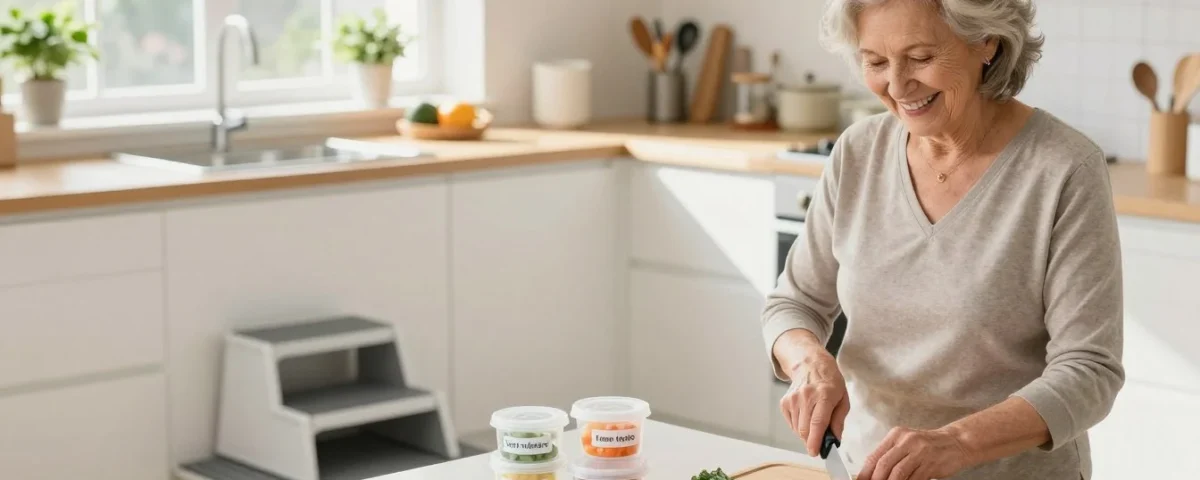
Creating a secure space in your home matters when you want to keep living independently in San Antonio. Small adjustments to the room where you do your cooking and prepare meals can make a big difference.
You should be able to enjoy preparing favorite food without extra worry. Simple changes to layout, storage, and lighting help you move with confidence and reduce common hazards.
Many loved ones and caregivers find that modest upgrades let an aging loved one keep routines and feel more capable. These steps protect health and support daily joy while preserving autonomy.
Key Takeaways
- Small modifications boost independence and ease daily tasks.
- Good lighting and organized storage reduce trip and burn risks.
- Clear workflows make cooking and meal prep simpler.
- Family support and practical changes protect long-term wellness.
- Prioritizing this area of your home preserves comfort and confidence.
Understanding Common Kitchen Safety for Seniors
Knowing which hazards appear most often in meal prep spaces lets you act before an accident occurs.
Falls are the leading cause of injuries in people over 65. In a cooking area, slippery surfaces and spills are major triggers of accidents that harm health and mobility.
Older adults often struggle with cutting tasks and hot surfaces, which raise the risk of burns and lacerations. Spotting these common kitchen risks early helps you plan fixes that reduce strain and danger.
- High risk: wet floors, loose rugs, cluttered walkways.
- Frequent injuries: falls, cuts, burns from hot pans or liquids.
- Practical fixes: non-slip mats, easy-grip tools, clear counters.
| Hazard | Typical consequence | Quick remedy | Who benefits |
|---|---|---|---|
| Slippery surfaces | Falls and sprains | Non-slip mats, wipe spills immediately | Older adults and caregivers |
| Hot surfaces | Burns | Heat-resistant mitts, clear labeling | Anyone cooking alone |
| Cutting mishaps | Cuts and loss of function | Sharp, easy-grip knives; cut-resistant gloves | People with limited dexterity |
Takeaway: Identify common kitchen hazards, then apply simple changes to protect a loved one and support independent living.
Preventing Falls and Physical Hazards
Simple adjustments to floors and storage can make daily tasks less risky and more doable.
Floor Safety and Accessibility
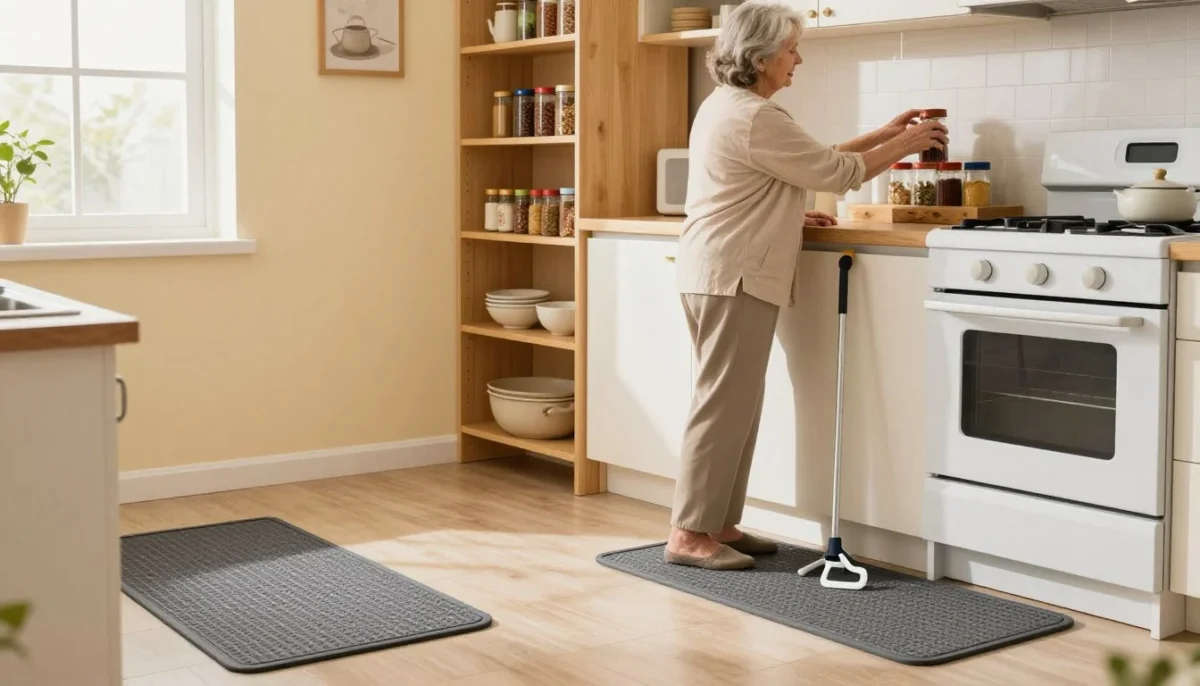
Keep your kitchen floors clear of spills and loose rugs to reduce fall risk. Wipe up liquids right away and remove clutter from walkways.
Install non-slip mats near sinks and stoves and add grab bars by entrances and work zones. Store frequently used items at waist level to avoid bending or reaching.
Ergonomic Tools
Choose ergonomic utensils and adaptive cutting boards to make prep easier. These tools lower strain and help an aging loved one keep cooking tasks independent.
Organize items so you reach less. That cuts hazards and helps older adults manage daily chores with less fatigue.
| Issue | Consequence | Easy remedy |
|---|---|---|
| Wet floors or spills | Trips and falls | Dry immediately; use non-slip mats |
| High or low storage | Overreaching, loss of balance | Store daily items at waist level |
| Poor tools for cutting | Hand strain, accidents | Use ergonomic knives and boards |
- These changes reduce physical hazards and keep the space usable for daily use.
- They support independence and practical safety for adults who live alone.
Fire Prevention and Appliance Management
Attention to how you use ovens, burners, and cords is a practical way to lower everyday risks.
Safe Stove and Oven Practices
Cooking fires account for 48% of all residential fires. Each year these incidents cause about 150 deaths and 3,200 injuries, so prevention matters.
Use an automatic shut-off stove or burner when possible. This helps if you forget a pot on the range.
- Keep flammable items like towels and paper away from burners.
- Turn pot handles inward to reduce the chance of knocks and burns.
- Inspect cords on appliances and replace frayed devices promptly.
- Set your water heater to 120 degrees to prevent scalding when you use hot water.
| Risk | Impact | Quick fix |
|---|---|---|
| Left-on burners | Fires, burns | Automatic shut-off or timer |
| Frayed cords | Electrical fire | Replace cords; unplug unused appliances |
| Flammable objects near heat | Rapid fire spread | Clear counters; store items away from oven |
These steps protect you and a loved one and cut the risk of dangerous accidents while preparing foods.
Maintaining Food Hygiene and Storage Standards
Using a thermometer and separating raw items stops cross-contamination before it starts.
Proper food handling protects your health. Check expiration dates and label items clearly so you only use fresh ingredients. Store raw meats apart from ready-to-eat foods in fridge drawers or sealed containers.
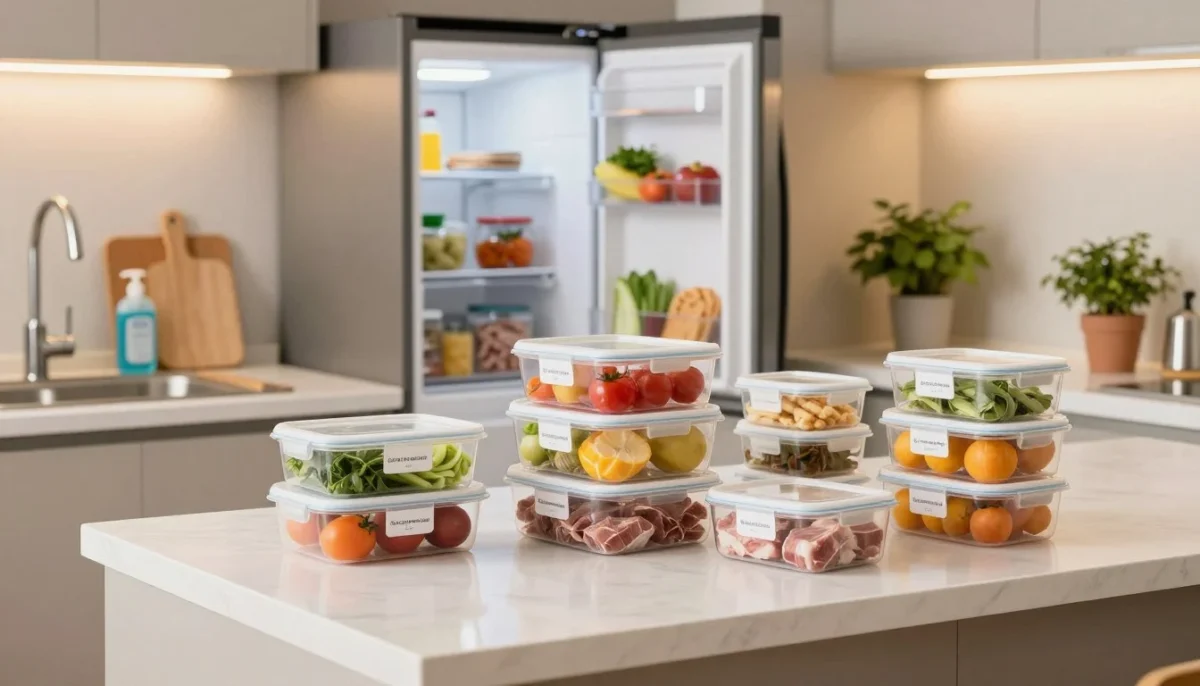
Always cook chicken to 165 F and use a food thermometer to confirm internal temperatures. This simple step lowers the risk of foodborne illness during meal prep.
Organize your refrigerator and discard items past their expiration dates. Clean spills and wipe shelves regularly. Keep drinking water and utensils in separate areas to reduce contamination.
- Label leftovers with dates and toss after recommended times.
- Use separate cutting boards for raw meats and produce.
- Keep frequently used foods within easy reach to avoid accidents while handling items.
| Hazard | Risk | Quick step |
|---|---|---|
| Cross-contamination | Illness | Separate storage, sealed containers |
| Undercooked poultry | Infection | Thermometer to 165 F |
| Expired items | Food spoilage | Check dates; label and discard |
These routines make meal prep cleaner and easier. They help older adults and a loved one maintain independence while protecting overall health.
Adapting the Kitchen for Vision and Cognitive Changes
Bright task lighting and high-contrast markers let you work with less strain at the stove.
Lighting and Contrast
Improve lighting near prep zones and the oven to help with changing vision. Use under-cabinet LED strips and a bright ceiling fixture to reduce shadows.
High-contrast stickers on stove knobs, appliance controls, and handles make it easier to identify burners and settings at a glance.
Keep frequently used items within easy reach so you bend or stretch less. This reduces the chance of knocking a pot and causing burns.
Memory Aids
Large-print labels, simple checklists, and a routine chart help you remember steps when you prepare a meal. Place the checklist near the main work area.
Consider appliances with an automatic shut-off and use a timer to remind you to turn off burners. These features reduce cognitive load and lower risk.
These small changes support older adults and adults who live alone. They help a loved one stay confident and independent while handling everyday foods and tasks.
Professional Support for In-Home Care
Bringing trained caregivers into the home creates practical support that reduces daily risks and eases meal prep.
If you or a loved one needs extra help, Continu Care Home Health provides professional care to maintain independence at home. Our team assists with cooking tasks, monitors food handling, and checks appliances and devices to lower the chance of accidents.
Caregivers can track expiration dates, help with cutting tasks, and keep surfaces clean. These services reduce the risk of burns and spills and help manage stove use and other hot areas.
- Continu Care Home Health serves San Antonio and nearby areas with compassionate care.
- Contact us at (210) 734-6166 or visit 3201 Cherry Ridge C319, San Antonio, TX 78230.
- Every care plan is tailored to older adults so your loved one gets the right support.
Choosing professional care helps preserve independence, protect health, and reduce the risk of fires, cuts, or other accidents in everyday food prep. Call us to discuss a plan that fits your needs.
Conclusion
A few practical adjustments let you enjoy food prep with less worry and more confidence.
Prioritizing kitchen safety is a vital step to keep independence at home. Simple changes reduce the chance of a fire or slips and make cooking easier.
By using these tips you cut risks in key areas and protect your health when preparing food. Reach out to Continu Care Home Health to learn about in-home support for loved ones.
This article is not medical advice. Contact your doctor before trying any changes. Call Continu Care Home Health at (210) 734-6166 or visit 3201 Cherry Ridge C319, San Antonio, TX 78230 for help.