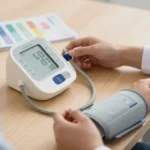
Keeping Blood Pressure in Check Between Doctor Visits in San Antonio

Recovering From Surgery at Home Instead of a Facility

Continu Care Home Health helps you manage care when a chronic kidney condition affects your life. You will learn practical steps to protect your kidneys and improve heart health.
High blood pressure can harm your organs, so keeping readings at or below 140/90 mm Hg is a clear goal. Our team works with you and your doctor to track blood pressure and other markers.
You are not alone in making treatment decisions. Continu Care Home Health provides in-person care in familiar surroundings and gives clear information to help you follow a plan.
We focus on managing stress, diabetes, and other problems that affect long-term kidney health. Family involvement matters, and we give the tools you need to monitor progress and stay on track.
Key Takeaways
- Keep blood pressure at or below 140/90 mm Hg to protect your kidneys and heart.
- Continu Care Home Health provides professional care and clear information in your setting.
- Work with your doctor to track health markers and follow your treatment plan.
- Managing stress and diabetes is essential for long-term kidney health.
- Family involvement helps you stay informed and motivated during care.
Understanding Your Kidney Health
Regular tests let you see whether your kidneys are holding steady or getting worse. Tracking changes in function helps you and your provider act early. Early action can slow progression and protect other organs.
Your health team will check your blood pressure and the A1C test to measure average glucose over three months. These numbers show whether your treatment is working and if goals need adjustment.
Monitoring GFR and urine albumin helps you know if the disease is advancing. Keep records so trends are clear at each visit.
- Know your labs: GFR, urine albumin, A1C, and blood pressure.
- Keep blood glucose in range to protect kidneys and overall health.
- Share results with your provider and family members who help with care.
| Test | What it measures | Typical target |
|---|---|---|
| GFR | How well your kidneys filter blood | Above 60 mL/min/1.73 m² |
| Urine albumin | Protein loss that signals damage | Less than 30 mg/g |
| A1C | Average blood glucose over 3 months | Individualized; often <7% |
| Blood pressure | Pressure the heart and kidneys endure | At or below 140/90 mm Hg |
Essential Chronic Kidney Disease Home Support Strategies
Keeping regular track of lab values and symptoms helps you catch problems early and act quickly. Work closely with your care team so tests and notes line up with your treatment plan.
Monitoring Kidney Function
Ask about your GFR and urine albumin at each visit so you know whether the condition is stable or worsening. Record results and dates in a notebook or app.
Keep an up-to-date list of medicines and supplements in your wallet. That list helps the pharmacist and doctor avoid dangerous interactions and adjust doses when needed.
Preparing for Provider Visits
Write down questions before appointments to make the most of your time with the doctor. Bring a family member or friend to take notes and help you remember key details.
Your care team may include a primary care provider, nurse, dietitian, pharmacist, diabetes educator, social worker, and a nephrologist. Tell them about side effects or changes in blood pressure, blood sugar, or how you feel.
- Work with the team to track labs and medicines regularly.
- Bring written questions and medication lists to every visit.
- Share changes in symptoms so treatment and planning stay current.
Managing Blood Pressure and Glucose Levels
Small daily steps to control pressure and glucose can make a big difference in your health. For most people, the target is less than 140/90 mm Hg to protect the kidneys and lower heart risk.

Aim for 30 minutes or more of activity on most days. Regular movement helps you reach blood pressure goals, manage weight, and reduce stress.
Check your blood glucose often if you have diabetes. These readings help you adjust food, activity, and medicines with your provider.
Controlling blood pressure is the most important step to treat kidney disease and prevent further damage. High blood pressure and high blood glucose both raise the chance of heart problems.
- Set a blood pressure goal with your clinician (often <140/90 mm Hg).
- Make activity part of your routine to lower pressure and improve blood flow.
- Use daily glucose checks to guide safe choices for food and medicine.
Work closely with your medical team so your plan fits your life and reduces risks from the disease.
Optimizing Your Medication Routine
Proper medicine management helps you avoid harm and get the most benefit from treatment. Build a simple routine so doses are not missed and your care team can track results.
Avoiding Harmful Over-the-Counter Drugs
Some OTC pain relievers, especially NSAIDs like ibuprofen or naproxen, can damage your kidneys and raise the risk of kidney failure. Always check with your pharmacist before taking new supplements or OTC medicines.
ACE inhibitors and ARBs are medicines that may slow progression of kidney disease and delay kidney failure. Talk with your provider before changing or stopping these drugs.
Keeping Accurate Records
Keep an up-to-date list of every medicine, dose, and time in your wallet or a phone note. This helps your care team and pharmacist avoid unsafe combinations and reduce harmful side effects.
Your provider may adjust medicines as your condition changes or if you start dialysis. We can help you organize a schedule so you never miss a dose and so the team has accurate information at every visit.
- Ask your pharmacist to review all medicines and supplements.
- Keep a written or digital medication list for every appointment.
- Report side effects or changes in blood pressure or blood sugar promptly.
- Follow provider advice to prevent unsafe buildup of medicines in your blood.
Nutritional Planning for Kidney Function
What you eat each day directly affects how well your organs filter blood and maintain balance.
A registered dietitian can help you build a meal plan that protects your kidneys and helps meet blood pressure and glucose goals.
Medical nutrition therapy (MNT) offers one-on-one counseling and may be covered by insurance with a referral. Use MNT to get practical, personalized guidance.
Cooking from scratch helps you control food choices, sodium, and phosphorus. Simple swaps and portion control make meals healthier and easier to follow.
- Nutritional planning affects kidney function and overall health.
- Work with a dietitian if you have ckd so your meals match your medical needs.
- As the disease progresses, your plan may need updates to protect blood levels and organ function.
We help you find resources and recipes so eating well fits your life and keeps you informed as changes occur.
Incorporating Physical Activity into Your Day
Small bursts of movement can add up to meaningful gains for your blood pressure and energy. Try to be active for 30 minutes or more on most days to help reduce stress and manage blood pressure.

Benefits of Regular Movement
Regular activity helps you manage weight, reach blood glucose goals, and improve mood. It also strengthens muscles and boosts stamina so daily tasks feel easier.
If you are not active now, ask your provider about safe types and amounts of exercise. For people with ckd, a tailored plan can protect health and lower risks.
- Activity eases fatigue and helps you stay motivated day to day.
- Being active supports long-term health and can improve blood pressure and glucose control.
- Use tools like the NIH Body Weight Planner to match activity to your weight goals.
Start slowly, track progress, and adjust with your care team so movement fits your routine and keeps you well.
The Role of Your Professional Care Team
A coordinated medical team helps you navigate tests, medicines, and treatment decisions. Your team may include a primary care provider, nurse, dietitian, diabetes educator, pharmacist, social worker, and a nephrologist.
Your primary care doctor watches your blood pressure and diabetes and will guide routine care. A nephrologist is a specialist consulted when the disease is advanced or complex. They focus on treatment choices like dialysis or a kidney transplant when needed.
Pharmacists review all medicines to prevent harmful interactions and to keep doses safe. A registered dietitian creates meal plans that match your lab results and helps protect heart and kidney health.
| Team Member | Primary Role | How they help you |
|---|---|---|
| Primary care provider | Overall health monitoring | Manages blood pressure, diabetes, and routine tests |
| Nephrologist | Specialist for kidney issues | Advises on advanced treatment and dialysis planning |
| Pharmacist / Dietitian | Medicines and nutrition | Prevents drug problems and tailors eating plans |
We work alongside your care team to make sure treatment stays consistent. Share results and questions at visits so every person involved can act together for your health.
Emotional Well-being and Stress Management
How you handle stress affects both your mood and important health numbers. Long-term tension can raise blood pressure and blood glucose, making daily goals harder to reach.
If you feel overwhelmed, consider talking with a mental health professional. Seeking help is a sign of strength and can prevent worsening mood or anxiety.
Physical activity and better sleep are simple ways to help reduce symptoms and improve energy. Talking with a support group, clergy member, friend, or family member can ease emotional weight and keep you connected.
- Emotional well-being is as important as physical health; we offer care that includes mental wellness resources.
- Healthy coping—movement, rest, or counseling—can help reduce blood pressure and improve outcomes.
- The role of emotional care matters; ask your team for referrals so you stay resilient every day.
How Family Members Can Provide Effective Assistance
Families play a vital role in day-to-day care. When relatives learn limits on sodium, potassium, and phosphorus, they can help build safe meals that protect labs and energy.
Mastering the Renal Diet
Learn which food choices lower phosphorus and salt. Measure portions and use simple swaps to keep meals tasty and within limits.
Providing Logistical Support
Offer rides to appointments and dialysis. Help track lab results and medicines in a binder or digital folder so the care team has accurate information at visits.
Offering Emotional Listening
Be present and listen without judgment. Calm, steady attention reduces stress and helps the person stay engaged with treatment and daily goals like blood pressure checks.
- Help prepare low-sodium, balanced food and follow the meal plan together.
- Keep an organized list of medicines, labs, and appointments.
- Drive to dialysis or clinic visits to conserve the patient’s energy.
| Action | Why it matters | Quick tip |
|---|---|---|
| Learn diet limits | Protects lab values and overall health | Use measuring cups and a grocery list |
| Track medicines & labs | Makes sure the team has correct information | Keep a dated binder or app folder |
| Provide rides | Helps the person conserve energy | Plan trips the night before |
Conclusion
Clear communication with your doctor and a reliable care plan help you spend less time worrying and more time living. Work with your team to keep medicines organized and to track blood pressure and lab results on a regular schedule.
You may also face choices about dialysis or a kidney transplant; professional guidance can ease planning and reduce side effects from medicine changes. Keep your doctor informed about symptoms and any new medicines so treatment stays safe and effective.
Key points: a steady care team and family involvement improve quality of life. Whether managing pressure, preparing for dialysis, or adjusting treatment, timely action matters.
This arctcle is not medical advice. Please contact your Doctor before inplementing anythnig covered in this post.
To learn more or schedule a consultation, contact Continu Care Home Health at (210) 734-6166 or visit 3201 Cherry Ridge C319, San Antonio, TX 78230. Continu Care Home Health proudly serves patients and families throughout San Antonio and surrounding areas with compassionate, professional care delivered in the comfort of home. Call us if you need any help.