Do You Qualify for Home Health Care in Texas? A Family’s Guide to Eligibility

What Does Skilled Nursing at Home Include

Navigating support options for an aging loved one can feel overwhelming. Many Texas families struggle to identify needed medical home care services and separate them from non-clinical help. Knowing the difference between home health and home care helps your relative receive safe, suitable support.
Clinical programs support recovery from illness or injury, while other services help with daily tasks. Continu Care Home Health proudly serves San Antonio and offers expert guidance for informed choices. Whether you need skilled nursing, companionship, or San Antonio home care, our team provides compassionate support for your situation.
Key Takeaways
- Clinical services focus on recovery, while non-clinical support assists with daily living.
- San Antonio families often confuse these two distinct types of professional assistance.
- Choosing the right path improves safety and quality of life for your loved one.
- Continu Care provides professional, compassionate guidance for local residents.
- Consulting with experts helps clarify which service level matches your specific needs.
This article is not medical advice. Please contact your Doctor before implementing anything covered in this post. Contact Continu Care Home Health about in-home care services or schedule a consultation for yourself or a loved one.
Understanding Home Health and Home Care
Finding senior care in San Antonio can feel overwhelming when you are unsure what support your loved one needs. Many families need help understanding the difference between home health and home care, which can delay the right support. Continu Care Home Health helps families compare these options and make informed choices.
Definition of Home Health Services
Home health services provide skilled medical support at your residence under a physician-directed plan of care. These services include in-home nursing services, physical therapy, and occupational therapy from licensed professionals. This care is usually intermittent and helps patients recover from injury, manage chronic illness, or stabilize after a hospital stay.
Definition of Home Care Services
Home care provides non-medical help that supports your loved one’s independence. It includes daily tasks such as bathing, dressing, meal preparation, and light housekeeping. When comparing skilled care vs non-medical care, remember that aides or companions often provide flexible services based on ongoing family needs.
Key Objectives of Each Service
Understanding the main goals of these services helps you choose the right option for your situation. Home health improves specific health outcomes, while home care supports quality of life and safety at home.
| Feature | Home Health | Home Care |
|---|---|---|
| Primary Focus | Medical Recovery | Daily Living Support |
| Provider Type | Nurses and Therapists | Aides and Companions |
| Requirement | Physician Order | Family Request |
| Duration | Short-term/Intermittent | Long-term/Ongoing |
If you remain unsure which service fits your needs, Continu Care Home Health can help. Schedule a consultation to discuss your specific circumstances. Our experts will guide you toward the highest standard of care available in San Antonio.
Common Misconceptions Among Families
Many families struggle to understand the true difference between home health and home care when planning for a loved one. It is easy to assume that any professional entering the home can handle both medical emergencies and daily household chores. Yet these services differ in training, purpose, and regulations.
Misunderstanding the Scope of Services
One of the most common home health care misconceptions is believing that every caregiver can provide clinical treatment. In reality, home health is for medical needs, including wound care and medication management, through a licensed nurse or therapist. Home care provides personal help, including bathing, dressing, and meal preparation.
Another common mistake is assuming that home health agencies always provide long-term help with light housekeeping or grocery shopping. These tasks may happen during a visit, but they are not the main focus of a medical plan. Consistent help with daily activities usually means you need non-medical support.
Overlapping Features Explained
Understanding the nuance of skilled care vs non-medical care is essential for building a balanced support system. Physicians typically order home health services for a specific condition or recovery goal. Families usually choose the timing and length of personal care based on daily needs.
These services often work best together. A surgery patient might receive skilled nursing to monitor an incision while an aide assists with mobility and hygiene. This approach supports both clinical safety and daily comfort.
| Feature | Home Health | Home Care |
|---|---|---|
| Primary Goal | Medical Recovery | Daily Living Support |
| Staff Type | Nurses, Therapists | Aides, Companions |
| Requirement | Physician Order | Family Request |
| Focus | Clinical Treatment | Personal Assistance |
If you are unsure which path fits your situation, please reach out to Continu Care Home Health. Our team can help you distinguish between medical services and non-medical in-home support. This helps your loved one receive the exact care they deserve.
Who Needs Home Health Services?
Starting clinical care at home means knowing who qualifies. During a health crisis, you may wonder whether a family member needs medical care at home. At Continu Care Home Health, we offer guidance on whether medical home care services fit your situation.
Eligibility Criteria
Patients generally must meet requirements set by insurance providers and federal guidelines. A physician must certify a real medical need for in-home nursing services or therapy. Patients must also be homebound, meaning leaving home requires a taxing effort.
Understanding home health eligibility helps families plan their next steps. Your care team checks your condition to confirm services are medically necessary and temporary. This difference matters when comparing skilled care vs non-medical care; skilled care supports recovery from acute illness or injury.
Types of Medical Needs Addressed
Professional medical support helps manage complex conditions that require clinical expertise. You may benefit if you are recovering from surgery, a recent hospitalization, or a sudden injury. Our team helps you manage these needs in the comfort of your home.
Common medical needs that may qualify for these services include:
- Wound care for surgical incisions or chronic ulcers.
- Medication therapy management and education.
- Physical, occupational, or speech therapy to regain mobility.
- Intravenous injections and specialized infusion treatments.
- Monitoring of unstable health conditions or vital signs.
These clinical goals can help patients gain greater independence. Continu Care Home Health remains dedicated to meeting your medical needs with precision and compassion. We help you navigate these decisions with confidence.
Who Benefits from Home Care Services?
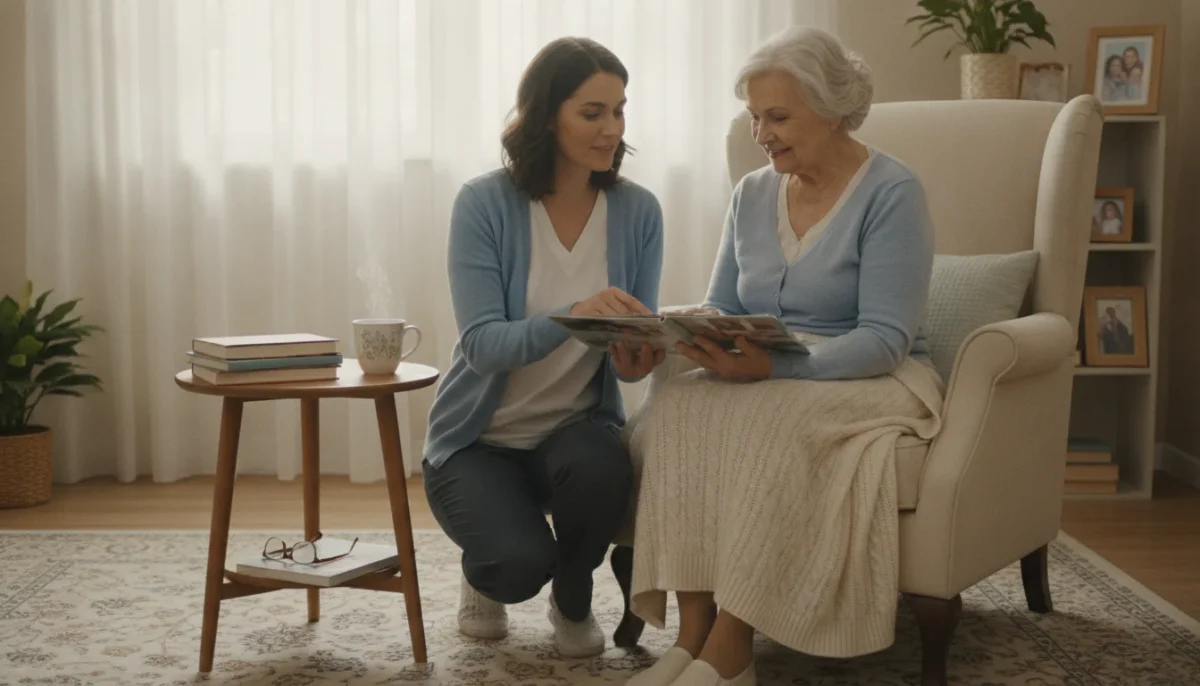
Caring for a senior family member can take more time and energy than one person has. When these duties overwhelm you, non-medical home care offers vital support. It improves quality of life while helping your loved one stay comfortable at home.
Non-Medical Support Overview
This care helps with daily activities that become difficult over time. It does not replace medical treatment. Instead, it provides essential personal care assistance for safety and comfort, including bathing, dressing, meal preparation, and light housekeeping.
Beyond physical tasks, professionals offer senior companionship to ease isolation. They can also provide transportation to appointments and medication reminders. If you are the primary caregiver, respite care gives you time to rest and recharge.
Ideal Candidates for Home Care
Recognizing when to seek help is vital for your family’s well-being. Warning signs may include skipped meals, poor hygiene, or forgotten medications. If you manage every responsibility alone, you may face caregiver burnout.
The table below shows common signs that professional support may help and lists services that address them.
| Observation | Potential Risk | Service Solution |
|---|---|---|
| Missed meals | Malnutrition | Meal preparation |
| Declining hygiene | Infection/Illness | Personal care assistance |
| Social withdrawal | Depression | Senior companionship |
| Caregiver exhaustion | Burnout | Respite care |
If you live in San Antonio or nearby areas, you do not face these challenges alone. Continu Care Home Health can create a personalized in-home care plan for your family’s changing needs. Reach out to our team today to discuss how we can support your loved one’s independence and provide peace of mind.
Types of Providers in Home Health
Your recovery may involve a team of healthcare professionals who work together in your home. These medical home care services provide clinical oversight, help you regain independence, and keep you in familiar surroundings.
Skilled Nursing Care
Registered nurses and licensed practical nurses support skilled nursing at home. They handle complex tasks, including wound treatment, medication therapy, and injections. These professionals provide in-home nursing services and monitor your health during recovery.
Your physician usually decides how often these visits occur and how long they continue. This plan matches your recovery goals and current medical condition.
Physical Therapy Services
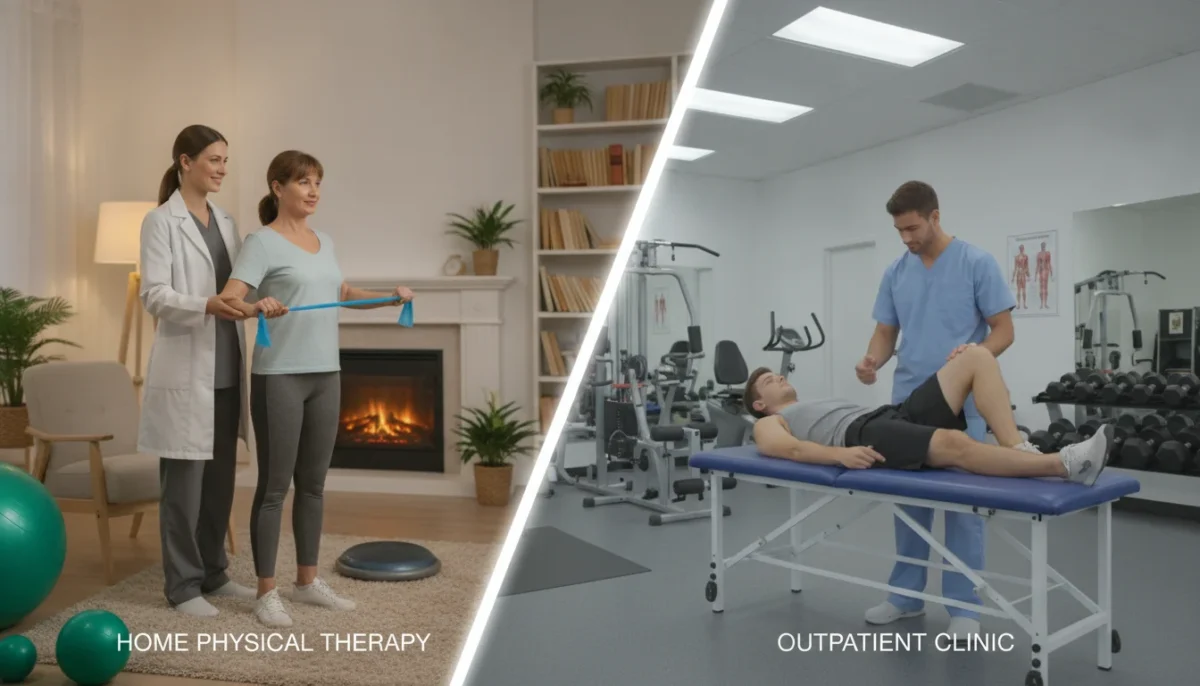
If you are recovering from surgery or an injury, home health therapists guide your rehabilitation. Physical therapists improve mobility, strength, and balance with tailored exercise programs. They help you regain the physical function needed for daily activities.
Other Healthcare Professional Roles
Your care team may also include occupational and speech therapists. Occupational therapists assist with daily tasks, while speech therapists address communication or swallowing difficulties. Supervised home health aides provide essential support under clinical guidance.
If you are unsure which professionals your situation requires, Continu Care Home Health can help your family learn about suitable services. We are available to discuss your needs and arrange a consultation. This helps ensure you receive the right level of support.
Types of Providers in Home Care
Many families in San Antonio choose non-medical care providers for a balance of independence and help. These services help loved ones stay safe and comfortable in their own homes. At Continu Care Home Health, we provide compassionate, professional care throughout San Antonio and nearby areas.
Personal Care Aides
Personal care aides help people who need support with daily living activities. They assist with grooming, bathing, and dressing, helping loved ones protect their dignity and hygiene. They also manage home routines, such as meal preparation, light cleaning, and necessary errands.
By handling these physical tasks, aides give families more time for meaningful moments together. This caregiver support helps maintain a healthy, organized home.
Companion Services
Loneliness can be one of the greatest challenges for seniors. Companion care provides social interaction and emotional connection to reduce isolation.
These providers offer conversation, games, and walks with your loved one. This service helps when family members work or travel, keeping a friendly face nearby.
Specialized Support Workers
When choosing non-medical care providers, prioritize quality and safety. Ask agencies about their rigorous training, background screening, and licensing processes.
Effective caregiver support often depends on careful matching. A strong agency pairs your loved one with a professional whose personality and skills fit their needs. Ask for references to find a team that values compassionate, professional care as much as you do.
How Costs Differ Between Home Health and Home Care
When you consider the difference between home health and home care, payment structures can vary greatly. These models serve different purposes, which affects how you pay. Understanding these financial paths supports long-term planning.
Understanding Insurance Coverage
Medical services, often called skilled care, usually follow a physician’s direction and help patients recover from illness or injury. Because these in-home nursing services are medically necessary, Medicare, Medicaid, or private health plans often cover them. Check your policy details to confirm what your current plan covers.
In contrast, skilled care vs non-medical care can lead to very different billing. Non-medical support helps with daily living and rarely receives standard health insurance coverage. You may need long-term care insurance or state-funded programs to help lower these costs.
Out-of-Pocket Expenses
When insurance does not apply, families often choose private pay arrangements. In the local market, home care costs San Antonio residents often see reach about $24 per hour. This rate is slightly below the broader Texas benchmark of nearly $28 per hour.
Your actual expenses will change based on your schedule and needed support. It is crucial to review your budget before starting any service agreement. Contact Continu Care Home Health today to discuss a personalized plan matching your needs and financial goals.
How Families in San Antonio Choose Between Options
When seeking help, the difference between home health and home care is vital. Review your loved one’s situation carefully before choosing support. This process helps you find care that fits your family’s lifestyle.
Needs Assessment Process
First, evaluate your loved one’s daily life and current needs. Consider medical requirements, physical limits, and safety concerns at home. It is essential to be honest about needed help during the day and night.
A San Antonio home care assessment can give families the clarity they need. Consider your availability and your family member’s preferences, too. These details can show whether you need short-term medical support or long-term personal assistance.
Factors Influencing Decision-Making
Next, weigh practical factors such as provider reputation, caregiver screening, and service flexibility. Also review the total cost and insurance coverage for specific medical home care services.
Many families combine different types of support for the best results. For example, skilled nursing can aid recovery while personal aides provide daily companionship. Flexibility is key as your loved one’s health changes.
If you feel unsure about your choice, contact Continu Care Home Health for guidance. We can help you understand your options and assess your specific needs. Contact us today to schedule an in-home care consultation for compassionate support.
Conclusion: Making the Right Choice for Your Family
Understanding senior support starts with knowing your family’s needs. Knowing the difference between home health and home care helps you choose suitable support.
Prioritizing Informed Decisions
Always consult a physician before starting a new care plan. Medical professionals can help decide whether clinical treatment or daily living support is appropriate.
Resources such as the Bexar Area Agency on Aging can provide local information. Informed home care decisions help loved ones get the support they need to live safely at home.
Accessing Professional Guidance
This content offers educational information and does not provide medical advice. For expert help, contact Continu Care Home Health to learn about our specialized services. We provide compassionate San Antonio in-home care tailored to each person’s needs.
Our team is ready to schedule a consultation about your unique situation. Contact Continu Care Home Health at (210) 734-6166 or visit our office at 3201 Cherry Ridge C319, San Antonio, TX 78230. We remain dedicated to serving families throughout the region with professional, reliable care.