Home Health vs. Home Care: What San Antonio Families Get Confused About

In-Home Wound Care: When a Wound Needs More Than a Bandage
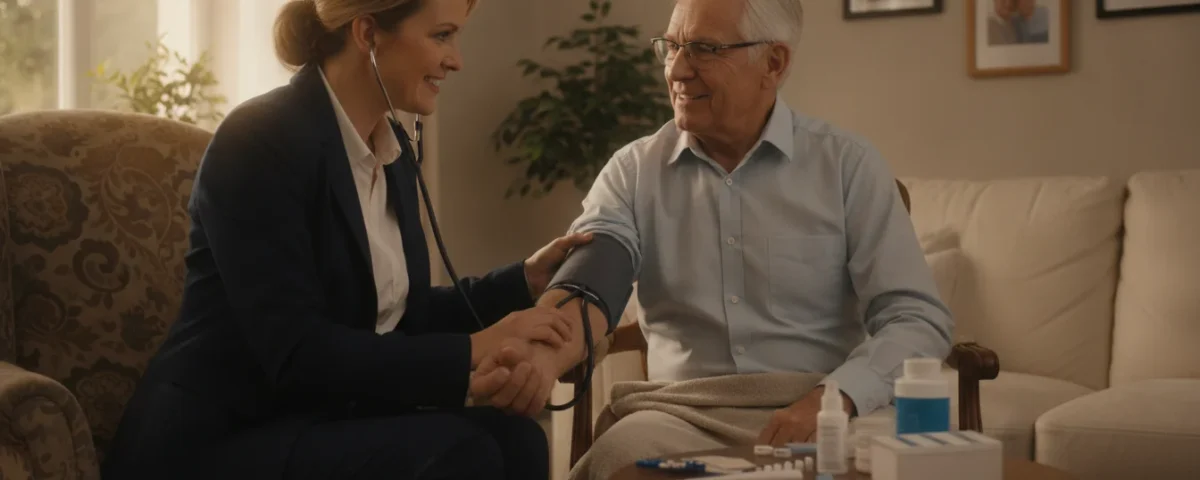
Many families ask what does skilled nursing at home include when exploring medical support options. This care goes beyond companionship or basic help with daily chores.
A professional skilled nursing visit provides clinical, physician-directed medical attention tailored to your specific health needs. This care brings hospital-grade treatment into your own living space.
At Continu Care Home Health, we help families in San Antonio and nearby areas manage complex medical needs. Our team provides wound care, medication administration, and health monitoring to support faster recovery.
We also prioritize therapy coordination and caregiver education to empower your family. Professional clinical support brings peace of mind because your loved one receives expert medical oversight every day.
Key Takeaways
- Clinical care is physician-directed and distinct from non-medical companionship.
- Professional visits focus on complex medical tasks like wound care and medication management.
- Continu Care Home Health serves patients across San Antonio and nearby regions.
- Education for family caregivers is a core component of our service model.
- Therapy coordination ensures a holistic approach to your recovery journey.
Understanding Skilled Nursing Services
When you or a loved one needs medical care, knowing the difference between clinical care and basic help matters. Many people confuse general help with medical support, but each serves a different purpose during recovery.
At Continu Care Home Health, we provide compassionate, professional care in the comfort of your home. Knowing these differences helps you receive the right support for your health goals.
What is Skilled Nursing?
Skilled nursing services provide licensed clinical care from a medical professional following a physician’s orders. This care follows a personal plan for specific health conditions or recovery needs.
A qualified home health nurse handles complex tasks that require medical training. These RN home visit services may include:
- Comprehensive health assessments and vital sign monitoring.
- Complex wound treatment and dressing changes.
- Administration of injections and IV therapy.
- Medication management and patient education.
Why Choose In-Home Care?
In-home care provides high-level clinical support without a hospital or facility stay. Staying in a familiar place can support faster healing and better mental well-being.
Clinical work differs from non-medical personal care. A home health aide helps with bathing and meals but does not perform medical procedures handled by a nurse.
| Feature | Skilled Nursing | Personal Care Aide |
|---|---|---|
| Primary Focus | Clinical/Medical | Daily Living Assistance |
| Provider Type | RN or LPN | Certified Aide |
| Core Tasks | Wounds, IVs, Meds | Bathing, Grooming, Meals |
| Requirement | Physician Orders | Care Plan |
The Role of a Skilled Nurse
A skilled nurse connects your home with your medical team. They bring clinical skills to your living room and support safe recovery or health management. Knowing skilled nurse responsibilities helps you feel confident and secure each day.
Daily Responsibilities
Each visit starts with a complete in-home nursing assessment of your condition and living space. The nurse checks your physical health and looks for home hazards that could affect your safety. This process helps the nurse create a personal care plan for your needs.
After the first check, your nurse supports you and works with your primary physician. The nurse speaks up for you and quickly reports health changes to your doctor. This communication is essential for preventing complications and adjusting care as your health changes.
Assisting with Medications
Effective medication management at home is a key part of professional nursing care. Your nurse reviews prescription and over-the-counter medications for interactions or dosage errors. They organize your pills with you and explain each treatment’s purpose.
Safety comes first when you manage your health routine. The nurse teaches family members to follow the prescribed schedule correctly. By simplifying complex routines, they help reduce the risk of medication errors and support your recovery goals.
Monitoring Health Status
Routine monitoring is an important part of your care. Each visit, your nurse tracks vital signs, skin condition, and mental status to spot early changes. They also check your mobility and fall risk, helping keep your home safe.
If the nurse sees important symptom changes, they act at once. They report findings to your healthcare provider and update your care plan. This continuous oversight gives you and your family peace of mind through care from a dedicated professional.
Types of Care Provided
Moving from a hospital to home makes specialized care an important part of healing. Each skilled nursing visit meets your clinical needs and helps you stay comfortable at home. Continu Care Home Health connects acute medical treatment with your daily life.
Post-Surgery Care
After an operation, careful attention helps prevent complications. Our team provides expert post-surgical home care and checks wounds for infection or slow healing. Early detection of problems supports a smooth recovery.
Nurses give ordered treatments and medicines exactly as your surgeon prescribes. They communicate with your medical team and track your progress accurately. This active approach can help you avoid unnecessary hospital readmissions.
Chronic Illness Management
Living with a long-term condition takes regular monitoring and education. Effective chronic disease management teaches you to spot early warning signs of diabetes, COPD, or heart failure. You will learn to manage symptoms and follow your treatment plan with confidence.
Our nurses explain why taking medicines as prescribed and changing habits matter. Learning about your health gives you greater control over daily well-being. This support helps prevent acute flare-ups.
Rehabilitation Services
Some recovery plans need more than nursing care. We coordinate physical, occupational, and speech therapists into one support team. Together, these professionals improve mobility, daily function, and communication skills.
Whether you regain strength after an injury or manage a new physical limitation, our team supports you. This team approach addresses your whole health during each skilled nursing visit. The table below shows how these services meet your specific needs.
| Care Type | Primary Focus | Key Benefit |
|---|---|---|
| Post-Surgery | Wound care & infection control | Faster healing |
| Chronic Illness | Symptom monitoring & education | Reduced hospitalizations |
| Rehabilitation | Mobility & functional independence | Improved quality of life |
Personal Care Services
Clinical care matters, but many patients also need help with daily tasks during recovery. Adding personal care at home to your plan keeps your space safe while you focus on healing.
Remember that skilled nursing and custodial care have different roles. An RN gives medical treatment, while a home health aide offers hands-on help for daily comfort.
Bathing and Grooming
Good hygiene supports physical health and emotional well-being during recovery. Home health aide services can help with bathing, dressing, and grooming after surgery or illness.
These professionals help you stay clean and comfortable at home. Their support saves energy for healing instead of daily upkeep.
Meal Preparation
Good nutrition supports a faster recovery after medical procedures. Aides can prepare healthy meals that meet your dietary needs or restrictions.
They can also do light kitchen housekeeping and help keep the area sanitary. This support helps you keep your strength without the stress of cooking or cleaning.
Mobility Assistance
Safe movement at home helps prevent falls and further injury. Aides can support walking, bed-to-chair transfers, and movement through your living space.
This help often supports RN home visit services by keeping patients active between clinical check-ups. If you are unsure of your needs, Continu Care Home Health can help your family explore suitable care arrangements.
Medicare typically covers skilled nursing, but may not cover custodial care, such as bathing or meal prep alone. Families may need private payment or Medicaid-related programs for these ongoing needs.
| Service Type | Primary Focus | Typical Provider |
|---|---|---|
| Skilled Nursing | Medical treatments and monitoring | Registered Nurse (RN) |
| Personal Care | Daily living and hygiene | Home Health Aide |
| Rehabilitation | Physical and functional recovery | Physical/Occupational Therapist |
Equipment and Technology Used
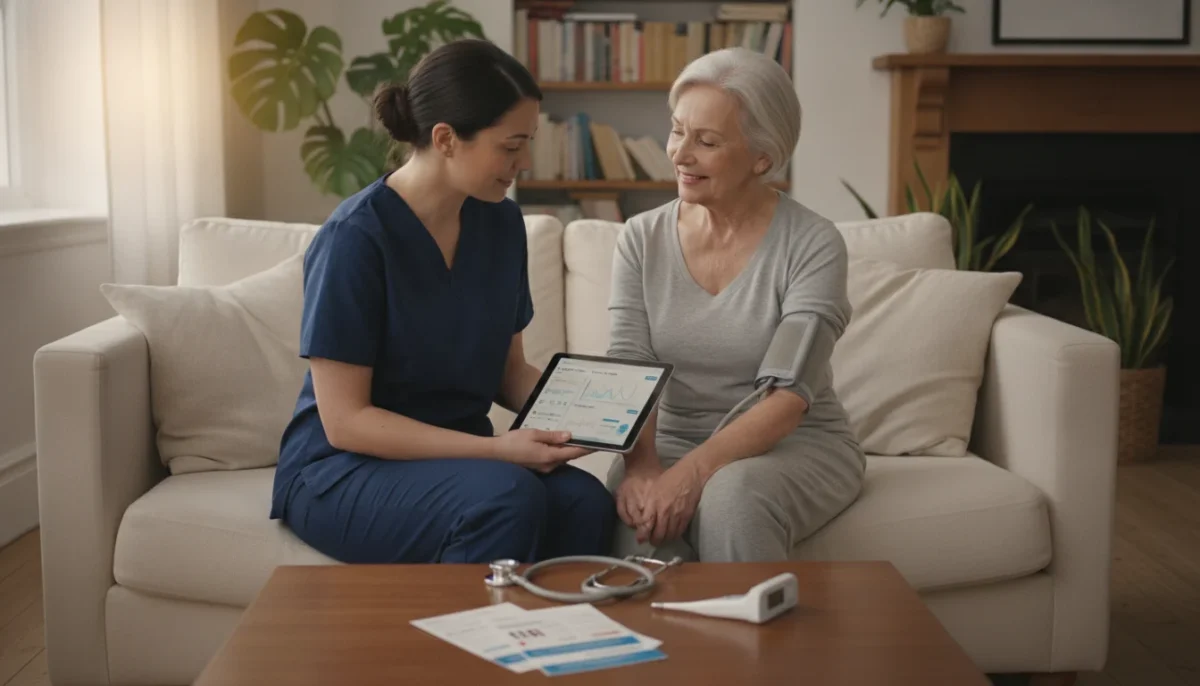
You may wonder how medical equipment works safely in your home. Modern healthcare brings advanced clinical care into homes, where hospitals once provided it. With the right tools, your care team can support safe, effective recovery.
Medical Devices in Skilled Nursing
Your nurse may bring specialized home medical equipment for your health needs. It may include sterile wound-care supplies, IV therapy equipment, or tools for catheters and ostomy sites. These devices help prevent infections and keep treatment consistent with your doctor’s orders.
During an in-home nursing assessment, your clinician will choose devices for your condition. They will check your living space to ensure each device fits and works correctly. Your nurse from Continu Care Home Health will train you and your caregivers to use these tools safely.
Telehealth and Remote Monitoring
Technology also keeps you connected to your medical team. Remote patient monitoring lets your nurse track vital signs, such as blood pressure, heart rate, and oxygen levels, between visits. This early action can reveal problems before they become serious.
These digital tools supplement clinical judgment; they do not replace it. Your nurse uses data from remote patient monitoring to guide your care plan. If readings show changes, your team can adjust treatment or schedule an urgent visit.
| Equipment Type | Primary Purpose | Caregiver Role |
|---|---|---|
| Wound Care Kits | Infection prevention | Observe site for changes |
| IV Infusion Pumps | Medication delivery | Monitor for alarms |
| Pulse Oximeters | Oxygen level tracking | Record daily readings |
| Catheter Supplies | Bladder management | Maintain sterile hygiene |
The availability of specific equipment depends on medical necessity and your insurance coverage. Your agency will coordinate with your physician to provide supplies needed for recovery. Continu Care Home Health staff will help you manage these requirements, so you can focus on your health.
Coordination with Other Healthcare Professionals
Coordinated home health care supports recovery while you heal at home. When experts share health information, clear communication helps prevent missed details. Continu Care Home Health brings patients, families, and medical experts together around one care plan.
Collaboration with Physicians
Your recovery depends on steady information flow between your home and your doctor’s office. RN home visit services work best when nurses communicate with your ordering physician. This partnership allows real-time treatment changes based on your daily progress.
Nurses report symptoms, vital-sign changes, and wound-healing progress directly to your doctor. They report concerns about medication side effects and treatment responses, helping physicians make informed decisions. This proactive approach aligns care with current health goals and helps prevent unnecessary hospital readmissions.
Involvement of Therapists and Aides
An effective interdisciplinary care team includes specialists who work together. Besides nursing, physical therapists may improve mobility, and occupational therapists may support daily tasks. Speech therapists may address communication or swallowing needs.
Social workers and home health aides support environmental needs and personal care. When they share updates, these professionals reduce care gaps after hospital discharge. The table below shows how each team member supports your overall wellness.
| Professional Role | Primary Responsibility | Impact on Recovery |
|---|---|---|
| Registered Nurse | Clinical monitoring and medication management | Ensures medical stability |
| Physical Therapist | Strength and mobility training | Promotes physical independence |
| Occupational Therapist | Daily living skills and home safety | Enhances functional autonomy |
| Home Health Aide | Personal care and hygiene assistance | Supports daily comfort and safety |
How to Begin Skilled Nursing at Home
Starting home care begins with a formal request from your doctor. A home health referral starts the care process. After deciding you need professional medical care, your physician coordinates with a provider to begin your care plan.
Assessment of Needs
After receiving the referral, a clinical representative visits your home for a full evaluation. This initial assessment reviews your medical condition, mobility, and safety needs. The team reviews your health goals and tailors care to your recovery or management needs.
During the visit, staff check your home for possible hazards. They seek ways to improve safety and independence during a skilled nursing visit. Together, you and the team create a realistic, effective plan for your situation.
Choosing a Home Health Agency
Choosing a health care partner is an important decision that affects your quality of life. Prioritize a Medicare-certified home health agency that meets strict federal quality and safety standards. These agencies meet high standards for patient outcomes and clinical excellence.
Compare each agency’s communication practices and nursing staff qualifications. You should feel comfortable with the team entering your home regularly. Also, confirm that the agency accepts your insurance plan to avoid unexpected costs.
If you are unsure where to start, please contact Continu Care Home Health today. We can help you choose a skilled nursing visit or broader home health referral for you or your loved one. We provide guidance for an informed care decision.
Insurance and Payment Options
Paying for home healthcare can feel overwhelming, but learning your choices can bring peace of mind. Whether you explore Medicare home health coverage or private insurance, knowing what to expect helps you plan. At Continu Care Home Health, we help your family ask about coverage and services.
Medicare Reimbursement for Home Care
Federal rules require certain conditions before you qualify for benefits. A physician’s order must confirm your need for intermittent skilled nursing or therapy. You must also be homebound, meaning leaving home requires a taxing effort.
Your care agency must be Medicare-certified and meet quality standards. When these conditions are met, Medicare often covers skilled nursing, physical therapy, and needed medical supplies. Check your benefits with your insurer and healthcare providers before treatment begins.
Understanding Out-of-Pocket Expenses
Some medical services fall outside standard insurance for skilled nursing. You may pay for non-medical support. Costs can include long-term custodial care, meal delivery, or housekeeping unrelated to medical recovery.
Private-duty hours or equipment deemed unnecessary may also require personal payment. Review your policy for deductibles and copayments to avoid unexpected bills. Consider home care payment options, including veterans’ benefits or private insurance, for more financial flexibility.
| Service Category | Typically Covered | Out-of-Pocket |
|---|---|---|
| Skilled Nursing | Yes | No |
| Physical Therapy | Yes | No |
| Meal Delivery | No | Yes |
| Custodial Support | No | Yes |
Confirm all benefits with your insurance carrier and the clinical team at Continu Care Home Health. These steps help you focus on health and recovery instead of financial uncertainty.
Family Support and Education
Giving your family useful skills is central to Continu Care Home Health’s commitment to your health. We believe true healing begins when everyone feels ready and confident managing daily care. Our team works with you to make each transition clear and caring.
Training for Family Caregivers
The process begins with a complete in-home nursing assessment. Our nurses learn what you understand and where more teaching can help keep your loved one safe. We teach practical skills, such as medication routines, wound or catheter care, and mobility precautions.
Nurses demonstrate each technique and watch you practice it to check your accuracy. This hands-on caregiver education helps you manage nutrition guidance, track symptoms, and spot early infection warnings. We also teach safe ways to communicate with the care team between scheduled visits.
Resources for Family Support
Caregiving can also bring a heavy emotional and logistical load. Medical social workers provide family caregiver support by connecting you with important community resources. They can guide you through questions about insurance coverage, transportation, or specialized equipment.
We help families understand long-term care planning, which can lower stress and improve quality of life. Through our in-home nursing assessment and support services, you gain a network designed to protect your well-being. You are never alone in this journey, and we provide tools for long-term success.
Evaluating Quality of Care
Quality care at home means more than frequent visits. It should improve your daily life. When you assess home health quality, choose a provider that protects your safety, supports progress, and builds confidence. An effective care plan changes with your needs instead of following a fixed schedule.
Selecting the Right Skilled Nurse
The skilled nurse selection process can strongly affect your recovery. Choose professionals who communicate clearly, show compassion, and coordinate care well. At Continu Care Home Health, we stress finding a nurse who matches your personality and medical needs.
When you interview providers, ask when services start and who answers urgent calls after hours. Ask how the agency handles missed visits and records your daily progress. A reliable nurse keeps your physician informed, so your care stays consistent and proactive.
Patient Satisfaction and Feedback
Your voice helps maintain high standards in RN home visit services. Share your experience often so agencies can find strengths or gaps in punctuality, respect, and follow-through. Honest feedback helps keep your care individualized and effective.
This table shows key signs that can help you evaluate your current support system.
| Evaluation Criteria | High-Quality Care | Areas for Concern |
|---|---|---|
| Communication | Proactive and clear | Delayed or vague |
| Clinical Coordination | Regular physician updates | Isolated decision-making |
| Reliability | Consistent and punctual | Frequent scheduling changes |
| Patient Focus | Tailored to your goals | One-size-fits-all approach |
The right RN home visit services should help you control your health. Using these measures can make your home health experience supportive and transformative.
Frequently Asked Questions
Managing home health can feel overwhelming during recovery or while living with a chronic condition. These skilled nursing FAQs explain clinical support at home.
Common Concerns About In-Home Nursing
Many people wonder if a nurse stays in the home around the clock. A skilled nursing visit is scheduled as needed, not for constant companionship. Eligibility depends on a physician’s order, your medical status, and an agency assessment for homebound care.
Addressing Myths About Skilled Nursing
Some believe home health is only for people at the end of life. In reality, it helps patients recover from surgery, manage complex wounds, or control chronic illnesses. These in-home care questions often arise because medical professionals work with your primary doctor to improve health outcomes.
Continu Care Home Health proudly serves patients and families throughout San Antonio and surrounding areas. Our compassionate, professional care is delivered in the comfort of home.
Call our team at (210) 734-6166 to learn about in-home care or schedule a consultation for yourself or a loved one. Visit our office at 3201 Cherry Ridge C319, San Antonio, TX 78230.
This article is not medical advice. Please contact your doctor before implementing anything covered in this post.