Home Health vs. Assisted Living: How Families Know When Staying Home Stops Working

Caregiver Burnout: The Symptoms Family Caregivers Talk Themselves Out Of
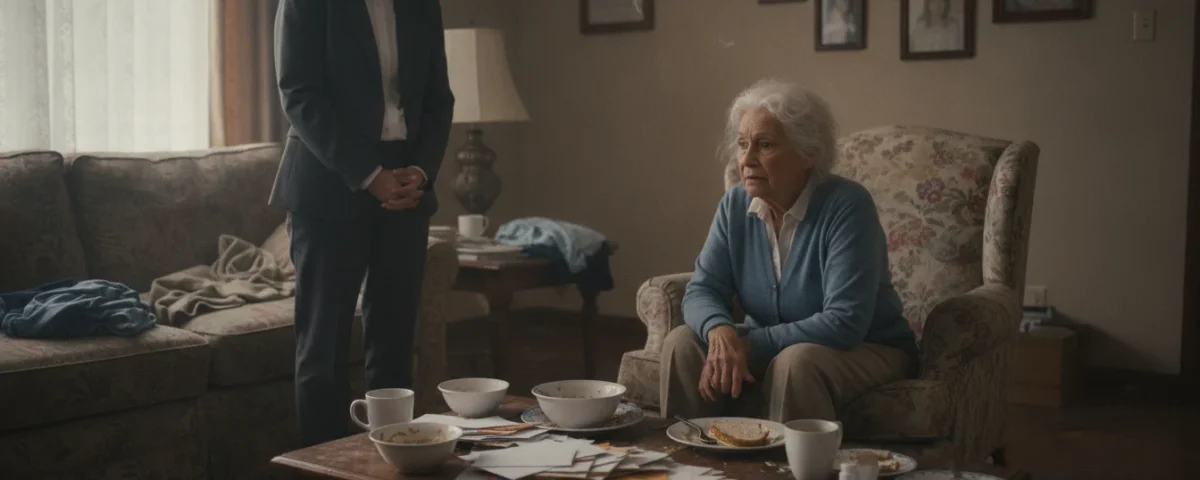
Watching a loved one struggle with daily tasks can feel difficult. You may notice small changes in hygiene, nutrition, or memory that suggest declining health. Recognizing signs your elderly parent needs help at home lets families plan before an emergency.
It is vital to understand when to get home care to protect safety and comfort. One observation does not prove a major problem, but several changes may call for a respectful conversation. Continu Care Home Health provides compassionate, professional support for families throughout San Antonio.
Our team provides quality assistance for people who want to remain independent. We believe timely help protects dignity and improves quality of life.
Key Takeaways
- Identify subtle behavioral shifts early to prevent future emergencies.
- Monitor changes in personal hygiene, nutrition, and medication management.
- Understand that multiple concerns often indicate a need for professional evaluation.
- Prioritize open, respectful communication with family members about wellness.
- Consider local resources like Continu Care Home Health for expert guidance.
Why Families Are Watching for Early Changes in Aging at Home
Brief weekend visits can hide signs of an elderly parent declining health. Parents may show a “brave face” and hide struggles during the rest of the week. Stay alert for caregiver warning signs before they become serious safety risks.
What changing daily routines can reveal about elderly parent declining health
Small behavior changes may show that your loved one is struggling. A parent who loved cooking may now choose frozen meals, and their home may look less tidy. These changes in aging parent care needs may signal fatigue, pain, or cognitive challenges.
Who should be involved in noticing and discussing new care needs
Understanding your parent’s well-being takes teamwork. Share updates with siblings, trusted neighbors, and the parent’s primary physician. Most importantly, involve your parent in the conversation so they feel respected and heard during planning.
How early support may reduce preventable emergencies and rushed decisions
Early action lets you explore options like Continu Care Home Health before a crisis forces a decision. Waiting for an emergency limits service comparisons and makes transitions harder for your parent. Proactive planning helps your loved one stay comfortable and safe at home as long as possible.
Distinguishing a temporary setback from a continuing pattern
Everyone has an occasional “off” day because of illness or stress. Still, behaviors lasting several weeks deserve serious attention. Use the table below to separate a passing moment from a real need for support.
| Observation | Temporary Setback | Continuing Pattern |
|---|---|---|
| Household Cleanliness | One messy room after a busy week | Chronic clutter and neglected chores |
| Social Interaction | Skipping one event due to fatigue | Consistent withdrawal from friends |
| Medication Habits | One forgotten dose during travel | Frequent missed or double doses |
| Physical Mobility | Soreness after a long walk | Consistent fear of moving or falling |
Sign Your Parent Is Struggling With Personal Hygiene
Personal hygiene is private, but changes in daily habits can be clear signs your elderly parent needs help at home. Look beyond appearance when these habits change. These changes often point to physical or cognitive challenges, not laziness.
Missed showers, unwashed clothing, or neglected grooming
You may notice your parent wears the same outfit for several days or has stained clothing. Other signs include messy hair, untrimmed nails, or worsening oral hygiene. These changes may mean basic self-care now feels overwhelming.
Skipped grooming often means the task feels painful, tiring, or confusing. Small tasks that were once automatic can suddenly feel like monumental hurdles. Spotting these patterns early lets you help before they affect health or social confidence.
Why hygiene changes may reflect fatigue, pain, memory loss, or safety concerns
An elderly parent declining health may struggle with daily routines. Chronic pain, limited movement, or extreme fatigue often causes these difficulties. Many seniors fear bathroom falls because wet surfaces can be slippery.
Memory loss may make a parent forget bathing or dressing steps. Depression may also reduce motivation and lead to poor self-care. Knowing the cause helps you offer the right support.
How to raise the subject without embarrassing your parent
Discussing this topic requires patience and deep respect for your parent’s dignity. Share what you notice with curiosity, not judgment. Ask, “I noticed you seem tired lately; has it been difficult to get around the bathroom?”
Focus on comfort and safety when suggesting personal care assistance. At Continu Care Home Health, we provide private, respectful support. Our caregivers help with daily tasks, so your loved one feels clean, confident, and empowered to remain in their own home.
| Observed Change | Potential Underlying Cause | Recommended Action |
|---|---|---|
| Body odor or unwashed hair | Fear of falling in the shower | Install grab bars and non-slip mats |
| Repeatedly wearing dirty clothes | Difficulty operating laundry machines | Schedule a weekly laundry service |
| Neglected oral care | Arthritis or hand tremors | Switch to an electric toothbrush |
| Unkempt appearance | Cognitive decline or depression | Consult a primary care physician |
Sign Your Parent Is Having Trouble Preparing or Eating Meals
When the kitchen feels stressful instead of nourishing, it may show your parent’s health is declining. Recognizing these signs your elderly parent needs help at home early can help prevent long-term health complications. Small changes in daily habits may warn that independent living is becoming harder.
Unopened groceries, spoiled food, and skipped meals
You may find expired food in the refrigerator or fresh produce left untouched. These signs can point to elderly parent declining health and problems with planning, shopping, or cooking. When a parent skips meals, preparing food may have become too difficult.
Processed snacks or packaged foods may show that your parent avoids the stove for safety. Unopened grocery bags or little diet variety deserve a closer look. These patterns may show they cannot meet their nutrition needs alone.
Warning signs of dehydration, unintended weight loss, or poor nutrition
Physical changes often show that a parent is not eating well. Unplanned weight loss, sudden fatigue, or dehydration can signal a serious problem. These issues may worsen diabetes or hypertension, so monitor their food and fluid intake.
Appetite changes are common, but they may also signal dental pain or trouble swallowing. If your parent loses weight or seems tired all the time, consult their doctor immediately. Proper senior nutrition support helps maintain strength and quality of life.
Making meals safer while preserving your parent’s independence
You can help your parent eat well without taking away independence. Try organized grocery lists, adaptive kitchen tools, and reminders to drink water. Continu Care Home Health can help families find in-home support for safer meals, groceries, and daily routines.
| Observation | Potential Risk | Recommended Action |
|---|---|---|
| Expired food in fridge | Food poisoning | Clear out and restock |
| Unintended weight loss | Malnutrition | Consult a physician |
| Skipping meals | Dehydration/Fatigue | Schedule meal delivery |
| Difficulty cooking | Burn or fire risk | Hire home support |
Sign Your Parent Is Missing Medications or Medical Appointments
When elderly parent declining health appears, medical routines may become hard to manage. You may notice trouble tracking daily pills or attending important doctor visits. These lapses can show that your parent’s independence is fading.
Refilled prescriptions, forgotten doses, and confusing medication instructions
Check your parent’s medicine cabinet for signs they are following prescriptions. You may find full bottles that should be empty, or several half-filled containers showing inconsistent use. Confusion may follow a dosage change or new medication, leaving your parent unsure about timing or frequency.
If your parent skips doses or takes the wrong amount, step in. medication reminders for seniors can support treatment plans and help your parent stay on schedule. Consistent use helps manage chronic conditions.
How missed appointments can signal memory, transportation, or organizational problems
Missed medical appointments are another serious warning sign. This may result from memory loss, transportation problems, or trouble organizing a busy calendar. Without check-ups, your parent may miss health issues until they become emergencies.
Consider these signs that your parent may need extra support with their medical schedule:
| Observation | Potential Risk | Action Needed |
|---|---|---|
| Unopened prescription refills | Non-adherence to treatment | Verify with pharmacy |
| Missed specialist visits | Worsening chronic illness | Review transport needs |
| Confusion over pill timing | Accidental overdose or illness | Use pill organizers |
Why medication management should be coordinated with the parent’s doctor
Never change doses or stop medications without professional guidance. Consult your parent’s physician before adjusting their regimen. A doctor can explain which changes are safe and effective.
If your parent keeps struggling, you may wonder when to get home care for added oversight. Services like Continu Care Home Health can help with medications, appointments, and transportation. Early support can prevent a crisis and help your parent stay healthy at home.
Sign Your Parent’s Home Has Become Unsafe or Unusually Disorganized
Changes in a home’s physical condition can be one of the clearest signs your elderly parent needs help at home. A once-immaculate house may show neglect when physical or cognitive challenges make daily chores hard. You may see that everyday tasks have become overwhelming for your loved one.
Cluttered walkways, poor lighting, spills, and neglected household tasks
Look closely at the home’s common areas during your next visit. You might see laundry piles, unwashed dishes, or mail untouched for weeks. Cluttered walkways create obstacles that can cause trips and falls.
Poor lighting in hallways or near stairs can make safe movement difficult. Uncleaned spills or lingering odors may show struggles with mobility, fatigue, or memory loss. These caregiver warning signs may mean the home is no longer manageable.
Household conditions that increase fall, fire, and infection risks
Neglected chores create health hazards, not just an untidy home. Spoiled food in the refrigerator or uncollected trash can cause infection risks and attract pests. Items placed too close to heaters or stoves can also cause accidental fires.
Blocked access to essential rooms, such as a bathroom or kitchen, may mean your parent cannot maintain the space. The home can then become a barrier to healthy living. Addressing these issues early helps protect your parent’s independence and safety.
Using a respectful home safety assessment instead of taking over
It is natural to want to fix everything at once. However, approach the situation with empathy. Do not take control without consent; consider a collaborative home safety assessment.
This process helps you identify risks while keeping your parent involved in decisions. You might ask an occupational therapist to give an objective view of the home. Continu Care Home Health can help families explore in-home services that respect your parent’s preferences and dignity.
By working together, you can create a safety plan. It can honor your parent’s right to choose how they live.
Sign Your Parent Has Fallen, Nearly Fallen, or Avoids Moving Around
Watching your parent move through the home may reveal early signs of declining physical stability. Many older adults hide struggles to protect their independence, so careful observation matters. Recognizing these signs your elderly parent needs help at home early can prevent serious injuries and improve quality of life.
Recent falls, bruises, furniture-walking, and fear of stairs
You may see your parent hold walls or furniture while moving between rooms. This “furniture-walking” often shows that they no longer feel secure on their feet. Pay close attention to these warning signs:
- Unexplained bruises or skin tears that they cannot account for.
- A noticeable change in gait, such as shuffling or dragging feet.
- Avoidance of stairs or rooms that were previously easy to access.
- New bandages or signs of minor injuries that suggest a recent, unreported fall.
When balance or mobility changes require prompt medical attention
If your parent suddenly cannot stand or move from a chair, seek medical evaluation at once. These changes may point to health problems that need a doctor’s assessment. Senior fall prevention begins by spotting these physical changes before a major accident.
Do not wait for a crisis to address these concerns. If fear of falling makes your parent less active, consult their primary care physician. They can determine if physical therapy or assistive devices are needed to restore confidence and safety.
Safer assistance with transfers, bathing, walking, and everyday movement
Daily tasks, such as bathing or getting out of bed, can become dangerous without proper support. Do not lift your parent alone, because you both could suffer injuries. Instead, consider when to get home care for safe, professional assistance.
At Continu Care Home Health, we specialize in providing support for safe daily movement. Our team can help with transfers, walking, and home changes that lower risks. Professional help keeps your parent safe while preserving dignity in the comfort of their own home.
Sign Your Parent Is Showing New Memory or Judgment Problems
Cognitive changes can appear in subtle ways, making them easy to miss until they form a pattern. When you notice an elderly parent declining health, concern about their long-term safety and independence is natural. Spotting these changes early helps you offer support before a crisis occurs.
Repeated questions, unpaid bills, lost items, and confusion about familiar tasks
Your parent may ask the same question several times within a short period. They may also struggle to manage routine financial obligations. Unpaid bills or lost items, such as keys and glasses, are common caregiver warning signs that deserve attention.
Confusion during familiar tasks, such as cooking a favorite meal or following a familiar route, can signal deeper issues. When these behaviors happen often, your parent may struggle to manage daily life. Consistent supervision through services like Continu Care Home Health can provide structure and keep them safe and organized.
Recognizing patterns that may go beyond ordinary forgetfulness
It is important to tell occasional forgetfulness from persistent senior memory problems. Everyone forgets names or appointments, but ongoing confusion may signal dementia, medication side effects, or treatable metabolic issues. Because many medical causes can create these symptoms, a professional evaluation is essential.
Early intervention is key to managing these changes. If you think your parent is struggling, seek help before a major incident. Early action helps you plan for the future, including consulting with professionals about power-of-attorney and other vital legal or financial documents.
Documenting observations before speaking with a health care professional
Before the next doctor’s visit, create a clear record of your observations. Record dates, examples of confusion, and any triggers you have seen. This detailed documentation helps the physician understand the issue and your parent’s current functional status.
Sharing this information with a healthcare provider helps your parent receive an accurate assessment. By acting early, you become a strong advocate for their well-being. Professional home health services support patients and families during this transition, so you need not face it alone.
Sign Your Parent Is Becoming More Isolated or Emotionally Distressed
When your parent starts isolating, it may signal deeper issues that need your attention. Physical health is easy to track, but elderly parent emotional changes often go unnoticed until they become severe. Spotting these shifts early is among the most important signs your elderly parent needs help at home.
Missed calls, canceled activities, loneliness, and withdrawal from friends
You may notice your parent stops answering calls or declines social invitations they once enjoyed. This withdrawal may come from lost confidence or exhaustion from managing daily tasks. Loneliness can grow quickly when someone cannot keep up with their usual social circle.
Watch closely if your parent loses interest in hobbies or stops contacting friends. These behaviors are not a normal part of aging; they can be caregiver warning signs of a need for help. Without social contact, cognitive and physical health may decline quickly.
How depression, grief, anxiety, or physical limitations can affect daily functioning
Emotional distress can appear as poor physical care. Depression or anxiety may cause a parent to eat poorly, skip medication doses, or neglect personal hygiene. Grief, chronic pain, and frustration from losing physical independence can trigger these feelings.
Sudden mood swings or irritability may signal medical issues, such as infections or blood sugar fluctuations. Look beyond the surface to learn whether these changes are medical or psychological. Continu Care Home Health supports families with compassionate care for daily needs while respecting your parent’s emotional state.
Supporting connection without dismissing your parent’s feelings
It is natural to want quick solutions, but listening is your most powerful tool. Do not dismiss feelings by saying, “you just need to get out more.” Instead, validate their experience to build trust and maintain a strong connection.
- Acknowledge their frustration with physical limitations.
- Encourage small, manageable social interactions.
- Consult a healthcare professional if you notice abrupt personality shifts.
By staying present and observant, you can help your parent manage these difficult changes. Continu Care Home Health works closely with families to help your parent feel heard, valued, and supported in their own home.
Sign Your Parent Is Struggling With Driving, Errands, or Getting Around
It can be hard, but families must recognize when a loved one can no longer drive safely. These signs your elderly parent needs help at home often appear in the garage or during regular trips to the store. Small changes in driving or errands may warn that their independence is at risk.
New dents, missed destinations, and difficulty managing transportation
Vehicle evidence, such as unexplained dents, scratches, or scuffs, often shows declining spatial awareness. Your parent may struggle with familiar routes or arrive at destinations much later than expected. These events may show that thinking or reaction times are slowing.
If your parent has received traffic tickets or had minor fender benders, have a serious conversation. Ignoring these red flags can endanger your parent and others on the road. Prioritizing safety over a hard conversation protects their long-term well-being.
Signs errands and community activities are becoming overwhelming
Sometimes, the car is not the main problem; leaving home requires too much mental energy. Your parent may abandon grocery trips, forget why they went, or show visible anxiety before outings. These actions can cause social withdrawal and less community involvement.
When errands cause stress instead of routine, your parent needs support. If they skip appointments or fail to pick up prescriptions, evaluate when to get home care to bridge the gap. Professional help can meet daily needs without traffic or complex logistics.
Planning alternatives that protect safety and dignity
Approach this topic with empathy and focus on their quality of life. Instead of calling it a loss of freedom, focus on practical solutions that keep them connected. Explore options such as family carpooling, community shuttle services, or professional senior transportation assistance.
Continu Care Home Health can help families explore these choices with caregivers for errands, medical appointments, and social outings. These services protect your parent’s dignity while keeping them safe and active. The table below shows how to identify these needs and match them with available support options.
| Observation | Potential Risk | Recommended Support |
|---|---|---|
| New vehicle damage | Accident/Injury | Driving assessment |
| Getting lost on routes | Cognitive decline | Professional transport |
| Skipped appointments | Health deterioration | Home health aide |
| Anxiety over errands | Social isolation | Accompanied outings |
Sign Your Parent Cannot Manage Bills, Calls, or Household Responsibilities
When an aging parent misses payments or leaves mail unopened, it may show deeper changes. Their once-organized desk may now hold tall stacks of paper. This shift often links to elderly parent declining health, because finances require executive skills that may fade.
Late notices, duplicate payments, scams, and unopened mail
Financial problems often follow clear, observable patterns. You may find utility late notices, duplicate checks, or signs of predatory scams. These problems go beyond forgetfulness; they are critical indicators that information processing is changing.
Unopened mail is a common red flag that may show daily tasks feel overwhelming. Your parent may avoid bills because paying them feels too difficult. This behavior is among the strongest caregiver warning signs that professional help may be needed.
How administrative difficulties can expose broader changes in independence
Administrative struggles can reflect decline in other areas, including medication management or personal hygiene. If a parent cannot track a bank balance, vision, memory, or early-stage depression may play a role. These challenges show reduced independence and call for compassionate attention from family.
| Observation | Potential Concern | Recommended Action |
|---|---|---|
| Unopened mail | Overwhelm/Memory loss | Review mail together |
| Duplicate payments | Executive function decline | Automate bill payments |
| Unusual phone calls | Risk of financial scams | Monitor account activity |
| Bounced checks | Poor financial oversight | Consult a financial advisor |
Setting up practical support while respecting privacy and decision-making rights
Prioritize aging parent financial safety while respecting your parent’s dignity. Before accessing private records, make sure you have legal authority. Consulting an elder-law attorney is the best way to establish a Power of Attorney and keep planning documents current.
While managing legal and financial matters, consider outside help with daily tasks. Continu Care Home Health can provide the non-financial support your parent needs for daily routines. Delegating chores to professionals lets you protect assets while keeping your parent safe and comfortable at home.
Sign You Are Seeing Caregiver Warning Signs in Yourself
Knowing your limits is vital during caregiving. Your parent may be your focus, but your health and mental state support the care you provide. Ignoring your needs can reduce the quality of your support.
Exhaustion, irritability, missed work, and constant worry
Feeling overwhelmed is common, but ongoing strain can disrupt your daily life. If you notice these caregiver warning signs, pause and assess your situation:
- Chronic fatigue that does not improve with rest.
- Increased irritability or impatience with your parent.
- Frequent absences or lack of focus at your place of employment.
- Constant, nagging worry about your parent’s safety or health.
- Neglecting your own medical appointments or personal hygiene.
Why one family caregiver may no longer be able to cover every need
Many people begin caregiving with good intentions and believe they can manage every task alone. However, family caregiver burnout is a serious condition that can harm your physical and emotional health. As your parent’s needs change, care may become too complex for one person to manage safely.
Trying to do everything can weaken your judgment and cause medication or safety mistakes. Admitting you need support does not mean you failed. It helps ensure your parent receives steady, high-quality care.
Recognizing that asking for help supports both you and your parent
Understanding when to get home care helps you maintain a healthy relationship with your loved one. Professional help, such as services from Continu Care Home Health, lets you shift from full-time caregiver to supportive family member. This shift reduces stress and gives your parent specialized attention.
Sharing the load creates a safer environment for your parent and helps restore your well-being. Professional support keeps your parent safe, nourished, and engaged when you are away. Accepting help is the best way to provide lasting care for your family.
What to Do When You Notice These Signs

When your parent’s daily life changes, respond with patience and a clear plan. Early identification of caregiver warning signs helps you address the signs your elderly parent needs help at home before problems grow. Stay observant so you can offer support without adding stress.
How to start a calm, respectful conversation about help at home
Choose a quiet, private time to talk. Share your observations without making accusations, and focus on your parent’s independence goals. Listen carefully because they may fear losing their independence.
When to get home care instead of waiting for a crisis
Deciding when to get home care means noticing when routine tasks become too hard. Waiting for a medical emergency can limit your choices and force rushed decisions. Early care helps your parent adjust slowly while staying comfortable.
Creating a written picture of your parent’s daily needs and risks
Record daily activities to understand your parent’s complete situation. This record helps when you speak with medical professionals or possible caregivers.
Tracking meals, medications, mobility, hygiene, appointments, and mood
- Nutrition: Note if meals are skipped or if food is left to spoil.
- Medication: Keep a log of missed doses or confusion regarding prescriptions.
- Mobility: Record any near-falls or difficulty navigating the home.
- Well-being: Track changes in mood, grooming habits, and social engagement.
Choosing between family assistance, private support, and professional home health services
You have several care options, from family help to specialized medical support. Choose the level that best matches your parent’s current health.
Questions to ask about caregiver qualifications, supervision, scheduling, and communication
| Service Type | Best For | Key Consideration |
|---|---|---|
| Family Assistance | Minor daily tasks | Risk of caregiver burnout |
| Private Support | Companionship | Vetting and background checks |
| Professional Home Health | Medical/Complex needs | Licensing and supervision |
How Continu Care Home Health can support patients and families
Continu Care Home Health offers compassionate, professional care in your loved one’s home. Our team supports quality of life while giving families peace of mind.
Compassionate, professional care delivered in the comfort of home
We protect each patient’s dignity and comfort. Our trained staff manages complex needs with empathy and clinical skill.
Services for patients and families throughout San Antonio and surrounding areas
We serve families throughout San Antonio and nearby regions. For guidance or support, contact us at (210) 734-6166. You can also visit our office at 3201 Cherry Ridge C319, San Antonio, TX 78230. We can help you make these important decisions.
When a sudden change requires immediate medical or emergency attention
Routine care planning matters, but some situations need immediate action. Always put safety first during sudden health changes.
Responding to falls, severe confusion, chest pain, breathing problems, or other urgent symptoms
If your parent falls, develops chest pain, or becomes severely confused, do not wait for an appointment. Call emergency services immediately for the urgent medical care needed for their safety.
Conclusion
Recognizing the signs your elderly parent needs help at home often means noticing small, connected changes. You may see daily habit changes that reveal an elderly parent declining health before a major crisis. Early action helps you plan and avoid rushed decisions during an emergency.
Monitor your own well-being throughout this process. Noticing caregiver warning signs matters because your health affects the support you provide. Balancing your needs with your family’s needs creates a lasting care plan for everyone.
Knowing when to get home care marks a major step for your family. You do not have to make these complex choices alone. Continu Care Home Health proudly provides compassionate, professional home care to patients and families in San Antonio and surrounding areas.
Our team can help evaluate your specific situation. Call us if you need help. Reach Continu Care Home Health at (210) 734-6166 or visit 3201 Cherry Ridge C319, San Antonio, TX 78230, to schedule a consultation.
This article is not medical advice. Please contact your doctor before implementing anything covered in this post.