
Protecting Seniors From Extreme Heat During San Antonio Summers

Preventing Medication Mix-Ups in Older Adults
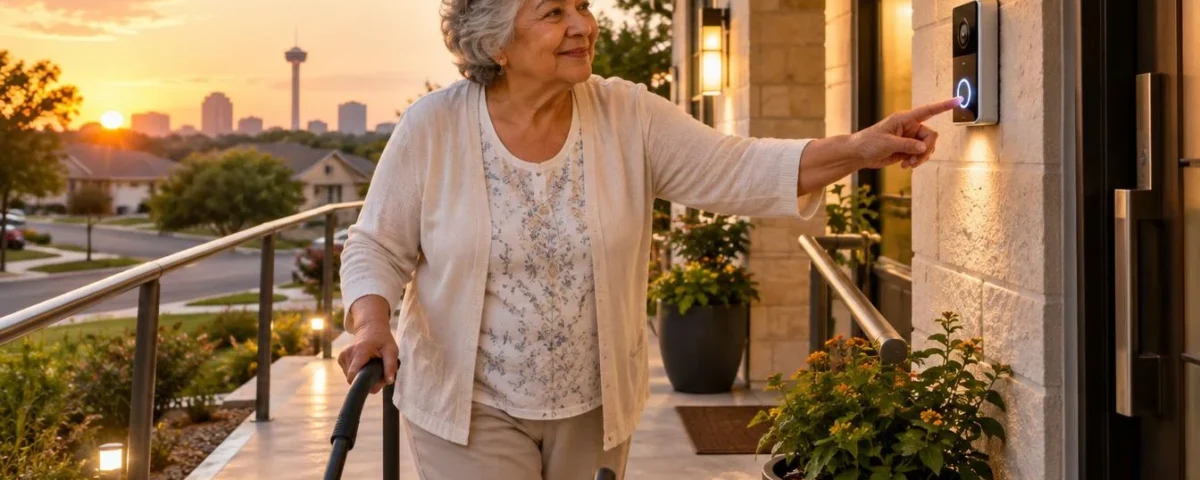
A San Antonio senior who struggles with a familiar step, dim hallway, or slippery bathroom may be able to make daily routines easier through targeted home changes. Aging in place modifications San Antonio families consider can address everyday barriers, reduce fall hazards, and support independence as needs change. The right choices depend on the person, the home, and the tasks they want to keep doing.
A no-step entrance is an entry route without a step or raised threshold. Small, well-chosen changes can make daily life safer without changing everything at once. Home changes should support health and comfort, not replace individualized medical advice. Move from the goal of staying at home to a practical way to identify which changes matter most.
Key Takeaways
- Start by noticing barriers during everyday routines.
- Choose changes that fit the person and home.
- Ask an OT or PT for help when health affects safe movement.
- Use qualified professionals for work that needs skilled installation.
- Review priorities as strength, balance, vision, or mobility changes.
How to Assess Safety and Set Priorities
Walk the routes the person uses most on a typical day and notice where they pause, hold on, or avoid a task. Real routines reveal risks that a general checklist can miss. Home modification for fall prevention begins with hazards the person actually encounters, not a generic shopping list.
Start with the barriers that affect daily safety or independence most. A 2020 U.S. Census Bureau report found that about 10% of American homes were aging-ready. A careful review can help show which changes matter first.
Start With the Routes Used Every Day
Check these five parts of the home with the senior, if possible. Ask what feels difficult, rather than assuming every older adult has the same needs.
- Trace the route from the entrance to frequently used rooms.
- Check stairs, handrails, and places where balance feels unsteady.
- Notice how the person transfers into and out of the bathroom fixtures.
- Look for dim lighting, loose rugs, cords, and uneven floors.
- Test reach and grip on commonly used items, such as handles and shelves.
Keep track of repeated pauses, near falls, or tasks the person has stopped doing. These clues help rank changes by safety, mobility, and the value of keeping a routine.
When an OT or PT Can Help
An occupational therapist (OT) can assess daily activities and suggest where adaptive features may help. A physical therapist (PT) may assess movement, balance, and mobility.
Involve a clinician when a health condition affects safe use of a change or device. Their input can help match the home to current aging needs and likely changes. Use the assessment to choose changes that address the most important barriers first.
Aging in Place Modifications San Antonio Seniors Can Prioritize
A useful first project is the one that removes a barrier from a routine the senior wants to keep doing. One task at a time can make aging in place changes easier to plan and manage. Choose adjustments based on daily needs, not a universal ranking.
The best aging in place modifications in San Antonio depend on each household’s needs and home layout. Start with a task that feels hard or unsafe, then look for an adjustment that helps the person do it with less strain.
Aging in Place Examples by Daily Task
These examples connect common barriers with practical adjustments. An OT can help assess whether a change fits the person’s abilities and routines.
| Daily task | Common barrier | Example adjustment |
|---|---|---|
| Entering the home | Raised threshold at front door | Zero-step entrance |
| Moving between living areas | Narrow doorway blocks a walker | Widened doorway |
| Reaching kitchen items | Everyday dishes sit on a high shelf | Move them to a lower cabinet |
| Using the bathroom | Slippery floor near the shower | Non-slip flooring |
Aging in Place Trends in Common Home Updates
Common updates that saw the largest increases over the past five years included task lighting, showers without curbs, bathtub grab bars, non-slip floors, and widened doorways. Popular exterior changes included ramps or zero-step entrances, handrails at existing steps, package shelves near front doors, and front-door sidelights.
These patterns show which types of changes many households have adopted. They do not show that every upgrade suits every home or person. A task light may help one senior, while another may need a different change to move safely.
How to Adapt Plans as Needs Change
Strength, balance, vision, or mobility can shift over time. A change that worked well before may no longer support daily tasks, while a new barrier may call for a different priority.
Review the plan when routines change, after a health event, or when the senior begins avoiding a task. Small adjustments can be easier to manage when planned early. Hand off from selecting priorities to the practical design choices that make the main routes and rooms safer.
Which Accessibility Upgrades Help With Mobility and Fall Risks?
A grab bar is useful only if it is secured correctly and placed where the person needs support during a transfer. Fit matters as much as the type of change. No single upgrade prevents every fall or suits every person.
Match home modifications to the person’s mobility, balance, and daily tasks. A professional can assess site conditions and applicable requirements before work begins.
Bathroom Changes for Safer Transfers
Properly secured grab bars near the toilet and shower can provide support during transfers. Their placement and anchoring need to suit the user and the wall structure.
Other options include a curbless or walk-in shower, non-slip flooring, a handheld showerhead, and a higher toilet. Lever-style faucet handles can be easier to use than round knobs, especially when grip is limited.
Bathroom changes should make the person’s usual movements easier. The best setup depends on how the person enters, turns, sits, and stands in that space.
Clear Entrances, Doorways, and Walking Routes
A no-step entrance, ramp, or handrail can help address difficult entry routes. At existing steps, handrails may support a steadier approach and exit.
A 32-inch clear doorway opening is a common accessibility target, measured with the door open. Confirm site conditions and applicable requirements with a qualified professional. Lever handles may also help when turning a round knob is hard.
Keep walking paths clear of clutter. Remove loose rugs or secure them, and move cords away from routes used for walking or mobility equipment.
Flooring, Lighting, and Mobility Equipment
Bright, evenly distributed task lighting can make changes in floor level easier to see. Motion-activated lights in hallways, on stairs, and in bathrooms can help when someone gets up at night.
Stair lifts, vertical platform lifts, and transfer aids may help when a person’s mobility needs call for them. An OT or PT can help assess safe use. Evaluate aging in place products by function, fit, and safe installation, rather than buying by trend.
Choose adjustments that work together along the routes the person uses. Once the right changes are identified, the next decision is who can complete and verify the work.
How Do You Choose a Qualified Home Modification Professional?

A simple grab-bar installation and a bathroom layout change do not call for the same professional. Match the job to the skills and credentials it requires. Do not agree to pay 100% up front.
Ask who will do the work, what similar jobs they have completed, and which permits or inspections may apply. A written scope makes it easier to compare estimates and set clear expectations.
Match the Professional to the Work
Use the type of work to guide your choice. Verify the person’s experience and credentials for the specific task.
| Professional | Suitable work | What to verify |
|---|---|---|
| Handy person affiliated with a home repair or modification organization | Installing a simple grab bar | Training and experience with secure installation |
| Specialized trade contractor or remodeler | Plumbing or electrical changes | Applicable license and insurance |
| General contractor | Bathroom layout change | Similar projects and permit experience |
Compare Estimates, References, and Contracts
Ask for at least three estimates based on the same written scope. Check references and examples of similar work, verify applicable licensing and insurance, and ask who handles permits and inspections.
- Request at least three estimates using the same written scope.
- Check references and examples of similar work.
- Verify applicable licensing and insurance.
- Ask who handles permits and inspections.
Contracts should name the scope, schedule, payment terms, and how changes in work or cost get approved. A typical initial payment may be around 10% of the total, though costly materials or equipment can raise it.
Be wary of pressure to sign, unusually low bids, missing references, or refusal to show proof of credentials. With a clear scope and a reliable team, readers can turn to the project budget and possible sources of help.
What Do Home Modifications Cost and How Can You Pay?
The cost of a home project depends on what must change and what the site reveals once work begins. Scope and site can affect the final bill. A comparison of home changes with assisted living costs is illustrative, not a San Antonio estimate.
An illustrative comparison places assisted living at upwards of $60,000 per year. A package to widen a bathroom door, add safety bars, and install a roll-in shower may be near $8,000 as a one-time expense.
Build a Budget Around Scope and Site Conditions
The cost of aging in place modifications in San Antonio depends on written, site-specific estimates. Total costs can include labor, materials, disposal, permits, inspections, and related plumbing or electrical work.
Some stair lifts can cost as much as $15,000 before installation. Structural or electrical work may add costs. This figure is also illustrative, not a local quote or guaranteed project price.
Ask the professional to explain what the estimate includes and what could change the final amount. A clear scope can help you compare bids and plan for added work.
Check Possible Funding and Assistance
Your local Area Agency on Aging can advise you about available grants, technical assistance, and reputable providers. BenefitsCheckUp and the Home Modification Information Network can help you explore potential benefits and state-by-state programs.
Free aging in place modifications in San Antonio may depend on eligibility and program availability. Assistance is not guaranteed, so ask about rules before committing to work.
After setting a budget and checking assistance options, consider how care and technology can support safe routines over time.
How Can In-Home Care and Technology Support Aging at Home?

A safer layout can make daily tasks easier, while the right support can help a person use those changes with confidence. Simple tools may include voice-activated controls for lighting or contacting family, along with medical alert systems.
In-home assistance can support daily tasks, medication management, and mobility. Regular check-ins with the senior and family can reveal when routines or support needs have changed.
A home modification plan cannot replace individualized care decisions. Match the level of help to current needs, then contact a clinician or care provider for guidance on the next step.
Conclusion
A safer home begins with the changes that address the person’s real daily needs. Small, well-chosen adjustments can support safety and independence, but priorities should fit each person’s health and routines.
Contact Continu Care Home Health to learn more about in-home care services or schedule a consultation for yourself or a loved one. Continu Care Home Health proudly serves patients and families throughout San Antonio and surrounding areas with compassionate, professional care delivered in the comfort of home.
Continu Care Home Health, (210) 734-6166, 3201 Cherry Ridge C319, San Antonio, TX 78230. Call us if you need any help.
This arctcle is not medical advice. Please contact your Doctor before inplementing anythnig covered in this post.