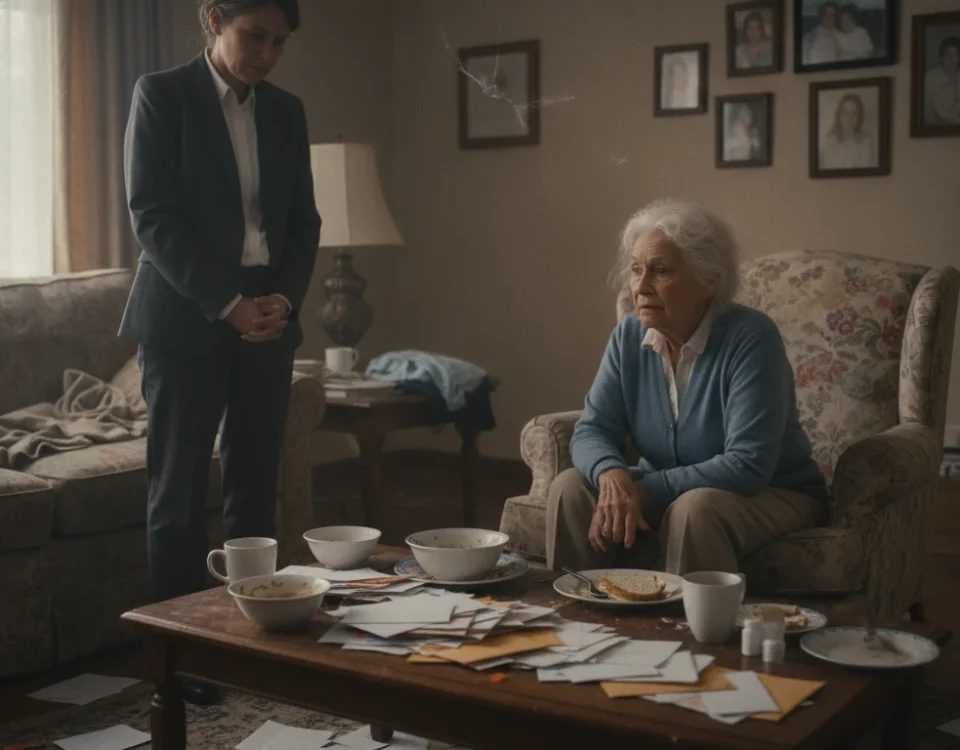
Your First Home Health Visit: What Happens and What to Have Ready

Home Health vs. Assisted Living: How Families Know When Staying Home Stops Working

Maintaining independence at home often begins with simple, proactive changes. A secure environment supports your long-term confidence and quality of life. Focusing on bathroom fall prevention can reduce risks while keeping your home comfortable.
Small changes can make a major difference in your daily routine. Consider professional grab bar installation or the right shower chair for elderly residents to support safe movement. Good lighting and clear pathways also support your overall well-being.
At Continu Care Home Health, we provide compassionate, professional support to patients and families throughout San Antonio and the surrounding areas. We believe everyone deserves to age with dignity. Our team can guide you through each step of creating a secure, supportive living environment tailored to your unique needs.
Key Takeaways
- Prioritize fall prevention to maintain your independence and confidence at home.
- Install grab bars to provide essential stability during daily hygiene routines.
- Utilize a shower chair to reduce physical strain and improve balance.
- Enhance home lighting to identify potential hazards before they cause accidents.
- Rely on Continu Care Home Health for expert guidance and compassionate in-home support.
Understanding Wound Healing in Seniors
After an injury, you or a loved one may need extra support during the body’s natural repair process. Senior wound healing is a complex process that changes as we age. Understanding these needs can help you take steps toward a smoother recovery.
The Importance of Nutrition
Proper nutrition for older adults supports tissue repair. During skin or muscle repair, the body needs more vitamins, minerals, and protein. Without these building blocks, the natural timeline for healing after injury can slow down.
Think of food as fuel for your body’s recovery team. Nutrient-rich meals help keep your immune system strong and fight possible complications. Steady, high-quality nutrition supports the strength needed to regain independence.
Factors Affecting Wound Healing
Many internal and external factors affect recovery. Biology matters, but daily habits and surroundings matter too. For example, a bathroom fall can harm long-term mobility and independence.
Consider these common factors that influence your recovery journey:
- Mobility and Physical Activity: Limited movement can impact blood flow to the injury site.
- Medication Management: Certain prescriptions may interfere with the body’s natural clotting or inflammatory responses.
- Home Environment: Clutter or poor lighting increases the risk of secondary injuries.
- Vision Health: Impaired sight often leads to accidents that delay healing after injury.
Managing these factors can feel overwhelming, but you do not have to do it alone. Continu Care Home Health offers compassionate, professional care in your home. Our team helps families assess living spaces and nutrition for a safe, effective recovery.
Key Nutrients for Optimal Healing
Daily food choices affect how quickly your tissues mend after an injury. Nutrient-rich meals give your body materials to rebuild damaged areas. Always consult with your healthcare provider before major diet changes, so they fit your medical needs.
Protein: Building Blocks of Recovery
When you choose protein for wound healing, you give your body building blocks for new tissue. Enough protein helps maintain muscle mass, which supports strength and stability. Weaker muscles can raise fall risk, so steady protein intake supports safety.
Vitamin C: Collagen Production and Immune Support
The link between vitamin C and healing is well documented in medical literature. Vitamin C helps make collagen, the main protein that holds skin and tissues together. It also supports your immune system, helping your body focus on repair.
Zinc: Essential for Tissue Repair
Proper zinc for seniors levels are often overlooked, but they support effective recovery. Zinc helps cells divide and make proteins, which are needed to close wounds. Legumes, nuts, and lean meats can help support these body processes.
Omega-3 Fatty Acids: Reducing Inflammation
Managing inflammation is a key part of healing, and omega-3 fatty acids can help. These healthy fats regulate your body’s inflammatory response and may prevent excess or lasting inflammation. Consider these benefits of adding healthy fats to your diet:
- Reduced systemic inflammation that can slow down tissue regeneration.
- Improved cell membrane health for better nutrient absorption.
- Enhanced cardiovascular support, which aids in healthy blood flow to the wound site.
These nutrients work best as part of a balanced, whole-food diet. Your recovery is a personal process, and professional guidance keeps your plan safe and effective. It can also help match the plan to your unique health profile.
The Role of Hydration
Keeping enough fluid in your body supports health, especially while a wound heals. Proper hydration for seniors carries nutrients, vitamins, and proteins to damaged tissue.
How Much Water Do You Need?
Your needs depend on activity, climate, and health conditions. Follow individualized hydration guidance from your healthcare team during recovery.
General guidelines exist, but your doctor may change your intake based on kidney function or heart health. Regular water intake helps maintain blood volume, which is critical for oxygen delivery to the wound site.
Signs of Dehydration in Seniors
Spotting dehydration signs early may prevent problems that slow healing. Watch for unusual fatigue, ongoing dizziness, sudden confusion, or dark-colored urine.
Weakness or lightheadedness from low fluid levels can greatly increase accident risks. Therefore, bathroom safety for elderly individuals is a top priority during recovery.
Support independence with bathroom fall prevention strategies. Professional grab bar installation can improve stability, while a shower chair for elderly patients can lower slipping risks.
At Continu Care Home Health, we know these safety needs may feel overwhelming. Our team supports patients and families with professional home care. We help keep your environment as safe as your nutrition plan is effective.
Creating a Balanced Diet
A balanced diet for seniors takes more than counting calories. Choose varied ingredients that support your body’s natural repair. A varied plate supplies the vitamins and minerals your body needs for recovery.
Following a daily routine supports good nutrition and safety at home. Regular, planned meals help manage energy and support long-term wellness.
Importance of Variety in Food Choices
Your body needs proteins, colorful produce, whole grains, and healthy fats to work well. One food group or supplement may leave gaps in your nutrition. Consider your appetite, chewing ability, and food preferences when building your plate.
Cultural traditions shape how you enjoy meals. Familiar, comforting flavors can make eating more enjoyable and easier to maintain. Consider medical conditions requiring dietary changes, such as low-sodium or heart-healthy diets.
Foods to Focus On
To support recovery, choose nutrient-dense foods that provide many vitamins in each bite. They support tissue repair without adding unnecessary bulk. Use these categories in your daily meal plan to support healthy aging nutrition:
| Food Category | Primary Benefit | Examples |
|---|---|---|
| Lean Proteins | Tissue Repair | Eggs, Beans, Poultry |
| Colorful Produce | Immune Support | Berries, Spinach, Carrots |
| Whole Grains | Sustained Energy | Oats, Quinoa, Brown Rice |
| Healthy Fats | Inflammation Control | Avocado, Walnuts, Olive Oil |
These staples build a reliable foundation for your health. Staying hydrated matters as much as the food you eat. If your appetite is reduced, small, frequent meals may be easier to manage and provide nutrients throughout the day.
Supplements for Wound Healing
Knowing when to use supplements for wound healing supports your recovery. Whole foods provide the best health foundation, but your body may sometimes need extra help repairing tissue.
When to Consider Supplements
Add dietary supplements only when a healthcare professional finds a specific deficiency or higher metabolic need. Dietary limits or chronic illness may make getting enough nutrients from meals difficult.
A doctor or registered dietitian can check whether your body absorbs essential vitamins properly. They will review your intake and decide whether a targeted supplement can fill a nutritional gap.
Safe Usage of Vitamins and Minerals
Prioritizing senior vitamin safety matters because supplements can interact with prescription medicines. Some vitamins, for example, may affect blood thinners or other drugs used for heart conditions.
Use caution if you have health problems such as kidney disease. Your body may struggle to process high doses of certain minerals. Excessive intake can cause toxicity or place needless strain on your organs.
Remember, dietary supplements cannot replace a balanced diet, medical assessment, or proper home care. They should support recovery, not replace healthy meals or safety steps like bathroom fall prevention planning.
Before starting a regimen, consult your doctor to ensure safe, effective choices for your unique health profile. Maintaining senior vitamin safety requires teamwork between you and your medical team.
Meal Planning Tips for Seniors
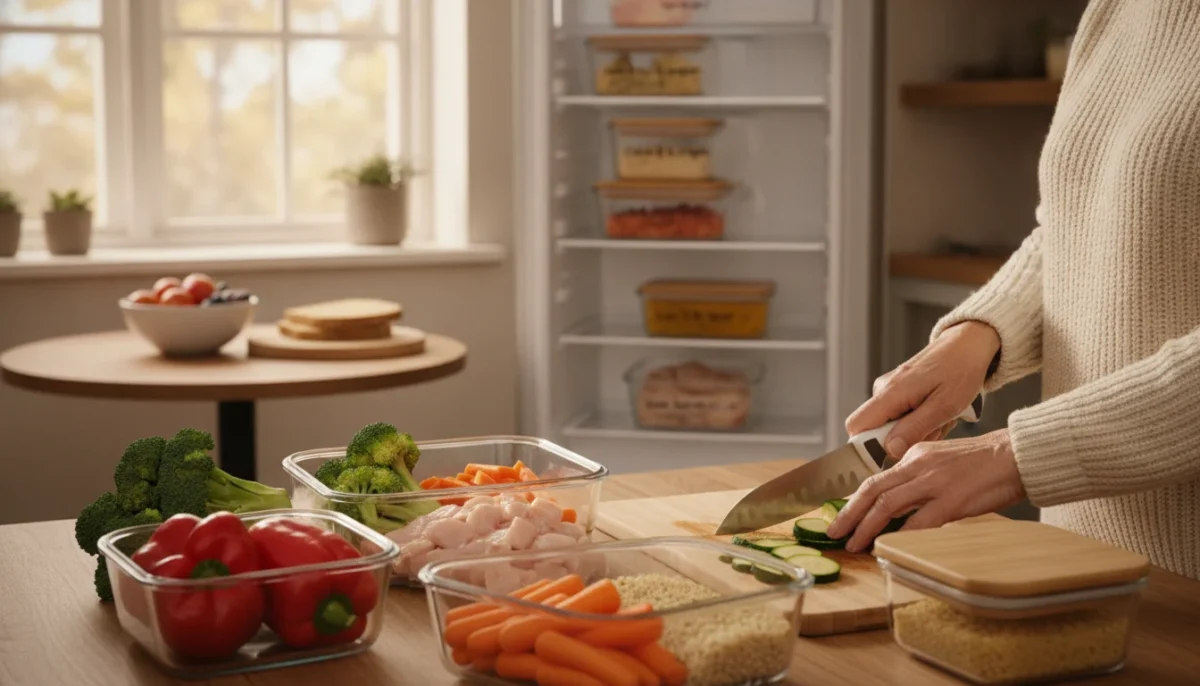
Preparing healthy meals can feel less stressful and tiring. Organizing your kitchen helps you get nutrients needed for recovery while reducing physical strain. Choosing easy meals for seniors supports your strength and independence.
Easy Recipes to Boost Healing
High-protein, nutrient-dense foods help your body repair tissue. Try pre-cooked chicken strips, canned beans, or Greek yogurt because they need little preparation. These simple building blocks help you make a balanced plate quickly without standing at the stove.
Continu Care Home Health can help your family plan these daily routines. Our team helps you keep the kitchen accessible and prepare food safely. We also stress a clean, organized workspace to lower accident risks while cooking.
Time-Saving Meal Prep Ideas
Effective meal prep for older adults starts with washing and chopping produce after shopping. Pre-portioned snacks in the refrigerator support regular eating and hydration. Fewer trips to the pantry or fridge help save energy for healing.
Home safety matters, especially when you move between the kitchen and other rooms. We recommend checking for hazards, such as a shower chair for elderly residents, to reduce fatigue during hygiene routines. Also, bathroom fall prevention, proper lighting, and professional grab bar installation provide stability and confidence.
| Strategy | Benefit | Frequency |
|---|---|---|
| Batch Cooking | Saves time and energy | Weekly |
| Pre-washed Produce | Encourages healthy snacking | Daily |
| Hydration Reminders | Supports tissue repair | Throughout the day |
| Ready-to-eat Protein | Ensures muscle maintenance | Every meal |
The Impact of Chronic Conditions
Chronic conditions in seniors can change how your body processes nutrients for recovery. When you manage several health concerns, your body may need specific nutrients and enough strength to repair itself. Coordinating your care with a professional team helps you manage these needs safely.
Diabetes and Wound Healing
If you live with diabetes, you likely know blood sugar levels affect your overall wellness. High glucose can slow natural repair, making diabetes and wound healing a critical focus. Stable blood sugar helps tissues receive the oxygen and nutrients needed to close wounds.
Working closely with your doctor helps create a meal plan for glucose targets and recovery goals. If daily tasks feel hard, reaching out to Continu Care Home Health can provide extra support. Their team can track your progress and adjust routines to keep you on track.
Heart Health and Nutrition
Maintaining heart-healthy nutrition matters when you recover from an injury or surgery. Heart health affects blood flow, which delivers healing nutrients to a wound. Choose foods low in sodium and rich in healthy fats to support your heart and recovery.
Your exercise and diet choices should be highly individualized for your symptoms and mobility levels. If balance or strength causes trouble, ask for professional guidance. Healthcare providers and home health services can coordinate safe daily activities as you pursue long-term health goals.
Engaging Family in Nutrition Plans
You play a vital role in recovery when you help with your loved one’s daily nutrition and safety. Effective family caregiving takes more than good intentions; it needs teamwork that addresses every part of health. Together, you can create a stable home that supports faster healing and lasting wellness.
Tips for Involving Loved Ones
senior nutrition support begins with small, manageable tasks that family members can share. Organize grocery trips to keep the pantry stocked with nutrient-dense foods. Preparing meals together helps you choose the right ingredients and offers social time that lifts morale.
Set up reminders to help your loved one drink water throughout the day. Watch for changes in appetite or physical strength, which may signal a needed recovery plan adjustment. A simple log helps you share accurate details with healthcare providers during follow-up visits.
Seeking Professional Guidance
Family support matters, but expert advice can help make the home truly safe. A professional home assessment can find specific needs, such as grab bar installation in high-risk areas. These changes support bathroom fall prevention and help your loved one regain independence safely.
Adding a shower chair for elderly family members can lower accident risks during daily hygiene routines. We encourage you to contact Continu Care Home Health to learn about compassionate in-home care services and professional consultation options. Our team can help you add these safety measures to your broader caregiving plan.
| Caregiving Task | Primary Benefit | Frequency |
|---|---|---|
| Meal Preparation | Ensures nutrient intake | Daily |
| Hydration Monitoring | Prevents complications | Throughout the day |
| Safety Assessment | Reduces fall risk | Monthly |
| Appetite Tracking | Identifies health shifts | Weekly |
The Connection Between Mental Health and Nutrition
Mental health and nutrition both affect physical healing, especially for older adults. Emotional challenges can make it harder for your body to maintain energy for tissue repair. Prioritizing your internal state matters as much as choosing the right foods for physical recovery.
How Stress Affects Healing
Chronic tension can create conditions that slow your recovery. During stress and wound healing challenges, your body releases hormones that may slow damaged tissue repair. This response may reduce your appetite, making it hard to get nutrients your body needs to heal.
Loneliness, grief, and depression can worsen these problems by reducing motivation to prepare healthy meals. Skipping meals or water leaves your body without the fuel it needs to stay strong. Emotional distress can also reduce focus and make it harder to move safely around your home.
Nutritional Strategies for Emotional Well-Being
Improving your emotional well-being in seniors begins with small, steady changes to daily routines. Sharing meals with family or friends can lift your mood and support better eating habits. Social mealtimes can make food more enjoyable and help you get essential vitamins regularly.
If you or a loved one has lasting mood changes, professional guidance is an important step. At Continu Care Home Health, we provide compassionate support to help you stay comfortable and nourished at home. Our team understands this holistic approach is most effective: proper nutrition and emotional encouragement support long-term health and independence.
Recognizing the Signs of Poor Nutrition
Your body may send subtle signals when it lacks nutrients needed for recovery. Noticing these changes can help protect your independence and overall well-being. Recognizing the signs of malnutrition in seniors early may prevent long-term complications and support healing.
Indicators of Nutritional Deficiencies
Nutritional deficiencies can appear in ways that are easy to miss during daily routines. You may notice unintended weight loss or weakness that makes simple tasks hard. A sudden loss of appetite, mouth sores, or dental pain may also signal poor nutrition.
You may experience repeated illnesses or wounds that heal more slowly than expected. These symptoms may point to a broader lack of essential vitamins and minerals. Because many conditions cause these symptoms, avoid self-diagnosis and watch your body’s patterns.
Steps to Take if You Suspect Deficiencies
If you notice any senior health warning signs, document your observations first. Keep a detailed log of your daily food intake, new symptoms, current medications, and changes in your functional abilities. This information gives your healthcare team data for an accurate assessment.
Before changing your diet or starting supplements, always contact your doctor. A medical professional can run tests to learn whether nutrition or another underlying condition causes your symptoms. They can create a safe, effective plan for your specific needs.
| Warning Sign | Potential Impact | Recommended Action |
|---|---|---|
| Unintended Weight Loss | Reduced muscle mass | Consult your physician |
| Persistent Weakness | Increased fall risk | Review daily activity |
| Slow Wound Healing | Higher infection risk | Track nutrient intake |
| Poor Appetite | Nutrient deficiency | Consult a dietitian |
Professional Support: A Vital Resource
Achieving optimal healing requires a team-based approach that addresses nutrition and physical safety. When you or a loved one has a slow-healing wound, professional senior care provides structure for successful recovery. These experts offer specialized knowledge and help you manage aging-related challenges with confidence.
The Role of Dietitians in Wound Care
A dietitian wound care specialist plays a critical role in recovery. They assess your needs and ensure your body receives nutrients needed to repair damaged tissue. Using home health nutrition, they create meal plans for your unique metabolic needs.
These experts closely monitor your progress and adjust dietary intake as your condition improves. They help you find hidden nutritional gaps that could slow healing. Their guidance helps each bite support your physical well-being.
Home Health Services and Nutritional Support
Continu Care Home Health serves patients and families throughout San Antonio and nearby areas. Our teams provide compassionate, professional care in the comfort of home. They assess daily mobility, medication routines, emergency communication, and home safety because diet and safety both support healing.
During home visits, our staff often evaluates the living space to improve safety. We encourage families to discuss bathroom fall prevention strategies with our team. Simple changes, such as grab bar installation or a shower chair for elderly users, can significantly reduce accident risks during recovery.
| Service Type | Primary Focus | Benefit to Patient |
|---|---|---|
| Dietary Planning | Nutritional intake | Accelerated tissue repair |
| Safety Assessment | Home environment | Reduced fall risk |
| Clinical Monitoring | Wound progression | Infection prevention |
| Mobility Support | Daily movement | Increased independence |
Summary of Nutritious Choices
Making nutritious choices for seniors does not need to be complex or overwhelming. Small, steady changes can support better health and faster recovery. These changes can improve your overall well-being over time.
Simple Changes for Improved Healing
Prioritize hydration and protein intake, the cornerstones of tissue repair. Keep water nearby, and prepare high-protein snacks, such as Greek yogurt or hard-boiled eggs. Consistency is far more important than perfection when working toward your health goals.
Simplify meal preparation to reduce stress. Pre-cut vegetables and frozen fruits save time while providing essential vitamins. Your body needs steady fuel for effective repair, so eat small, frequent meals throughout the day.
Encouraging Self-Care for Loved Ones
Supporting self-care for older adults requires compassion and respect for their preferences and physical abilities. Adapt the home environment so healthy eating and movement feel safer and more accessible. Involving loved ones in planning can empower and motivate them.
If complex nutritional needs or chronic conditions become hard to manage, do not hesitate to seek professional guidance. Teams at Continu Care Home Health provide expertise to tailor care plans to specific clinical requirements. Professional support helps loved ones receive the best possible care while maintaining independence.
| Habit | Primary Benefit | Ease of Implementation |
|---|---|---|
| Consistent Hydration | Supports cellular repair | High |
| Protein-Rich Snacks | Builds muscle tissue | Medium |
| Professional Consults | Ensures healthy recovery habits | High |
| Meal Prep Planning | Reduces daily stress | Medium |
Get Help with In-Home Care Services
Supporting nutrition and daily safety takes a focused plan to help loved ones thrive at home. Professional support offers guidance for healthy habits and improves overall quality of life.
Available Services from Continu Care Home Health
Continu Care Home Health provides expert in-home care services for your family. Our team helps with meal planning, mobility, and essential home modifications to keep your home safe.
We offer San Antonio home health solutions that put your well-being first. Our staff supports bathroom fall prevention through grab bar installation and careful selection of a shower chair for elderly residents. These small changes make daily living and recovery safer.
Contact Continu Care Home Health at (210) 734-6166 to schedule a consultation for yourself or a family member. You can also visit our office at 3201 Cherry Ridge C319, San Antonio, TX 78230. Our team serves patients throughout the region with compassionate, professional care delivered to your door.
This article is not medical advice. Please contact your Doctor before implementing anything covered in this post.