A Discharge Planner’s Guide to Safer Home Transitions

Nutrition That Actually Speeds Wound Healing in Older Adults
Bringing a loved one home after a hospital stay marks a major milestone. You want the return to feel smooth, comfortable, and safe. Preparing your living space is the best way to support recovery.
Continu Care Home Health is a trusted partner during this transition. We help families plan the steps needed for a smooth homecoming. Proactive planning can lower stress and support better long-term outcomes.
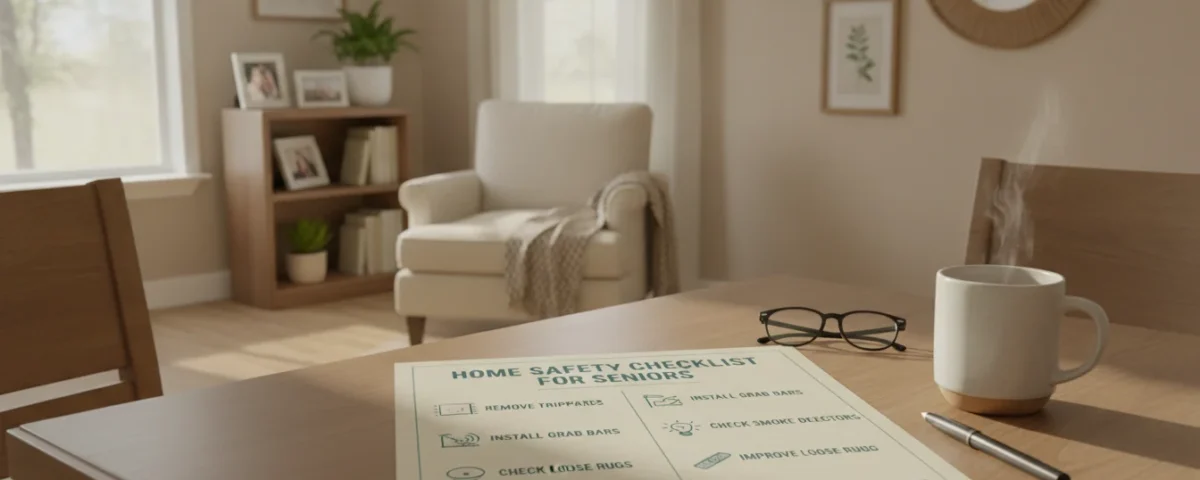
Many people miss common senior home hazards. The biggest risks may be simple problems, such as loose rugs, dim hallways, or slippery bathroom surfaces. A home safety checklist for seniors can reveal these hidden threats before they cause a fall.
Ask your doctor before making permanent changes to your home. Medical guidance helps ensure each change matches your parent’s recovery needs. These small steps can create a more supportive environment tomorrow.
Key Takeaways
- Prepare your living space before your loved one returns from the hospital.
- Continu Care Home Health provides expert support for families during transitions.
- Identify hidden risks like poor lighting and loose rugs to prevent falls.
- Always discuss planned environmental changes with a healthcare professional.
- Focus on practical, small adjustments to improve daily independence.
Understanding Home Health Care Services
Professional health services in your home can support a safe, steady recovery. This care brings clinical support to the place where you feel most comfortable. Before starting a care plan, consult your doctor about your specific medical needs.
What is Home Health Care?
Home health care offers professional services that help you manage your health at home. It may include skilled nursing, physical therapy, and coordinated care among medical providers. Professionals assess your condition, teach key skills, and support rehabilitation toward your health goals.
Benefits of In-Home Care
Care at home can help you stay independent while you recover. With aging in place home modifications, you can lower risks related to reduced vision, hearing, or stability. These changes address hazards such as falls and accidental poisoning, making daily activities safer.
Continu Care Home Health provides support tailored to your living situation. We believe a secure environment supports effective recovery. By combining clinical expertise with safety adjustments, we help you manage your health journey with confidence.
| Service Category | Primary Focus | Expected Outcome |
|---|---|---|
| Clinical Assessment | Monitoring vitals | Early detection |
| Rehabilitation | Mobility training | Increased strength |
| Safety Planning | Aging in place home modifications | Reduced injury risk |
| Care Coordination | Provider communication | Streamlined recovery |
Who Can Benefit from Home Health Services?
Many people need professional support during life changes or long-term health management. If you are recovering from a recent hospitalization, you may be a candidate for these services. You may also need care while managing a chronic condition or new mobility changes.
Preparing for Your First Visit
Prepare your home and documents to feel confident during your first home health visit. Organizing information and space lets your care team focus on your health needs. Always consult your doctor before major health or home-safety changes, including aging in place home modifications, to match your medical needs.
Necessary Documentation
Gather your government-issued identification, current insurance cards, and a complete medication list with dosages. Keep your hospital discharge paperwork and emergency contacts available for your clinician.
Keep these items in a dedicated folder or central location to save time and reduce stress. Organization is key to an accurate review of your medical history during the initial assessment.
Important Questions to Ask
Use the first visit to gain clarity about your care plan. Write your questions beforehand so you remember important concerns while your provider is present.
Ask about treatment goals, team communication between visits, and needed equipment. Also clarify follow-up appointments and how to handle concerns after the clinician leaves.
Creating a Comfortable Environment
Your home affects recovery and long-term wellness. During the first visit, you and your family can identify necessary aging in place home modifications with the clinician. These may include clearing cluttered pathways, improving hallway lighting, or installing bathroom grab bars.
Simple changes often make a living space much safer. Addressing these needs early supports your independence and comfort at home.
| Preparation Category | Action Item | Priority Level |
|---|---|---|
| Documentation | Gather ID and Insurance | High |
| Medical Records | List all current medications | High |
| Home Safety | Assess aging in place home modifications | Medium |
| Communication | Write down list of questions | Medium |
What to Expect During the Visit
Your first home health appointment begins your personalized care journey. Use this meeting to share health concerns while our team gathers details for recovery or daily living goals. Our staff offers expert guidance, but consult your primary physician about specific medical decisions.
The Home Health Professional’s Role
A Continu Care Home Health professional visits your home as both clinician and wellness partner. They listen to your story and observe your current physical abilities. This collaborative approach keeps your care plan aligned with your lifestyle and personal preferences.
Initial Assessment Procedures
The assessment is thorough and designed to help keep you safe at home. Your provider reviews your medications and asks functional questions about your mobility. They also identify senior home hazards that could cause accidents.
During the safety walk-through, your professional will check for common risks, including:
- Loose rugs or uneven floor transitions.
- Cluttered walkways that restrict movement.
- Dim lighting in hallways or stairwells.
- Unstable stairs lacking proper handrails.
- Bathroom challenges such as slippery surfaces or lack of grab bars.
Time Frame and Frequency of Visits
Your care schedule and visit length are not one-size-fits-all. They depend on clinical orders, insurance requirements, and goals in your care plan. We stay flexible so you receive the right support at the right time.
| Visit Component | Primary Goal | Expected Outcome |
|---|---|---|
| Medication Review | Safety and Accuracy | Reduced risk of errors |
| Safety Assessment | Mitigating senior home hazards | A secure living space |
| Care Planning | Goal Alignment | Clear path to recovery |
This first appointment gives you a chance to set priorities. Together, we can create a plan that supports your independence and long-term health. Open communication is the best way to ensure that your needs are met.
Reasons for a Home Health Visit
Professional home health visits address medical needs and help keep your living space functional and secure. Before starting a new care plan, always speak with your doctor so services match your health needs. Contact Continu Care Home Health to learn how our team provides personalized in-home support.
Post-Surgery Recovery
After a procedure, returning home requires care to help prevent complications. A home health professional helps manage wound care and watches for infection signs. They also help create a safe home environment elderly patients need for recovery without falls or accidents.
Chronic Condition Management
Managing long-term health issues often requires regular monitoring and changes to your daily routine. Professionals visit your home to track vital signs and make sure you follow your medication schedule. This proactive care helps you stay stable and improves your overall quality of life at home.
Rehabilitation Support
Rehabilitation helps you regain strength and mobility after an injury or illness. Your care provider evaluates your living space for handrails, nightlights, or nonslip surfaces. Experts focus on a safe home environment elderly individuals can navigate, reducing obstructions and promoting faster recovery.
All modifications should match your abilities and your doctor’s official healthcare plan.
Evaluating Your Needs
Reviewing your unique needs is the first step toward a safer, more comfortable home. Share complete information with Continu Care Home Health so we can build a strong care plan. This helps us find senior home hazards and plan support that protects your independence.
Discussion of Medical History
Your care team will review your medical history to understand your health journey. We examine your mobility, hydration, and nutrition to learn how they affect daily life. Providing honest and detailed information helps us plan for needs before they become urgent.
Personal Care Requirements
We want to understand your routines and tasks where you may need help. Support may include bathing, dressing, or moving safely around your home. Open communication about these needs supports a successful care experience and respects your dignity.
Medication Management
Managing prescriptions is a key part of our safety evaluation. We help organize medicines and prevent common senior home hazards, including missed doses, expired pills, and dangerous drug interactions. Bring every prescription, over-the-counter product, vitamin, and supplement list to your first discussion.
- Always consult your prescribing clinician before making any changes to your medication routine.
- Our staff can help you set up a clear organization system to keep your health on track.
- Report any side effects or concerns to your doctor immediately to ensure your safety.
Together, we can keep your home secure during recovery and long-term wellness. Your health is our priority, and we will guide you through every step.
Family Involvement in Care
Your family plays a vital role in any home health care plan. Active support can make care at home smoother for everyone. Continu Care Home Health explains your options while focusing on your medical needs.
Creating a safe home environment elderly family members can use confidently remains a top priority. Before making major changes, consult your medical team to match each adjustment with your current health status. Open dialogue helps families and caregivers notice changes in mood, appetite, or mobility.
The Importance of Communication
Clear communication builds the foundation for effective care. Regular check-ins clarify responsibilities and help everyone follow your daily routine. This consistency supports medication tracking and progress checks.
Open family communication helps address concerns before they grow. Sharing observations about your energy or comfort lets the care team adjust your plan in real-time. This teamwork builds security and trust at home.
Educational Resources for Family Members
Continu Care Home Health offers resources that help your family feel ready and confident. We teach skills such as transfer safety to help prevent falls and injuries. Respectful personal care protects your dignity throughout recovery.
We help families create emergency plans and organize medication schedules. These tools simplify difficult tasks and ease the burden on daily caregivers. A structured plan helps maintain the safe home environment elderly individuals deserve.
Support for Caregivers
Caregivers may feel stress, and recognizing it helps them find balance. We encourage community programs and professional services to help prevent burnout. Regular contact with our team offers reassurance and guidance during caregiving’s emotional demands.
The following table shows where family involvement and professional support work together to improve your quality of life:
| Care Category | Family Responsibility | Professional Support |
|---|---|---|
| Medication Management | Daily monitoring and reminders | Organization and dosage review |
| Mobility Assistance | Encouraging safe movement | Physical therapy and safety training |
| Emotional Wellbeing | Providing social interaction | Counseling and stress management |
| Emergency Planning | Maintaining contact lists | Creating clear response protocols |
Medical Equipment and Supplies
Choosing the right medical equipment helps you stay independent at home. Before buying or installing devices, consult your doctor and the team at Continu Care Home Health. They can assess your needs and match tools to your physical abilities and health goals.
Overview of Commonly Used Equipment
Many patients use special tools for daily tasks. Mobility aids, including walkers, canes, and wheelchairs, help people who need extra stability. Personal care items, such as shower chairs, grab bars, and raised toilet seats, can lower fall risks.
Beyond mobility, you may need medication tools, including automated pill dispensers or organizers. Communication devices and emergency response systems also help keep you safe. Always verify that these items are appropriate for your specific living space before finalizing your selection.
Safety Tips for Equipment Use
When preparing your home, focus on effective aging in place home modifications. These changes should be installed securely by professionals, not used as temporary fixes. Proper installation helps handrails and ramps support your weight reliably over time.
Conduct a thorough walkthrough to identify potential senior home hazards. Common risks include loose rugs, poor lighting, and cluttered walkways that can cause accidents. Smoke detectors, carbon monoxide alarms, and fire extinguishers provide extra protection for your household.
Insurance Considerations
Before getting new medical supplies, review your insurance coverage. Many plans cover essential equipment but may require specific documentation from your healthcare provider. Always confirm the supplier requirements to ensure your equipment comes from an approved provider.
Maintenance also matters for the long-term success of your medical tools. Learn who handles repairs and how to use each device safely. Staying informed lets you focus on recovery, knowing your home environment is supportive and secure.
Follow-Up After Your First Visit
Building a lasting care plan requires regular follow-up after your first home health visit. Follow-up tracks recovery and keeps your home safe for daily activities.
Setting Goals with Your Care Provider
Work closely with your clinical team to set clear, measurable health milestones. These goals create a roadmap for your specific recovery needs.
Set reliable ways to communicate and clear steps for urgent concerns. Knowing whom to call provides peace of mind for you and your family.
Ongoing Adjustments to Care Plans
Your health needs may change as you recover or your condition evolves. Reassess your aging in place home modifications after hospitalization, a fall, or changes in mobility.
Watch for signs that your plan needs an update. Signs include unexplained bruises, missed appointments, sudden weight loss, mood changes, or a declining home environment. Always consult your doctor before making significant changes to your health regimen or living arrangements.
Importance of Regular Check-Ins
Regular check-ins help your care team track progress and address safety concerns before emergencies. Use these reviews to discuss whether your services still fit your lifestyle.
If your needs change, contact Continu Care Home Health about your ongoing in-home care needs. We help you stay independent through personalized support and expert guidance.
- Schedule recurring review dates with your care team.
- Document any changes in your daily function or cognition.
- Ensure your aging in place home modifications are still effective for your current physical state.
Insurance and Payment Options
Understanding payment for medical support is an important step in your recovery journey. Planning early lets you focus on healing and maintaining a safe home environment elderly patients deserve.
Understanding Coverage for Home Health Services
Coverage for home health services depends on your insurance payer and eligibility requirements. Most plans require a formal medical order from your physician before services begin. Check which treatments and professional visits your policy approves.
Providers must also be in your insurance network for the highest coverage. Confirm that your chosen agency is authorized to bill your plan and avoid unexpected costs.
Potential Out-of-Pocket Costs
Even with comprehensive insurance, you may have out-of-pocket expenses. These often include deductibles, copayments, and coinsurance amounts that vary by plan. Some personal care services and medical supplies may not receive full coverage.
Review your policy documents for visit limits and exclusions. Knowing these costs early helps you budget and keep your living space functional and secure.
Working with Your Insurance Provider
Proactive communication with your insurance company helps prevent billing surprises. When you call, ask about prior authorizations and required documents for your care plan. Keep a written record of each conversation, including the representative’s name and reference number.
If you have questions about services for a safe home environment elderly individuals need, contact Continu Care Home Health. Our team can explain your coverage and work with your insurer to keep care consistent and effective.
Choosing Continu Care Home Health
When you need support at home, Continu Care Home Health offers trusted local care. We provide compassionate services throughout San Antonio and nearby areas. Our team helps you stay home while receiving needed medical attention.
We protect your independence and dignity above all else. We work with you and your family to create a care plan for your needs. Creating a safe home environment elderly patients can trust is our main goal.
Why Choose Us for Home Health Services?
A local provider gives you personalized attention from professionals who care about San Antonio. We respond quickly and coordinate closely with your primary physician. Our staff receives strict training in clinical excellence.
We believe quality care should be accessible and reliable. Our team supports recovery after surgery and care for chronic conditions. We use proactive health management to help prevent complications.
Our Approach to Compassionate Care
We believe medical care works best when providers show empathy. We treat every patient as a partner in recovery. A safe home environment elderly individuals can navigate confidently helps lower fall and accident risks.
Clear communication supports every part of our service. We keep you and your family informed throughout your care. This openness builds trust for a successful healing experience at home.
Testimonials from Clients
Many San Antonio families have found peace of mind through our services. The table shows how our care supports the people we serve:
| Service Feature | Continu Care Standard | Patient Benefit |
|---|---|---|
| Care Planning | Individualized | Targeted Recovery |
| Communication | Daily Updates | Family Peace of Mind |
| Safety Focus | Home Assessment | Reduced Fall Risk |
| Professionalism | Licensed Staff | Clinical Excellence |
One client shared, “The team at Continu Care treated my father with kindness and respect. They made his living space safer. He felt confident moving around independently again.” Another family noted, “We worried about going home, but the staff made everything clear and manageable from day one.”
If you want better care, please contact us today. We can schedule a consultation about your health goals. Let us support your independence and comfort at home.
Additional Resources
Accessing the right educational materials and community programs can improve your daily life. Good information can help you manage your health needs with confidence. Always consult your primary physician before changing your care routine because of new information.
Educational Materials for Patients
Reliable information supports a safe home environment elderly individuals can enjoy. Choose resources from trusted groups, such as the National Institute on Aging or the Centers for Disease Control and Prevention. These groups offer evidence-based guides for managing chronic conditions and preventing common household accidents.
Avoid unverified online claims without medical support. Instead, use pamphlets and digital guides from your healthcare team. These materials explain your recovery and help you stay independent.
Local Support Groups and Organizations
Connecting with people who share your experiences can bring emotional relief. Many communities offer senior centers, faith-based groups, and volunteer programs with social and practical support. These groups often host workshops that support a safe home environment elderly residents use daily.
These groups help you stay active and connected with neighbors. Local volunteer services may help with grocery shopping or transportation. A strong support network is vital to your long-term wellness plan.
Contact Information for Assistance
Being prepared can give you peace of mind. Keep a complete first aid kit in an accessible area, and post emergency contacts near your telephone. This simple step prepares you for unexpected situations.
For professional care guidance, contact Continu Care Home Health. Our team helps safe home environment elderly patients deserve. We answer questions and provide support, so you feel secure at home.
The Role of Technology in Home Health Care
Integrating technology into your care plan offers new ways to stay connected and support a safe home environment. Digital tools offer strong support, but they cannot replace professional medical assessments or emergency services. Always consult your doctor before using a new health-monitoring device to ensure it meets your specific medical needs.
Telehealth Services
Telehealth lets you consult healthcare providers through video calls and secure messaging. This service helps with routine check-ins or minor concerns without requiring travel. Clear communication is the foundation of virtual visits, so check that your internet connection is stable before the appointment.
Remote Monitoring Tools
Remote monitoring tools, such as blood pressure cuffs or glucose monitors, send data directly to your care team. These devices help create a safe home environment elderly patients can navigate with confidence. Test these tools regularly, and keep all equipment properly charged.
Protect your digital privacy by using strong, unique passwords for every account. Confirm that your emergency alert systems notify the correct recipients. A backup communication plan helps ensure you are never truly isolated.
Apps for Health Management
Mobile applications can simplify your daily routine with medication reminders and health trend tracking. These apps act as digital assistants, helping you stay organized and proactive about your wellness. Ask the team at Continu Care Home Health which technology-supported options best suit your lifestyle.
| Technology Type | Primary Benefit | Best Use Case |
|---|---|---|
| Telehealth | Virtual Consultations | Routine Follow-ups |
| Remote Monitoring | Real-time Data | Chronic Condition Tracking |
| Health Apps | Organization | Medication Adherence |
| Emergency Alerts | Safety Assurance | Fall Prevention |
Understanding Your Rights as a Patient
You deserve to feel informed and empowered throughout your home health journey. Knowing your legal protections keeps your voice central to care, especially when addressing senior home hazards that threaten safety.
Patient Confidentiality
Federal law protects your private medical information. You have the right to know how your health data is shared and who can access your records.
If you have questions about your information, contact the team at Continu Care Home Health. We are committed to the highest privacy standards for every patient we serve.
Your Right to Choose
You have the right to help decide every part of your care. This includes choosing providers and understanding recommended equipment or services for your recovery.
When choosing safety tools like emergency alert devices, providers must respect your preferences and functional needs. Discuss clinical concerns or medical needs with your doctor or primary care team. This helps align your plan with your goals.
Complaint and Grievance Procedures
Open communication supports a successful recovery. If your care falls short, you have the right to file a formal grievance. This includes concerns about how senior home hazards are addressed.
You deserve a clear explanation of the escalation process. Document your concerns carefully so your care team can provide a timely resolution. Your feedback is a vital tool that helps us improve the quality of care for all our patients.
Community Resources for In-Home Care
Your local community offers resources that can support your health journey. These services can work with your care plan, making aging in place home modifications and daily life easier. Exploring local options builds a stronger safety net for your long-term well-being.
Local Healthcare Services
Your area likely has organizations that support senior health and wellness. Senior centers may offer social activities, wellness screenings, and transportation to medical appointments. Connecting with these groups can ease isolation and help you stay active in your community.
Caregiver support groups help families manage health challenges. They let members share experiences, learn coping strategies, and find local respite care providers. Contact Continu Care Home Health to learn how these services can support your professional care plan in San Antonio and nearby areas.
Government Assistance Programs
Government agencies offer financial and practical support for people needing help at home. Research eligibility rules because programs may require specific documents and serve certain geographic areas. Confirming your eligibility early can help you access benefits that reduce essential care costs.
- State-funded home and community-based service waivers.
- Local area agencies on aging for resource navigation.
- Public transportation assistance for medical visits.
Non-Profit Organizations
Non-profit groups often fill gaps left by traditional insurance, especially for safety and accessibility. Many help families fund aging in place home modifications, such as grab bars or better lighting. These improvements are vital for preventing falls and helping you stay independent.
For larger projects, ask these organizations about grants or low-interest financing. Waiting lists may exist, so start researching when you identify a need. Contact our team at Continu Care Home Health to find reputable local non-profits serving your neighborhood.
Transitioning from Hospital to Home
Moving from hospital care to home is an important part of your recovery. This stage needs careful planning so your return stays safe and comfortable. Taking steps early can reduce stress and help you focus on healing.
Planning for Discharge
Before leaving, confirm each discharge detail with your medical team. Check your medication list, prepare needed equipment, and arrange reliable transportation. Always confirm your follow-up appointments and keep emergency contacts nearby.
Understand every mobility restriction from your physician. Never change your care plan without first asking your doctor. Following these instructions is the foundation of a successful recovery at home.
Post-Discharge Home Preparations
Preparing your living space matters as much as your medical care. You may need aging in place home modifications to prevent falls and improve access. These changes matter most after surgery or when your strength has changed.
Walk through your home carefully after discharge. This check can reveal hazards you did not notice before hospitalization. Adding aging in place home modifications early supports safety and long-term independence.
Coordinating with Your Healthcare Team
Clear communication helps create a smooth transition. Work with physicians, nurses, therapists, and pharmacists to keep recovery goals aligned. Continu Care Home Health can help your family manage these complex arrangements.
Our team works with your primary healthcare providers for a smooth transition. Keeping everyone informed helps your care team meet your needs consistently. Your peace of mind remains our priority as you return home.
Final Thoughts for Your First Home Health Visit

Prepare, stay honest, and take an active role to make your first home health visit useful. These steps build a strong base for long-term wellness and comfort at home.
Importance of Open Communication
Honest dialogue supports effective care. Discuss every concern, especially senior home hazards that could threaten your safety.
Mention any history of falls, medication challenges, or trouble with daily tasks like bathing. Discuss poor nutrition, loneliness, or mood changes so your care team can create a truly personalized plan.
A Positive Attitude Toward Recovery
A positive outlook can greatly affect your healing process. Set realistic goals, and pair determination with professional support to stay on track.
Prepare carefully and reassess your needs regularly to overcome obstacles. Remember, consistent progress often matters more than quick results. Stay patient with yourself throughout the journey.
Building a Trusting Relationship with Care Providers
Trust grows through teamwork and mutual respect. Involve the patient in every decision to build comfort and a sense of agency.
Always consult your primary doctor before trying new recommendations. This ensures they fit your specific medical history. If you are ready to explore support for mitigating senior home hazards, contact Continu Care Home Health today to schedule a consultation.
Contact Continu Care Home Health
Taking the first step toward professional support helps your loved ones receive the care they deserve. Our team creates a safe home environment elderly patients can navigate with ease and confidence. We provide personalized help for your unique situation.
Schedule Your Consultation Today
Contact our office to discuss your needs or arrange an initial assessment. Our staff serves families throughout San Antonio and nearby areas with dedication. Call us at (210) 734-6166 if you need help or have questions about our services.
You are welcome to visit our office at 3201 Cherry Ridge C319, San Antonio, TX 78230. We can help maintain a safe home environment elderly individuals find supportive and comfortable. Reach out today to begin your journey toward better health outcomes.
Our Commitment to Quality Care
Continu Care Home Health provides professional, compassionate care in your residence. We support your well-being by matching you with skilled providers who understand your recovery goals. Our mission is to improve your quality of life through reliable, consistent support.
Disclaimer: This content is for informational purposes only and does not constitute medical advice, diagnosis, or treatment. Always seek advice from your physician or another qualified health provider about questions concerning a medical condition.