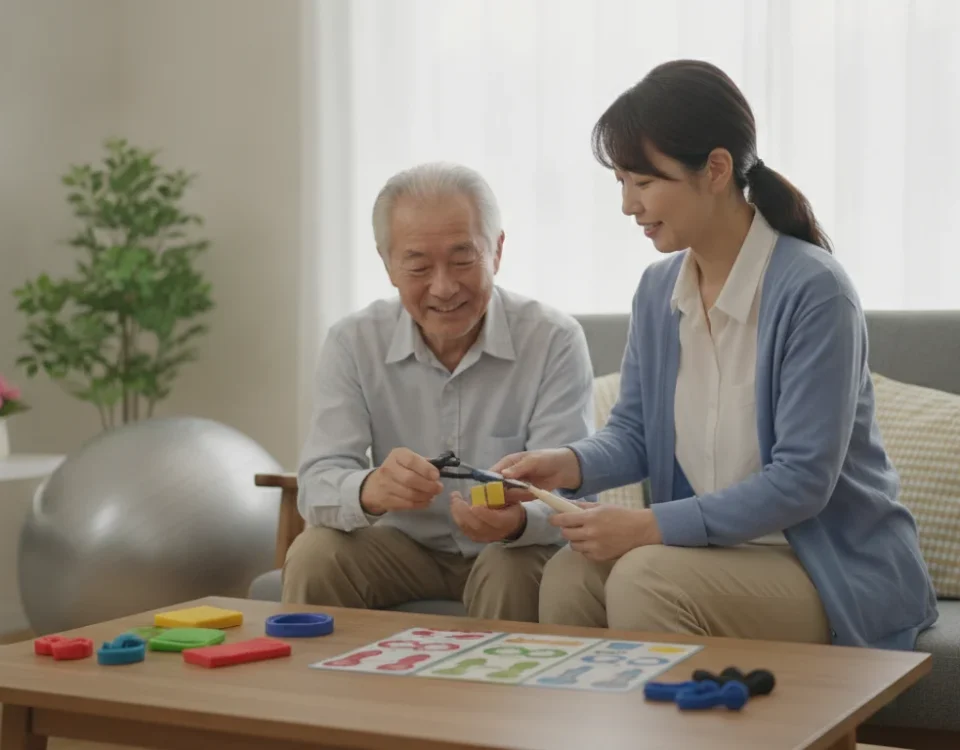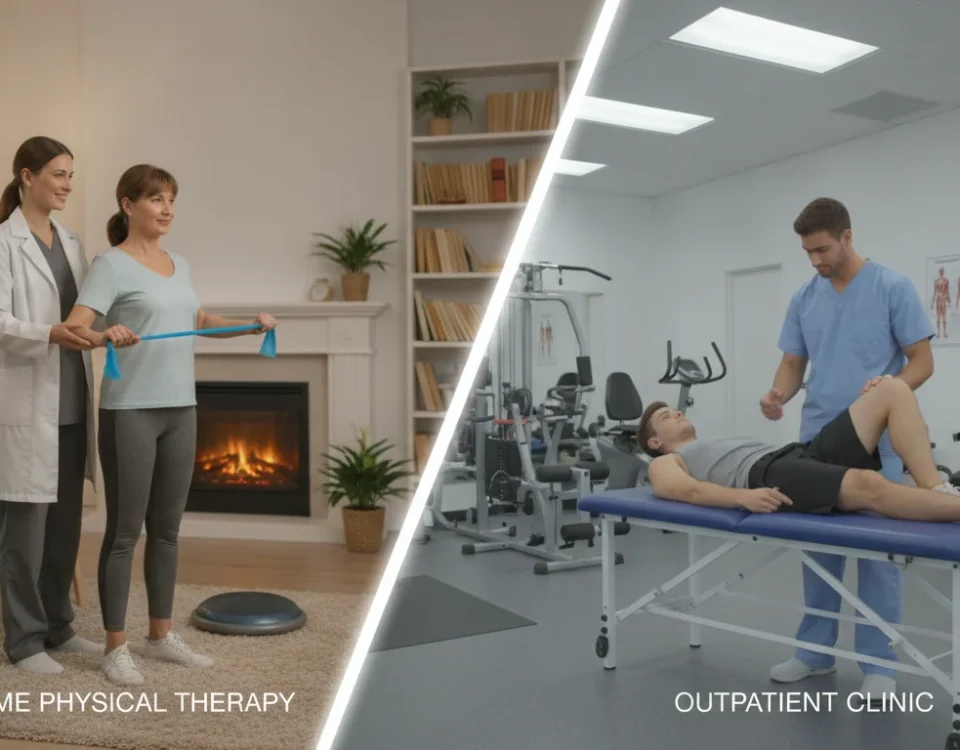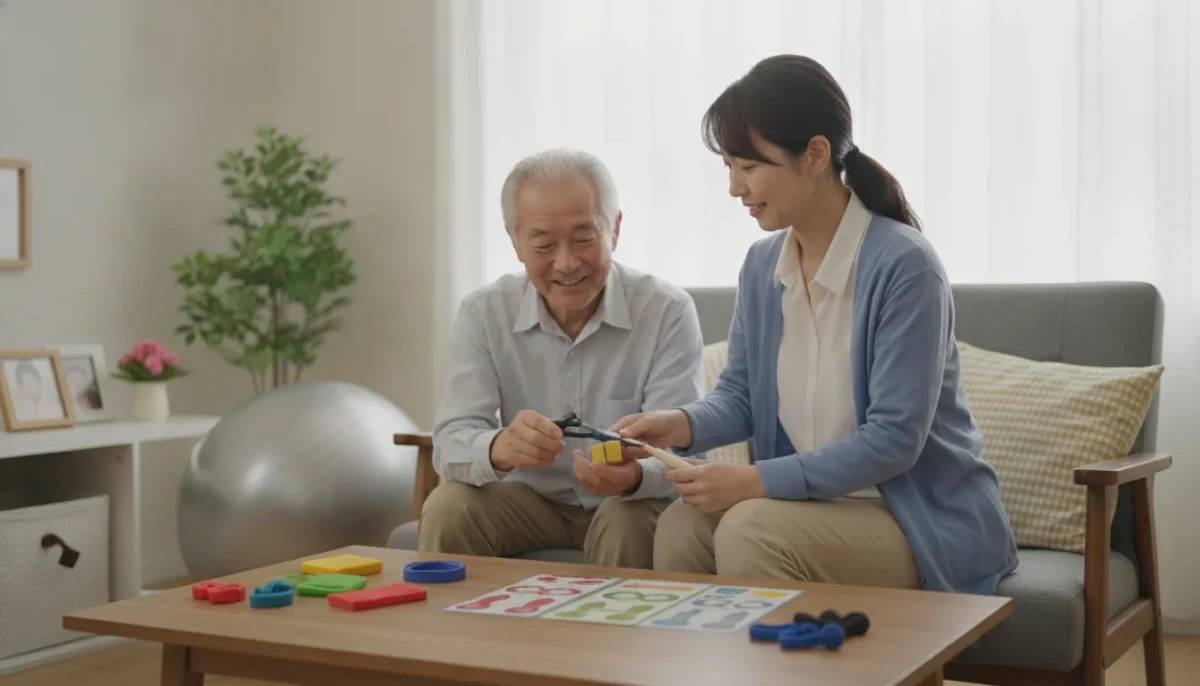
THE BENEFITS OF IN-HOME CARE FOR CHRONIC ILLNESS

HOW REHABILITATION THERAPY IMPROVES DAILY LIFE
Managing the daily needs of a loved one often feels like a heavy burden. You might find yourself juggling medical appointments, household chores, and emotional demands while trying to maintain your own life. It is easy to lose sight of your own well-being when you are focused entirely on someone else.
Recognizing when you need help is a vital step toward preventing long-term burnout. You do not have to navigate this journey alone. By seeking out professional assistance, you can regain your balance and provide better care for your family member.
Finding the right caregiver resources San Antonio families can utilize is a proactive way to protect your health. These local options offer the relief you deserve. Taking this step ensures you stay strong and capable for the long haul.
Key Takeaways
- Acknowledge that your own health is just as important as the health of your loved one.
- Identify early signs of burnout to prevent physical and emotional exhaustion.
- Explore local support networks to share the weight of daily responsibilities.
- Utilize professional services to gain necessary personal time and rest.
- Prioritize self-care as a fundamental part of your caregiving routine.
The Current Landscape of Family Caregiving
Many families today face the quiet struggle of managing caregiving duties alongside their own professional and personal responsibilities. You likely find yourself navigating a complex web of appointments, medication schedules, and household tasks. This overloaded schedule often leaves little room for your own well-being, creating a cycle that is difficult to break alone.
Understanding the Challenges of Modern Caregiving
Caregiver burnout is a very real condition that manifests through distinct physical symptoms. You may experience chronic fatigue, persistent muscle pain, or frequent tension headaches that refuse to go away. These physical signals are your body’s way of telling you that your current pace is unsustainable.
Beyond the physical toll, the emotional weight of caregiving can be just as heavy. It is common to feel a sense of isolation from friends or even hidden resentment toward the situation. Ignoring these feelings often leads to a decline in the quality of care you can provide, which impacts both you and your loved one.
The Importance of Seeking External Support
Acknowledging that you cannot do everything by yourself is the first step toward a healthier caregiving experience. Shifting your perspective to accept external support systems is not a sign of weakness; it is a strategic move to ensure long-term sustainability. By reaching out, you protect your own health while improving the care your loved one receives.
| Caregiver Strain Level | Primary Physical Symptom | Recommended Intervention |
|---|---|---|
| Mild | Occasional sleep loss | Scheduled personal time |
| Moderate | Persistent muscle tension | Respite care services |
| Severe | Chronic fatigue and illness | Professional medical consultation |
You deserve to maintain your own quality of life while fulfilling your caregiving duties. Embracing help allows you to regain balance and focus on the meaningful moments of your relationship. Start by identifying which tasks can be delegated to professionals or community resources to lighten your daily load.
Essential Caregiver Resources San Antonio Families Can Access
If you are caring for a loved one in San Antonio, you do not have to manage the journey alone. Many families feel overwhelmed by the daily demands of care, but reliable support is available right in your community. Accessing the right caregiver resources San Antonio families can access will help you build a more sustainable routine for both you and your senior family member.
Local Agencies Dedicated to Senior Welfare
The Alamo region is home to several organizations that specialize in senior welfare and family support. The Area Agency on Aging of the Alamo Region serves as a primary hub for information, offering guidance on everything from home-delivered meals to specialized respite care services. These agencies are designed to bridge the gap between your current needs and the professional assistance required to maintain a healthy home environment.
Beyond government-funded programs, many non-profit organizations provide vital volunteer services that offer temporary relief. By connecting with these local entities, you can secure assistance with daily chores or transportation, which allows you to focus on the emotional well-being of your loved one. Utilizing these caregiver resources San Antonio offers is a proactive way to prevent burnout and maintain your own health.
Support Groups and Peer Networks in the Region
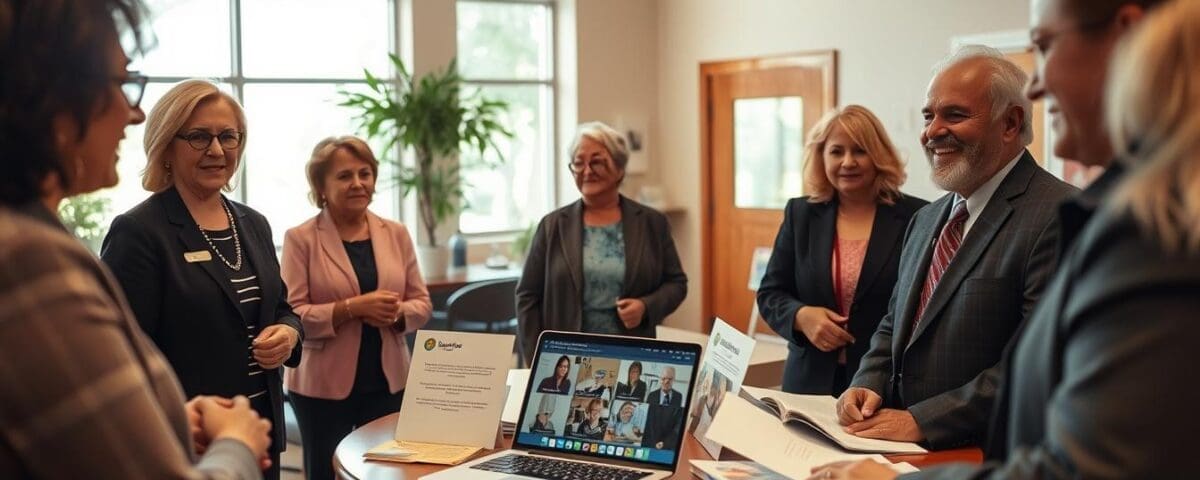
Sometimes, the most effective support comes from those who truly understand your daily challenges. Local support groups provide a safe space to share experiences, exchange practical advice, and find emotional encouragement from peers who are walking a similar path. These networks often meet in community centers or through local health systems, creating a strong sense of solidarity among family caregivers.
Participating in these groups can help you discover hidden gems among the available caregiver resources San Antonio families can access. Whether you are looking for tips on managing specific health conditions or simply need a listening ear, these peer networks serve as a lifeline for your mental health. Engaging with your community ensures that you remain connected, informed, and supported throughout your caregiving journey.
Navigating Caregiver Education and Training Programs

Mastering the nuances of home health care starts with accessing the right educational resources. When you step into a caregiving role, you may feel overwhelmed by the technical demands of daily assistance. Investing time in caregiver education ensures that you can provide safe and informed support for your loved one.
Building Skills for Specialized Care Needs
New caregivers often face the challenge of learning specific nursing tasks on the fly. You might need to manage complex medication schedules, track vital signs, or operate durable medical equipment like oxygen concentrators or hospital beds. Gaining these skills is essential for maintaining your loved one’s health and comfort at home.
Structured training programs help you bridge the gap between good intentions and professional-level care. By focusing on caregiver education, you reduce the risk of errors and increase your own confidence. This preparation allows you to handle medical requirements with a steady hand and a calm mind.
Online Platforms for Caregiver Certification
Modern technology offers a wealth of digital tools designed to simplify your learning journey. Many reputable online platforms provide step-by-step tutorials for complex tasks such as wound care, hygiene assistance, and transferring a patient with limited mobility. These resources are often available on-demand, allowing you to learn at your own pace.
Utilizing these caregiver education platforms can be a game-changer for your daily routine. You can find certification courses that cover everything from basic first aid to specialized dementia care techniques. Empowering yourself with knowledge is the most effective way to ensure your loved one receives the high-quality care they deserve.
Financial and Legal Support for Caregivers
Proactive planning for your loved one’s financial and legal affairs can significantly reduce future stress and uncertainty. By addressing these complex matters early, you ensure that your family remains prepared for any challenges that arise during the caregiving journey.
Managing Long-Term Care Costs
One of the most critical realizations for many families is that Medicare does not cover assisted living or long-term care. This gap in coverage makes it essential for you to develop a clear financial plan as soon as possible.
You should begin by evaluating your loved one’s current assets, including savings, investments, and insurance policies. Understanding these limitations early allows you to explore alternative funding options, such as long-term care insurance or state-specific assistance programs.
Legal Planning and Power of Attorney Essentials
Establishing legal authority is a fundamental step in protecting your loved one’s interests and ensuring their medical wishes are respected. You must prioritize the creation of a Power of Attorney, which grants you the legal right to make decisions on their behalf when they are no longer able to do so.
If you find the legal process overwhelming, consider seeking pro bono legal assistance through your local state bar association. These organizations often provide resources specifically designed to help families navigate the complexities of elder law without incurring heavy costs.
Having these documents in place provides peace of mind for everyone involved. It ensures that your loved one’s voice remains central to their care, even if they cannot express their preferences directly.
The Role of Respite Care in Preventing Burnout
Taking a step back from your caregiving duties is not a sign of weakness, but a vital strategy for long-term success. When you dedicate your life to supporting a family member, it is easy to lose sight of your own needs. Respite care provides a necessary reprieve, allowing you to replenish your energy for a few hours or even an entire day.
By integrating these planned breaks into your routine, you sustain your ability to provide high-quality care over an extended period. Consistency is key, and you cannot pour from an empty cup.
Recognizing the Signs of Caregiver Fatigue
Caregiver fatigue often creeps in slowly, making it difficult to notice until you feel completely overwhelmed. You might experience persistent exhaustion that does not improve with a standard night of sleep. Emotional irritability and a sense of detachment from your loved one are also common warning signs.
Pay close attention to changes in your physical health, such as frequent headaches or a weakened immune system. If you find yourself feeling resentful or hopeless, these are clear indicators that your body and mind require a break. Acknowledging these feelings is the first step toward regaining your balance.
How Temporary Relief Protects Your Health
Temporary relief acts as a protective barrier against the physical and mental toll of caregiving. It grants you the freedom to pursue personal hobbies, run errands, or simply enjoy a moment of quiet solitude. This time away allows you to reset your perspective and return to your responsibilities with renewed patience.
Engaging in activities outside of your caregiving role helps you maintain your own identity and social connections. When you prioritize your health, you are ultimately providing better care for your loved one. Self-care is not selfish; it is a fundamental requirement for anyone in a demanding caregiving role.
Leveraging Home Care Guidance for Daily Assistance

Professional home care guidance offers a roadmap for families navigating the complexities of daily assistance. By organizing your approach, you can ensure that your loved one receives high-quality support while maintaining your own well-being. This structured method helps transform overwhelming responsibilities into manageable daily routines.
Assessing Your Loved One’s Daily Living Needs
The first step in providing effective support is conducting a thorough evaluation of your loved one’s current capabilities. You should observe their ability to perform basic tasks, such as mobility, personal hygiene, and meal preparation. Identifying these specific areas allows you to determine where professional intervention might be most beneficial.
Consider using a checklist to track these needs over the course of a week. This data provides a clear picture of whether your family member requires occasional help or constant supervision. Accurate assessment is the foundation of any successful care strategy.
Creating a Sustainable Care Plan at Home
Once you understand the specific requirements, you can build a sustainable care plan that balances support with independence. A consistent schedule helps reduce anxiety for both the caregiver and the senior. By integrating home care guidance into your daily life, you create a predictable environment that fosters comfort and safety.
The following table outlines how to match specific needs with appropriate support strategies to maintain a healthy balance at home.
| Care Need | Support Strategy | Expected Outcome |
|---|---|---|
| Mobility Assistance | Home safety modifications | Reduced fall risk |
| Personal Hygiene | Scheduled professional visits | Improved skin health |
| Meal Preparation | Batch cooking or delivery | Better nutritional intake |
| Medication Tracking | Digital reminders | Consistent adherence |
Ultimately, your goal is to create a routine that is flexible yet reliable. When you rely on professional home care guidance, you gain the tools necessary to prevent burnout. This proactive approach ensures that your loved one thrives in the comfort of their own home while you maintain a sustainable pace.
Community-Based Senior Support Resources
Managing the daily needs of a loved one often requires tapping into local community-based senior support resources. These programs are designed to alleviate the logistical burdens that frequently overwhelm family caregivers. By integrating these services into your routine, you create a more sustainable caregiving environment that protects your own well-being.
Transportation and Meal Delivery Services
Nutritional health is a cornerstone of aging well, yet preparing daily meals can become a significant challenge. Programs like Meals on Wheels America provide nutritious food delivered directly to the homes of seniors who may have difficulty cooking. This service ensures your loved one receives balanced meals without requiring you to be present for every lunch or dinner.
Beyond nutrition, reliable transportation is essential for attending medical appointments and social outings. Many local agencies offer specialized transit options that cater to seniors with limited mobility. Utilizing these senior support resources allows you to focus on quality time rather than spending hours navigating traffic or coordinating rides.
Social Engagement Programs for Seniors
Loneliness can have a profound impact on the physical and mental health of an aging adult. Community centers and local organizations often host social engagement programs that foster meaningful connections. These activities provide a vital sense of purpose and help seniors remain active members of their community.
When your loved one participates in group activities, they gain the opportunity to interact with peers in a safe, structured environment. This social stimulation is just as important as physical care. By leveraging these senior support resources, you ensure that your loved one enjoys a richer, more fulfilling daily life while you manage your other responsibilities with greater peace of mind.
Technology Tools for Modern Caregiving
Digital innovation has transformed how families coordinate care and monitor the well-being of seniors. By utilizing smart devices and software, you can effectively bridge the gap between busy schedules and the constant needs of your loved ones. These tools provide essential structure to your daily routine, ensuring that no critical task is overlooked.
Medication Management Apps
Keeping track of multiple prescriptions can be a significant source of anxiety for many families. Medication management apps offer a reliable solution by providing automated alerts that remind you or your loved one when it is time for a dose. These platforms often allow you to sync schedules across multiple devices, ensuring that every family member or volunteer stays informed.
Many of these applications also include features to track refill dates and log potential side effects. By maintaining a digital record, you can easily share accurate information with healthcare providers during appointments. This streamlined approach minimizes the risk of errors and provides you with much-needed peace of mind.
Remote Monitoring and Safety Devices
Ensuring the safety of a senior living at home is a top priority for any caregiver. Remote monitoring technology, such as motion sensors and smart cameras, allows you to keep a watchful eye on your loved one without compromising their independence. These devices can send instant notifications to your smartphone if an unusual event occurs, such as a fall or a missed routine.
Wearable safety devices, including medical alert pendants, provide an extra layer of security for seniors who may be at risk of wandering or accidents. When integrated into a broader care plan, these tools empower you to respond quickly to emergencies. Leveraging this technology helps you maintain a proactive stance in protecting your loved one’s health and safety at all times.
How Continu Care Home Health Enhances Family Support
You do not have to navigate the complexities of senior care alone in San Antonio. When you seek reliable home care guidance, finding a partner that understands your specific needs is essential for long-term success.
Continu Care Home Health provides professional, compassionate services designed to lighten your daily load. By integrating expert assistance into your routine, you can focus on what matters most: spending quality time with your loved one.
Professional Care Delivered in the Comfort of Home
Receiving care in a familiar environment significantly improves the well-being of seniors. Our team brings clinical expertise directly to your doorstep, ensuring that your family member remains comfortable and secure.
This approach minimizes the stress often associated with hospital visits or facility transitions. Your peace of mind is our priority as we maintain the highest standards of safety and hygiene in your residence.
Customized Care Plans for San Antonio Residents
We recognize that every family has a unique story and set of requirements. Our staff works closely with you to develop senior support resources that address specific health goals and daily living challenges.
Whether you need help with mobility, medication, or companionship, we tailor our services to fit your lifestyle. This flexibility ensures that you receive exactly the level of support necessary to maintain a healthy home balance.
Why Professional Intervention Matters
Professional intervention provides a safety net that prevents common caregiving mistakes. Accessing specialized caregiver education allows you to better understand the progression of health conditions and how to manage them effectively.
Expert oversight reduces the risk of accidents and ensures that medical needs are met promptly. Consistent monitoring by trained professionals creates a stable foundation for your loved one’s health journey.
The Benefits of Compassionate, Local Care
Choosing a local provider means you benefit from a team that is deeply connected to the San Antonio community. We offer caregiver resources San Antonio families trust, combining clinical skill with genuine empathy.
Our caregivers are not just service providers; they are dedicated partners in your caregiving journey. By choosing local, professional support, you ensure that your loved one receives the compassionate attention they deserve every single day.
Securing Sustainable Support for San Antonio Caregivers
Managing the daily responsibilities of a loved one requires a balance of dedication and self-care. You possess the power to improve your quality of life by utilizing the right tools and professional partnerships. Taking proactive steps today ensures a sustainable path for both you and your family member.
We invite you to contact Continu Care Home Health to learn more about in-home care services or to schedule a consultation for yourself or a loved one. Our team proudly serves patients and families throughout San Antonio and surrounding areas with compassionate, professional care delivered in the comfort of home.
Reach out to us at Continu Care Home Health by calling (210) 734-6166. You can also visit our office located at 3201 Cherry Ridge C319, San Antonio, TX 78230. Call us if you need any help navigating your caregiving options.
This article is not medical advice. Please contact your Doctor before implementing anything covered in this post.