Home Physical Therapy vs. Outpatient: Which Recovery Path Fits Your Situation
Bathroom Safety for Seniors: Small Modifications That Prevent Major Injuries
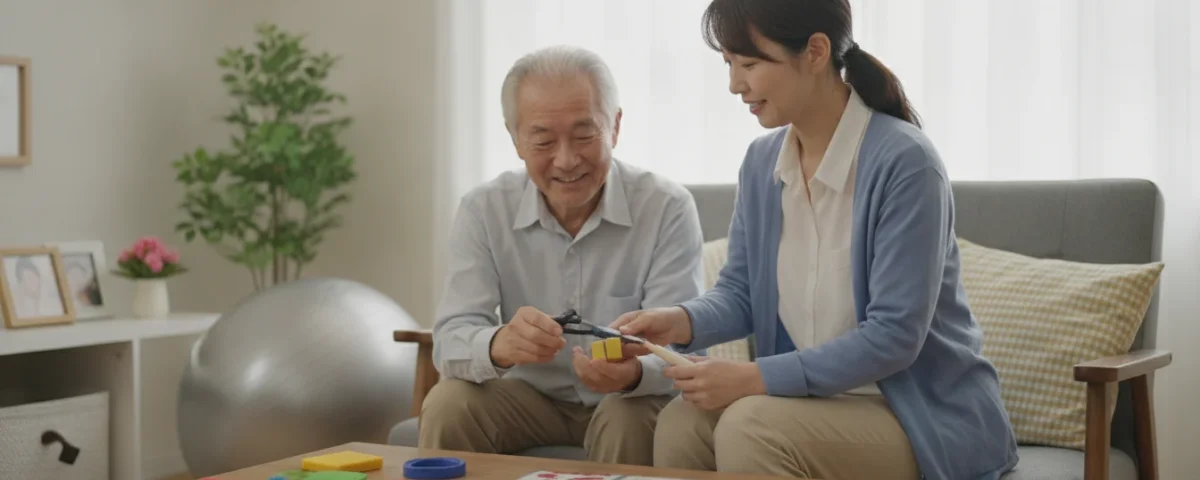
Recovering from an injury or illness can make you feel unsure. Many people think recovery requires leaving home, but aging in place can support healing. Professional support in your living space helps you focus on activities that improve quality of life.
At Continu Care Home Health, we know true wellness means more than simple exercises. Our team provides compassionate senior home health care throughout San Antonio and nearby areas. Occupational therapy at home for seniors supports your daily independence by helping you manage routine tasks.
Our experts work closely with you and your family to create a personal plan. Care in your own environment can support a faster, more meaningful recovery. Let us help you navigate your journey toward a more active and fulfilling lifestyle.
Key Takeaways
- Professional support helps you maintain your lifestyle while aging in place.
- Customized care plans focus on real-world tasks rather than generic movements.
- Continu Care Home Health offers expert assistance across the San Antonio region.
- In-home services significantly boost your confidence and daily independence.
- Compassionate providers ensure your recovery is both safe and comfortable.
What is Occupational Therapy for Seniors?
If you want to regain daily independence, occupational therapy at home for seniors offers a practical path forward. This care helps you perform the daily activities that matter most. A professional can help you move through your home with greater ease and confidence.
Definition and Purpose
At its core, senior occupational therapy helps you complete everyday tasks. It supports safe, comfortable living in your own space, not only physical movement. Professionals assess your needs and build a plan around your goals.
ADL training for seniors teaches essential activities of daily living, including bathing, dressing, grooming, eating, and safe transfers. If you want to learn more, Continu Care Home Health offers a useful resource about in-home support.
Key Benefits for Seniors
A structured therapy program can improve your long-term well-being. Its main goal is functional independence, so you can follow your routine with less help. Managing your own needs can greatly improve your overall quality of life.
These are key benefits of taking part in a professional therapy program:
- Increased confidence when performing daily tasks around the house.
- Safer routines that minimize the risk of accidents or falls.
- Reduced dependence on caregivers for basic personal care.
- Stronger participation in family gatherings and community activities.
This focus can help you regain autonomy and enjoy a more active lifestyle. Regular practice and professional guidance help you stay safe while doing activities you love.
Importance of Home-Based Therapy
Aging in place is easier with expert guidance in your own home. At Continu Care Home Health, we provide compassionate occupational therapy at home for seniors throughout San Antonio and nearby areas. Your home is more than a building; it is the center of daily life.
Familiar Environment Advantage
With in-home OT services, your therapist sees how you use your actual living space. Unlike a sterile clinic, your home shows the obstacles you face each day. This leads to a more accurate view of your movement and daily routines.
Your therapist can spot hazards in your kitchen, bathroom, or hallways. Seeing these challenges firsthand helps them suggest practical solutions for your lifestyle. This real-world observation supports effective recovery.
Enhanced Comfort and Security
Feeling at ease supports your progress. At home, you feel more relaxed and can take part more fully in each session. This security matters when you focus on aging in place with dignity and confidence.
Emotional comfort can affect how quickly you regain independence. Skipping clinic travel lets you focus your energy on exercises and goals. Continu Care Home Health staff protect your peace of mind during every visit.
Personalization of Care
Every home-based occupational therapy plan reflects your habits and abilities. We consider your furniture, schedule, and goals when creating your plan for success. This highly customized approach keeps your support relevant to daily life.
Therapy should adapt to you, not the other way around. By using your environment, we help you stay independent in the spaces you love. The comparison below shows how home-based care differs from traditional clinical settings.
| Feature | Clinic-Based Therapy | Home-Based Therapy |
|---|---|---|
| Environment | Controlled, unfamiliar | Natural, familiar |
| Assessment | Simulated tasks | Real-life daily routines |
| Convenience | Requires travel | Provided at your door |
| Focus | General equipment | Your personal home setup |
Common Challenges Faced by Seniors
As you and your loved ones age, physical and mental changes may make independence harder. Spotting these challenges early helps protect safety and comfort. Occupational therapy at home for seniors offers early support before problems disrupt daily routines.
Reduced Mobility
Physical limits can make bathing, dressing, and meal preparation feel difficult. Restricted movement also raises the risk of falls at home. Continu Care Home Health provides dedicated senior mobility support to help you move safely and confidently.
With professional adaptive equipment training, you can learn to use tools that make daily movements easier. These strategies can:
- Improve safety during transfers from bed to chair.
- Reduce physical strain while performing personal hygiene tasks.
- Enhance stability during kitchen activities and meal preparation.
Cognitive Decline
Memory and mental clarity changes can make complex routines harder to manage. You may struggle with multi-step instructions, medication schedules, or kitchen safety hazards. Providing cognitive support for seniors helps maintain a safe, organized home.
Our team creates structured routines to address these cognitive changes. We simplify tasks and use visual cues to support independence and consistent health care.
Social Isolation
Limited mobility and cognitive changes can reduce social participation. When leaving home becomes hard, you may feel disconnected from your community and loved ones. Staying engaged is a critical component of overall well-being, so we use strategies that build meaningful connections.
We encourage family involvement and community interaction to reduce loneliness. By addressing physical and mental barriers, we help you regain confidence and enjoy a more active, fulfilling lifestyle at home.
Role of Occupational Therapists
When you choose professional support, an occupational therapist becomes your health partner. These skilled professionals help you maintain your lifestyle through occupational therapy at home for seniors. Working in your living space gives them a clear view of ways to improve daily function.
Assessment of Individual Needs
Every successful recovery journey begins with a thorough occupational therapist assessment. Your therapist evaluates physical strength, cognitive abilities, and daily routines. They also inspect your home for safety hazards that may limit your independence.
By learning your priorities, the therapist keeps care focused on what matters most. This first evaluation guides all future treatment. It creates a clear picture of your specific needs.
Developing Customized Plans
After the assessment, your therapist designs a customized therapy plan for your goals. The plan often includes practical training for dressing, cooking, and safe transfers. It may also include ways to manage your medication schedule.
These activities matter because they connect to your daily life. Practicing at home builds confidence and helps you act independently. The goal is to make your routine both safer and more manageable.
Ongoing Support and Adjustments
Your needs may change, so your care should change too. With regular in-home OT services, your therapist reassesses your progress. If fatigue, symptom changes, or new safety concerns appear, the therapist adjusts your plan at once.
This flexible approach helps ensure you receive the right support. If you or a loved one are ready to regain independence, contact Continu Care Home Health today. Our team can schedule a consultation and discuss your health goals.
Activities of Daily Living (ADLs) Explained
Building independence at home often begins with stronger daily self-care habits. With occupational therapy at home for seniors, you gain tools to manage life with confidence. These essential tasks, called Activities of Daily Living, support your daily routine.
What Are ADLs?
ADLs are basic self-care tasks you perform every day to maintain health and hygiene. More complex chores, such as managing finances or cleaning the house, are Instrumental Activities of Daily Living (IADLs). ADLs cover basic personal needs, including eating, dressing, and safe movement at home.
At Continu Care Home Health, we know these basics help you regain independence. Our professional team works with you to make each task manageable and less stressful. We believe that everyone deserves the dignity that comes with self-sufficiency.
Importance of Independence in ADLs
Keeping these abilities is vital for your long-term well-being. Managing your own care reduces outside help and can increase your self-worth. ADL training for seniors builds practical skills through repeated practice that meets your physical needs.
These core skills can help you stay comfortably at home longer. Our goal is to support you and your family through these changes. We protect your safety while encouraging the freedom of movement you value.
Examples of ADLs for Seniors
Improving your senior self-care skills means breaking complex movements into small, achievable steps. Whether you are recovering from an injury or managing a chronic condition, our therapists help you practice these actions:
- Personal Hygiene: Safely bathing, grooming, and brushing your teeth.
- Dressing: Managing buttons, zippers, and putting on shoes independently.
- Mobility: Transferring smoothly from your bed to a chair or standing up from a sofa.
- Nutrition: Preparing simple, healthy meals and managing your daily medication schedule.
Modifications for Home Safety
Occupational therapy at home for seniors helps make your living space safer. Professionals find risks and review routines that support your physical needs. This approach can prevent accidents and help you stay independent longer.
Recommendations for Fall Prevention
Effective fall prevention begins with a room-by-room inspection. Therapists spot hidden hazards, including loose rugs, poor hallway lighting, and floor clutter. Fixing these risks supports home safety for seniors.
Consider these essential steps to secure your living area:
- Remove or secure all loose rugs with non-slip backing.
- Improve visibility by installing brighter bulbs or motion-activated night lights.
- Clear pathways of electrical cords, stacks of books, or furniture that blocks movement.
- Reorganize kitchen and bathroom cabinets to keep frequently used items within easy reach.
Adaptive Equipment Overview
When physical challenges make daily tasks harder, adaptive home equipment offers support. These tools help with limited strength or movement. In-home OT services provide personalized advice about suitable equipment.
Commonly recommended items include:
- Grab bars installed in showers and near toilets for stability.
- Shower chairs or benches to reduce fatigue during bathing.
- Raised toilet seats to make sitting and standing easier.
- Reachers to grab items from high shelves or the floor without bending.
- Walkers or canes fitted to your specific height and gait.
Use of Smart Technology
Modern technology can improve your security and peace of mind. These tools create a digital safety net when chosen with care. They can monitor your health and home automatically.
Key smart technologies include:
- Medication reminders that alert you when it is time for a dose.
- Emergency response systems that allow you to call for help with a single button press.
- Motion-activated lighting that illuminates your path at night without requiring a switch.
- Voice-controlled devices that manage home functions like temperature or door locks.
If you want to explore these options, Continu Care Home Health can help your family assess your specific needs. They provide expert guidance for a safer home. They can schedule a consultation in San Antonio or nearby communities.
Therapeutic Exercises to Enhance Function
Your journey toward better physical function begins with simple, guided exercises. When you engage in occupational therapy at home for seniors, you build strength for daily tasks with confidence. Before starting a new routine, consult your healthcare provider to ensure these movements suit your health profile.
Strengthening and Flexibility Exercises
Building muscle and keeping joint motion are vital for independence. These therapeutic exercises for seniors focus on muscles used for standing, reaching, and walking. Regular practice improves your endurance for dressing and preparing meals.
Continu Care Home Health provides caring guidance to help you perform these routines correctly. Consistent practice helps you keep the strength needed for safe movement at home. Even small daily gains can improve your physical ability over time.
Coordination and Balance Activities
Stability helps prevent falls and builds confidence while you move around your home. Adding specific balance activities to your day helps your body respond to environmental changes. These movements train your brain and muscles to work together and keep you steady.
During your sessions, you may receive adaptive equipment training to use tools like walkers, reachers, or specialized utensils correctly. Learning to use these devices safely helps you complete tasks without extra strain. Proper technique turns these tools into reliable extensions of your abilities.
Incorporating Fun into Therapy
Therapy does not have to feel like a chore when it matches your interests. You can make your recovery process meaningful and enjoyable by adding hobbies you love. Gardening can build fine motor skills, while card games or music during stretching can keep you motivated.
Cooking practice combines useful movement with a rewarding result. Turning exercises into games or creative projects helps you stay engaged and enjoy daily progress. Continu Care Home Health can help design a routine that feels effective and personal to your lifestyle.
Cognitive Interventions for Seniors
Managing memory and attention challenges is a core focus of professional occupational therapy at home for seniors. If planning or focus becomes difficult, these services help you manage your daily environment. They support cognitive health while helping you stay independent and safe at home.
Memory Aids and Strategies
Your therapist will introduce memory strategies for seniors to help you manage your day with ease. These tools may include wall calendars, daily checklists, and clear labels on cabinets or drawers. These cues provide outside reminders and reduce the mental effort needed for routine tasks.
When memory or planning becomes a major challenge, adaptive equipment training provides needed support. It teaches you to use specialized technology or modified tools that address cognitive gaps. Through cognitive occupational therapy, you learn to add these aids to your natural routine and make your home more supportive.
Engaging in Mind-Stimulating Activities
Staying mentally active matters as much as physical exercise for your long-term well-being. Therapists often use familiar hobbies, such as following a favorite recipe or sorting household objects, to engage your brain. These activities improve sequencing skills and attention to detail in a low-stress setting.
Games, puzzles, and meaningful conversations can also challenge your cognitive functions. Regular practice builds resilience against common age-related declines. For you or a loved one needing guidance, contact Continu Care Home Health about supportive in-home care services and consultation options.
| Intervention Type | Primary Benefit | Example Tool |
|---|---|---|
| Environmental Cues | Reduces confusion | Cabinet Labels |
| Sequencing Tasks | Improves planning | Recipe Cards |
| Adaptive Training | Boosts confidence | Digital Reminders |
| Cognitive Games | Enhances focus | Memory Puzzles |
Socialization Strategies in Therapy
A vibrant social life is a key part of care that helps you thrive. With occupational therapy at home for seniors, care includes your emotional and social health, not just physical movement. Staying connected with others is essential for motivation and confidence during recovery.
Group Activities at Home
Your therapist can help you create routines involving household members. Add group games, shared hobbies, or simple conversation starters to your daily schedule. These in-home OT services make therapy social while keeping you active with loved ones.
Connecting with Family and Friends
Reconnecting with your support network is a main goal of our approach. We encourage you to invite relatives and neighbors to sessions, helping them understand your progress and needs. Scheduled weekly calls or visits are Meaningful social routines that support mental well-being and long-term success.
Community Resources and Support
True senior socialization often reaches beyond your front door. Your therapist can help identify local programs, faith communities, or senior centers matching your interests. This focus on community integration helps you stay active and engaged in the world around you.
At Continu Care Home Health, we proudly serve patients and families throughout San Antonio and surrounding areas. Our team is dedicated to providing professional care for your physical, emotional, and social needs where you feel most comfortable. We believe a connected life is a healthier life.
Importance of Family Involvement
Your family plays a vital role in the success of occupational therapy at home for seniors. Loved ones help connect clinical sessions with daily life. Their support helps seniors feel less isolated during recovery.
Educating Family Members
Effective caregiver education supports a successful home health program. When you learn the therapist’s techniques, you can help without taking away your loved one’s independence. This knowledge helps you offer the right amount of help at the right time.
Understanding the details of ADL training for seniors helps you reinforce good habits throughout the day. You can break complex tasks into manageable steps, which builds confidence and reduces frustration. Proper training keeps safety first during every routine activity.
Encouraging Participation in Therapy
You can join therapy sessions by watching the therapist’s methods and asking about specific movements. Practice these routines together in a safe, controlled setting. Watch for fatigue, because pushing too hard can cause setbacks or injury.
Clear communication matters when you help a relative with exercises. Report discomfort or hesitation to the professional therapist right away. Your observations provide valuable data and help the therapist adjust the plan to meet the senior’s current needs.
Building a Support System
A reliable family caregiver support network gives seniors a steady environment for progress. When everyone follows the same plan, seniors feel safer and more motivated to reach their goals. This consistency helps maintain progress over the long term.
Always respect the senior’s choices, dignity, and personal pace. Therapy works best when the person feels in control of their life. If ready, contact Continu Care Home Health to discuss in-home services for you or your loved one.
| Role Type | Primary Focus | Key Responsibility |
|---|---|---|
| Professional Therapist | Clinical Assessment | Designing customized care plans |
| Family Caregiver | Daily Reinforcement | Monitoring safety and consistency |
| Senior Participant | Active Engagement | Practicing ADL skills daily |
Measuring Progress in Occupational Therapy
When you work toward daily independence, tracking your growth helps you understand your progress. Continu Care Home Health encourages families to seek professional guidance when daily tasks become difficult. Schedule consultations to keep care effective and suited to your needs.
Setting Realistic Goals
Effective occupational therapy goals create a clear plan for recovery. These goals focus on useful results that improve your quality of life at home. During ADL training for seniors, your therapist helps you set achievable and meaningful milestones.
Common examples of these goals include:
- Mastering the ability to button a shirt independently.
- Bathing or showering with significantly less physical assistance.
- Preparing a simple, nutritious meal safely in your kitchen.
- Completing a safe transfer from a bed to a chair without losing balance.
Tracking Improvements Over Time
Your therapist uses therapy progress tracking to assess how well you adapt to new techniques. This process combines clinical observation with your personal feedback. These measures show how far you have come since starting occupational therapy at home for seniors.
Professionals monitor your development through several key indicators:
- Caregiver feedback: Insights from family members regarding your daily performance.
- Task completion: How efficiently you finish specific activities without help.
- Safety and endurance: Your ability to maintain stamina and avoid falls during movement.
- Confidence levels: Your personal comfort and willingness to attempt new tasks.
Adjusting Plans Based on Progress
Your recovery is a changing process that requires flexibility. As you gain strength, your care plan must evolve to keep you challenged and supported. If symptoms, fatigue, or your home environment change, your therapist will modify your routine for continued success.
Regular reassessments are vital to this process. If an activity becomes too easy, your therapist will add complex movements to build greater independence. If you feel overwhelmed, they will slow the pace to prevent burnout and keep you safe and motivated.
Insurance Coverage and Financial Considerations
Learning how to pay for professional support helps protect your long-term independence at home. With occupational therapy at home for seniors, you receive care suited to your lifestyle. Understanding costs can help you focus on recovery without added stress.
Understanding Medicare and OT Coverage
Many people use Medicare occupational therapy coverage to help pay for healthcare. A physician must often confirm that services are medically necessary. Check whether your plan approves visits to prevent unexpected bills.
Medicaid and private insurance plans may have different copayments and visit limits. It is essential to review your policy or speak with your provider before treatment begins.
Costs Associated with Home Therapy
During care, plan for various home therapy costs, including evaluations, treatment visits, and medical supplies. You may also need adaptive equipment training to learn how to use tools safely. These tools can improve your daily safety.
Home changes may cost extra, including grab bars or ramps. These valuable investments can support your long-term health and help you stay home. Ask your provider for a detailed expense breakdown.
Financial Assistance Options
If care costs worry you, several resources may help. Organizations can explain insurance claims or help you find local programs supporting seniors. You do not have to handle these financial choices alone.
Contact Continu Care Home Health at (210) 734-6166 to learn about in-home care and consultation options. Our team can explain your coverage and help you choose the best path. Reach out today for support on your journey toward greater independence.
Finding the Right Occupational Therapist
When you choose occupational therapy at home for seniors, selecting the right expert becomes your most important decision. Your care quality depends on the professional you invite into your home. A great therapist provides exercises and supports your journey toward greater independence.
Qualifications to Look For
Find a qualified occupational therapist with the right experience and skills. Choose professionals with current state licensure and strong geriatric care experience. Experience with age-related conditions helps create safe, effective treatment plans.
Also consider the therapist’s communication style and approach to caregiver education. A successful practitioner will value these important traits:
- Empathy and patience when explaining complex movements.
- A proven track record in home-based rehabilitation settings.
- A collaborative mindset that values your input and family involvement.
- Clear, jargon-free communication about your recovery milestones.
Questions to Ask During Consultations
Before choosing in-home OT services, prepare questions to see if the provider fits your needs. Ask about their methods and plans for adding therapy to your daily routine. Use this checklist to guide your conversation:
- How do you conduct your initial assessment of my home environment?
- What specific goals will we prioritize during our first few weeks?
- How frequently will you visit, and how do you measure progress?
- What safety protocols do you follow to prevent falls during sessions?
- How do you handle insurance billing and emergency communication?
Referrals and Recommendations
Start by asking your healthcare network for guidance when seeking a trusted professional. Physicians, hospital discharge planners, and rehabilitation centers can provide reliable referrals. Friends and family who used home health support may also offer helpful advice.
If you live in San Antonio or nearby areas, contact Continu Care Home Health for a home health consultation. Our team helps you or your loved one improve quality of life through personalized, compassionate care. Reach out today to discuss support for your path to independence.
Success Stories of Home Occupational Therapy
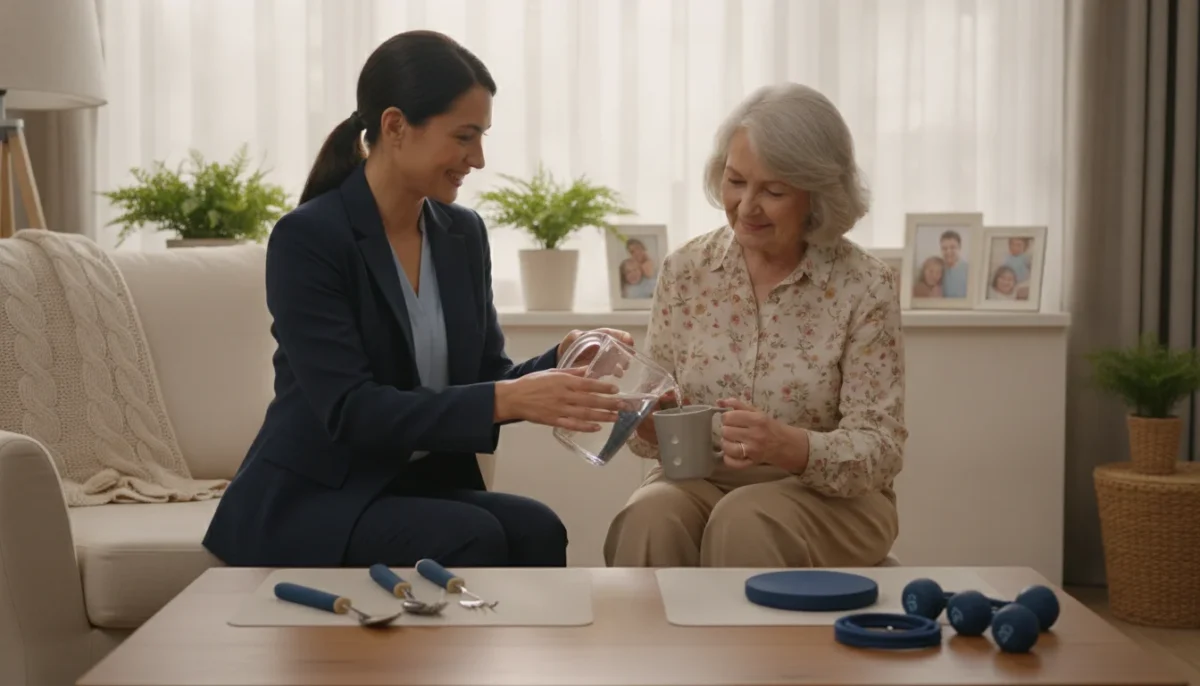
Our San Antonio patients show the powerful results of personalized care. At Continu Care Home Health, we believe everyone deserves dignity at home. With occupational therapy at home for seniors, we connect physical ability with daily independence.
Real-Life Case Studies
A local resident struggled with basic morning routines because of arthritis. Through targeted ADL training for seniors, therapists introduced adaptive tools for dressing and grooming. Within six weeks, the patient prepared breakfast and managed personal hygiene without help.
Another patient recovered from a fall but feared moving through the kitchen. We created a safety plan with home changes and balance training. The plan helped the patient move safely at home and regain confidence with household tasks.
Testimonials from Families
Many families share occupational therapy success stories that show caregiver relief. One daughter said her father could bathe alone, which greatly reduced her daily stress. She thanked the team for restoring her father’s self-worth through professional guidance.
Families often say their loved ones feel less frustrated. Independent tasks can improve a senior’s mood and reduce anxiety. This change creates a calmer, more positive home for everyone.
Impact on Quality of Life
Our main goal is to improve the quality of life for seniors by building independence. When seniors manage their routines, they stay connected to their community and interests. This independence supports healthy aging and long-term well-being.
| Functional Area | Pre-Therapy Status | Post-Therapy Outcome |
|---|---|---|
| Daily Dressing | Dependent on caregiver | Independent with tools |
| Kitchen Safety | High fall risk | Stable and confident |
| Personal Hygiene | Required assistance | Self-sufficient |
| Social Engagement | Isolated at home | Active participation |
Moving Forward: Planning for Independence
Meeting your health goals takes a clear vision for the future. occupational therapy at home for seniors helps you maintain your lifestyle and confidence.
Establishing Long-Term Goals
Set milestones that match your personal goals. A professional can help turn these dreams into reality through steady, practical practice.
Continuing Care After Therapy
Long-term independence requires ongoing commitment. This plan often includes adaptive equipment training and regular home practice to keep your skills sharp.
Resources for Ongoing Support
You do not have to manage this transition alone. Continuing home care strategies help you stay active and involved in your community.
Continu Care Home Health provides expert guidance for families throughout San Antonio and surrounding areas. Our team provides professional, compassionate support at your door. Call us at (210) 734-6166 or visit our office at 3201 Cherry Ridge C319, San Antonio, TX 78230 to schedule a consultation.
Call us today to learn how we can help you or your loved one. This article is not medical advice. Please contact your Doctor before using anything discussed in this post.