COMMON MEDICATION MISTAKES SENIORS SHOULD AVOID

WHEN PERSONAL CARE SERVICES CAN HELP SENIORS

Watching a loved one face cognitive decline is an emotional journey that no family should navigate alone. You want the best for your relative, ensuring they remain safe while preserving their dignity in familiar surroundings. Professional support makes a significant difference in managing these daily challenges effectively.
At Continu Care Home Health, we specialize in providing compassionate assistance tailored to unique memory-related needs. Our team understands that high-quality dementia care San Antonio families trust requires patience, expertise, and a personalized approach. By bringing professional intervention directly to your doorstep, we help your loved one maintain a higher quality of life.
Choosing the right support system allows you to focus on what matters most: spending meaningful time with your family. We are here to provide the stability and expert guidance your household deserves during this transition.
Key Takeaways
- Professional support helps maintain safety and dignity at home.
- Continu Care Home Health offers personalized plans for cognitive needs.
- Expert intervention improves the daily quality of life for patients.
- Families gain peace of mind through reliable, professional assistance.
- Specialized support allows you to focus on meaningful family moments.
Understanding Dementia and Its Challenges
Providing effective memory care at home starts with a clear grasp of the challenges your loved one faces. This condition is a long-term journey that requires significant patience, professional guidance, and a proactive approach to daily management.
What Is Dementia?
Dementia is a broad term used to describe a decline in mental ability that is severe enough to interfere with your daily life. It is not a specific disease but rather an umbrella term for various symptoms caused by disorders affecting the brain.
These changes often evolve over several years, making it essential to plan for the future early. Understanding the progression of these cognitive shifts helps you provide the best possible environment for your family member.
Common Symptoms and Behaviors
Patients often experience significant memory loss, confusion, and noticeable behavioral changes. You might observe difficulty with language, problem-solving, or even personality shifts that seem out of character.
Because these symptoms vary from person to person, high-quality memory care at home must be tailored to the individual. Recognizing these patterns early allows you to adjust your care strategies before the situation becomes unmanageable.
The Impact on Daily Living
As cognitive abilities decline, simple tasks like cooking, dressing, or managing finances become increasingly difficult. This loss of independence often leads to frustration and anxiety for both the patient and their caregivers.
Implementing memory care at home provides the structure needed to maintain safety and dignity. The following table outlines how different stages of cognitive decline typically affect daily routines.
| Stage | Cognitive Ability | Daily Impact |
|---|---|---|
| Early | Mild forgetfulness | Requires minor reminders |
| Middle | Increased confusion | Needs daily supervision |
| Late | Severe decline | Requires 24/7 assistance |
The Role of Home Health Care
Providing effective Alzheimer’s support requires a comprehensive approach that addresses both physical and emotional well-being. Professional caregivers step in to bridge the gap between medical necessity and daily comfort, ensuring that your loved one remains in a familiar setting. By coordinating with licensed experts, these services maintain a high standard of care that promotes stability and peace of mind.
Personalized Care Plans
Every individual experiences memory loss differently, which is why customized strategies are essential. Your care team develops a plan that accounts for specific cognitive challenges and physical limitations. This level of Alzheimer’s support ensures that the assistance provided is always relevant to the patient’s current stage of health.
Creating a Safe Environment
Safety is the foundation of effective in-home care. Caregivers conduct thorough assessments to identify potential hazards, such as loose rugs or poor lighting, that could lead to accidents. By modifying the living space, they create a secure sanctuary where your loved one can move with confidence and reduced anxiety.
Engaging Activities for Patients
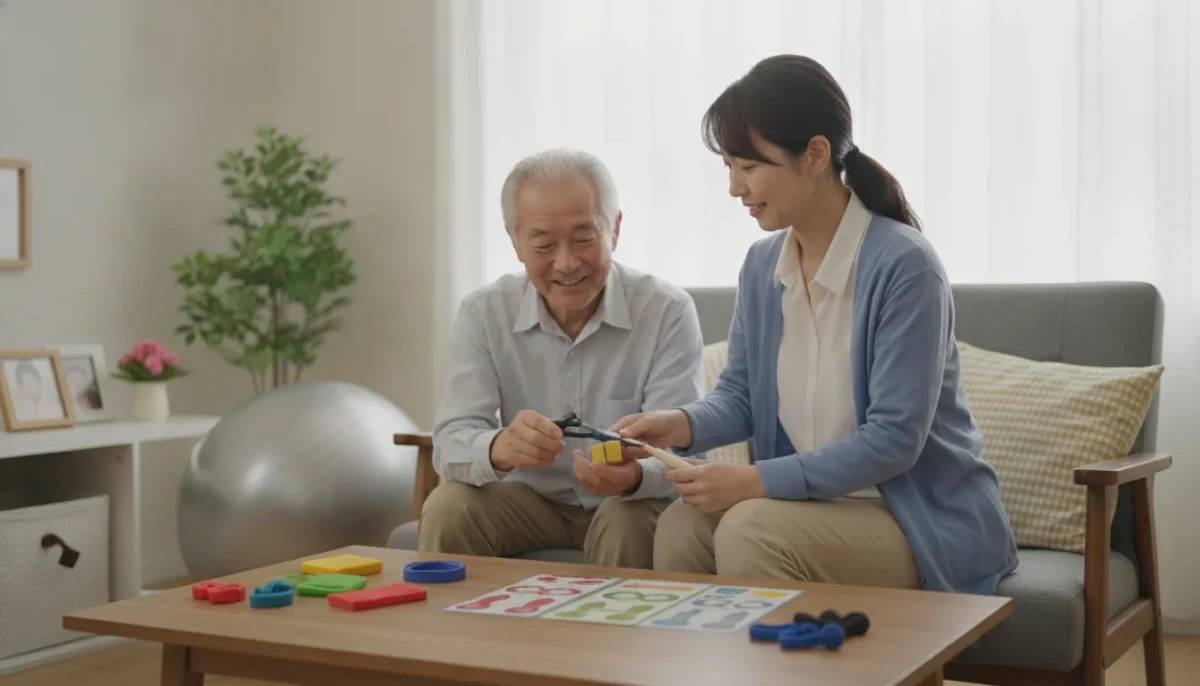
Maintaining a sense of purpose is vital for emotional health. Caregivers introduce structured, engaging activities that stimulate the mind and encourage social interaction. This consistent Alzheimer’s support helps preserve the patient’s dignity and independence for as long as possible.
| Care Focus | Primary Goal | Expected Outcome |
|---|---|---|
| Personalized Plans | Tailored Assistance | Improved Daily Function |
| Safety Measures | Hazard Mitigation | Reduced Injury Risk |
| Mental Engagement | Cognitive Stimulation | Enhanced Well-being |
Benefits of In-Home Dementia Care
Providing specialized support within the walls of a private residence creates a foundation for stability for those living with cognitive decline. When you choose memory care at home, you prioritize the emotional well-being of your loved one by allowing them to remain in a space they know and love.
Comfort and Familiarity
Remaining in a familiar environment is one of the most significant advantages of memory care at home. Unfamiliar surroundings often trigger heightened anxiety and confusion in patients, which can worsen behavioral symptoms.
By staying in their own home, your loved one maintains a sense of identity and routine. This consistency helps them feel secure, which is essential for managing the daily challenges associated with dementia.
Family Involvement and Support
In-home care facilitates a unique level of family connection that is often difficult to achieve in clinical settings. You can remain deeply involved in your loved one’s daily life while professional caregivers handle the complex burdens of care.
This partnership ensures that your family member receives expert attention without sacrificing the warmth of home. It allows you to focus on meaningful interactions rather than just the logistics of medical management.
Reduced Hospital Visits
One of the primary goals of professional memory care at home is to ensure that health changes are monitored closely. Caregivers are trained to spot subtle shifts in behavior or physical health before they escalate into emergencies.
Proactive management significantly reduces the likelihood of unnecessary hospital visits. By addressing concerns early, you provide your loved one with a safer and more stable living experience throughout their journey.
Choosing the Right Home Health Agency
Navigating the landscape of home health providers can feel overwhelming, but focusing on key criteria makes the process manageable. You deserve to feel confident in the team you invite into your home to provide essential caregiver assistance. Taking the time to evaluate your options ensures that your loved one receives the high-quality support they need to thrive.
Credentials and Experience
Start your search by verifying that the agency holds all necessary state licenses and certifications. It is vital to confirm that their staff has specific training in dementia care, as this requires a unique set of skills. Experienced agencies will gladly provide documentation regarding their hiring standards and ongoing education programs for their team.
Recommendations and Reviews
Personal testimonials often provide the most honest insight into the quality of care provided. You should ask for references from other families who have utilized their caregiver assistance services in the past. Reading online reviews can also help you identify patterns in how the agency handles communication and emergency situations.
Services Offered
Every individual has different needs, so you must ensure the agency offers a flexible range of services. Whether you require 24-hour monitoring or simple daily help, the provider should tailor their caregiver assistance to your specific situation. Review the following table to understand how to compare different agencies effectively.
| Selection Criteria | High-Quality Agency | Standard Agency |
|---|---|---|
| Dementia Training | Certified Specialists | General Training |
| Caregiver Assistance | Highly Personalized | Basic Support |
| Response Time | Immediate/24-7 | Business Hours Only |
| Reference Check | Transparent/Available | Limited Access |
Always prioritize an agency that demonstrates a clear commitment to your family’s long-term comfort. By vetting these providers thoroughly, you secure a reliable partner for your loved one’s journey.
How Continu Care Home Health Can Help
At Continu Care Home Health, we prioritize your family’s peace of mind by offering tailored solutions for those navigating cognitive decline. We understand that every individual experiences memory loss differently, which is why we provide high-quality dementia care San Antonio to support your unique needs. Our team is dedicated to ensuring your loved one remains safe, comfortable, and engaged in their own home.
Specialized Training for Caregivers
Our caregivers undergo rigorous, specialized training to handle the complex behaviors associated with memory impairment. They are equipped with the patience and professional skills necessary to manage daily challenges effectively. By focusing on empathy and clear communication, our staff builds meaningful connections with every patient.
- Advanced techniques for managing agitation and confusion.
- Safety protocols designed to prevent wandering and accidents.
- Compassionate support for daily hygiene and nutritional needs.
Comprehensive In-Home Assessments
We believe that effective care begins with a deep understanding of the patient’s current environment and health status. Our team conducts thorough in-home assessments to create a customized care strategy that evolves as your loved one’s needs change. This proactive approach ensures that our dementia care San Antonio services remain relevant and highly effective over time.
Flexible Care Schedules
We recognize that family life is unpredictable and that your requirements for support may shift from week to week. Our agency offers flexible scheduling options to accommodate your specific situation, whether you need occasional respite or intensive, around-the-clock supervision. You can trust us to provide the right level of assistance exactly when you need it most.
Communication Strategies with Dementia Patients

You can transform your daily interactions by adopting new ways to connect with dementia patients. As cognitive abilities shift, the way you share information and express affection must evolve to meet their changing needs.
Developing these skills helps you minimize frustration for both yourself and your loved one. By focusing on clarity and empathy, you create a stable environment where your family member feels heard and valued.
Techniques for Effective Interaction
When speaking with someone experiencing memory loss, simplicity is your greatest tool. Use short, direct sentences to ensure your message is easy to process without causing unnecessary confusion.
Consider these essential habits for your daily conversations:
- Maintain consistent eye contact to show you are fully present.
- Speak in a calm, gentle tone to avoid triggering anxiety.
- Allow extra time for the person to process your words and formulate a response.
- Use visual aids or gestures to reinforce what you are saying.
Building Trust and Comfort
Trust is the foundation of a successful caregiving relationship. You can foster this sense of security by validating their feelings rather than correcting their reality, which often leads to unnecessary conflict.
Focus on creating a positive atmosphere where your loved one feels safe to express themselves. The following table outlines how to shift your approach to build stronger connections:
| Approach | Traditional Method | Recommended Strategy |
|---|---|---|
| Correction | Pointing out errors | Validating emotions |
| Pacing | Rushing through tasks | Allowing ample time |
| Environment | Noisy or busy areas | Quiet, calm spaces |
Understanding Non-Verbal Cues
Often, the most important messages are delivered without a single word. You must learn to observe body language and facial expressions, as these often reveal needs that the patient can no longer articulate verbally.
If your loved one appears restless or agitated, look for physical signs of discomfort or environmental triggers. By becoming an attentive observer, you can address their needs before they become overwhelmed, ensuring a more peaceful and supportive home environment.
Managing Behavior Challenges
Managing the complex behaviors associated with dementia requires patience, observation, and a structured approach. When your loved one experiences agitation or wandering, it is often a sign of an unmet need or an overwhelming environment. By staying proactive, you can create a more stable and comfortable living space for everyone involved.
Identifying Triggers
Behavioral outbursts rarely happen without a cause. Often, the environment holds the key to understanding these shifts in mood or activity. You should look for patterns related to noise levels, lighting, or even the time of day.
Physical discomfort is another common trigger that is frequently overlooked. Your loved one might be struggling with pain, hunger, or fatigue but lacks the ability to communicate these needs clearly. Careful observation of their daily routine helps you pinpoint these stressors before they escalate into difficult situations.
Strategies for De-escalation
When a situation becomes tense, your response plays a critical role in restoring calm. Using a gentle, low-pitched voice can help lower the anxiety levels of the patient. Avoid arguing or correcting their reality, as this often increases frustration.
Redirection is a highly effective tool for managing agitation. Gently shift their focus toward a favorite activity, a snack, or a quiet space to help them reset. Ensuring the safety of the household remains the top priority during these moments, so keep the environment free of potential hazards.
Support for Family Caregivers
The emotional and physical toll of providing constant care can be immense. You do not have to navigate these challenges alone, as professional caregiver assistance is designed to share the burden. Bringing in trained staff allows you to take necessary breaks, which is vital for preventing burnout.
By delegating specific tasks to professionals, you ensure that your loved one receives consistent, high-quality care. This partnership provides you with the peace of mind needed to focus on your own well-being. Utilizing reliable caregiver assistance ultimately strengthens your ability to provide the love and support your family member deserves.
Financial Considerations of In-Home Care
Navigating the expenses of in-home assistance might feel overwhelming, but proactive planning makes the process much more manageable. By taking the time to evaluate your financial landscape, you ensure that your loved one receives consistent, high-quality support without compromising your family’s stability.
Insurance Coverage Options
Many families assume that all home health costs must be paid out-of-pocket, but several insurance avenues may provide relief. Medicare often covers medically necessary skilled nursing or therapy services, though it typically does not cover long-term custodial care.
You should also review any private long-term care insurance policies held by your loved one. These plans are specifically designed to offset the costs of daily living assistance and can significantly reduce your monthly financial burden.
Budgeting for Home Health Services
Creating a sustainable budget starts with a clear assessment of your current assets and monthly income. It is helpful to list all potential expenses, including caregiver hours, medical supplies, and home safety modifications, to get a realistic view of your needs.
Prioritizing these costs allows you to make informed decisions about the level of care that fits your budget. Consistent monitoring of your spending helps you adjust your plan as your loved one’s needs evolve over time.
Resources for Financial Assistance
You do not have to navigate this journey alone, as various tools and programs exist to help families find support. Utilizing resources like BenefitsCheckUp can help you identify state and federal programs that might provide financial aid for dementia care.
Additionally, local area agencies on aging often provide guidance on community-based funding options. Exploring these valuable resources early on empowers you to build a secure and lasting care strategy for your family member.
Emotional and Psychological Support

Providing effective Alzheimer’s support starts with acknowledging the heavy emotional burden placed on family caregivers. While you focus on the daily needs of your loved one, it is easy to overlook your own psychological well-being. Maintaining your mental health is not a luxury; it is a vital necessity for sustaining long-term caregiving efforts.
Importance of Mental Health
The journey of dementia often brings complex emotions, including grief, frustration, and exhaustion. When you prioritize your mental health, you build the resilience required to handle unpredictable behaviors and daily challenges. A healthy caregiver is better equipped to provide the patience and stability that a patient needs to feel secure.
Counseling and Support Groups
You do not have to navigate these difficult emotions alone. Professional counseling offers a safe space to process your feelings and develop healthy coping mechanisms. Additionally, joining a community of peers can provide invaluable Alzheimer’s support through shared experiences.
- Validation: Connect with others who truly understand your daily struggles.
- Education: Learn new strategies for managing cognitive decline from experts.
- Outlet: Express your frustrations in a non-judgmental environment.
Respite Care for Family Members
Even the most dedicated caregivers need time to step away and recharge. Respite care serves as a critical bridge, offering short-term professional assistance that allows you to take a break. By utilizing these services, you ensure that you remain physically and mentally capable of providing the best possible care.
Taking a brief period of rest helps prevent burnout and keeps your perspective clear. Whether it is for a few hours or a few days, respite services provide the peace of mind that your loved one is in capable hands. This balance is essential for maintaining a sustainable and loving caregiving relationship over the long term.
Taking the Next Step
Choosing professional support for a loved one living with dementia represents a vital commitment to their quality of life. You gain peace of mind by prioritizing expert guidance and personalized attention for your family member.
How to Get Started with In-Home Care
Begin your journey by assessing the specific daily needs of your loved one. Reach out to our team to discuss how tailored support plans improve comfort and safety within your own residence.
Scheduling a Consultation
Continu Care Home Health proudly serves patients and families throughout San Antonio and surrounding areas with compassionate, professional care delivered in the comfort of home. We invite you to contact us to learn more about our in-home care services or to schedule a consultation for yourself or a loved one.
You can reach our office at (210) 734-6166. Visit us at 3201 Cherry Ridge C319, San Antonio, TX 78230. Call us if you need any help.
This article is not medical advice. Please contact your Doctor before implementing anything covered in this post.