HOW FAMILY CAREGIVERS CAN PREPARE FOR HOME RECOVERY

HOW STROKE PATIENTS BENEFIT FROM HOME HEALTH SERVICES

Managing the health of a loved one is a significant life transition that often feels overwhelming. You want the best for your family, but navigating medical needs and daily assistance can be complex. A structured approach is essential to keep your household organized and confident during these challenging times.
Professional services, such as those offered by Continu Care Home Health, provide a vital solution for families. By working with experts, you gain a clear roadmap for recovery and long-term wellness. This partnership allows you to focus on what truly matters: spending quality time with your loved ones.
Finding reliable elderly care San Antonio services can transform your daily routine. It provides the emotional stability and safety you need to navigate the complexities of caregiving. With the right support, you can ensure your family member thrives in the comfort of their own home.
Key Takeaways
- Home health services offer a structured path for managing recovery at home.
- Professional support reduces the stress associated with complex caregiving duties.
- Personalized plans ensure that every patient receives tailored medical attention.
- Consistent communication helps families stay informed and confident in their decisions.
- Professional assistance fosters a safer environment for aging or recovering loved ones.
The Evolving Landscape of Home Health Care
Over the last five years, the landscape of home health care has shifted dramatically toward personalized, domestic settings. The industry has experienced a remarkable 44% growth, reflecting a fundamental change in how families approach long-term support. You are likely seeing more households choose to keep their loved ones in a familiar environment rather than relying on traditional institutional facilities.
Shifting Preferences Toward Home-Based Recovery
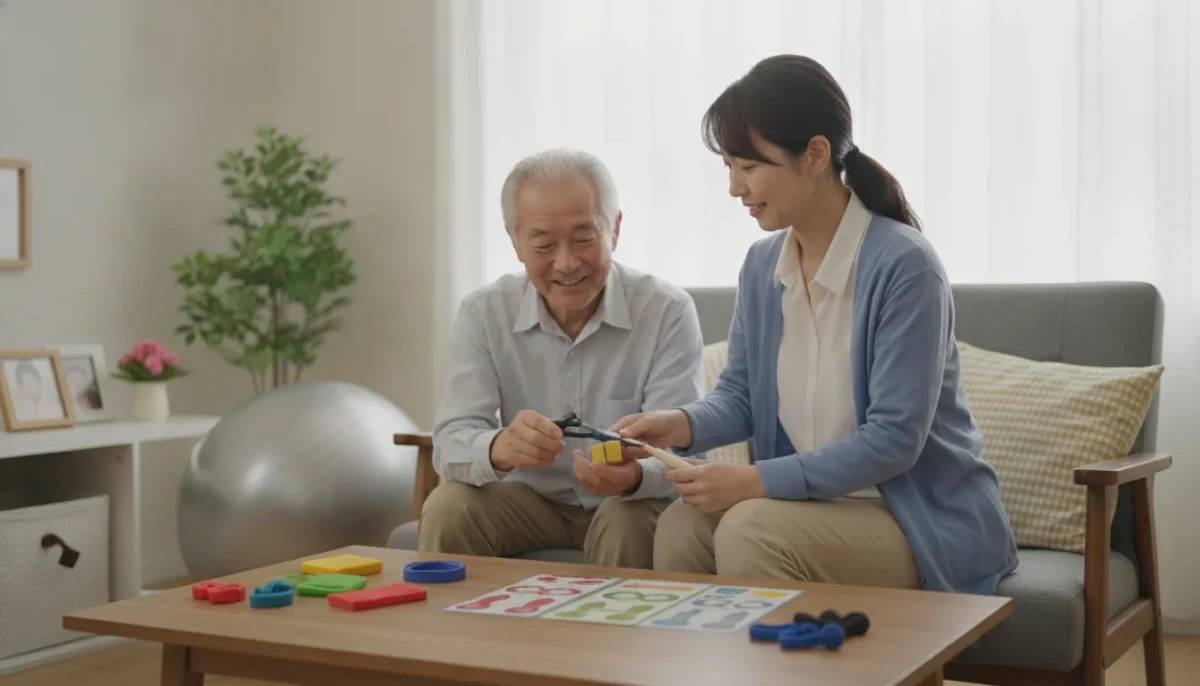
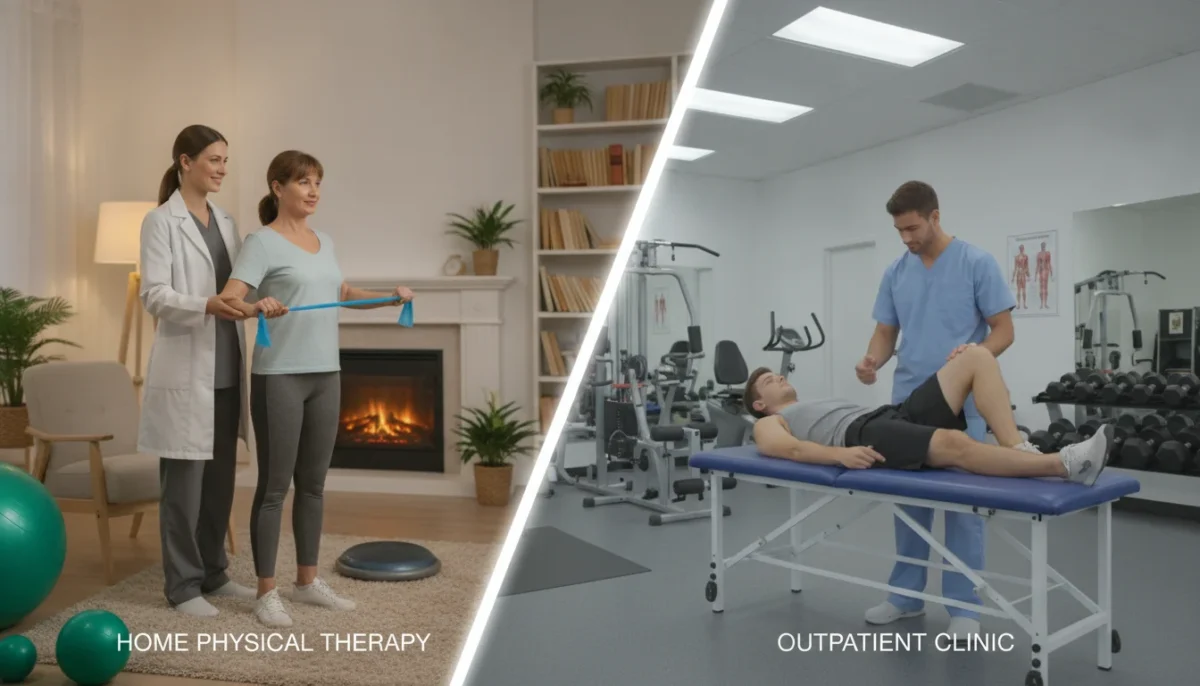
Many families now recognize that recovery often happens faster when a patient feels secure and comfortable. The familiarity of one’s own home plays a vital role in reducing stress and promoting a sense of well-being. By choosing home-based recovery, you provide your loved ones with the autonomy they deserve while ensuring they receive professional medical attention.
This transition is driven by several key factors that prioritize the patient’s quality of life:
- Enhanced comfort through familiar surroundings and personal belongings.
- Greater independence, allowing seniors to maintain their daily routines.
- Reduced exposure to the risks often associated with large, crowded clinical settings.
The Modern Standard for Patient-Centered Care
The current standard of care focuses heavily on the individual rather than a one-size-fits-all approach. Modern healthcare models emphasize personalized attention, ensuring that every plan is tailored to the specific physical and emotional needs of the patient. This shift allows for a more flexible and responsive care experience.
By moving away from rigid institutional schedules, caregivers can now adapt to the unique rhythm of your family life. This flexibility is the cornerstone of modern support, fostering a deeper connection between the patient and their care team. Ultimately, this patient-centered philosophy ensures that your loved ones receive care that respects their dignity and personal preferences.
Why Families Are Choosing Elderly Care San Antonio
As the population of older adults grows, the demand for high-quality elderly care San Antonio has reached a critical turning point. Recent surveys estimate there are 44 million caregivers over the age of 18 in the United States, which highlights the widespread need for professional support. You are likely looking for solutions that provide both safety and comfort for your aging relatives.
Local Demographics and the Need for Specialized Support
San Antonio features a unique demographic landscape that requires a tailored approach to health services. Many families here value multigenerational traditions and prefer to keep their loved ones within the familiar surroundings of their own homes. Specialized support ensures that these cultural preferences are respected while meeting complex medical requirements.
By addressing the specific needs of the local population, providers can offer more effective assistance. This targeted approach helps families manage daily challenges with greater confidence. It is essential to find support that understands the specific rhythm of life in this vibrant city.
The Advantage of Community-Based Healthcare Providers
Choosing a local provider for elderly care San Antonio offers significant logistical benefits. Community-based teams are familiar with the area, which allows for faster response times and better coordination with local medical facilities. You gain peace of mind knowing that your caregivers are part of the same community you call home.
These providers often build stronger, more personal relationships with the families they serve. Because they are rooted in the region, they offer a level of dedication that is difficult to replicate. Relying on local expertise is a smart strategy for ensuring your loved ones receive the compassionate attention they deserve.
The Role of Professional In-Home Nursing Assistance
Professional in-home nursing assistance brings the hospital’s clinical precision directly to your front door. You no longer need to sacrifice high-level medical care to enjoy the comfort and familiarity of your own living space. This modern approach ensures that you receive expert attention without the disruption of frequent travel.
Clinical Expertise Delivered at Your Doorstep
Modern home care has evolved to include complex medical procedures that were once restricted to clinical facilities. Skilled nurses are now fully equipped to manage urinary catheters, provide specialized skin care around central lines, and oversee gastrostomy tube feedings with utmost safety. By bringing this level of expertise into your home, these professionals ensure that your specific medical requirements are met with consistent accuracy.
Managing Chronic Conditions Outside of a Hospital Setting
Effective management of chronic conditions often requires ongoing monitoring that can be stressful to coordinate through traditional hospital systems. Utilizing in-home nursing assistance allows you to maintain your health goals while staying in a supportive environment. This strategy significantly reduces the anxiety associated with navigating busy clinics for routine medical maintenance.
The following table highlights the key differences between traditional hospital-based care and the modern home-based model:
| Feature | Hospital Setting | In-Home Nursing |
|---|---|---|
| Environment | Clinical and sterile | Comfortable and familiar |
| Care Focus | General ward protocols | Highly personalized plans |
| Travel Needs | Frequent and demanding | None required |
| Recovery Pace | Often interrupted | Consistent and steady |
By choosing in-home nursing assistance, you gain the peace of mind that comes from knowing your health is in capable hands. This transition empowers you to focus on your recovery while remaining surrounded by the people and things you love most.
Enhancing Senior Support Services Through Personalized Plans

Personalized planning serves as the foundation for high-quality senior support services. By creating a clear roadmap for care, you ensure that every specific requirement is met with precision and compassion. This structured approach helps maintain the dignity and independence of your loved one while providing you with peace of mind.
Tailoring Care to Individual Daily Needs
Every person has a unique set of habits, preferences, and health challenges that define their daily life. Customizing care means looking beyond basic medical tasks to understand the person behind the patient. When you prioritize these individual needs, you foster a sense of comfort and familiarity that is essential for long-term well-being.
Effective senior support services focus on empowering the individual to perform daily activities with as much autonomy as possible. By identifying specific areas where assistance is required, caregivers can provide targeted help without overstepping. This balance is vital for preserving the patient’s sense of self and personal agency.
The Importance of Flexibility in Care Schedules
Health is rarely static, and your care strategy must be just as dynamic as the needs of your loved one. It is essential to establish a routine where you review the care plan every few months to ensure it remains relevant. If there are significant changes in the patient’s health status, you should initiate a review even sooner to adjust the level of support provided.
Maintaining flexibility in care schedules allows your family to adapt to new challenges as they arise. Whether it involves increasing the frequency of visits or modifying the types of assistance offered, a responsive plan prevents gaps in care. Proactive adjustments ensure that your loved one always receives the exact level of help they need to thrive in their home environment.
How Continu Care Home Health Prioritizes Patient Safety
At Continu Care Home Health, we believe that true peace of mind begins with a secure living environment. Our commitment to your family goes beyond basic assistance, as we integrate comprehensive safety measures into every aspect of our daily routine. By focusing on both the physical space and the clinical needs of our patients, we create a sanctuary where your loved ones can thrive with confidence.
Rigorous Standards for Professional Caregivers
We maintain exceptionally high standards when selecting and training our staff. Every caregiver undergoes a thorough vetting process to ensure they possess the skills and empathy required for high-quality home care. This dedication ensures that your family member receives support from a professional who is fully prepared to handle both medical and environmental challenges.
Our team members participate in ongoing education programs to stay updated on the latest safety practices. This continuous learning allows them to adapt quickly to the changing needs of the individuals they serve. You can rest assured that our staff is equipped with the expertise to manage complex situations with grace and precision.
Implementing Safety Protocols in the Home Environment
A safe home is the foundation of effective recovery and long-term wellness. Our caregivers conduct detailed assessments of the living space to identify potential risks before they become problems. By proactively addressing these concerns, we help maintain a secure atmosphere that supports independence.
Fall Prevention Strategies
Falls represent a significant risk for seniors, which is why we prioritize proactive prevention. Our caregivers help ensure a safe environment by suggesting the removal of common trip hazards like loose rugs or cluttered walkways. We also recommend covering sharp corners on furniture that might cause injury, creating a softer and more accessible living area for your loved one.
Medication Management Oversight
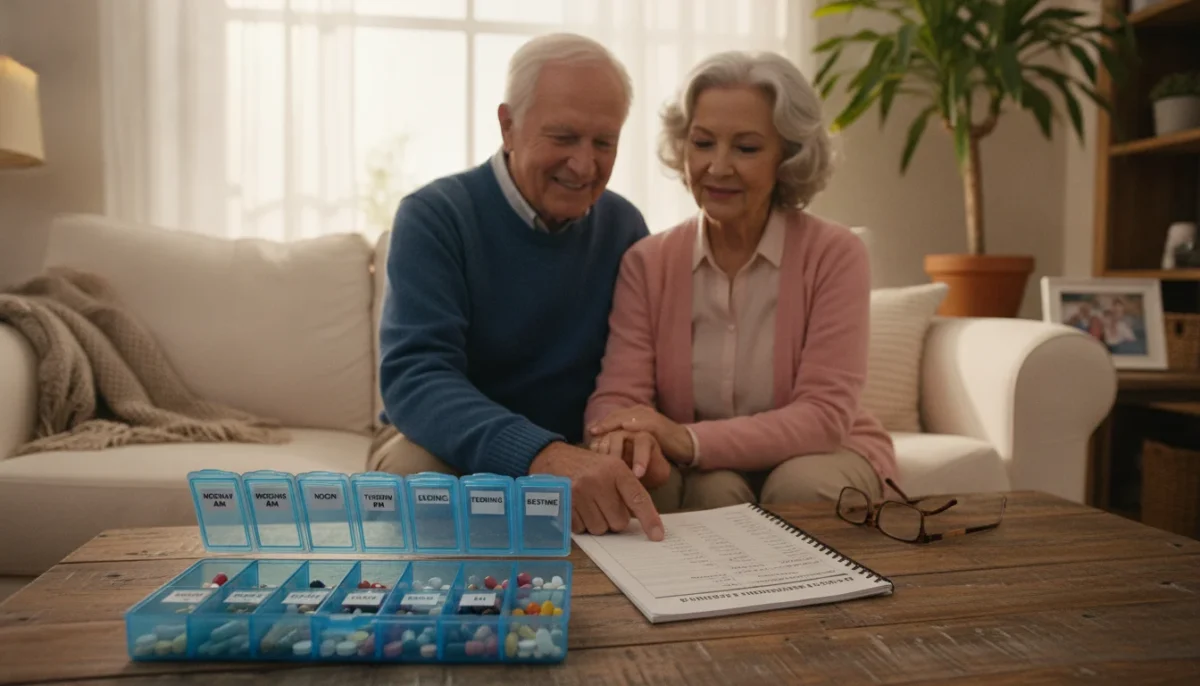
Proper medication adherence is vital for maintaining health and preventing complications. Our team provides meticulous oversight to ensure that every dose is taken correctly and on time. By managing these details, we reduce the risk of errors and provide you with the assurance that your family member’s health is being monitored with the utmost care.
The Psychological Benefits of Aging in Place
Your home serves as the foundation for emotional stability and long-term mental health during the aging process. While physical recovery often takes center stage, the emotional well-being of a senior is equally vital for a high quality of life. Utilizing professional senior support services allows your loved ones to thrive in an environment that feels safe and secure.
Maintaining Independence and Familiar Routines
Remaining in a familiar space provides a profound sense of autonomy that is difficult to replicate elsewhere. When seniors stay in their own homes, they retain control over their daily schedules, personal belongings, and cherished memories. This sense of agency is a powerful driver of self-esteem and overall happiness.
By keeping established routines intact, you help your loved ones avoid the disorientation that often accompanies a move to a new facility. Consistency in their surroundings acts as a buffer against the stress of health changes. High-quality senior support services are designed to respect these personal habits while providing the necessary assistance to keep them safe.
Reducing Anxiety Through Consistent Caregiving
The presence of a dedicated, familiar caregiver significantly lowers the anxiety levels often associated with aging. When a patient knows who will arrive and what to expect, they feel more relaxed and open to the care process. This consistency is a cornerstone of effective mental health management.
Caregiver burden is a well-documented precursor to depressive symptoms in both the patient and the family. By integrating professional help, you alleviate the pressure on family members, which creates a more positive atmosphere at home. Reliable senior support services ensure that emotional health is prioritized alongside physical recovery.
| Psychological Factor | Home-Based Care | Institutional Care |
|---|---|---|
| Sense of Autonomy | High | Low |
| Routine Stability | Maintained | Disrupted |
| Anxiety Levels | Reduced | Often Elevated |
| Social Connection | Personalized | Group-Oriented |
Reducing Caregiver Burnout for Family Members
Caring for a loved one is a noble commitment, but it often comes with hidden emotional and physical costs. You may feel that your own health is secondary to the needs of your family member. However, ignoring your own limits can lead to significant exhaustion that affects the quality of care you provide.
Recognizing when you need a break is not a sign of weakness. It is a vital strategy for ensuring that your loved one receives the best possible attention over the long term. By acknowledging these challenges early, you protect your own well-being while maintaining a sustainable caregiving environment.
The Necessity of Respite for Primary Caregivers
Respite care services offer a practical solution for families facing the pressures of daily care. These services allow you to step away from your duties for a few hours or even days. During this time, you can rest, attend to personal errands, or simply recharge your batteries.
When you return to your caregiving role, you will likely feel more refreshed and patient. This break ensures that your loved one continues to receive professional attention in your absence. Consistent care remains the priority, even when you are not the one providing it directly.
Balancing Family Responsibilities with Professional Support
Finding the right balance between your personal life and your caregiving duties is essential. Many families find that integrating professional support helps them manage their time more effectively. You do not have to carry the entire burden alone to be a dedicated family member.
Professional caregivers can handle complex medical tasks or daily living assistance, giving you the freedom to focus on your relationship with your loved one. This partnership reduces the risk of burnout and fosters a more positive home atmosphere. The following table highlights how professional support changes the caregiving dynamic.
| Feature | Caregiver-Only Model | Integrated Care Model |
|---|---|---|
| Primary Responsibility | Family Member | Shared Responsibility |
| Personal Time | Very Limited | Scheduled and Consistent |
| Risk of Burnout | High | Low |
| Care Quality | Variable | Professional and Stable |
By utilizing these resources, you ensure that your own health remains a priority. Taking care of yourself is the most effective way to ensure you can continue to support your family for years to come.
Navigating the Transition to Professional Home Care
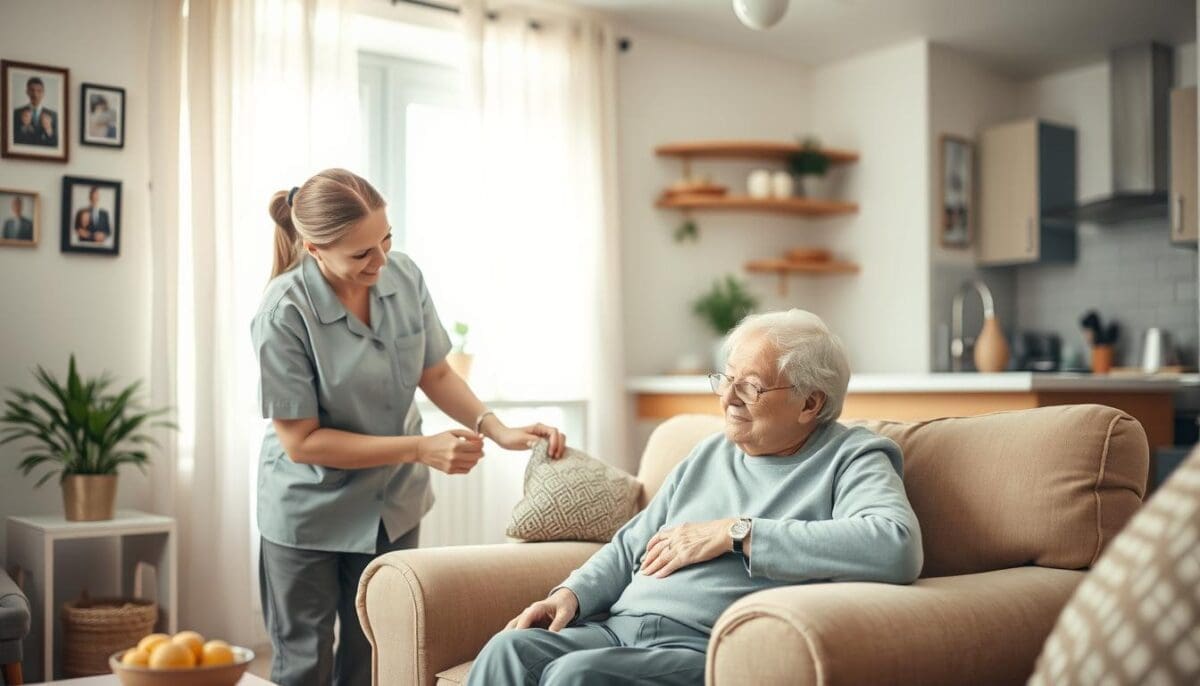
Transitioning to professional care often feels overwhelming, but proactive planning makes all the difference in your family’s experience. Many families struggle because communication gaps between hospitals and community providers can complicate the discharge process. By preparing early, you ensure that elderly home care becomes a seamless extension of your loved one’s daily life rather than a reactive measure.
Identifying the Right Time for Additional Help
Recognizing the subtle signs that your loved one needs extra support is essential for their safety. You might notice frequent falls, difficulty managing complex medication schedules, or a decline in personal hygiene. These indicators often suggest that the current living situation no longer meets their physical or cognitive requirements.
Ignoring these early warning signs can lead to a crisis-driven decision, which often limits your options. Instead, look for patterns of social withdrawal or an inability to keep up with household chores. Taking action before an emergency occurs allows you to choose the best elderly home care provider for your specific needs.
Communicating Care Needs with Your Loved One
Initiating a conversation about professional assistance requires empathy and patience. It is important to frame the discussion around their desire to maintain independence rather than focusing on their limitations. Active listening helps you understand their fears and concerns, making them feel like a partner in the decision-making process.
Try to present the transition as a way to enhance their quality of life. When your loved one feels heard and respected, they are much more likely to accept the benefits of elderly home care. Open, honest dialogue creates a foundation of trust that will support them throughout their entire care journey.
Recent Trends in Local Healthcare Delivery
Local healthcare delivery is entering a new era defined by precision and constant connectivity. These advancements allow medical teams to track health metrics in real-time, ensuring that your loved ones receive timely interventions. By leveraging these tools, providers can maintain a high standard of care that extends far beyond the walls of a clinic.
Technological Advancements in Home Monitoring
Modern home health monitoring systems have revolutionized how we manage chronic conditions. Wearable sensors and smart devices now track vital signs, activity levels, and even sleep patterns automatically. This data is transmitted directly to healthcare professionals, who can spot potential issues before they become emergencies.
It is important to remember that caregivers are often the secondary patients in this dynamic. The physical and emotional demands of caregiving place them at high risk for injury or burnout. These technological tools provide essential guidance and peace of mind, reducing the daily burden on family members who serve as primary caregivers.
The Integration of Telehealth and In-Person Visits
The most effective care models today combine the convenience of telehealth with the warmth of in-person visits. Virtual consultations allow for quick check-ins, medication adjustments, and symptom reviews without the need for travel. This hybrid approach ensures that medical professionals remain fully informed about the patient’s status at all times.
When in-person visits occur, they are now more focused and efficient because the clinician already has access to recent digital health data. This synergy creates a seamless experience for families, bridging the gap between routine monitoring and hands-on support. By embracing these trends, you can ensure a more responsive and connected healthcare journey for your family.
| Feature | Traditional Care | Tech-Enabled Care |
|---|---|---|
| Data Collection | Manual/Infrequent | Automated/Real-time |
| Communication | Phone calls only | Integrated Telehealth |
| Caregiver Support | Limited guidance | Proactive monitoring |
| Response Time | Delayed | Immediate alerts |
Addressing Common Concerns About In-Home Services
Inviting a professional caregiver into your personal space is a significant decision that requires careful consideration. It is natural to feel protective of your home environment while seeking the best possible support for your aging relatives. By addressing these uncertainties openly, you can move forward with confidence and clarity.
Ensuring Privacy and Trust in Your Home
Building a foundation of trust is essential when you choose elderly home care. Professional agencies prioritize your privacy by conducting thorough background checks and providing consistent, vetted staff members. You maintain control over your household routines while receiving the specialized assistance your loved one requires.
When you work with reputable providers, you benefit from:
- Rigorous screening processes for all staff members.
- Clear communication regarding daily care schedules.
- Respect for your personal boundaries and home environment.
Understanding the Cost-Benefit of Home Health Care
Many families worry about the financial commitment of professional services. However, it is important to view this as a proactive investment in the health of your entire family. Research shows that caregiver burden often leads to poor health outcomes and increased reliance on prescription medications for family members who try to manage everything alone.
By delegating tasks to professionals, you protect your own well-being while ensuring your loved one receives high-quality support. The following table highlights why professional elderly home care often provides better long-term value than institutional alternatives.
| Feature | In-Home Care | Institutional Care |
|---|---|---|
| Environment | Familiar and comfortable | Clinical and structured |
| Personalization | Highly tailored plans | Standardized routines |
| Family Impact | Reduces caregiver burnout | Limited family involvement |
Ultimately, the cost of elderly home care is balanced by the prevention of health crises and the preservation of your family’s quality of life. Choosing the right support system allows you to focus on meaningful moments rather than the physical strain of daily caregiving duties.
The Impact of Compassionate Care on Long-Term Health
True healing extends far beyond medical treatments and clinical interventions. When you integrate empathy into daily routines, you create a supportive environment that fosters genuine recovery. High-quality in-home nursing assistance acts as a bridge between clinical necessity and human comfort.
The Connection Between Emotional Well-being and Physical Recovery
Research consistently shows that a patient’s emotional state directly influences their physical health. When a patient feels understood and valued, their stress levels decrease significantly. This reduction in anxiety allows the body to focus its energy on healing and restoration.
Mutuality and preparedness in the caregiver-patient relationship are essential. By fostering a sense of partnership, you reduce the emotional strain on family members. This collaborative approach ensures that the patient remains motivated throughout their recovery journey.
Building Lasting Relationships Between Caregivers and Patients
The bond formed between a professional caregiver and a patient is a fundamental pillar of effective care. Trust serves as the foundation for this relationship, allowing for open communication and better adherence to health plans. Consistent, compassionate support helps patients feel secure in their own homes.
When you choose in-home nursing assistance, you are investing in more than just medical tasks. You are choosing a partner who respects the dignity and independence of your loved one. This human connection often leads to improved long-term health outcomes and a higher quality of life.
| Care Aspect | Standard Care | Compassionate Care |
|---|---|---|
| Patient Focus | Task-oriented | Relationship-oriented |
| Emotional Support | Minimal | Integrated |
| Recovery Speed | Baseline | Accelerated |
| Family Stress | Moderate | Significantly Reduced |
Conclusion
Choosing the right path for your family member involves balancing professional support with the comfort of a familiar environment. You now have a clearer understanding of how personalized plans and safety protocols create a foundation for long-term health and emotional stability.
Taking action today ensures your loved ones receive the high standard of care they deserve. We invite you to contact Continu Care Home Health to learn more about in-home care services or to schedule a consultation for yourself or a loved one.
Continu Care Home Health proudly serves patients and families throughout San Antonio and surrounding areas with compassionate, professional care delivered in the comfort of home. You can reach our team at (210) 734-6166 or visit our office at 3201 Cherry Ridge C319, San Antonio, TX 78230. Call us if you need any help.
This article is not medical advice. Please contact your Doctor before implementing anything covered in this post.