Home Health vs. Assisted Living: How Families Know When Staying Home Stops Working

Caregiver Burnout: The Symptoms Family Caregivers Talk Themselves Out Of
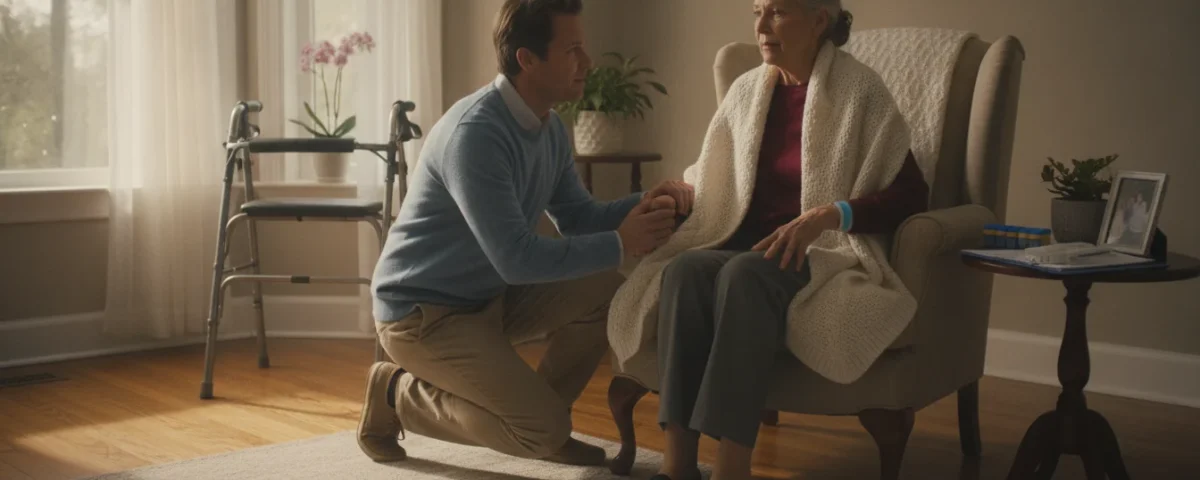
Watching a loved one return from a medical facility can bring relief, but it may begin a complex period. The hospital to home transition often reveals subtle challenges that stayed hidden before. You may notice your parent struggling with daily tasks or showing new confusion.
It is vital to watch these patterns closely without making quick assumptions. Careful monitoring helps you separate temporary recovery problems from long-term needs. Whether you are considering home health after hospital discharge or adjusting your support plan, finding these changes early matters.
Your goal is to provide comfort and safety. By watching physical, emotional, and cognitive changes, you can decide when your family member needs professional help.
Key Takeaways
- Monitor your parent for new patterns of behavior during the recovery phase.
- Recognize that subtle changes in daily function often signal a need for extra support.
- Avoid making quick assumptions; focus on gathering consistent observations first.
- Evaluate if current living arrangements meet the safety requirements of your loved one.
- Prioritize open communication with medical professionals to ensure a smooth recovery process.
Changes in Physical Health
Noticing changes in your loved one’s health is the first step toward protecting their independence. Age brings some decline, but sudden changes may show your parent needs more support. transitional care at home provides oversight to manage these health challenges.
Unexplained weight loss
If your parent’s clothes fit loosely or their muscles look smaller, take these changes seriously. Unexplained weight loss may signal health issues, including trouble chewing, poor appetite, or difficulty preparing nutritious meals. Consult a physician to rule out serious medical conditions.
Difficulty with mobility
Your parent may move slowly or hesitate while walking through familiar spaces. This difficulty with mobility may come from joint pain, weakness, or balance problems. Consider professional assistance when basic tasks, such as rising from a chair, become difficult.
Frequent falls
Repeated trips or slips are serious warning signs that need immediate attention. One fall can reduce confidence, limit movement, and increase isolation. transitional care at home can identify fall hazards and provide physical support for better stability.
| Observation | Normal Aging | Warning Sign |
|---|---|---|
| Weight | Minor fluctuations | Rapid, unexplained loss |
| Movement | Slightly slower pace | Unsteady gait or falls |
| Strength | Gradual reduction | Inability to stand alone |
| Recovery | Slower healing | Decline after hospital stay |
Do not dismiss these physical changes as a normal part of aging. Proactive transitional care at home helps your parent stay safe, healthy, and comfortable at home.
Mental and Emotional Well-being
Emotional and cognitive shifts may show that your loved one needs more support. Physical health is easy to track, but internal changes can be subtle and hard to identify. Scheduling a post-discharge nursing visit can provide expert insight into these changing needs.
Signs of depression
Depression in older adults often appears differently than it does in younger adults. You might notice your parent showing persistent sadness, irritability, or less interest in activities they once enjoyed. These feelings are not a normal part of aging.
Watch for social withdrawal or a sudden decline in personal care. If your parent seems hopeless or says they are a burden, seek immediate help from a healthcare provider.
Memory loss or confusion
Occasional forgetfulness, such as misplacing keys, is common as we age. However, ongoing confusion or trouble following familiar routines may signal a deeper issue. Be concerned if your parent struggles with complex tasks or becomes disoriented at home.
Professional evaluation is needed to find the root cause of these cognitive changes. A post-discharge nursing visit can document these observations, helping your parent’s care team adjust the support plan.
| Symptom Type | Normal Aging | Concerning Signs |
|---|---|---|
| Memory | Forgetting names occasionally | Losing track of time or place |
| Mood | Feeling down briefly | Persistent hopelessness |
| Routine | Needing a reminder | Inability to follow steps |
| Social | Preferring quiet time | Total social withdrawal |
Decline in Personal Hygiene
You may notice small changes in how your parent handles personal hygiene and the home. These changes are often not caused by simple choice or laziness. They may signal physical weakness, chronic pain, or cognitive confusion.
During a hospital to home transition, compare your parent’s habits with their usual standards. Watch for patterns over time because one observation can mislead you. This helps separate a short setback from a real loss of independence.
Neglected grooming habits
Stained clothes or skipped routines, such as toothbrushing, may show that your parent needs help. Fine motor problems or low energy can make these tasks difficult. Depression may also cause a loved one to stop caring for their appearance.
Instead of criticizing your parent, start a respectful conversation about their comfort. Suggest help with bathing or laundry to reduce the workload. Empathy helps your parent feel supported, not judged, during this sensitive time.
Unkempt living environment
A messy home may reflect the struggles an older person faces when daily chores become difficult. Look for laundry piles, dust, or poor sanitation in the kitchen and bathroom. These signs may show that the hospital to home transition has outpaced their abilities.
If your parent struggles to keep the home clean, seek professional advice about safety. Small adjustments, such as hiring a cleaning service or simplifying daily routines, can make a major difference. Protect their dignity while creating a safer, easier home.
Changes in Social Activity
You may notice small changes in how your elderly parent connects with the world. These changes can be early warning signs of emotional distress, chronic pain, or physical fatigue. Watch these patterns closely so you can help before isolation becomes a long-term health risk.
Withdrawal from family and friends
Many seniors become selective with their time, but a sudden retreat can signal trouble. Your parent may stop answering calls or repeatedly decline family invitations. This behavior often stems from a loss of confidence or fear of falling behind in conversation.
If your parent recently returned from a hospital stay, a post-discharge nursing visit can help assess mood changes. A professional can bridge the gap between your parent’s current state and meaningful human connection. Gentle, low-pressure interactions usually work better than large, overwhelming social settings.
Reduced participation in hobbies
Formerly joyful hobbies may feel burdensome because of reduced physical ability or cognitive fatigue. When your parent stops activities they once loved, they may be struggling to manage daily tasks. Notice whether they lost interest or cannot complete the steps their favorite pastimes require.
Support this change with patience and empathy. Rather than pushing old routines, find new ways to share time together that fit their current energy levels. Focus on companionship, not productivity, to help them keep purpose and belonging during this difficult time.
Difficulty with Daily Tasks
Daily tasks that once seemed simple can become complex challenges for seniors. When your parent struggles with everyday routines, this may signal a need for structured assistance. transitional care at home can support a safe, comfortable living environment.
Trouble cooking meals
Nutrition is vital for health, but meal preparation requires physical effort and mental focus. Your parent may skip meals or choose processed snacks when standing at the stove feels tiring. Proper nutrition matters, and kitchen struggles may show they need help with meal planning or preparation.
Challenges with cleaning or laundry
Keeping a clean home involves bending, lifting, and repeated movements that may grow harder with age. Piles of unwashed laundry or less cleaning may show it is time to assess their abilities. Consistent housekeeping supports more than appearance; it helps prevent falls and maintain a sanitary space.
Inability to manage medication
Managing several prescriptions requires strong organization and memory. If your parent forgets doses or mixes up pills, health risks increase. transitional care at home can help with reminders and organization, but qualified healthcare professionals must make all medical decisions.
| Task Category | Independent Status | Assisted Support |
|---|---|---|
| Meal Preparation | Cooks full meals daily | Needs help with prep |
| Housekeeping | Maintains clean home | Struggles with chores |
| Medication | Manages doses alone | Requires reminders |
| Laundry | Washes and folds | Needs physical help |
Financial Management Issues
When you notice your parent struggling with money, it may be time for a professional senior home care assessment. Managing personal finances is a complex task within instrumental activities of daily living. These tasks require strong organization, memory, and judgment to complete correctly.
Unopened bills piling up
One common warning sign is unopened mail or past-due notices. You might find stacks of envelopes hidden in drawers or left on the kitchen counter for weeks. This behavior often suggests that your parent feels overwhelmed by complex financial obligations.
Respond with patience and empathy. Avoid immediate accusations, which may make your parent withdraw or become defensive. Instead, gently offer to organize paperwork and keep essential services active.
Frequent calls from creditors
If collection agencies or creditors call more often, a deeper issue may exist. Sudden money problems may signal cognitive changes or financial exploitation by others. These calls often show your parent missed payment deadlines or cannot manage a budget.
When these issues arise, consider a trusted financial advisor or legal professional to protect your parent’s assets. A formal senior home care assessment can show whether these struggles connect to health concerns. Early action can protect your parent’s dignity and long-term financial security.
Safety Concerns
Keeping your loved one safe at home requires careful attention to possible hazards. Aging can make a once-safe space risky. Find these dangers early to protect independence and well-being.
Unsafe home environment
During a hospital to home transition, reassess the living space. Weakness, medication side effects, or confusion can make familiar rooms dangerous. Check each room for poor lighting, loose rugs, and cluttered walkways.
The bathroom is often the most dangerous room in the house. Installing grab bars and non-slip mats is a key step in senior fall prevention. If your parent has trouble moving, consider these essential changes:
- Improve lighting in hallways and stairwells to prevent trips.
- Remove throw rugs that pose a significant tripping hazard.
- Ensure that frequently used items are stored at waist height to avoid reaching.
- Clear all pathways of electrical cords and excess furniture.
Inappropriate behavior with strangers
Safety includes protection from physical, social, and financial risks. Cognitive decline can make seniors more open to scams or unsafe contact with strangers. Your parent may leave doors unlocked or talk too freely with unknown callers.
Monitor these behaviors closely, especially during a hospital to home transition, when your parent may feel vulnerable. If you notice confusion or poor judgment, ask healthcare professionals about senior fall prevention strategies that support cognitive safety. Protect their dignity while keeping them secure.
Communication Changes
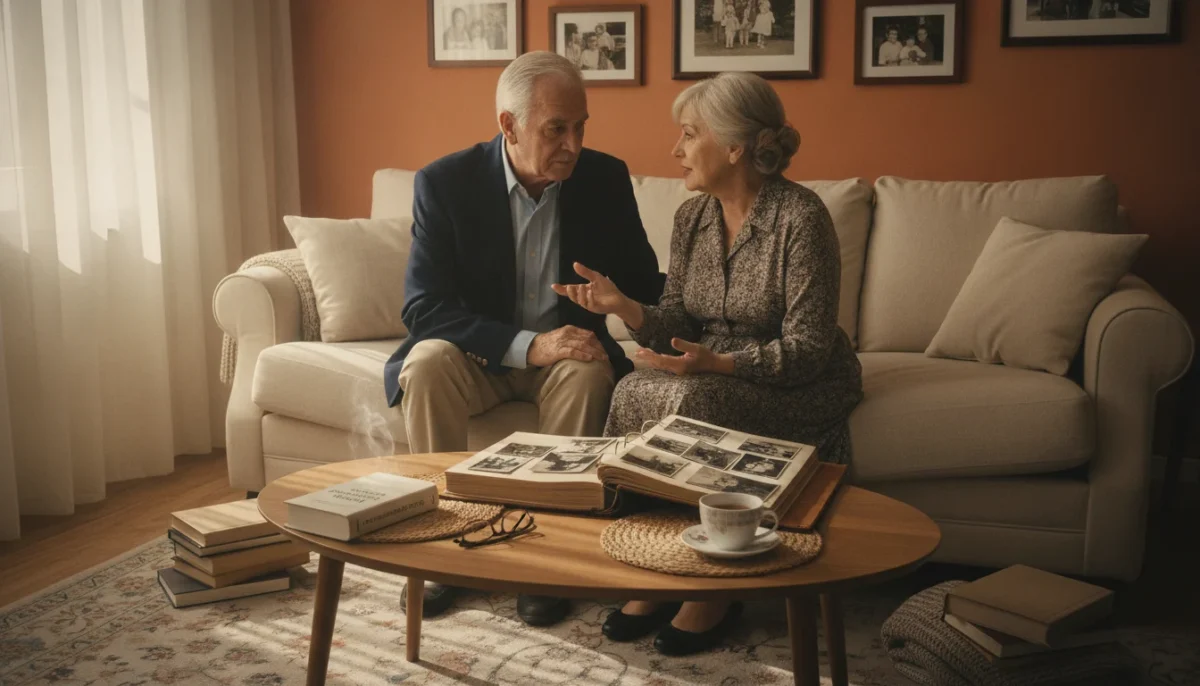
You may notice subtle shifts in how your elderly parent interacts with the world around them. Occasional forgetfulness is normal with aging, but lasting changes in expression deserve closer attention. Recognizing these patterns early can help you provide the right level of care.
Isolation from social circles
When a parent withdraws from friends or family, social interaction may feel overwhelming. They may stop answering the phone or decline gatherings they once enjoyed. This behavior often connects to cognitive changes in elderly individuals who struggle with fast-paced group discussions.
- Reduced interest in hobbies that involve other people.
- Avoiding eye contact during family visits.
- Increased time spent alone in their room or home.
Difficulty in conversation
You may notice your parent struggles to find the right words or loses the thread of a conversation mid-sentence. They might repeat stories or struggle to answer simple questions. These challenges can frustrate you both, but they show important changes in your parent’s current mental state.
Providing effective communication support at home can greatly improve their quality of life. Try written reminders for daily tasks, familiar routines, and short, clear sentences. Patience is your most valuable tool during moments of confusion.
If you notice these communication difficulties suddenly or with physical weakness, seek professional guidance. A doctor can help determine whether medication, stress, or a more serious health condition caused these changes. Always use open, calm dialogue, so your parent feels supported instead of judged.
Health Care Management
You may notice your parent struggles with a complex health routine. Changing health needs can make appointments and vital signs harder to track. Recognizing these gaps early is essential for maintaining their quality of life.
Missed medical appointments
When your parent misses doctor visits, they may feel overwhelmed by care tasks. They may forget dates, lack transportation, or feel too tired to manage care. transitional care at home can help log and attend every appointment.
Care coordinators can provide reminders and organize paperwork after visits. This support can stop small health issues from becoming emergencies. A clear calendar helps your parent stay connected with their medical team.
Inconsistencies in health tracking
Incomplete symptom records or irregular blood pressure readings are warning signs. Guessing about health instead of recording data creates gaps in medical history. A post-discharge nursing visit can find these gaps and track health measures accurately.
Good medication management for seniors supports daily health. Keep an updated medication list, and never guess when instructions conflict. If dosages or schedules seem confusing, consult a professional at once to prevent harmful errors.
Changes in Appetite
Changes in how your loved one approaches meals may signal a health problem. Watch eating patterns closely, especially after an illness or hospital stay. Consistent monitoring helps maintain proper senior nutrition at home.
Skipping meals
Your parent may start skipping meals during the day. This often stems from physical challenges, such as trouble chewing or swallowing, or new medication side effects. Preparing food may also feel overwhelming, so they avoid eating.
Loneliness or mild depression can also cause this decline. Document missed meals when you see a pattern. Share this record with a healthcare professional to address any elderly appetite loss within their medical plan.
Lack of interest in food
A sudden lack of interest in food is another warning sign that needs attention. Even without skipping meals, they may choose less nutritious foods or much smaller portions. This can cause dehydration and reduce essential nutrients needed for daily energy.
Keep a simple log of what they eat and drink to support their health. If you suspect diminished appetite comes from discomfort or changed taste, consult their doctor about solutions. Prioritizing senior nutrition at home helps your parent keep strength and well-being during their golden years.
Transportation Difficulties
Transportation problems can quietly show that your loved one needs more support. As physical abilities change, traveling from place to place may become stressful. You may notice your parent feels less confident behind the wheel.
Early action helps you plan for future needs. Proactive planning helps your parent reach essential services and stay connected safely.
Reluctance to drive
Many seniors feel a deep loss when they can no longer drive safely. This reluctance to drive often reflects a wish to stay independent and avoid burdening family. You may see them avoid night driving, highways, or trips in inclement weather.
Frequent car dents or reports of near-misses call for an honest conversation. Speak with empathy because driving affects their identity and independence. Prioritizing safety over convenience is the most loving choice for their well-being.
Dependence on others for rides
When driving ends, your parent may depend more on others for rides. This change matters during a hospital to home transition, when follow-up care supports recovery. Make sure they can reliably reach medical appointments and therapy sessions.
Using senior transportation assistance can fill the gap when you are unavailable. Many local programs offer specialized services that help older adults stay mobile and active. These options give your parent freedom to attend social events and run errands safely.
Increased Dependence on Others
Increased dependence may signal a need to review your loved one’s care. You may notice your parent cannot manage daily routines without major help. Finding the right elderly help at home protects their safety while preserving dignity.
Always seeking assistance
When your parent asks for help with tasks they once handled alone, pay attention. This change may begin with small requests, like opening jars or reaching high shelves. Over time, these requests may become a constant need for physical support during basic movements.
Reliable caregiver support for seniors can lower these daily risks. It helps you see whether the need is temporary or shows a lasting decline. Assess whether your parent needs supervision for personal care or can safely leave home during emergencies.
Difficulty making decisions
Cognitive changes may appear as trouble making simple, everyday choices. Your parent may feel overwhelmed by meals, clothing, or daily schedules. This hesitation may show declining executive function and trouble processing information.
Separate occasional forgetfulness from a lasting pattern of confusion. If your parent struggles to weigh options, they may need more structured guidance. The table below compares temporary assistance needs with lasting changes in independence.
| Observation | Temporary Need | Chronic Decline |
|---|---|---|
| Decision Making | Occasional hesitation | Frequent confusion |
| Physical Tasks | Needs help after injury | Needs help daily |
| Safety Awareness | Alert to hazards | Unaware of risks |
| Support Level | Occasional check-ins | Constant supervision |
Emergency Incidents
Frequent trips to the emergency room may show that your loved one’s living situation is no longer safe. Accidents happen, but repeated health crises suggest their support system no longer meets their needs. It is essential to look beyond the immediate medical issue and ask whether professional emergency home care for seniors can provide enough oversight.
Hospitalization after falls
A fall that leads to hospitalization is a major warning sign requiring an immediate home safety assessment. These incidents often stem from environmental hazards, including loose rugs, poor lighting, or missing bathroom grab bars. Addressing these risks can significantly reduce preventable hospital readmissions and help your parent stay independent longer.
Emergency room visits for minor incidents
You may notice emergency room visits for seemingly minor issues, such as dehydration, medication errors, or unexplained bruises. These visits are often early warning signs that your parent struggles with daily tasks alone. If they continue, consult their primary care physician about a more robust care plan.
Do not wait for a major catastrophe before reassessing the supervision your parent needs. Healthcare professionals can help you decide whether your strategy works or needs more structured support. Taking action today can help your parent remain healthy and secure at home.
Changes in Sleep Patterns
Tracking sleep patterns helps keep an elderly parent safe at home. When you notice elderly sleep changes, they may signal a physical or mental health problem. These shifts may be minor or severe and can affect daily safety.
Insomnia or excessive sleeping
Many seniors get too little rest or sleep too much during the day. Chronic pain, new medication side effects, or anxiety can trigger insomnia. Too much daytime sleep may stop the body from recharging at night.
If your parent stays tired, a doctor can check for illness or environmental problems. Consider these common causes of sleep disturbances:
- Physical discomfort or chronic pain levels.
- Medication interactions that cause drowsiness or alertness.
- Cognitive changes that alter the internal body clock.
- Environmental factors like noise or poor lighting.
Day-night confusion
Some seniors lose track of day and night, which can lead to nighttime wandering. This confusion is dangerous if your parent tries to cook or leave home while resting. It may show cognitive decline and a need for closer supervision.
When your parent is unsafe alone at night, overnight home care offers valuable support. Professional caregivers provide oversight, prevent accidents, and keep your loved one calm. Using overnight home care lets you rest, knowing someone can help with nighttime needs or confusion.
Observations by Family and Friends
People who see an aging parent each day may notice important clues about their well-being. Although you may understand the situation, family caregiver observations can show more about daily life. Consider the shared views of everyone who regularly spends time with your loved one.
Concerns raised by relatives
When relatives express worry, listen before judging. Try to document specific examples of behavior or physical changes behind their concerns. Comparing notes with siblings or other relatives can reveal hidden patterns.
Addressing these elderly care concerns early can stop small issues from becoming major crises. A shared incident log creates a clear record for medical professionals. This teamwork helps everyone understand the support your loved one needs.
Input from neighbors or caregivers
Neighbors and professional caregivers may see routines that family members miss. They may notice your parent struggling to bring in mail, leaving the stove on, or looking disheveled during morning walks. Using home health monitoring helps organize this outside feedback.
Treat their input as a valuable data point, not criticism of your caregiving. Respectful communication helps your parent take part in care decisions whenever possible. Keeping them informed protects their dignity while making safety the top priority.
Combining your insights with others’ observations creates a strong support network. home health monitoring tools can track reports and give doctors clear, useful information. This proactive approach helps ensure your parent receives the right level of care at the right time.
Preparing for In-Home Help
Supporting your loved one starts with a clear plan. Review daily routines and note where they struggle to stay independent.
Assessing needs and resources
Ask whether your family member needs transitional care at home between hospital stays and daily life. A professional assessment can show whether they need help with meals, cleaning, or medication management. A post-discharge nursing visit may provide the clinical oversight needed for safe recovery.
Exploring care options available
Many families use home health after hospital discharge to meet medical needs while keeping loved ones comfortable. Continu Care Home Health serves families in San Antonio and surrounding areas with compassionate, professional care at home. Our team guides you through these important decisions.
Contact Continu Care Home Health at (210) 734-6166 to schedule a consultation. You can also visit our office at 3201 Cherry Ridge C319, San Antonio, TX 78230. Call us if you need help.
This article is not medical advice. Contact your Doctor before using anything covered in this post.
# Signs Your Elderly Parent Needs Help at Home
The hospital to home transition is a key moment for every family. After a medical stay, your parent may struggle with tasks once managed easily. This change can reveal physical, emotional, and daily challenges.
Watch your parent’s behavior and routines closely. Look for warning signs without making a diagnosis. Use these observations to decide when professional help, such as transitional care at home, may be needed.
## Changes in Physical Health
### Unexplained weight loss
Loose clothes or a gaunt face can signal trouble. Weight loss may mean grocery shopping, medication, or cooking has become difficult.
### Difficulty with mobility
Watch your parent move through the living room. Leaning on furniture or hesitating before steps can show lost independence. A post-discharge nursing visit can assess walking and suggest support.
### Frequent falls
One fall may be an accident, but frequent falls signal a crisis. Never dismiss poor balance as “just part of getting older.” Transitional care at home supports safe movement and transfers while reporting physical decline to healthcare professionals.
## Mental and Emotional Well-being
### Signs of depression
Illness can cause a heavy emotional burden. Signs may include lasting sadness, silence, or unusual fear about the future. Professional evaluation can identify links to medication, isolation, or recovery.
### Memory loss or confusion
Forgetting keys differs from confusion that disrupts daily life. Confusion about time or familiar objects may signal cognitive change. A post-discharge nursing visit can identify these changes and inform the healthcare team.
## Decline in Personal Hygiene
### Neglected grooming habits
Notice your parent’s appearance during visits. Unwashed hair, body odor, or repeated clothing changes may point to deeper problems. Bathing may hurt, or grooming steps may feel overwhelming.
### Unkempt living environment
An unkempt home may reflect your parent’s inner struggle. Look for trash, dirty dishes, or laundry. A major change from usual habits calls for a respectful talk about professional help.
## Changes in Social Activity
### Withdrawal from family and friends
Not answering calls or avoiding visits is a warning sign. It may signal fatigue, pain, or less confidence in social situations.
### Reduced participation in hobbies
Less interest in gardening or bridge may show that enjoyment feels too difficult. Transitional care at home can offer companionship and help your parent reconnect without pressure.
## Difficulty with Daily Tasks
### Trouble cooking meals
Cooking problems involve more than food quality. They may involve stove safety or remembering recipes. Scorched pans or expired food can show a need for structured help.
### Challenges with cleaning or laundry
Weakness often makes cleaning and laundry difficult. Unfinished tasks raise the risk of infection and falls. Professional caregivers can build routines that keep the home safe and track energy levels.
### Inability to manage medication
This may be the most serious risk. Skipped or doubled doses can lead to another hospital stay. Non-medical caregivers can remind your parent, while Continu Care Home Health checks medication lists and reports changes quickly.
## Financial Management Issues
### Unopened bills piling up
Financial health is an important “instrumental activity of daily living.” Unopened bills or hidden mail may show trouble with organization or judgment.
### Frequent calls from creditors
Frequent creditor calls or unusual duplicate purchases may signal cognitive decline or exploitation. Protect your parent’s privacy while involving trusted professionals to secure their financial future.
## Safety Concerns
### Unsafe home environment
An unsafe home involves more than clutter. Look for poor lighting, loose rugs, or unlocked doors at night. Weakness or new medications can make a familiar house feel dangerous.
### Inappropriate behavior with strangers
Sudden trust in strangers or inappropriate behavior may signal poor judgment. A room-by-room safety review and more supervision can help prevent scams or physical danger.
## Communication Changes
### Isolation from social circles
Isolation often comes from embarrassment about declining abilities. Your parent may struggle to follow group conversations and begin avoiding others.
### Difficulty in conversation
Difficulty finding common words or losing a thought mid-sentence signals meaningful change. Patient communication and careful reports to a doctor are essential.
## Health Care Management
### Missed medical appointments
Missed appointments may show that healthcare planning feels too complex. Transitional care at home can provide reminders and organize paperwork, keeping recovery on track.
### Inconsistencies in health tracking
If blood pressure or blood sugar records seem inconsistent, your parent may not understand the equipment. A post-discharge nursing visit can provide education and oversight.
## Changes in Appetite
### Skipping meals
Skipping meals is a serious concern after hospitalization. It can cause dehydration and slower wound healing. Record eating patterns and report them to the medical team.
### Lack of interest in food
Depression or medication side effects can reduce interest in food. Do not force a diet. Offer appealing, easy-to-prepare food as part of senior care.
## Transportation Difficulties
### Reluctance to drive
Reluctance to drive may mean your parent feels unsafe behind the wheel. Vision changes or slower reflexes can reduce mobility and independence.
### Dependence on others for rides
Depending on others for rides can cause missed social and medical engagements. Dedicated senior transportation helps your parent stay connected to the community.
## Increased Dependence on Others
### Always seeking assistance
If your parent always needs help with familiar tasks, assess the cause. Decide whether recovery needs are temporary or show a lasting change.
### Difficulty making decisions
Difficulty choosing clothes or food may signal cognitive fatigue. A structured setting with professional caregiver support can reduce this stress.
## Emergency Incidents
### Hospitalization after falls
Hospitalization after a fall requires an immediate care-plan review. It may show that current supervision does not provide enough safety.
### Emergency room visits for minor incidents
Frequent emergency room visits for minor problems may show poor health or home management. The hospital to home transition then needs stronger support.
## Changes in Sleep Patterns
### Insomnia or excessive sleeping
Insomnia or excessive sleeping can slow the body’s healing. Night wandering or day-night confusion is especially dangerous for someone living alone.
### Day-night confusion
Day-night confusion often relates to cognitive changes. Overnight home care can provide supervision during late hours.
## Observations by Family and Friends
### Concerns raised by relatives
Take relatives’ concerns seriously. People who visit less often may notice major changes that daily contact hides.
### Input from neighbors or caregivers
Neighbors and caregivers offer a “boots on the ground” view. Document reports that your parent seems lost or acts unusually, then share them with Continu Care Home Health.
## Preparing for In-Home Help
### Assessing needs and resources
Turn warning signs into a realistic plan. Decide which tasks, such as meals, laundry, or medication reminders, need immediate help.
### Exploring care options available
Consider medical and non-medical needs when exploring care options. A post-discharge nursing visit through Continu Care Home Health supports clinical safety. Personal assistance helps with daily living.
If you are in San Antonio and notice these signs, do not wait for a crisis. Continu Care Home Health can support your family through the hospital to home transition.
Contact Continu Care Home Health in San Antonio to discuss transitional care at home.
*Disclaimer: This information is educational and not medical advice, diagnosis, or treatment. Ask your physician or another qualified health provider about medical concerns.*
## FAQ
### Q: What is the primary goal of transitional care at home?
A: Transitional care at home supports a safe, smooth hospital to home transition. It helps prevent readmission through mobility support, medication reminders, and monitoring for physical or cognitive changes after discharge.
### Q: How soon should a post-discharge nursing visit occur?
A: A post-discharge nursing visit should usually occur within 24 to 72 hours after hospital discharge. It reviews recovery plans, reconciles medications, and finds immediate home safety risks.
### Q: Why is the hospital to home transition so difficult for seniors?
A: Seniors may face new physical limits, medication changes, and disrupted routines. Without support, these issues can cause confusion, falls, or poor nutrition. Professional oversight is essential.
### Q: Can a post-discharge nursing visit help with medication management?
A: Yes. A healthcare professional reviews the discharge summary and current medications. This helps find conflicts or missed doses during the hospital to home transition.
### Q: Does transitional care at home include help with daily chores?
A: Transitional care at home focuses on health and safety. It often works with personal care services for meals, light housekeeping, and laundry. This lets seniors focus on recovery.