Bathroom Safety for Seniors: Small Modifications That Prevent Major Injuries

Signs Your Elderly Parent Needs Help at Home

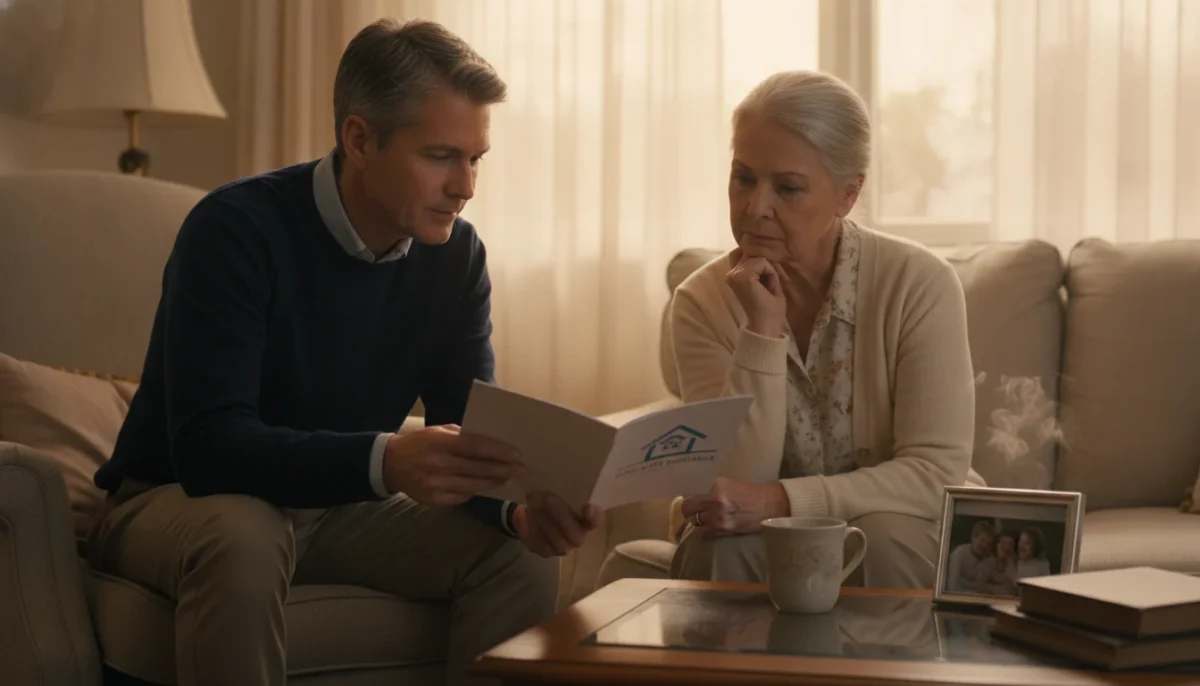
Watching a loved one struggle with daily routines can hurt. You may see bathing, dressing, or grooming become frustrating instead of simple. When the ADL assistance seniors require becomes hard to manage, evaluate your options.
Preserving independence is a top priority for most families. Most families want loved ones to stay comfortable at home as long as possible, and professional support can help. Using home health aide services can protect their safety and dignity.
Continu Care Home Health provides compassionate support to families throughout San Antonio and nearby areas. You may need an in-home personal care aide for a few hours or broader help, and we can guide you. Choosing the right personal care services for elderly relatives is a vital step toward peace of mind.
Key Takeaways
- Recognizing when daily tasks become unsafe is the first step in planning.
- Professional support helps maintain independence in a familiar environment.
- ADL assistance ensures that hygiene and grooming needs are met with dignity.
- Continu Care Home Health offers specialized support for San Antonio families.
- Choosing the right level of help prevents burnout for family caregivers.
Understanding Home Health Care
Home health care bridges medical needs with the comfort of home. It lets people receive professional support in a familiar place.
Continu Care Home Health can help your family explore these options and find the right level of support. Contact us to schedule a consultation about your specific needs.
Definition of Home Health Care
Home health care has two main parts: skilled clinical services and non-medical support. Skilled care comes from licensed professionals, such as nurses or therapists, who manage medical conditions.
Non-medical support helps with daily living tasks. An in-home personal care aide can help maintain a safe, healthy lifestyle.
Services Provided by Home Health Care
Home care can adapt to each person’s unique needs. Common home health aide services include help with mobility, medication reminders, and light housekeeping.
For older adults receiving personal care services for elderly, caregivers help with sensitive daily routines. They provide step-by-step bathing assistance, dressing guidance, and grooming help for comfort and dignity.
Benefits of Home Health Care
The main benefit is the ability to age in place. With an in-home personal care aide, your loved one can stay independent and receive needed support.
These services also provide personalized attention. One-on-one care focuses on each person’s preferences and schedule. Professional home health aide services prioritize safety while preserving the warmth of a familiar home.
Investing in personal care services for elderly family members can improve health outcomes and bring peace of mind to everyone. It offers a proactive path toward long-term wellness.
Understanding Assisted Living
Assisted living provides a structured environment where older adults can maintain their independence while receiving necessary support. This option helps people who need daily support but not the intensive medical care found in nursing homes.
If you are weighing options, contact Continu Care Home Health to compare in-home support with residential facilities. Making this choice often involves balancing safety needs with the desire for a familiar lifestyle.
Definition of Assisted Living
At its core, assisted living is a housing model that combines private living quarters with personalized care services. It serves as a bridge for seniors who want to remain active but need a helping hand with daily activities.
These communities create a home-like atmosphere while professional staff remain available around the clock. Residents enjoy privacy while accessing senior living support whenever needed.
Services Offered in Assisted Living
Most facilities provide a comprehensive range of services to simplify your loved one’s life. These include nutritious meal preparation, housekeeping, and medication management to support health and safety.
Staff members are trained to provide assisted living personal care, which covers tasks like dressing, grooming, and mobility support. For many residents, bathing assistance for seniors is vital because it prevents accidents and promotes dignity.
Benefits of Assisted Living
One primary advantage of this transition is a significant reduction in the burden on family caregivers. When personal care needs become frequent or hard to coordinate, a community offers a sustainable solution for everyone involved.
Beyond physical help, these communities encourage social engagement through organized activities and communal dining. Moving can feel emotionally challenging for private residents, but professional senior living support often brings peace of mind.
Residents benefit from a consistent routine with assisted living personal care tailored to their specific health goals. Furthermore, access to professional bathing assistance for seniors meets hygiene needs with compassion and expertise.
Key Differences Between Home Health and Assisted Living
Understanding the core differences between home care versus assisted living can bring your family peace of mind. Both options support your loved one, but they offer different daily experiences and structure.
Before a final placement decision, compare your loved one’s needs with professional in-home services from Continu Care Home Health. Careful planning helps match your choice with safety needs and personal preferences.
Living Environment Comparison
Staying in a private home offers familiarity and independence that many seniors value. You control your schedule, personal space, and social setting at home.
In contrast, assisted living communities provide a structured environment for safety and social interaction. These facilities often offer shared dining, planned activities, and staff available 24 hours a day.
Level of Care Provided
When choosing personal care services for elderly family members, assess how often support is needed. Home health care can meet medical or recovery needs with one-on-one attention at home.
Assisted living communities provide consistent ADL assistance seniors need throughout the day. Staff can help with bathing, dressing, and medication management. A team is available around the clock for supervision.
Cost Considerations
Financial planning plays a major role in your decision. Home care costs usually depend on needed hours or visits, offering flexibility as needs change.
Assisted living usually charges a monthly fee for housing, meals, and care. Although the upfront cost may seem higher, it often includes utilities, maintenance, and food.
| Feature | Home Health | Assisted Living |
|---|---|---|
| Environment | Private Residence | Community Facility |
| Socialization | Limited/Scheduled | Built-in Community |
| Care Access | On-call/Scheduled | 24/7 Staffing |
When Home Health Care is Sufficient
Home health care offers a flexible option for families facing temporary health challenges. Many seniors prefer familiar surroundings, and extra help can preserve their independence. Continu Care Home Health can help your family arrange support that keeps your loved one safe and comfortable.
Short-Term Care Scenarios
In many situations, short-term home care can bridge a difficult period. Professional support can help prevent complications during a temporary illness or sudden loss of strength. This care adapts to your specific needs.
- Assistance with daily household routines.
- Help with mobility to prevent falls.
- Temporary relief for primary family caregivers.
Managing Chronic Conditions
For people with long-term health issues, an in-home personal care aide can improve daily life. These professionals help with tasks that may become harder over time. Their steady support helps seniors manage conditions in the comfort of their own homes.
Your aide can assist with these daily activities:
- Bathing, dressing, and grooming.
- Medication reminders and health monitoring.
- Light meal preparation and nutrition support.
Support for Recovery Post-Surgery
Recovering from a medical procedure often needs special care that family members cannot provide alone. Using home health aide services during this critical time helps your loved one follow the recovery plan safely. This support helps prevent setbacks and promote healing.
Care can be tailored to each person’s recovery needs. If a full shower feels unsafe or uncomfortable, an aide can provide gentle sponge baths or use dry shampoo. This flexibility helps your loved one feel respected and cared for throughout the entire healing process.
Signs It Might Be Time for Assisted Living
Recognizing subtle changes in a loved one’s daily life can help protect their long-term well-being. While many families hope relatives can stay home forever, clear signs assisted living is needed should not be ignored. Before a permanent move, Continu Care Home Health can assess whether in-home support might delay or prevent an unnecessary transition.
Increased Need for Assistance
You may notice your loved one struggles with basic daily tasks that once seemed simple. The constant need for ADL assistance seniors may show that home no longer meets their needs. They may struggle to bathe, dress, or prepare nutritious meals without major help.
Safety Concerns at Home
Physical safety is a key sign that a new living setting may be needed. Repeated falls, unexplained bruises, or wandering are serious red flags that need immediate attention. Missed medicines or an untidy home may show they cannot manage household duties safely.
Mental Health Considerations
Emotional well-being matters as much as physical health. Fear, embarrassment, or confusion may cause resistance to personal care services for elderly family members. Caregiver exhaustion, safety risks, or declining mental health call for a thorough professional family assessment.
Cost Comparisons of Home Health vs. Assisted Living
Understanding the true cost of aging at home versus moving to a community helps families plan. Evaluate your needs to find the best fit for your finances and preferences. Careful planning today can prevent major stress later.
Average Costs of Home Health Care
When you stay home, you usually pay for care by the hour. Your total home care costs depend largely on the hours you need each week. Professional home health aide services offer support from companionship to skilled nursing care.
Also include regular costs for home-safety supplies, groceries, and utility bills. Staying home may offer more financial value because you avoid residential facility overhead costs.
Average Costs of Assisted Living
In contrast, assisted living costs usually come in one monthly fee. This fee often covers housing, meals, housekeeping, and 24-hour supervision. You pay for a complete package of care and maintenance.
The monthly price may seem higher than part-time home care. However, it often includes costs you would pay separately at home. Compare these factors when reviewing both options:
| Expense Category | Home Health Care | Assisted Living |
|---|---|---|
| Housing & Utilities | Separate Responsibility | Included in Monthly Fee |
| Meals & Dining | Grocery/Cooking Costs | Included in Monthly Fee |
| Care Intensity | Hourly/As Needed | 24/7 Staff Availability |
Insurance and Payment Options
When paying for senior care, explore every available financial option. Many families combine resources to manage these expenses. Ask providers for itemized estimates that show exactly what you will pay.
- Long-term care insurance policies.
- Veterans benefits for eligible service members.
- Medicaid programs for those who qualify.
- Private pay savings and retirement accounts.
If these financial decisions feel overwhelming, contact Continu Care Home Health for a consultation. Our team can discuss your available in-home care services and answer your care planning questions.
Assessing Care Needs of Loved Ones
Finding the right support for a loved one starts with a thorough care needs assessment. This process shows where your family member needs help to protect their quality of life. Writing down these needs creates a clear plan for future care decisions.
Evaluating Personal Care Needs
Watch your loved one during daily routines to see which tasks they manage alone. Focus on activities of daily living, often called ADL assistance seniors frequently require, such as bathing, dressing, grooming, and toileting. It can be difficult to notice these changes, but honestly assess mobility and eating habits.
Place each task into one of three groups: independent, verbal cues, or hands-on help. When tasks become too hard alone, personal care services for elderly individuals can provide support. This organized method helps you notice every detail when planning for safety.
Understanding Medical Needs
Also assess your family member’s medical needs. Track medication schedules, chronic conditions, and physical recovery after surgery. If they forget dosages or have complex needs, an in-home personal care aide can provide oversight and help prevent complications.
Consistency is key when managing health at home. Keep a detailed log of medications, doctor appointments, and physical symptoms. This record shows the medical support needed to keep your loved one stable and healthy at home.
Communicating with Health Care Providers
Good communication with medical professionals completes the care planning process. Bring your observations to doctors or specialists so they understand your loved one’s daily life. This teamwork supports a safer, more accurate plan for their specific needs.
If these choices feel overwhelming, you do not have to manage them alone. You can consult Continu Care Home Health when you need help understanding the best in-home support options. Their team offers professional guidance for informed, confident decisions about your family’s future.
Family Considerations in Care Decisions

Making decisions about a loved one’s future can challenge any family. It requires balancing schedules, finances, and deeply held personal values. When you approach these choices with empathy, you support your relative’s well-being.
Involving Family Members in Discussions
Open communication is essential when planning care. Schedule time to talk so everyone feels heard and respected. Active listening helps bridge different views about what is best for your loved one.
Identify each family member’s specific strengths. Some may manage finances well, while others provide better hands-on family caregiver support. Assigning tasks by strength can prevent burnout and support consistent care.
Emotional Impact of Decisions
Changing family roles can trigger grief, frustration, or embarrassment. You might struggle when a parent who once cared for you now needs your help. Acknowledging these emotions supports your mental health.
High levels of caregiver stress are common when you manage everything alone. Seek outside help when the burden becomes too heavy. Recognizing your limits is not failure; it helps you provide lasting care.
Long-Term Planning for Care
Proactive senior care planning helps families avoid crisis decisions. Early talks can set expense plans and name who will lead medical decisions. This preparation gives everyone greater peace of mind.
Consider professional resources when daily responsibilities become difficult. Continu Care Home Health can help when you need support to protect your loved one’s quality of life at home. Early professional support can prevent exhaustion and improve care.
| Role | Primary Responsibility | Emotional Focus |
|---|---|---|
| Primary Caregiver | Daily assistance and monitoring | Patience and endurance |
| Financial Planner | Budgeting and insurance claims | Organization and clarity |
| Family Liaison | Communication and updates | Empathy and mediation |
| Professional Support | Clinical and skilled care | Expertise and reliability |
Making the Transition to Assisted Living
When your family must change living arrangements, a clear plan can make the process easier. Before finalizing the move, consider whether expanded home health aide services could meet your current needs. Continu Care Home Health helps families decide whether more support at home could replace a permanent move.
Steps to Take Before the Move
The assisted living transition starts with a full review of your loved one’s current care needs. Gather medical records and speak with primary physicians to confirm the new setting can meet specific health needs. Complete a financial review to understand the long-term costs of your chosen community.
- Review current medical assessments and care plans.
- Create a budget that accounts for monthly fees and potential care increases.
- Consult with family members to ensure everyone is aligned on the goals of the move.
Preparing for the Transition
Moving can feel emotional, so prepare your loved one slowly. Discuss the new community’s daily routines to build familiarity and reduce anxiety. Help identify familiar belongings that can make the new space feel like home.
Keeping preferred personal-care habits can support a sense of normalcy. Encourage your loved one to help with packing, giving them control over the change. Short, regular talks about the move’s benefits can ease the emotional burden.
Finding the Right Assisted Living Facility
When choosing an assisted living facility, look beyond its amenities. Tour multiple locations to compare care quality and the atmosphere of common areas. Watch how staff members interact with current residents during your visit.
| Feature | What to Look For | Why It Matters |
|---|---|---|
| Staffing Ratios | High staff-to-resident ratio | Ensures timely assistance |
| Care Services | Customized health plans | Meets specific medical needs |
| Community Vibe | Active social engagement | Promotes mental well-being |
Always ask about the facility’s policy for changing care levels as needs change over time. These steps help ensure the assisted living transition receives the care and attention your family deserves.
Role of Technology in Home Health Care
Technology creates a bridge between professional care and independent living. Digital tools cannot replace human warmth, but they improve safety and daily care. These systems can create a stronger home for aging family members.
Telehealth Services
Modern telehealth for seniors lets loved ones meet medical professionals from their living room. This reduces strain from traveling to clinics for routine check-ups or medication adjustments. It helps address health concerns quickly before they become emergencies.
Monitoring Devices for Seniors
Using remote monitoring for elderly adults has changed how families track daily routines. Wearable sensors and smart home devices can alert you to activity changes or possible falls. These tools offer peace of mind with real-time data about your loved one’s well-being throughout the day.
Benefits of Communication Technology
Video calls can ease isolation and help family members stay connected. With an in-home personal care aide, these tools keep everyone informed about the care plan. Continu Care Home Health can help your family discuss how professional in-home care may work with these technology-based support systems.
Before adopting devices, consider privacy, ease of use, and internet reliability. It is important to ensure that your loved one feels comfortable and consents to the use of any monitoring equipment. Always remember that technology is a supplement, not a replacement, for the compassionate care provided by a professional.
| Technology Type | Primary Benefit | Best Use Case |
|---|---|---|
| Telehealth | Medical Access | Routine Consultations |
| Wearable Sensors | Fall Detection | Safety Monitoring |
| Video Platforms | Social Connection | Family Engagement |
| Smart Reminders | Medication Adherence | Chronic Condition Care |
Emotional and Social Considerations
Your loved one’s emotional well-being matters as much as physical safety. When exploring personal care services for elderly family members, remember these changes can affect their sense of identity and privacy. Accepting help is often a difficult transition that may cause anxiety or a loss of independence.
Impact on Mental Health
A decline in physical health often increases stress and isolation. When seniors feel they are losing control of daily routines, their self-esteem can suffer. Respectful communication helps your loved one feel heard and valued.
Meeting emotional needs can reduce anxiety and increase willingness to accept needed support. Familiar routines and meaningful conversations can help preserve their dignity. Providing compassionate care ensures they feel supported rather than managed.
Staying Socially Engaged
Strong ties with family, friends, and faith groups support long-term happiness. Social engagement for seniors can protect against depression and cognitive decline. Community programs can keep your loved one’s mind sharp and spirit lifted.
Small efforts, such as regular phone calls or visits, can improve their daily outlook. Create an environment where they feel connected to the world around them. Staying active in their social circles helps them keep belonging and purpose.
Community Resources and Support
Aging can feel overwhelming for any family. Many dementia caregiver resources and support networks can guide you through these challenges. These tools can build the knowledge and confidence needed for informed decisions.
If you need dedicated assistance, contact Continu Care Home Health for compassionate support. Our team specializes in helping older adults remain comfortable and engaged in their own familiar homes. We provide care that honors the emotional and social needs of every individual we serve.
Legal and Ethical Considerations
When you help a family member move, legal and ethical safeguards become essential. These safeguards respect your loved one’s wishes and protect autonomy during aging. Teams at Continu Care Home Health can discuss care planning, but they do not replace qualified legal or medical professionals.
Understanding Power of Attorney
Establishing a power of attorney for seniors supports long-term planning. This legal document lets your loved one name a trusted person for financial or medical decisions. Set it up while your family member can still make clear, informed choices.
Acting early can prevent conflicts and help the chosen person understand your loved one’s values. Always consult an attorney to ensure the document meets state-specific requirements. This step gives the entire family peace of mind.
Advance Directives and Living Wills
Beyond financial authority, address medical wishes through advance directives. These documents explain which treatments your loved one would want or refuse during a serious health crisis. A living will covers end-of-life care and guides medical providers in following the patient’s wishes.
Encouraging your loved one to join these discussions is an ethical necessity. Do not take over; offer choices and explain each decision’s effects clearly. This teamwork honors their dignity and eases family guilt during difficult times.
Rights of Residents in Assisted Living
Moving into a community adds protection through assisted living resident rights. Every resident has rights to privacy, dignity, and personal choices about daily schedules and social activities. Facilities must provide a safe environment while respecting each resident’s independence.
Review the facility’s resident bill of rights before signing agreements. If rights seem compromised, first discuss the issue with administration. Seek independent legal advice about serious disagreements over care quality or ethics.
| Document Type | Primary Purpose | When It Takes Effect |
|---|---|---|
| Power of Attorney | Financial/Legal decisions | As specified or upon incapacity |
| Medical POA | Health care decisions | Only upon medical incapacity |
| Living Will | End-of-life preferences | When terminal or incapacitated |
| Resident Rights | Protects daily autonomy | Upon admission to facility |
Choosing Between Home Health and Assisted Living
You may face a difficult choice when selecting the best living arrangement for your loved one. Making a personal care decision requires balancing emotional needs with practical concerns. A clear plan can help you move forward with confidence.
Creating a Pros and Cons List
Start by listing your family member’s specific needs. Consider safety, medical stability, and the daily ADL assistance seniors require. This list helps you compare home care with a facility’s structured setting.
Review your finances and the family caregivers available. If your loved one wants to age in place, decide whether the home needs safety changes. Home health aide services can support independence while providing professional oversight.
Seeking Professional Guidance
Do not carry this choice alone. An in-home care consultation with experts can clarify your relative’s medical and physical needs. Professionals can assess whether home remains the safest setting.
Doctors, geriatric care managers, and social workers can offer an objective view. They may spot risks family members overlook during daily visits. Their guidance helps match your choice with your loved one’s long-term health goals.
Trusting Your Instincts
Data and professional advice matter, but your intuition matters too. If you worry about safety or your loved one’s quality of life at home, pay attention. Trusting your instincts can show when the current arrangement no longer works.
When change seems necessary, act decisively. Contact Continu Care Home Health to learn about our services or schedule a consultation for yourself or a loved one. We help you weigh these complex choices with compassion and expertise.
| Factor | Home Health Care | Assisted Living |
|---|---|---|
| Environment | Familiar and Private | Community-Based |
| Socialization | Limited to Visitors | Daily Group Activities |
| Care Access | Scheduled Visits | 24/7 Staff Availability |
| Cost Structure | Hourly/Per Visit | Monthly Inclusive Fee |
Case Studies: Families’ Experiences
Real-life stories offer useful guidance when you navigate the complex world of senior care. Seeing how other families manage these changes can help you choose what may work for your situation.
Each family follows a different path, but dignity and safety guide every successful plan. Whether your loved one stays home or moves to a community, the goal is better quality of life.
Successful Home Health Care Examples
Many families choose a familiar setting when they have the right support. For example, the Miller family used Continu Care Home Health to help their father stay independent after a minor fall.
A structured routine and special safety equipment helped keep him comfortable at home. These personal care services for elderly family members gave the family needed cues and professional help with daily tasks.
These home care success stories show how professional support can help people maintain independence. With steady care, the family knew their father was safe and supported in his own living room.
Positive Assisted Living Experiences
Sometimes, a senior’s needs grow beyond what a private home can provide. The Thompson family found that moving their mother to an assisted living facility gave her the steady supervision she needed.
She also gained daily social opportunities that were missing before. These assisted living experiences show how a new setting can renew community and purpose.
Lessons Learned from Each Option
The key lesson is that no single “best” option works for everyone. You should prioritize individualized planning and keep communicating with your loved ones throughout the process.
Stay flexible and reassess your plan as circumstances change. Dignity remains strong when you listen to the senior’s needs while balancing practical care demands.
| Care Model | Primary Benefit | Best For |
|---|---|---|
| Home Health | Independence | Stable chronic needs |
| Assisted Living | Social Engagement | Consistent supervision |
| Hybrid Approach | Flexibility | Evolving health status |
Continuous Care Planning
Effective caregiving is an ongoing process of ongoing senior care planning. As your loved one ages, their health and abilities may change, bringing new challenges.
Regularly Assessing Care Needs
Review your loved one’s situation after major life events. Reassessment triggers include falls, unexpected hospitalizations, or noticeable cognitive changes. It is vital to monitor these shifts closely so their support remains appropriate.
Tracking the ADL assistance seniors require helps measure their independence. Record changes in bathing, dressing, or medication management. This approach can reveal when support should increase and prevent safety risks.
Adapting to Changing Circumstances
When needs change, adjust your care strategy. You may update schedules, add safety equipment, or increase professional visits. Flexibility is the cornerstone of successful care, helping the environment match your loved one’s needs.
Seek professional help when current arrangements no longer work. You may hire an in-home personal care aide or explore other living arrangements. Adapting early prevents caregiver burnout and supports your loved one’s quality of life.
Importance of Flexibility in Care Choices
Aging is rarely a straight path, so your care plan should stay flexible. Health conditions may change, and medication needs may shift. Quick responses can prevent crises caused by rigid, outdated care.
If your support system falls short, contact Continu Care Home Health. Our team helps families manage these changes with confidence and care. We provide guidance to keep your loved one safe, comfortable, and supported throughout their journey.
Final Thoughts on Home Health vs. Assisted Living
Selecting the right care setting requires reviewing your loved one’s changing needs and daily safety. Balance independence with the practical demands of their health.
Weighing Options Carefully
Choosing between home and a facility means reviewing personal care services for elderly family members. An in-home personal care aide may offer enough support to protect a familiar routine. These professionals help when daily tasks become hard to manage alone.
Prioritizing Quality of Life
Quality of life often depends on the ADL assistance seniors need for comfort. Whether you choose a facility or home health aide services, the goal stays the same. Your loved one should feel safe, respected, and supported in daily choices.
Seeking Support in Decision-Making
Professional guidance can make these complex choices easier. Continu Care Home Health serves patients and families in San Antonio and surrounding areas with compassionate, professional care at home.
Please call (210) 734-6166 to learn more about our services or schedule a consultation for yourself or a loved one. You can also visit us at 3201 Cherry Ridge C319, San Antonio, TX 78230 if you need help exploring your options.
This article is not medical advice. Contact your Doctor before implementing anything covered in this post.