How Medication Management Prevents Hospital Visits

Why Diabetic Patients Benefit from Home Health Care
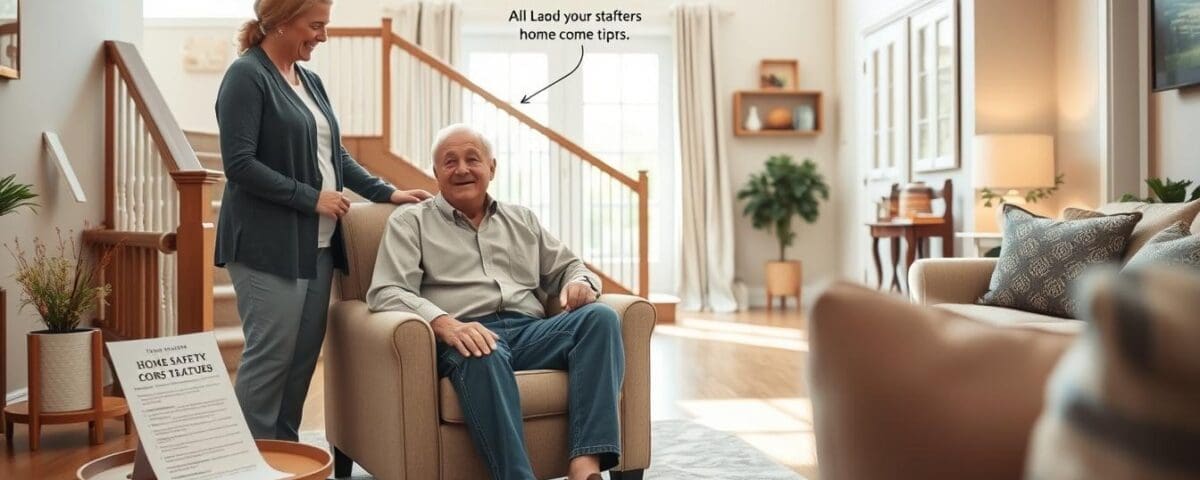
Did you know that over three-quarters of Americans aged 50 and older prefer to age in place? Staying in a familiar environment provides comfort and independence as you grow older. However, maintaining this lifestyle requires proactive adjustments to your living space.
At Continu Care Home Health, we understand the importance of creating a secure residence. Implementing effective home safety for seniors San Antonio residents can prevent accidents and boost your daily confidence. Small changes often lead to significant improvements in your quality of life.
Our team provides expert guidance to help families navigate these necessary modifications. By focusing on practical strategies, you ensure that your loved ones remain protected while enjoying their autonomy. Let us explore how you can transform your dwelling into a supportive space today.
Key Takeaways
- Most adults over 50 prefer aging in place to maintain independence.
- Proactive modifications significantly reduce the risk of household accidents.
- Continu Care Home Health offers professional support to improve living environments.
- Small, strategic changes often yield the biggest impact on daily well-being.
- Creating a secure space allows your loved ones to thrive comfortably.
Understanding the Importance of Home Safety for Seniors
Your home should be a sanctuary, but physical changes can turn it into a place of hidden danger as you age. At Continu Care Home Health, we believe that maintaining your independence starts with a clear view of your surroundings. Prioritizing fall prevention at home is not just about changing furniture; it is about securing your future comfort and well-being.
Common Risks Seniors Face at Home
Aging often brings subtle shifts in balance, vision, and strength that make everyday tasks more difficult. Recent data shows that 1 in 10 adults over the age of 65 report having significant difficulty living in or using their own homes. This includes common obstacles like navigating stairs or reaching for items in high cabinets.
These environmental barriers often lead to avoidable accidents. When you ignore these small hazards, you increase the likelihood of a serious injury. Effective fall prevention at home requires you to identify these risks before they result in a hospital visit.
- Uneven floor surfaces or loose rugs that cause tripping.
- Poorly lit hallways that hide potential obstacles.
- Lack of support structures in high-traffic areas like bathrooms.
- Difficulty managing stairs without proper handrails.
Benefits of Enhancing Home Safety
Taking proactive steps to modify your living space offers immense rewards for both you and your family. When you invest in fall prevention at home, you are essentially investing in your own peace of mind. You gain the confidence to move through your rooms without the constant fear of losing your balance.
Furthermore, these modifications allow you to remain in the comfort of your own home for a longer period. By addressing hazards early, you reduce the stress placed on caregivers and family members. Ultimately, a safer home environment fosters a higher quality of life and supports your desire to age in place with dignity.
Essential Home Modifications for Safety
Transforming your home into a safer environment requires thoughtful planning and the right structural adjustments. At Continu Care Home Health, we believe that your living space should evolve alongside your changing needs. Making these updates is a vital investment in your long-term independence and comfort.
Proactive modifications are the most effective way to support fall prevention at home. By addressing potential hazards before they cause an accident, you create a sanctuary that allows you to age in place with confidence.
Discussing Mobility Aids
Mobility aids serve as essential tools for navigating your home safely. While many people rely on canes or walkers, structural changes like ramps are often overlooked. Current data shows that only 5 percent of homes feature a ramp, and a mere 1 percent include a lift for stairs.
Integrating these features can drastically reduce the physical strain of moving between levels. Professional assessment is key to determining which aids will best serve your specific layout and mobility requirements.
Installing Handrails and Grab Bars
Strategic placement of support structures is a cornerstone of fall prevention at home. Installing sturdy grab bars in the bathroom and handrails along hallways provides the stability you need during daily transitions.
These modifications offer peace of mind for both you and your family members. When you secure your environment with high-quality hardware, you significantly lower the risk of slips and falls. Relying on experts at Continu Care Home Health ensures that every installation meets safety standards for maximum reliability.
Creating a Safe Living Environment
At Continu Care Home Health, we believe that small changes in your home can lead to significant improvements in your daily safety. Statistics show that falls are a major health hazard for older Americans, resulting in 3 million emergency room visits and 1 million hospitalizations annually. Implementing effective fall prevention at home strategies is the most reliable way to protect your independence and well-being.
Room-by-Room Safety Checklist
A comprehensive room-by-room safety checklist serves as your primary defense against household accidents. By systematically evaluating each area, you can identify hidden dangers before they cause harm. Consistency is key when you perform these regular assessments to ensure your living space remains secure.
You should focus on high-traffic areas first, such as hallways and living rooms. Checking for loose floorboards or uneven transitions between rooms is a vital part of fall prevention at home. Documenting these findings allows you to prioritize repairs and modifications effectively.
Importance of Adequate Lighting
Proper illumination is essential for seniors who may experience changes in vision or balance. Shadows and dim corners often hide obstacles that can lead to a sudden trip or fall. Installing brighter bulbs or adding motion-sensor nightlights can make a world of difference during nighttime trips to the bathroom.
Ensure that all light switches are easily accessible from the entrance of every room. If you struggle to reach switches, consider using smart home technology to control your lighting with voice commands. Clear visibility is a simple yet powerful tool for maintaining your confidence while moving through your home.
Eliminating Clutter and Trip Hazards
Maintaining clear pathways is perhaps the most critical step in fall prevention at home. Excess furniture, loose electrical cords, and decorative rugs often create unnecessary obstacles in your daily routine. Removing these items helps you navigate your space with greater ease and stability.
Take a moment to evaluate your floor space for any items that do not belong. Securing area rugs with non-slip backing or removing them entirely can prevent dangerous slips. A tidy home is a safe home, and keeping your walkways free of clutter will significantly reduce your risk of injury.
Kitchen Safety Tips for Seniors
Creating a secure cooking space is one of the most vital elderly safety tips for maintaining independence at home. The kitchen is often the heart of your daily routine, yet it can present hidden risks that require proactive adjustments. By making small, intentional changes, you can continue to enjoy your favorite recipes while staying protected.
Safe Cooking Practices
When you are in the kitchen, organization is your best friend. Keep frequently used items on lower shelves or countertops to avoid the need for climbing or reaching into high cabinets. This simple habit reduces the risk of falls and muscle strain during meal preparation.
Always ensure that your workspace is well-lit and free of spills. Using non-slip mats near the sink and stove provides extra stability while you move around. These elderly safety tips from Continu Care Home Health help you focus on the joy of cooking rather than the stress of potential accidents.
Managing Fire Hazards
Fire prevention is a critical component of a safe home environment. You should prioritize the use of appliances that feature an automatic shut-off function to prevent accidental fires if you happen to leave a burner on. This technology offers peace of mind by ensuring that heat sources do not remain active longer than necessary.
Keep all flammable materials, such as towels, oven mitts, and paper products, well away from the stovetop. It is also wise to keep a small, accessible fire extinguisher nearby and know exactly how to use it. Taking these precautions allows you to maintain your culinary independence with confidence.
| Safety Feature | Primary Benefit | Ease of Implementation |
|---|---|---|
| Automatic Shut-off | Prevents accidental fires | High |
| Non-slip Mats | Reduces fall risk | Very High |
| Task Lighting | Improves visibility | Medium |
| Lowered Storage | Prevents reaching injuries | Medium |
Bathroom Safety Considerations
Continu Care Home Health prioritizes bathroom safety to help seniors maintain their independence. Because bathrooms are high-risk areas for falls, implementing effective elderly safety tips is essential for your daily routine. Small, affordable modifications can provide lasting peace of mind for both you and your caregivers.
Non-Slip Mats and Flooring
Slippery surfaces are a leading cause of accidents in the home. You should place high-quality, non-slip mats both inside the shower and on the floor immediately outside the tub. These mats provide the necessary traction to prevent dangerous slips during hygiene tasks.
Consider replacing loose rugs with permanent, slip-resistant flooring options if possible. Keeping the floor dry at all times is another simple way to follow elderly safety tips that protect your physical well-being.
Shower Safety Devices
Installing specialized support equipment is a game-changer for bathroom accessibility. You should install sturdy grab bars for the shower, tub, and toilet to provide additional support when sitting or standing. These devices offer crucial stability for those with limited mobility.
To further enhance your bathroom environment, consider these additional safety measures:
- Handheld showerheads to allow for seated bathing.
- Raised toilet seats to reduce the strain on your joints.
- Shower chairs that provide a secure place to sit while washing.
- Adequate lighting near the vanity and shower area to improve visibility.
By integrating these elderly safety tips, you create a bathroom that supports your health and confidence. Taking these proactive steps ensures that your home remains a safe sanctuary for years to come.
Emergency Preparedness for Seniors
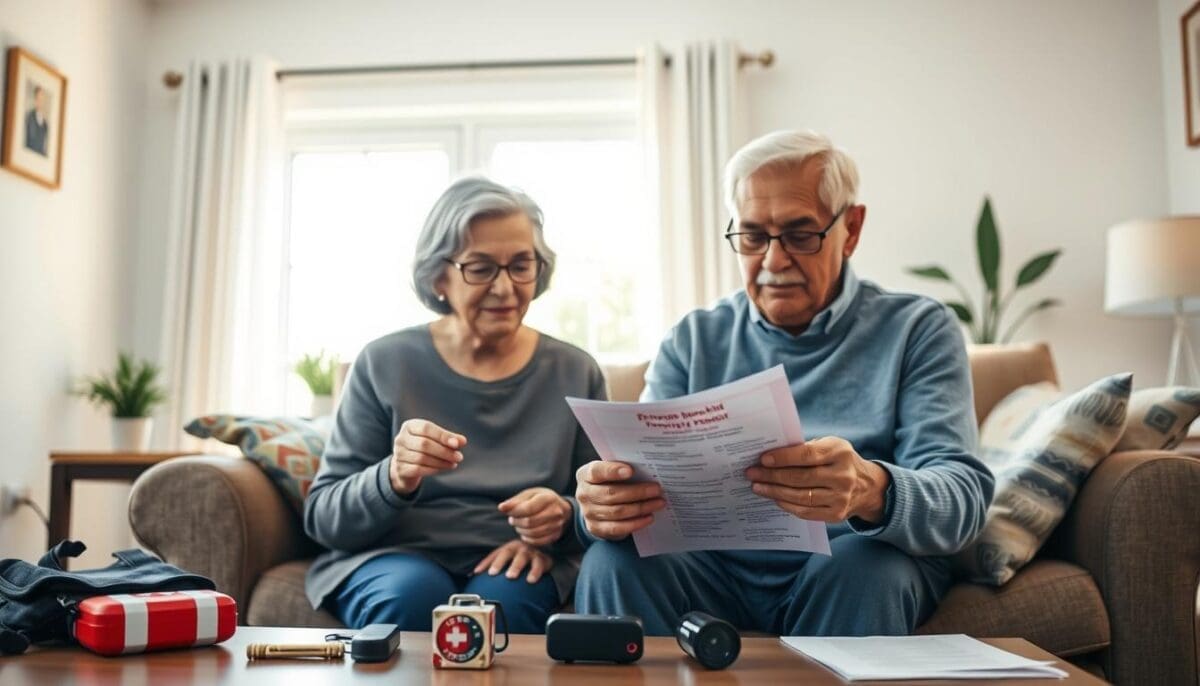
Continu Care Home Health emphasizes that proactive planning is essential for your peace of mind. When you anticipate potential risks, you gain the confidence to handle unexpected situations with calm and efficiency. Implementing these elderly safety tips helps you maintain control even during stressful moments.
Creating an Emergency Plan
A solid plan begins with identifying clear procedures for various medical crises. You should document specific steps to take if a fall occurs, if a fire breaks out, or if a sudden health decline happens. Consistency is key when every second counts during an urgent situation.
Ensure that your household members or caregivers understand these procedures thoroughly. Practice these steps periodically to confirm that everyone knows their role. This preparation transforms panic into a structured, effective response.
Importance of Emergency Contacts
Maintaining an accessible list of vital contacts is a cornerstone of effective elderly safety tips. You must keep this information in a prominent location, such as on the refrigerator or near your primary telephone. This list should be updated regularly to reflect any changes in local services or medical providers.
Your emergency directory should include more than just family members. It must feature direct lines to local authorities and specialized support services to ensure you receive the right help immediately.
| Service Type | Contact Name | Primary Purpose |
|---|---|---|
| Emergency Services | 911 | Immediate life-saving help |
| Local Hospital | Nearest ER | Urgent medical treatment |
| Poison Control | National Hotline | Toxic exposure guidance |
| Local Police | Non-Emergency | Safety and security concerns |
Health and Medical Safety in the Home
Maintaining your health at home requires a proactive approach to daily medical routines. When you prioritize your well-being, you create a stable environment that supports long-term independence. At Continu Care Home Health, we believe that comprehensive caregiver education is the foundation for achieving these safety goals.
Medication Management Strategies
Organizing your prescriptions is a critical step in preventing dangerous drug interactions or missed doses. We recommend using a pill box organizer to keep your daily supplements and medications clearly separated by time of day. If you prefer a more manual approach, keep a daily list and check off each medication as it is taken to ensure total accuracy.
Consistency is your best defense against medical errors. By establishing a rigid schedule, you reduce the stress associated with complex medication regimens. This structured approach is a key component of the caregiver education we provide to help families stay organized and safe.
Regular Health Monitoring
Beyond managing pills, you must stay vigilant regarding changes in your physical condition. Keeping a simple log of your daily symptoms, such as blood pressure readings or energy levels, allows you to spot potential issues before they become emergencies. Sharing this data with your healthcare provider ensures that your treatment plan remains effective and up to date.
Regular health monitoring empowers you to take control of your wellness journey. When you track your health markers, you provide your medical team with the information they need to offer the best possible care. Staying informed and proactive is the most effective way to maintain your quality of life while living at home.
Technology and Home Safety
At Continu Care Home Health, we believe that technology is a vital component of modern safety planning. By embracing digital tools, you can create a proactive safety net that supports independent living for longer periods. Our commitment to caregiver education ensures that families understand how to implement these systems effectively.
Utilizing Smart Home Devices
Smart home technology offers innovative ways to monitor your environment without being intrusive. For instance, you can install a motion sensor on the garage door to track entry points and receive alerts directly to your smartphone. This simple addition provides peace of mind by notifying you whenever someone enters or leaves the home.
Beyond security, smart lighting and automated thermostats help prevent accidents caused by poor visibility or extreme temperatures. These devices are frequently highlighted in our caregiver education programs because they empower seniors to manage their surroundings with ease. Automating daily tasks reduces the physical strain on aging adults while keeping their home environment stable.
Emergency Alert Systems
Emergency alert systems serve as a critical lifeline for seniors who live alone. These wearable devices allow for immediate communication with medical professionals or family members during a fall or sudden health crisis. Having a reliable system in place ensures that help is always just a button press away.
Integrating these systems into your daily routine is a key focus of our caregiver education initiatives. We emphasize that technology should never replace human connection, but rather enhance the support provided by loved ones. By combining smart alerts with regular check-ins, you build a robust safety strategy that protects your independence.
The Role of Caregivers in Home Safety
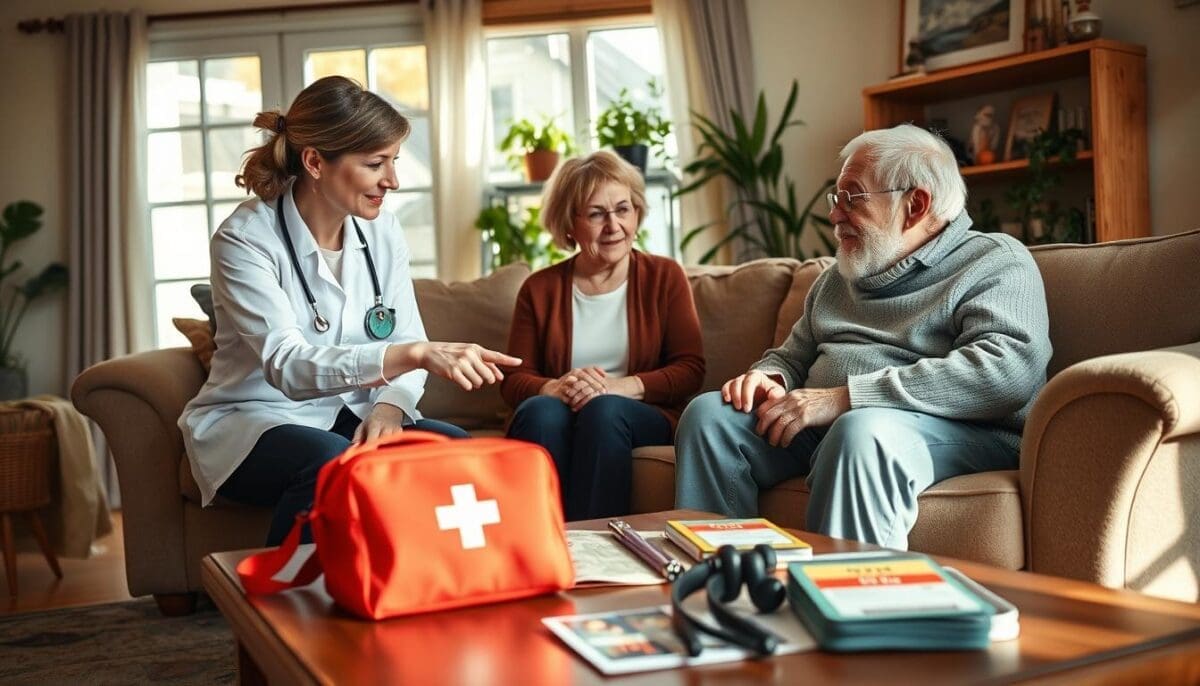
Your role as a caregiver is vital to the daily safety and well-being of your senior family member. While you provide the heart and soul of care, consistent safety requires a structured approach to managing the home environment. By prioritizing caregiver education, you gain the tools necessary to identify hidden risks before they become emergencies.
Training and Support for Caregivers
Professional training is the foundation of a secure home. At Continu Care Home Health, we believe that knowledge empowers you to provide better, more consistent care. It is worth noting that more than 10,000 people have been certified as CAPS (Certified Aging-in-Place Specialists) to help families navigate complex home modifications.
These specialists understand how to adapt living spaces to meet the evolving needs of seniors. Engaging with such resources ensures that your efforts are backed by proven strategies rather than guesswork. Ongoing caregiver education allows you to stay updated on the latest safety standards and assistive technologies.
Communication with Family Members
Safety is a team effort that thrives on open communication. You must ensure that all family members are aligned on safety goals and emergency protocols. When everyone understands the specific needs of the senior, the entire household functions as a cohesive support system.
Regular family meetings help clarify responsibilities and address any concerns regarding home modifications. By maintaining transparency, you reduce stress and foster a collaborative environment. Remember that supporting the caregiver is the most effective way to ensure the long-term health and happiness of your loved one.
Resources for Seniors and Caregivers in San Antonio
Securing a safe living space requires access to reliable support systems and community expertise. Navigating the landscape of home safety for seniors San Antonio becomes much simpler when you connect with professionals who understand your specific needs.
Local Organizations and Services Available
Continu Care Home Health provides dedicated assistance to families managing the challenges of aging in place. Our team offers compassionate, professional care delivered directly in the comfort of your home. We help you implement practical strategies to maintain independence while ensuring a secure environment.
Finding the right resources for home safety for seniors San Antonio is a vital step in your care journey. We invite you to contact us to learn more about our in-home care services or to schedule a consultation for yourself or a loved one. Our staff is ready to answer your questions and provide the guidance you need.
Continu Care Home Health proudly serves patients and families throughout San Antonio and surrounding areas. You can reach us at (210) 734-6166 or visit our office at 3201 Cherry Ridge C319, San Antonio, TX 78230. Call us if you need any help.
This article is not medical advice. Please contact your Doctor before implementing anything covered in this post.