
The Benefits of Physical Therapy at Home

Simple Home Safety Tips for Seniors and Caregivers

Are you struggling to keep track of your daily prescriptions? Staying on top of your health can feel overwhelming, especially when juggling multiple complex treatment plans. Professional medication management San Antonio residents rely on is essential for maintaining your independence and long-term wellness.
At Continu Care Home Health, we understand that small errors in your routine can lead to serious health complications. By utilizing expert oversight, you can effectively navigate the complexities of your care and avoid unnecessary trips to the emergency room.
Proactive oversight ensures that your health remains stable and your recovery stays on track. Implementing structured medication management San Antonio services allows you to focus on what matters most: your quality of life. Let us help you simplify your health journey today.
Key Takeaways
- Professional oversight significantly reduces the risk of hospital readmissions.
- Continu Care Home Health provides personalized support for your unique treatment needs.
- Structured routines help prevent dangerous drug interactions and missed doses.
- Proactive health monitoring leads to better long-term wellness outcomes.
- Expert guidance simplifies the complexities of modern healthcare for patients.
Understanding Medication Management
Understanding the systematic approach to your medication regimen can significantly improve your quality of life. Medication management is a structured process designed to ensure you receive the right medication at the right time to meet your specific therapeutic goals.
This process goes beyond simply taking pills on a schedule. It involves a thorough evaluation of your health needs to ensure that the benefits of your treatment plan consistently outweigh any potential risks.
What is Medication Management?
At its core, this service is a collaborative effort between you and your healthcare providers. It includes a comprehensive medication review where every prescription, over-the-counter drug, and supplement you take is analyzed for safety and effectiveness.
A key component of this process is medication reconciliation. This practice ensures that your medical records accurately reflect exactly what you are taking, preventing dangerous errors during transitions between care settings.
Importance of Medication Management in Healthcare
Prioritizing your patient safety is the primary reason these services are essential. Research consistently shows that when you combine professional reviews with consistent education, you are much less likely to face complications.
Effective management is a proven strategy for lowering the risk of hospital readmissions. By staying organized and informed, you take an active role in your own recovery and long-term wellness.
| Feature | Standard Care | Managed Care |
|---|---|---|
| Medication Review | Occasional | Comprehensive |
| Reconciliation | Limited | Continuous |
| Patient Education | Minimal | Personalized |
| Readmission Risk | Higher | Lower |
Common Medication Issues
Managing your health often involves navigating a complex web of daily prescriptions. While these treatments are designed to improve your well-being, the sheer volume of pills can create unexpected hurdles. Understanding these common pitfalls is the first step toward maintaining your independence and health at home.
Polypharmacy: The Risks You Should Know
Polypharmacy occurs when you take multiple medications simultaneously to manage various health conditions. While this is sometimes necessary, it significantly increases the likelihood of adverse drug events. These complications can range from mild dizziness to severe reactions that require immediate medical attention.
Data indicates that up to 20% of 30-day emergency visits are directly related to drug interactions or side effects. When your body processes several chemicals at once, the risk of negative interactions grows exponentially. It is vital to keep an updated list of every supplement and prescription you take to help your doctor monitor these risks.
Medication Non-Adherence: Causes and Effects
Non-adherence happens when you miss doses, take the wrong amount, or stop your treatment entirely without medical guidance. This often stems from a lack of clear communication during the transition from a hospital stay back to your home environment. When you do not fully understand your regimen, it becomes difficult to stay consistent.
The consequences of these gaps are significant for your long-term recovery. Research shows that 26% of hospital readmissions are medication-related and are often considered potentially avoidable. By identifying the root causes of non-adherence, such as confusion or complex schedules, you can take proactive steps to ensure your treatment plan remains effective.
Benefits of Effective Medication Management
A well-coordinated medication plan acts as a vital shield against unexpected trips to the hospital. When you take an active role in your health, you create a foundation for stability that supports your long-term wellness goals. By aligning your daily habits with professional guidance, you ensure that your body receives exactly what it needs to thrive.
Reducing Hospital Readmissions
Effective medication management serves as a protective barrier against the cycle of frequent hospital visits. By integrating medication reconciliation with thorough patient education, healthcare providers can significantly lower the risk of all-cause readmissions within 30 days. This process ensures that every change in your prescription list is verified and understood by your entire care team.
Transitional care plays a major role in this success. When you move from a hospital setting back to your home, having a clear plan prevents dangerous gaps in your treatment. This continuity is essential for avoiding complications that often lead to emergency interventions.
Improving Patient Outcomes
Beyond simply avoiding the hospital, a structured approach leads to better clinical results and a higher quality of life. When you follow your prescribed regimen accurately, you experience fewer side effects and more consistent health markers. This stability allows you to focus on your daily activities rather than worrying about potential health setbacks.
Professional education empowers you to recognize how your medications work together to support your body. You become a more informed partner in your own care, which leads to greater confidence in your treatment plan. Ultimately, these coordinated efforts result in a more stable health journey and a significantly reduced need for urgent medical attention.
Medication Management in Your Everyday Life
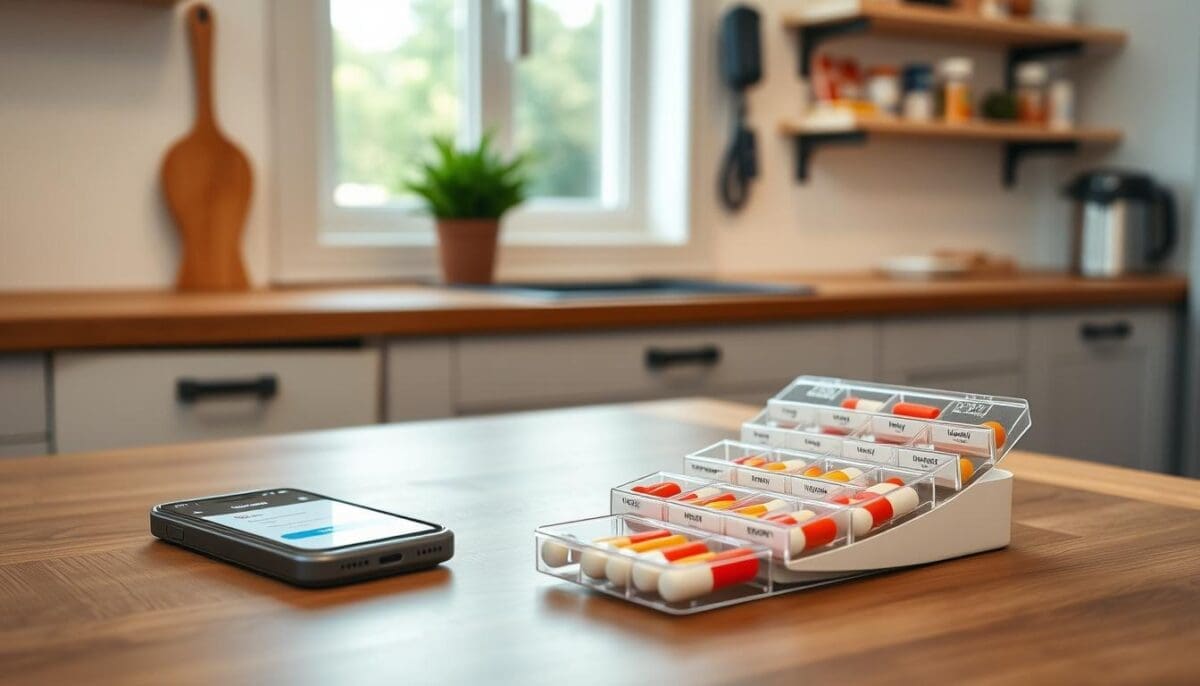
The transition from a clinical environment to your own living space is a significant milestone in your recovery. While the hospital provides a structured setting, returning home requires you to take charge of your health regimen independently. Successfully navigating this change is essential for your long-term well-being.
Tools and Resources for Managing Medications
You do not have to manage your prescriptions alone. Many patients find that using physical tools like weekly pill organizers helps them keep track of daily doses. These simple devices provide a clear visual check to ensure you have taken your medicine as prescribed.
In addition to physical organizers, digital solutions have become increasingly popular. You can utilize medication reminders on your smartphone or dedicated digital pill dispensers to alert you when it is time for a dose. These tools are invaluable for preventing missed or doubled doses during your busy day.
Strategies for Staying Organized
Consistency is the foundation of a successful health routine. Try to link your medication schedule to a daily habit, such as brushing your teeth or eating breakfast. This habit-stacking technique makes it much easier to remember your pills without relying solely on memory.
If you find yourself struggling, consider keeping a written log or a calendar near your medication storage area. Setting up automated medication reminders can also provide peace of mind for both you and your family members. By staying organized, you empower yourself to maintain your health and avoid unnecessary complications at home.
Professional Medication Management Services
Bringing clinical expertise into your home ensures that your treatment plan remains both safe and effective. When you have multiple prescriptions, keeping track of dosages and timing can become overwhelming. Professional oversight provides the structure needed to maintain your health and prevent complications.
Role of Healthcare Professionals
Your healthcare team, including doctors and pharmacists, plays a vital role in monitoring your progress. These experts review your prescriptions to identify potential drug interactions or unnecessary therapies. Pharmacist-led interventions are particularly impactful, as they can support a 9.6% reduction in 30-day hospital readmissions.
By working closely with your medical team, you ensure that every medication serves a clear purpose. They provide the necessary adjustments to your regimen as your health needs evolve over time. This collaborative effort keeps your treatment plan aligned with your current clinical goals.
Benefits of In-Home Medication Management
Accessing home nursing support allows professionals to observe your living environment firsthand. This personalized approach helps identify physical barriers that might prevent you from taking your medication as prescribed. When a nurse visits your home, they can offer tailored strategies to improve your daily routine.
The primary advantage of this service is the proactive identification of drug therapy problems. By catching issues early, your care team prevents minor complications from escalating into emergency situations. Utilizing home nursing support gives you the peace of mind that comes with expert supervision in the comfort of your own space.
Medication Safety at Home
Creating a secure environment for your daily medications is a vital step in maintaining your health at home. When you manage multiple prescriptions, senior medication safety becomes a top priority for preventing accidents and ensuring your treatment plan works as intended. By taking small, deliberate steps, you can gain peace of mind and protect your well-being.
Tips for Secure Storage
Proper storage is the foundation of a safe medication routine. You should always keep your pills in a cool, dry place to maintain their chemical integrity and effectiveness. Avoid storing them in bathrooms or near kitchen sinks, where humidity and heat can degrade the medication over time.
To ensure optimal senior medication safety, consider these essential storage practices:
- Keep all medications in their original containers to avoid confusion.
- Store drugs in a locked cabinet or a high shelf, far away from the reach of children or pets.
- Use a dedicated, well-lit area for your daily routine to minimize the risk of errors.
- Check expiration dates regularly and dispose of old medications at local pharmacy drop-off sites.
Recognizing Side Effects and Interactions
Even with perfect storage, you must remain vigilant about how your body reacts to your prescriptions. Adverse drug interactions can occur when different medications, supplements, or even certain foods mix in your system. Early detection is the best way to prevent these issues from becoming serious health emergencies.
Pay close attention to any new or unusual symptoms that appear after starting a new drug. Common warning signs that require a conversation with your doctor include:
- Sudden dizziness, confusion, or changes in balance.
- Unexplained skin rashes or persistent nausea.
- Unexpected fatigue or changes in your sleep patterns.
- A noticeable shift in your appetite or digestive health.
If you notice these changes, do not wait to seek professional advice. Maintaining senior medication safety involves being an active partner in your care by reporting these symptoms immediately. Your healthcare team can adjust your dosage or switch medications to ensure you stay safe and comfortable.
Patient Involvement in Medication Management
You are the most important member of your own healthcare team when it comes to managing daily medications. Taking an active role in your treatment plan ensures that your health goals remain the top priority. By staying informed and engaged, you significantly improve your senior medication safety and overall wellness.
Engaging Family Members
Inviting family members to participate in your care routine provides a vital layer of oversight. Loved ones can help track dosages, organize pill boxes, and notice subtle changes in your health that you might overlook. This collaborative approach is a cornerstone of senior medication safety, as it reduces the risk of errors and missed doses.
Emotional support from family also makes the process less overwhelming. When you share your medication schedule with a trusted relative, you create a safety net that encourages consistency. This partnership ensures that you are never navigating complex health requirements alone.
Communicating with Your Healthcare Team
Clear and consistent dialogue with your doctors and pharmacists is essential for effective care. You should never hesitate to ask questions about why a specific medication is prescribed or how it interacts with your current regimen. Open communication allows your team to adjust your plan quickly if you experience side effects or discomfort.
Maintaining a proactive relationship with your providers helps prevent potential complications. When you report changes in your physical or mental state, your team can make informed decisions to protect your senior medication safety. Use the following table to organize your communication strategy for better health outcomes.
| Communication Method | Primary Benefit | Frequency |
|---|---|---|
| Medication Logs | Tracks daily adherence | Daily |
| Doctor Check-ins | Reviews side effects | Quarterly |
| Pharmacist Consults | Checks interactions | As needed |
| Family Updates | Provides emotional support | Weekly |
The Role of Technology in Medication Management

Technology offers a bridge between your daily habits and your long-term health goals. By integrating digital solutions into your routine, you can gain better control over your wellness. These tools are designed to simplify your health journey while ensuring you stay consistent with your prescribed treatments.
Medication Reminder Apps
Smartphone applications have become essential for patients who juggle multiple prescriptions. These programs provide timely medication reminders that alert you exactly when it is time to take your pills. By reducing the likelihood of missed doses, these apps help you maintain a steady therapeutic level in your body.
Most modern apps offer a variety of features to keep you organized:
- Customizable alerts for specific times of the day.
- Visual logs to track your adherence history.
- Refill notifications to ensure you never run out of supplies.
- Sharing capabilities to keep your caregivers informed.
Telehealth Consultations
Beyond daily tracking, digital platforms allow you to connect with your healthcare team from the comfort of your home. Telehealth consultations remove the stress of travel and long waiting rooms. You can easily discuss your medication reminders or any side effects you might be experiencing during a virtual visit.
The following table highlights the key differences between traditional office visits and modern telehealth options:
| Feature | Traditional Visit | Telehealth |
|---|---|---|
| Travel Time | Required | None |
| Scheduling | Limited availability | Flexible options |
| Medication Review | In-person | Digital/Remote |
| Convenience | Moderate | High |
Regular virtual check-ins ensure that your medication management plan remains effective. Your doctor can adjust dosages or switch medications based on your real-time feedback. Embracing these digital advancements is a smart step toward a healthier and more independent lifestyle.
Legal and Ethical Considerations
Understanding your rights regarding medication management ensures you remain in control of your health. When you receive care, you enter a partnership with your medical team that is built on trust and transparency. This relationship is governed by specific legal and ethical standards designed to protect your well-being at every stage of your treatment.
Informed Consent in Medication Management
Informed consent is a fundamental pillar of modern healthcare. It means that your doctor must provide you with clear, understandable information about any medication prescribed to you. You have the right to know the potential benefits, common side effects, and alternative treatment options before you begin a new regimen.
By engaging in this process, you ensure that your personal values and health goals are respected. You are not just a recipient of care; you are an active participant in your own recovery. Always feel empowered to ask questions until you feel completely comfortable with the plan your provider has suggested.
Maintaining Patient Privacy
Protecting your personal health information is a critical responsibility for every provider involved in your care. Whether you are transitioning from a hospital stay to home health or visiting a local pharmacy, your medical records must remain secure. This commitment to confidentiality allows you to share sensitive health details without fear of unauthorized disclosure.
The Centers for Medicare & Medicaid Services (CMS) monitors these standards through the Transitions of Care (TRC) measure. This metric evaluates how effectively providers communicate while keeping your data private during handoffs. By adhering to these strict guidelines, healthcare systems ensure that your journey remains safe, private, and highly coordinated.
| Patient Right | Provider Responsibility | Ethical Goal |
|---|---|---|
| Full Disclosure | Explain all risks | Informed decision-making |
| Data Security | Protect health records | Maintaining patient privacy |
| Care Coordination | Follow TRC standards | Preventing medication errors |
| Right to Refuse | Respect patient choice | Autonomy in treatment |
Preparing for Your Doctor Visits
Making the most of your medical appointments starts long before you walk into the clinic. Proactive preparation is the key to ensuring your healthcare provider understands your specific needs and health history. By organizing your information ahead of time, you create a more productive environment for your consultation.
Bringing a Medication List
One of the most critical steps you can take is maintaining an up-to-date, comprehensive list of all your current medications. This list should include not only prescription drugs but also over-the-counter supplements, vitamins, and herbal remedies. Accuracy is vital for your safety.
For every item on your list, be sure to note the exact dosage and the frequency with which you take it. Providing this data allows your doctor to identify potential interactions or necessary adjustments to your treatment plan. Keeping this document in your wallet or on your phone ensures you are always ready for an appointment.
Questions to Ask Your Doctor
Arriving with a written list of questions helps you stay focused during your visit. It is easy to forget important concerns once you are in the exam room, so writing them down beforehand is a smart strategy. Prioritize your most pressing issues to ensure they are addressed first.
Consider asking about the purpose of each medication, potential side effects, and how to manage them. You should also feel empowered to ask about alternative treatments or lifestyle changes that might support your health goals. Clear communication fosters a stronger partnership with your medical team.
| Preparation Step | Action Required | Benefit |
|---|---|---|
| Medication Audit | List all pills and doses | Prevents dangerous interactions |
| Question Log | Write down top 3 concerns | Ensures all issues are covered |
| Symptom Tracking | Note when symptoms occur | Helps with accurate diagnosis |
| Goal Setting | Define your health targets | Aligns care with your lifestyle |
How Continu Care Home Health Can Support You
When you need help navigating complex medication schedules, Continu Care Home Health is ready to assist. We provide dedicated support to help you manage your health needs in the comfort of your own home. Our goal is to help you maintain your independence and well-being through compassionate, professional care.
Personalized In-Home Care Services
Our team understands that every individual faces unique health challenges. We offer personalized in-home care services designed to address the specific requirements of medication management San Antonio. By tailoring our approach to your lifestyle, we ensure that your treatment plan remains effective and easy to follow.
We work closely with you to identify potential obstacles in your daily routine. Whether you struggle with complex dosing schedules or simply need a helping hand, our staff provides the structure you need. This customized attention helps you stay on track with your health goals every single day.
Expert Consultation for Medication Management
Through expert consultation, we help you navigate your treatment plan with confidence. Our team provides the home nursing support necessary to prevent avoidable hospital visits. We believe that professional guidance is the key to managing chronic conditions successfully from your own living room.
Our nurses are trained to monitor your progress and adjust strategies as your health needs evolve. By choosing our home nursing support, you gain a partner dedicated to your long-term health. We are committed to providing the clarity and safety you deserve in your medical journey.
| Service Feature | Standard Care | Continu Care Support |
|---|---|---|
| Medication Review | Self-Managed | Professional Audit |
| Safety Monitoring | Limited | Daily Oversight |
| Health Education | Minimal | Comprehensive |
| Hospital Prevention | Reactive | Proactive |
Next Steps in Your Medication Management Journey
Taking control of your health requires consistent effort and the right support system. You now possess the knowledge to improve your daily routine and reduce the risks associated with complex medication schedules.
Proactive habits lead to better long-term outcomes and peace of mind for you and your family. Small changes in how you organize and track your prescriptions make a significant difference in your overall wellness.
Scheduling a Consultation
We invite you to contact Continu Care Home Health to learn more about our in-home care services. Our team is ready to help you or a loved one navigate the complexities of daily health needs.
Continu Care Home Health proudly serves patients and families throughout San Antonio and surrounding areas with compassionate, professional care delivered in the comfort of home. Reach out to us at (210) 734-6166 or visit our office at 3201 Cherry Ridge C319, San Antonio, TX 78230 if you need any help.
This article is not medical advice. Please contact your Doctor before implementing anything covered in this post.