How Occupational Therapy at Home Restores Daily Independence
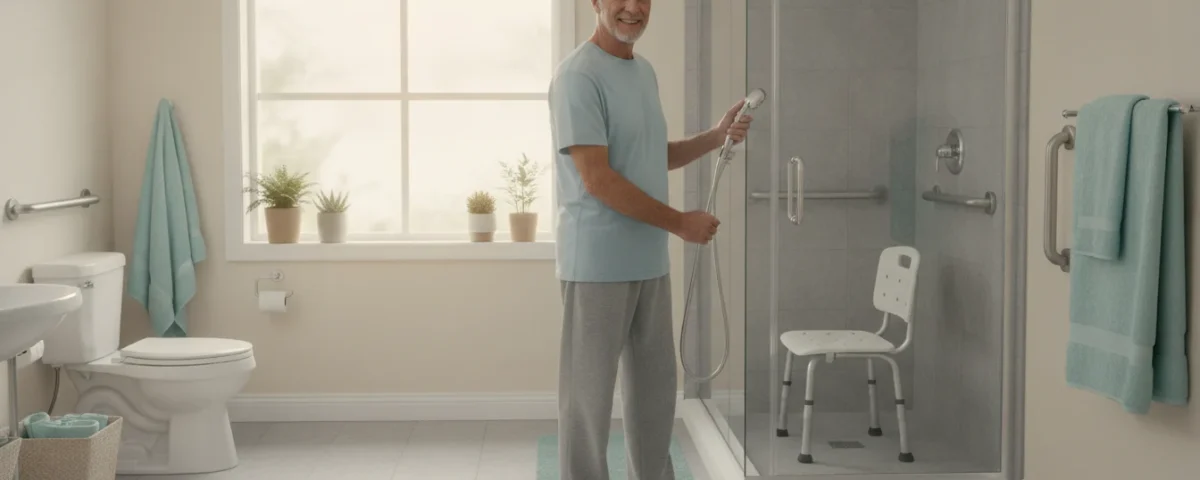
Creating a safe home helps you stay independent as you age. Many falls happen in bathrooms, but simple changes can lower the risk. Grab bars and non-slip mats protect your health and build lasting confidence.
Recovery needs support for both physical and emotional needs. Whether you need in-home stroke rehabilitation or specialized communication support after stroke, the right team can help. Practicing stroke recovery speech exercises works better when you feel safe at home.
Continu Care Home Health supports families in San Antonio and nearby areas. We provide caring, professional services that fit your needs. Our experts help you manage daily challenges, including speech therapy after stroke at home, with high-quality care in a comfortable setting.
Key Takeaways
- Simple bathroom modifications drastically reduce the risk of dangerous falls for seniors.
- Professional in-home care provides essential support for both physical and cognitive recovery.
- Consistent practice of rehabilitation exercises improves long-term communication and independence.
- Continu Care Home Health offers dedicated, compassionate services across the San Antonio region.
- Creating a safe living space is the first step toward regaining your daily confidence.
Understanding the Importance of Bathroom Safety for Seniors
Your bathroom may seem safe, but it is the most dangerous room for many seniors. Using bathroom safety for seniors helps protect their independence and quality of life. If you face these challenges, Continu Care Home Health helps families assess safety and support needs at home.
Common Risks in the Bathroom
Several features make bathrooms risky for seniors. Wet floors and poor lighting often cause accidents. Unstable surfaces and poor balance can make entering a tub dangerous.
Communication barriers can make bathroom safety harder. For example, a senior with aphasia may struggle to describe pain or report a fall. Combining aphasia therapy at home with physical changes helps loved ones communicate their needs.
The Impact of Falls on the Elderly
A bathroom fall can cause more than physical pain. It may reduce confidence and lead to inactivity or social withdrawal. Elderly fall prevention helps loved ones stay active and involved.
After a fall, recovery can take time and effort. Families in the region often choose senior home care San Antonio providers to manage recovery and prevent future incidents. Early action is better than reactive care.
Statistics on Bathroom Injuries
Bathroom accident data is sobering and shows why families must act quickly. These common factors raise injury risks:
- Slippery Surfaces: Over 80% of bathroom falls occur on wet tile or tub floors.
- Lighting Issues: Inadequate illumination is a leading cause of trips during nighttime visits.
- Balance Deficits: Seniors with mobility issues are three times more likely to fall without support bars.
Addressing these areas can greatly reduce the risk of a life-changing event. Taking action today creates a safer, more secure home for aging family members.
Essential Bathroom Features to Improve Safety
Your bathroom should be a sanctuary, not a source of daily anxiety or physical risk. With accessible bathroom design, you support independence and reduce slips and falls. Seeking in-home help can show strength, and Continu Care Home Health can help families manage these changes.
Physical limits often overlap with other health concerns. For example, a senior may need swallowing therapy dysphagia support and physical mobility aids. Addressing the whole home keeps daily life manageable and safe.
Non-Slip Flooring Options
Moisture and soap residue can make bathroom floors the home’s most dangerous surfaces. Installing non-slip bathroom flooring provides needed traction for wet feet. Consider textured ceramic tiles or specialized vinyl for high-moisture areas.
If you cannot renovate now, high-quality rubber bath mats with suction cups provide temporary protection. Clean these mats regularly to prevent mold buildup. Consistency is key when choosing equipment, so match materials to the senior’s balance and mobility needs.
Grab Bars: Placement and Material Considerations
Installing bathroom grab bars for seniors can make a dangerous room safer. These bars provide stability when someone moves from sitting to standing. Choose textured grips that stop hands from sliding when wet.
Customize placement to the person’s reach and physical strength. Mount bars directly into wall studs so they can support significant weight. Proper installation matters as much as product quality, so seek professional help if wall strength is uncertain.
These core features of accessible bathroom design create a foundation for lasting safety. bathroom grab bars for seniors are vital tools, not accessories. They help people maintain dignity and daily routines at home.
Shower and Bathtub Safety Modifications
Bathing should be relaxing, not a source of anxiety or physical strain. Intentional changes to your bathing area can greatly reduce slips and falls. These changes help you stay independent while managing age-related limits or recovering from health events.
For people focusing on speech therapy after stroke at home, a calm, safe setting is vital. Familiar surroundings help you focus on your stroke recovery speech exercises without the stress of using a hazardous bathroom. Professional support from Continu Care Home Health can help add safety routines to daily life during recovery’s critical first three to six months.
Walk-In Tubs vs. Standard Tubs
Choosing between a walk-in tub and a standard tub depends on your mobility needs. Walk-in tubs for seniors have a low-entry threshold and watertight door, so you avoid stepping over a high wall. This design can greatly help people with limited balance or joint pain.
Standard tubs often take significant effort to enter and exit, increasing fall risks. Although standard tubs are common, they may not support people with reduced stability. Investing in the right shower safety equipment can greatly improve your daily routine.
Installing Shower Seats and Benches
Standing for long periods in the shower can be exhausting and dangerous. A sturdy shower seat or bench lets you sit while washing. This simple addition removes the need to balance on one leg, a common cause of bathroom accidents.
Choose a wall-mounted folding seat or portable bench based on your bathroom layout. Stability is the priority when choosing these items. Ensure every seat is rated for your weight and has non-slip feet to prevent shifting.
Handheld Showers: Benefits for Seniors
A handheld showerhead is a versatile tool for anyone with limited mobility. It lets you direct water where needed while sitting on your bench. This flexibility reduces reaching, stretching, and turning, helping you maintain balance.
Many modern handheld units have easy-to-grip handles and adjustable spray settings. Bringing the water to you reduces unnecessary movement and saves energy. This small upgrade can improve safety and comfort during every shower.
Toilet Safety Enhancements
Toileting is private, so careful planning helps protect both safety and dignity for seniors. When mobility gets harder, simple changes can reduce the effort needed to sit and stand. Prioritizing senior bathroom accessibility helps people stay independent as long as possible.
Elevated Toilet Seats: A Simple Solution
Using elevated toilet seats for seniors is an effective way to shorten the distance people must lower themselves. These seats ease pressure on knee and hip joints, making sitting and standing smoother. Toilet safety frames or grab rails can add stability during these movements.
If toileting becomes unsafe or physically tiring, seek professional guidance. Discuss personal care support with Continu Care Home Health to meet your needs with expert help. They can help you add these physical changes to your daily routine safely.
Bidets and Their Accessibility Advantages
Modern accessible bidets improve personal hygiene and comfort. They provide thorough cleaning without excessive reaching or twisting, which may endanger people with poor balance. Automating part of the cleaning process saves energy and lowers the risk of accidental slips.
Physical needs often overlap with other health concerns. If you manage swallowing therapy dysphagia or recover from a stroke, include bathroom routines in a coordinated care plan. Working closely with your medical team helps every part of your home support wellness and recovery goals.
Lighting Solutions for Enhanced Visibility
Better bathroom visibility can support independence at home. Good lighting helps you move with confidence and lowers the chance of trips or stumbles. At Continu Care Home Health, we work with families to find lighting needs a clinical assessment may miss.
Motion Sensor Lights for Bathrooms
Installing motion sensor bathroom lights gives an immediate safety upgrade because you do not need to find switches in the dark. These devices detect movement when you enter, so the room lights before you take a step. This simple feature supports senior fall prevention lighting by removing the need to cross a dark room at night.
These sensors also keep the path to the toilet or shower clear. Because the light turns on when needed, you may hesitate less and avoid balance problems. We recommend placing sensors near the doorway and vanity for full floor coverage.
Choosing the Right Bulbs for Safety
Choosing the right bulbs matters as much as choosing the fixtures. Choose bulbs that give bright, even light without harsh glare on tile or porcelain. Reducing glare helps preserve depth perception, which supports safe movement.
For people receiving aphasia therapy at home, clear, steady lighting offers helpful visual cues. It can help them read medication labels and find essential controls. Bright, warm-toned LED bulbs often work best because they provide clear light and feel gentle on the eyes. Improving your home environment supports safety and effective communication during daily routines.
Smart Technology for Bathroom Safety
Adding smart bathroom technology can boost your independence and peace of mind at home. These digital tools add protection and work with physical changes to create a safer space. Still, technology should support, not replace, a personal safety plan and regular caregiver help.
Emergency Alert Systems for Immediate Assistance
Modern bathroom emergency alert systems provide a lifeline when you need help fast. Wearable pendants and wrist buttons let you call for help with one touch after a fall. Some advanced systems detect falls and send alerts without manual input.
If you receive speech therapy after stroke at home, test voice-activated alert systems with care. Aphasia, dysarthria, and fatigue can make voice commands unreliable during an emergency. People managing swallowing therapy dysphagia may find physical buttons more reliable under stress.
Smart Showers and Their Functions
Smart showers offer features that support comfort and safety during daily routines. They let you set exact temperature limits, which prevents accidental scalding and keeps each shower comfortable. Many models also shut off water after a set time or when they detect little movement.
These features work well, but they cannot replace human oversight for complex health needs. If technology does not provide enough supervision, Continu Care Home Health can help your family explore appropriate in-home care services. Combining professional support and smart tools helps you stay safe while enjoying your home.
Proper Storage and Organization
Proper storage and organization help create a secure, accessible bathroom. Thoughtful placement of daily essentials reduces risky bending, climbing, and twisting. An organized senior bathroom prevents accidents and creates a calm space that supports your overall well-being.
Keeping Utilities Within Reach
For safety, store frequently used items between waist and shoulder height. This accessible storage for elderly users keeps toiletries, towels, and medications easy to reach. Avoid placing heavy or breakable objects on high shelves because they can be hard to reach or dangerous if dropped.
Open shelving or pull-out drawers can make items easier to see and retrieve. If you need help, reach out to Continu Care Home Health for support with safe routines and household organization. They can explain how to arrange your space for your specific physical needs.
Avoiding Clutter and Maintaining Clear Pathways
Keeping floors free of obstacles helps prevent trips and falls. Prioritize clear bathroom pathways by removing unnecessary rugs, cords, and stray items that could cause a stumble. A tidy floor supports safer movement when you feel tired or rushed.
Consistent organization also provides cognitive benefits, especially after health events. Following a predictable daily sequence can support stroke recovery speech exercises by reducing distractions and sharpening focus on rehabilitation goals. An orderly environment leaves more energy for recovery and daily self-care tasks.
Importance of Regular Maintenance and Inspections
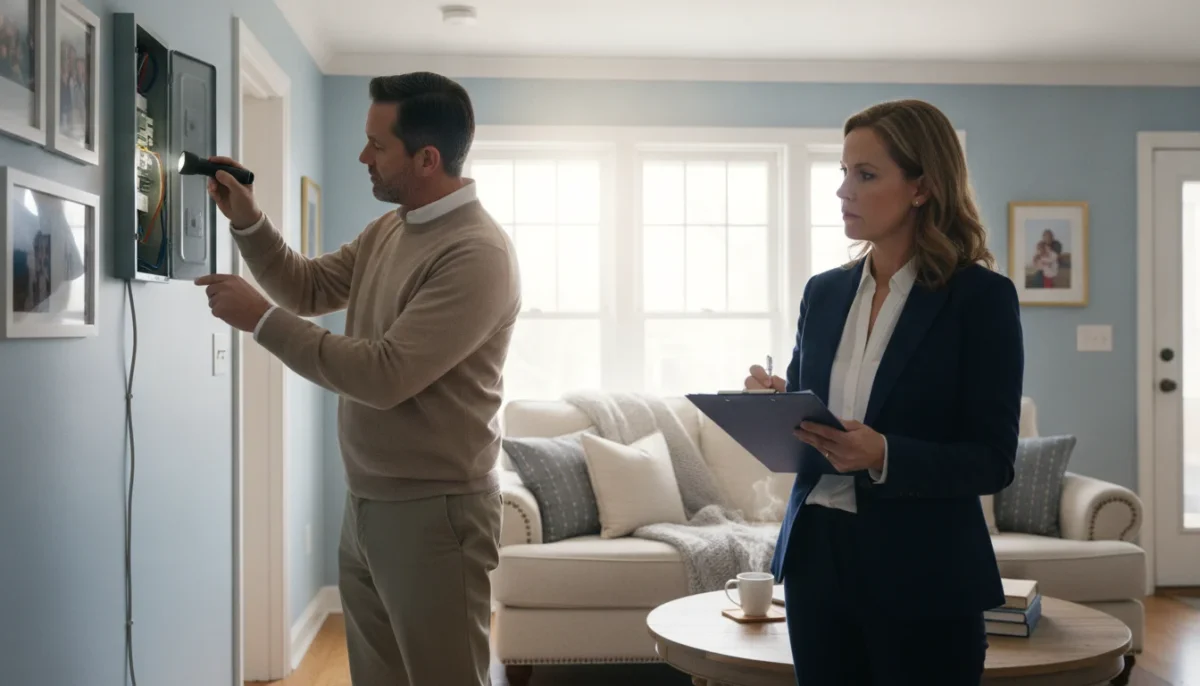
A safe bathroom needs more than initial changes. It also needs regular checks and careful maintenance. As physical abilities change, small hazards may become serious risks. A regular routine for bathroom maintenance for seniors helps keep your living space safe.
If these tasks become difficult, Continu Care Home Health can help families decide when in-home assistance may help. Adding these checks to your care plan, including swallowing therapy dysphagia, supports overall health and safety.
Checking for Water Leakage and Mold
Effective mold and leak prevention helps protect a healthy home. Damp areas can cause slippery floors and breathing problems, which can endanger older residents.
- Inspect under sinks and around toilets for signs of moisture or water stains.
- Check tile grout and shower curtains for early signs of mold growth.
- Ensure that drains are clear to prevent standing water, which increases fall risks.
Routine Checks of Safety Features
Regular home safety inspections help you find worn equipment before it causes an injury. Fatigue or poor attention can hide loose fixtures, so use a planned checklist.
Focus your inspections on these critical areas:
- Grab bars: Tug on them firmly to ensure they remain anchored to the wall studs.
- Lighting: Replace any burned-out bulbs immediately to keep pathways well-lit.
- Alert devices: Test emergency buttons to confirm they are fully functional and connected.
- Flooring: Look for loose tiles or worn non-slip mats that could cause a trip.
Encouraging and Involving Family Members
Involving your family in a bathroom safety plan supports long-term independence. When everyone understands a senior’s needs, family caregiver bathroom safety becomes a shared responsibility. Open communication helps each household member assist with confidence.
Creating a Safety Plan Together
A complete plan should cover daily tasks, including safe transfers, bathing assistance, and medication management. Document emergency contacts and communication preferences to prevent confusion during stressful moments. Consistency is key to routines that help the senior feel secure and respected.
If your loved one is recovering from a health event, add aphasia therapy at home to daily interactions. With speech therapy after stroke at home, you can help rebuild confidence without pressure. Use simple stroke recovery speech exercises during bathroom routines, allowing extra response time and using visual cues.
Training Family on Emergency Procedures
Continu Care Home Health provides professional support as families manage these changes. Our team offers compassionate guidance and trains caregivers to handle unexpected situations. We protect patient dignity while providing high-quality care in your home.
| Role | Primary Responsibility | Communication Focus |
|---|---|---|
| Family Caregiver | Daily safety monitoring | Clear, patient, and calm |
| Professional Aide | Clinical support | Structured and encouraging |
| Senior Resident | Feedback and participation | Visual cues and gestures |
Resources for Bathroom Safety Products
Choosing high-quality safety gear helps you stay independent at home. Before buying, assess your living space and physical needs. Comparing options helps you choose tools that offer real support and lasting reliability.
Reviews of Leading Bathroom Safety Brands
Look for senior safety product reviews when comparing manufacturers. Check weight capacity, material strength, and installation ease. Quality durable medical equipment often includes clear warranties and flexible return policies for added protection.
Always confirm that a product meets safety standards before buying. User feedback can show how well a device handles daily use. If instructions are unclear or the product feels weak, choose a stronger option.
Where to Buy Affordable Safety Equipment
Finding affordable bathroom safety equipment does not require lower quality. Many trusted medical supply stores offer fair prices on grab bars, shower chairs, and other essentials. Online deals are common, but confirm the retailer can sell medical-grade products.
Some items allow DIY installation, but others need a professional assessment for safety. If travel is difficult, contact home care resources San Antonio for help. These services can help you choose equipment and arrange professional installation to keep your home safe.
| Equipment Type | Primary Benefit | Installation Level | Estimated Cost |
|---|---|---|---|
| Grab Bars | Stability and Balance | Professional Recommended | Low |
| Shower Bench | Fatigue Reduction | Simple/No Tools | Moderate |
| Raised Toilet Seat | Easier Transfers | Simple/No Tools | Low |
| Walk-In Tub | Fall Prevention | Professional Required | High |
For personalized guidance or home safety support, please contact Continu Care Home Health. Our team can help you find solutions that support comfort and independence at home.
Community Programs and Assistance
You do not have to manage home safety upgrades alone. Community resources can help create a safer living environment. These aging-in-place organizations may provide guidance and financial support for a secure home.
Local Resources for Seniors
If you need local senior resources San Antonio, contact your local Area Agency on Aging first. These agencies share information about social services, health programs, and housing support. Many nonprofits also offer volunteers for minor home repairs, helping keep your home safe and useful.
For consistent support, Continu Care Home Health serves San Antonio and nearby areas with kind, professional care at home. Combining professional support with home changes creates a strong safety net. These services can help with daily tasks or medical care while protecting your independence and dignity.
Grants for Home Modifications
Getting senior home modification grants can lower the cost of needed home upgrades. These programs often help low- to moderate-income households with bathroom renovation assistance that can prevent falls. Before starting, review eligibility rules, income limits, and required documents.
Expect possible wait times because many programs serve applicants on a first-come, first-served basis. Always confirm contractor requirements with the grant provider before choosing a professional. Organizing paperwork early can simplify your application and improve your chance of support for in-home care services or structural improvements.
Engaging with Healthcare Professionals
Working with medical experts can improve your bathroom independence and safety. Trained clinicians offer personalized strategies for your physical and cognitive challenges. They connect standard safety advice with your daily needs.
The Role of Occupational Therapists
An occupational therapy bathroom assessment can reveal hidden risks in your home. These specialists watch essential tasks, such as moving into a tub or reaching for hygiene products. They assess your balance and movements, then recommend adaptive equipment to keep you safe.
They study your environment and suggest changes that can prevent falls. Grab bars, shower seats, and non-slip surfaces work best when placed for your body. Professional guidance turns a standard bathroom into a space built for long-term success.
Consulting with Geriatric Care Specialists
Your cognitive and communication health also affect bathroom safety. If you recover from a neurological event, specialized support may help you stay independent. For example, speech therapy after stroke at home can improve your ability to follow safety routines.
Recovery plans may include aphasia therapy at home, which helps you clearly communicate needs to caregivers. Addressing swallowing therapy dysphagia is critical for people who struggle with hydration or medication management during self-care. Together, these services cover every part of your safety and well-being.
We encourage you to contact Continu Care Home Health to learn how coordinated in-home care can support recovery. Their team takes a holistic approach to health, keeping your home comfortable and secure. Consider these benefits of professional coordination:
- Customized safety plans based on your personal health history.
- Seamless integration of physical and speech therapy goals.
- Expert recommendations for specialized adaptive equipment.
- Ongoing monitoring to adjust for your changing needs over time.
Preventative Measures Beyond the Bathroom
Creating a secure living environment means looking beyond the bathroom for hazards in every room. A whole-home fall prevention strategy protects independence and peace of mind as you age.
Continu Care Home Health offers professional care tailored to your needs in the comfort of your own home. Their team understands that environmental safety needs regular attention during recovery or chronic condition management.
Importance of Overall Home Safety
Start with a comprehensive senior home safety checklist to make your residence safer. It helps you find daily risks, including loose rugs, tangled electrical cords, and poor hallway lighting.
Regularly checking your living space helps it change with your physical needs. Proactive adjustments work better than repairs after an accident. Early action builds long-term stability.
Safety Tips for Other High-Risk Areas
kitchen safety for elderly residents means keeping often-used items at waist height. Keep pathways clear, make appliances easy to reach, and place non-slip mats near the sink.
For bedroom safety for seniors, focus on the path between your bed and bathroom. Motion-sensor nightlights prevent dark-room trips, while proper bed height supports easy entry and exit.
- Secure all area rugs with double-sided tape to prevent slipping.
- Keep stairways well-lit and ensure handrails are sturdy on both sides.
- Organize medication storage in a central, well-lit location to avoid confusion.
- Clear outdoor walkways of debris and ensure they are level for safe navigation.
Environmental safety is a continuous process. With vigilance and professional support, your home can remain a sanctuary of comfort and security for years.
Assessing Individual Needs and Capabilities
Personalized senior care starts with a careful review of personal abilities and daily routines. Aging affects each person differently, so tailor safety plans to physical and cognitive needs. Individualized bathroom safety changes over time with your loved one’s needs.
Understanding Personal Health Conditions
To build a secure setting, assess strength, balance, vision, and hearing. Cognitive health also affects how a person navigates their surroundings. If your loved one needs stroke recovery speech exercises, consider how this affects following safety instructions.
For people needing aphasia support at home, communication barriers can limit how they share discomfort or confusion. Watch daily habits closely to find hidden risks. Some medicines cause dizziness or tiredness, raising the risk of slips and falls during bathroom visits.
Customizing Safety Solutions Based on Feedback
Effective safety changes need the senior’s participation. Ask for feedback often to ensure installed equipment feels comfortable and easy to use. If a grab bar is too high or a shower seat feels unstable, the user may avoid these safety features.
When abilities or care needs change, review your setup. Contact Continu Care Home Health for professional guidance when mobility or cognition changes. Their team can help adjust your plan and support independence and safety.
| Assessment Factor | Safety Impact | Recommended Action |
|---|---|---|
| Physical Strength | Stability during transfers | Install sturdy grab bars |
| Cognitive Clarity | Understanding safety cues | Use clear, visual signage |
| Vision/Hearing | Spatial awareness | Improve lighting and contrast |
| Medication Side Effects | Balance and dizziness | Add non-slip mats and seating |
Planning a Bathroom Renovation
Starting a bathroom renovation for seniors requires careful budgeting and professional guidance. First, consider how the space can support daily independence, especially during recovery from swallowing therapy dysphagia or speech therapy after stroke at home. Professional advice can help the layout meet mobility and communication needs.
Budgeting for Safety Modifications
Understanding accessible bathroom remodeling costs is the first step toward a successful project. Prioritize safety features, such as walk-in showers and reinforced grab bars, before cosmetic upgrades. A detailed budget helps prevent surprises and improves your quality of life.
Plan for the long-term value of high-quality materials that need less maintenance. Consult experts who understand the needs of aging in place. Please contact Continu Care Home Health about how your home environment can support health goals during and after renovation.
Finding Trusted Contractors
Choosing the right professional matters as much as the design. Look for contractors with experience in accessible home modifications and safety standards. Verify licenses, check references, and confirm they can work in an occupied home.
A reliable contractor can guide you through permits and create a realistic work timeline. They should coordinate with your care team to keep temporary bathing arrangements safe and accessible. Clear communication helps create a stress-free experience and a safer, more functional home.
Conclusion: Prioritizing Safety and Independence
Small changes to your living space can build long-term confidence. Senior bathroom safety helps you keep daily routines with dignity and peace of mind.
Recovery continues long after an initial medical event. You might explore aphasia therapy at home or practice stroke recovery speech exercises to regain communication skills. These efforts can improve your quality of life, regardless of time since diagnosis.
Continu Care Home Health offers professional support during these changes. Our team provides compassionate care throughout San Antonio and nearby areas. We focus on your needs so you feel safe at home.
Contact Continu Care Home Health at (210) 734-6166 to learn more about our services. You can also visit our office at 3201 Cherry Ridge C319, San Antonio, TX 78230 to schedule a consultation. Our staff can help create personalized care plans.
This article does not offer medical advice. Contact your Doctor before trying anything discussed in this post.