WHEN PERSONAL CARE SERVICES CAN HELP SENIORS

HEALTHY HABITS THAT HELP SENIORS STAY ACTIVE
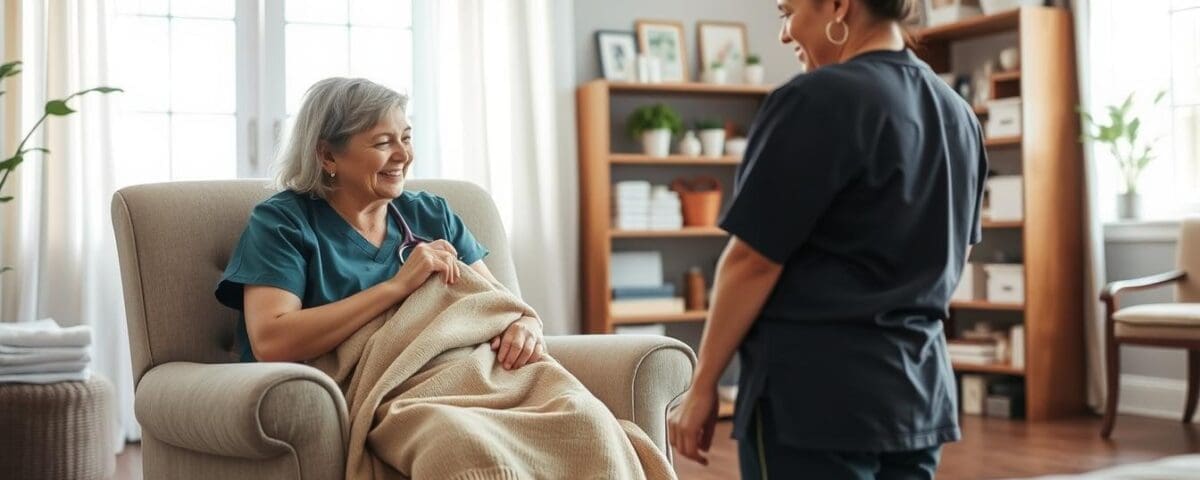
Returning home to recover from a medical procedure can feel overwhelming. You likely have many questions about managing your health and regaining your independence. Finding the right skilled nursing after surgery San Antonio professionals can make a significant difference in your healing journey.
This guide helps you navigate the transition from the hospital to your own residence. We focus on providing the clinical support you need to stay safe and comfortable. By understanding the different phases of your recovery, you can better prepare for a successful outcome.
Professional care teams offer more than just medical oversight. They provide peace of mind for you and your family during this delicate time. Let us explore how these services ensure you receive the highest quality of care while you heal in the comfort of your home.
Key Takeaways
- Understand the essential steps for a smooth transition from hospital to home.
- Learn how professional clinical support enhances your safety and recovery speed.
- Identify the primary phases of healing to manage your expectations effectively.
- Discover the benefits of receiving personalized care in your own living environment.
- Gain confidence in your ability to manage post-operative health challenges with expert guidance.
The Importance of Professional Post-Operative Care
Choosing the right environment for your post-operative recovery can make a world of difference in your health outcomes. While the hospital is essential for the initial procedure, transitioning to recovery care at home allows your body to heal in a familiar and supportive space. This shift is vital for maintaining your physical and mental well-being during the most vulnerable stages of your rehabilitation.
Why Home Recovery is Often Preferred
Hospitals are designed for acute medical intervention, but they are rarely conducive to deep, restorative sleep. Constant noise, frequent check-ins, and the sterile atmosphere can increase stress levels, which may slow down your natural healing process. By contrast, your home offers a controlled environment where you can rest undisturbed.
When you opt for recovery care at home, you gain the benefit of a personalized setting that caters to your specific comfort needs. Being surrounded by your own belongings and loved ones significantly lowers anxiety. This emotional stability is a powerful tool that helps you stay motivated throughout your recovery journey.
The Role of Skilled Nursing in Preventing Complications
While the comfort of home is beneficial, it must be balanced with professional clinical oversight. Skilled nursing provides the necessary expertise to monitor your progress and identify potential issues before they become serious problems. This proactive approach is essential for minimizing the risk of hospital-acquired infections and other post-surgical setbacks.
Expert caregivers ensure that your recovery plan is followed with precision, from managing complex wound care to tracking vital signs. By integrating professional recovery care at home, you create a safety net that protects your health. This level of vigilance gives you and your family the peace of mind needed to focus entirely on getting better.
Understanding Skilled Nursing After Surgery San Antonio
San Antonio residents have access to high-quality medical support designed to simplify the post-operative journey. When you transition from the hospital to your residence, having professional clinical oversight is essential for a smooth healing process. This specialized recovery care at home ensures that your health remains the top priority while you regain your strength.
Defining Skilled Nursing Services
Skilled nursing involves care provided by licensed medical professionals, such as registered nurses or physical therapists. These experts deliver medical-grade treatments that go beyond basic assistance with daily tasks. They are trained to manage complex surgical needs, including medication administration, intravenous therapy, and advanced wound care.
By choosing this level of support, you receive personalized attention tailored to your specific surgical requirements. This proactive approach helps identify potential health issues before they become serious complications. It provides you with the peace of mind that your recovery is being managed by qualified experts.
How Local Agencies Like Continu Care Home Health Support Recovery
Agencies like Continu Care Home Health play a vital role in the San Antonio community by bridging the gap between hospital discharge and full independence. They coordinate closely with your surgical team to ensure that your recovery care at home follows the exact protocols established by your physician. This seamless transition is critical for maintaining the momentum of your healing.
The following table highlights the key differences between standard home assistance and professional skilled nursing services:
| Service Feature | Standard Home Help | Skilled Nursing |
|---|---|---|
| Provider Type | Caregivers/Aides | Licensed Nurses/Therapists |
| Medical Tasks | Not Authorized | Clinical Procedures |
| Care Planning | General Assistance | Physician-Directed |
| Primary Goal | Daily Comfort | Medical Recovery |
By utilizing Continu Care Home Health, you gain a dedicated partner in your wellness journey. Their team understands the unique challenges of post-operative health and provides the necessary tools for a successful outcome. Investing in professional recovery care at home is a proactive step toward returning to your normal lifestyle with confidence.
Initial Assessment and Care Planning
A successful recovery starts with a comprehensive evaluation of your unique needs and living environment. By bringing professional recovery care at home to your doorstep, you gain the advantage of a tailored approach that prioritizes your specific health requirements.
The First Visit: What to Expect
During the initial visit, a skilled nurse will conduct a thorough physical examination to establish a baseline for your health. They will carefully review your surgical site and check for any immediate concerns. This first encounter is vital for identifying potential warning signs, such as unexpected fever or excessive swelling, which require prompt attention.
Your nurse will also assess your home layout to ensure it supports your mobility needs. They look for potential hazards that could interfere with your recovery care at home. This proactive evaluation helps prevent accidents and creates a safer space for your daily healing activities.
Developing a Personalized Recovery Roadmap
Once the assessment is complete, your care team will draft a detailed roadmap designed specifically for you. This document serves as a clear guide for your transition, outlining your daily medication schedules and physical activity goals. Having this plan in place ensures that every member of your support system stays aligned with your progress.
Your roadmap will also include necessary safety modifications for your living space to promote independence. By integrating these steps into your recovery care at home, you can focus entirely on your health. Consistency is the key to achieving the best possible outcomes during your post-surgical journey.
Managing Medications and Pain Relief
Managing your medications correctly is a vital component of successful post-operative nursing. When you return home, your body requires consistent support to manage discomfort and promote healing. Professional guidance ensures that you stay on the right track without the stress of managing complex schedules alone.
Ensuring Medication Adherence
Strict adherence to your prescribed medication schedule is necessary to keep pain levels under control. Missing a dose can lead to unnecessary spikes in discomfort, which may delay your overall recovery progress. Your nurse helps you organize your pills and sets up reminders to ensure you never miss a critical dose.
By maintaining a consistent routine, you allow your body to focus its energy on tissue repair rather than reacting to pain. This structured approach is a hallmark of high-quality post-operative nursing. You will find that having a clear plan reduces anxiety and helps you feel more in control of your daily life.
Monitoring for Side Effects and Interactions
Every medication carries the potential for side effects, and your recovery team remains vigilant to protect your health. Nurses are trained to observe subtle changes in your condition that might indicate an adverse reaction or a negative drug interaction. This proactive monitoring provides essential peace of mind for both you and your family.
If you experience dizziness, nausea, or unexpected skin reactions, your nurse will coordinate immediately with your physician to adjust your treatment plan. This rapid response prevents minor issues from becoming major complications. You can rely on this expert oversight to keep your recovery safe and effective.
| Action Item | Frequency | Purpose |
|---|---|---|
| Medication Review | Daily | Verify dosage accuracy |
| Symptom Logging | Every 4 Hours | Track pain levels |
| Interaction Check | Weekly | Prevent drug conflicts |
| Physician Update | As Needed | Ensure safety protocols |
Wound Care and Infection Prevention
Maintaining your surgical site is the most critical step in your recovery journey. When you transition from the hospital to your home, post-operative nursing becomes your primary defense against complications. By following a strict hygiene routine, you significantly lower the risk of developing an infection.
Techniques for Proper Surgical Site Maintenance
Your care team will provide specific instructions tailored to your unique procedure. It is essential to keep the area clean and dry at all times to promote optimal tissue repair. Always wash your hands thoroughly before touching the dressing or the skin surrounding your incision.
If you require assistance, a professional in post-operative nursing will visit your home to perform sterile dressing changes. They ensure that all supplies are handled correctly to prevent contamination. Furthermore, they can help you navigate your home environment, such as ensuring that grab bars are secured vertically or horizontally to the wall, rather than diagonally, to provide stable support while you manage your wound care.
Recognizing Early Signs of Infection
Early detection is the best way to stop a minor issue from becoming a serious health concern. You should monitor your incision daily for any changes in appearance or sensation. Staying vigilant allows you to catch potential problems before they escalate.
Contact your medical provider immediately if you notice any of the following warning signs:
- Increased redness or warmth spreading around the incision site.
- Unusual or foul-smelling discharge coming from the wound.
- Sudden, persistent swelling that does not improve with elevation.
- A fever or chills that may indicate a systemic response.
Effective post-operative nursing empowers you to take control of your recovery. By staying informed and observant, you ensure that your body has the best possible environment to heal successfully.
Physical Therapy and Mobility Assistance
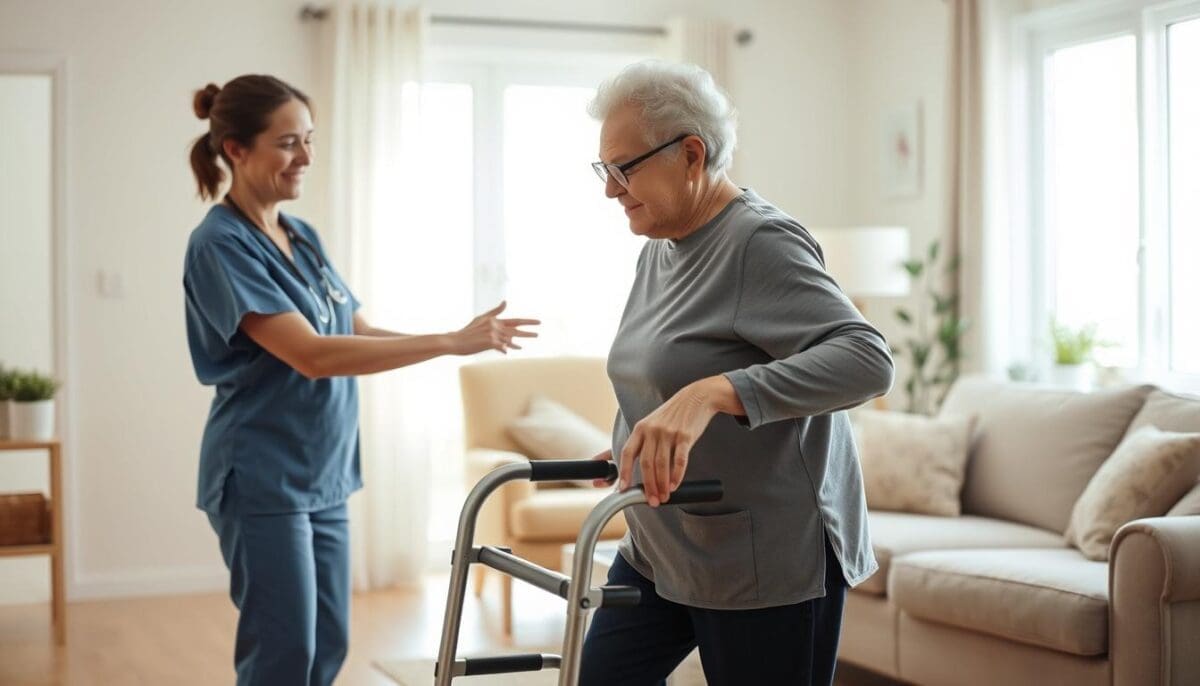
Regaining your independence after surgery starts with small, controlled movements. Post-operative nursing professionals play a vital role in guiding you through these initial steps to ensure your body heals correctly.
By focusing on gradual progress, you can avoid common setbacks. This structured approach helps you regain your strength while minimizing the risk of injury during your recovery at home.
The Role of Early Movement in Healing
Early mobilization is a critical component of your recovery process. Moving your body shortly after surgery helps improve blood circulation, which is essential for tissue repair and preventing complications like blood clots.
Your care team will design a series of gentle exercises tailored to your specific surgical procedure. These movements are not meant to strain you but rather to keep your joints flexible and your muscles engaged.
Consistent activity also boosts your mood and energy levels. When you participate in these sessions, you are actively contributing to a faster and more successful healing timeline.
Safety Measures for Preventing Falls at Home
Falls represent a significant risk during the early stages of your recovery. Post-operative nursing staff prioritize your safety by assessing your living environment for potential hazards before you even attempt to walk.
They will help you implement practical changes to keep your home secure. This includes removing loose rugs, ensuring adequate lighting, and installing grab bars where necessary.
- Always use assistive devices like walkers or canes as instructed.
- Keep your path clear of cords, clutter, and furniture.
- Request assistance for the first few days until your balance stabilizes.
Effective post-operative nursing involves constant monitoring of your physical stability. By following these safety protocols, you can focus entirely on your rehabilitation without the fear of accidental falls.
| Recovery Stage | Mobility Goal | Safety Focus |
|---|---|---|
| Early (Days 1-3) | Bed exercises and sitting | Fall prevention and assistance |
| Intermediate (Days 4-7) | Short walks with support | Environmental hazard removal |
| Advanced (Week 2+) | Independent movement | Maintaining balance and strength |
Monitoring Vital Signs and Health Trends
Effective surgical recovery support begins with the diligent observation of your daily health data. By tracking specific metrics, your nursing team can identify subtle shifts in your condition before they become significant concerns.
Tracking Recovery Progress Through Data
Your care team utilizes standardized tools to record your blood pressure, heart rate, and temperature during every visit. This consistent data collection creates a clear picture of how your body is responding to the healing process.
When nurses analyze these trends, they can determine if your recovery is moving along the expected timeline. This proactive approach to surgical recovery support ensures that your care plan remains highly personalized and effective.
When to Alert Your Physician
Clear communication protocols exist to protect your health throughout your time at home. You should feel empowered to reach out to your nursing team if you notice any unexpected changes in your physical state.
Immediate notification is necessary if you experience symptoms such as high fever, sudden swelling, or intense pain that medication cannot manage. Your nurses act as a vital bridge, relaying these observations to your surgeon to ensure your surgical recovery support is always aligned with your medical needs.
By maintaining an open dialogue, you and your caregivers can address potential complications early. This collaborative effort provides the peace of mind you deserve while you focus on regaining your strength.
Emotional Support and Mental Well-being
Many patients find that the emotional journey after a procedure is just as significant as the physical recovery. While you focus on your physical health, it is easy to overlook the mental strain that often follows a major operation. Providing yourself with adequate surgical recovery support is essential for a balanced healing process.
Addressing Post-Surgical Anxiety
It is quite common to experience mood swings or heightened anxiety during your time at home. These feelings often stem from the lingering effects of anesthesia or the sudden loss of your usual independence. You may feel frustrated by your temporary limitations, which is a completely normal reaction to your current situation.
Recognizing these feelings early allows you to manage them more effectively. When you acknowledge that your mental health is a priority, you can better navigate the ups and downs of your healing timeline. Consistent surgical recovery support helps you maintain a positive outlook even on the most challenging days.
The Benefit of Compassionate Caregivers
Having a professional by your side offers more than just medical assistance; it provides a sense of security. Compassionate caregivers are trained to offer the reassurance you need to feel comfortable and safe in your own home. Their presence can significantly reduce feelings of isolation and help you stay focused on your long-term goals.
These professionals act as a bridge between your clinical needs and your emotional comfort. By fostering a supportive environment, they ensure that your surgical recovery support is comprehensive and holistic. You deserve to feel cared for, understood, and empowered throughout every stage of your journey back to health.
Coordinating Care with Your Surgical Team

Effective coordination between your surgical team and home nurses is the cornerstone of a successful recovery. When your medical providers work in harmony, you receive consistent and high-quality care that prevents gaps in your treatment. This level of surgical recovery support ensures that every aspect of your health is monitored with precision.
Bridging the Gap Between Hospital and Home
The transition from a clinical setting to your own living room can feel overwhelming. Your home nursing team acts as a vital link, ensuring that complex discharge instructions are translated into actionable daily routines. By maintaining a direct line to your surgeon, they ensure that your recovery plan remains accurate and responsive to your needs.
If your condition changes or if you require a medication adjustment, your nurses can quickly consult with your surgical team. This proactive approach to surgical recovery support prevents minor issues from becoming major complications. You can feel confident knowing that your care plan is always aligned with the latest medical guidance.
Communication Protocols for Better Outcomes
Clear communication protocols are essential for maintaining safety throughout your healing process. Your nursing agency establishes specific methods for sharing data, such as vital sign trends and wound healing progress, directly with your physician. This structured flow of information allows your surgeon to make informed decisions about your ongoing care.
These protocols ensure that no detail is overlooked during your recovery. By utilizing standardized reporting, your team provides the surgical recovery support necessary to keep you on the right track. Consistent updates mean that your physician is always aware of your progress, leading to better long-term health outcomes.
Preparing Your Home for a Safe Recovery
You can significantly improve your healing journey by making proactive adjustments to your home environment. A well-organized space reduces stress and allows you to focus entirely on your physical rehabilitation. When you work with professionals providing skilled nursing after surgery San Antonio, they can offer personalized advice to ensure your living area is perfectly suited to your needs.
Essential Modifications for Post-Op Safety
The primary goal during your initial recovery phase is to minimize the risk of falls. You should conduct a thorough walkthrough of your home to identify potential hazards that could impede your movement. Removing loose wires, electrical cords, and slippery throw rugs is a critical step in creating a safe path for walking.
Consider rearranging furniture to create wider walkways, especially if you are using a walker or crutches. Clear pathways are essential for maintaining your independence while navigating between your bedroom, bathroom, and kitchen. If your bedroom is on an upper floor, you might need to temporarily relocate your sleeping area to the ground level to avoid stairs.
Creating a Healing Environment
Beyond safety, your environment should promote rest and recovery. Keep essential items like medications, water, and your phone within easy reach to avoid unnecessary straining or reaching. Organizing your space effectively helps you conserve energy, which is vital for your body’s healing process.
Lighting also plays a major role in your comfort and safety. Ensure that all areas are well-lit, particularly hallways and bathrooms, to prevent accidents during the night. By consulting with experts in skilled nursing after surgery San Antonio, you can receive tailored recommendations that transform your home into a supportive sanctuary designed for your specific recovery roadmap.
Ensuring a Successful Post-Surgical Recovery at Home
Navigating the recovery process becomes much easier when you have the right professional support and a well-prepared home environment. By utilizing skilled nursing after surgery San Antonio, you ensure that your health remains the top priority during every stage of your healing journey.
You deserve peace of mind while you regain your strength. Our team is ready to discuss how we can assist you in achieving a safe and comfortable recovery at home. Reach out to us to learn more about our specialized in-home care services or to schedule a consultation for yourself or a loved one.
Continu Care Home Health proudly serves patients and families throughout San Antonio and surrounding areas with compassionate, professional care. You can reach our office at (210) 734-6166 or visit us at 3201 Cherry Ridge C319, San Antonio, TX 78230. Call us if you need any help.
This article is not medical advice. Please contact your Doctor before implementing anything covered in this post.