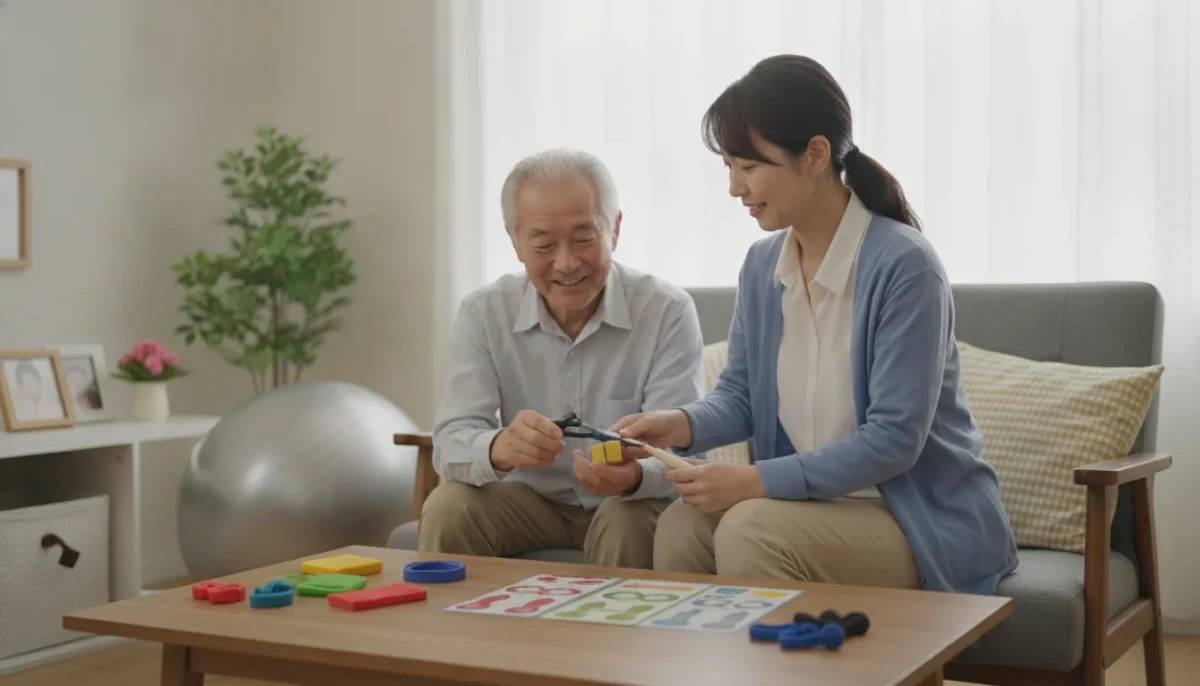
WHAT TO EXPECT FROM HOME NURSING AFTER SURGERY

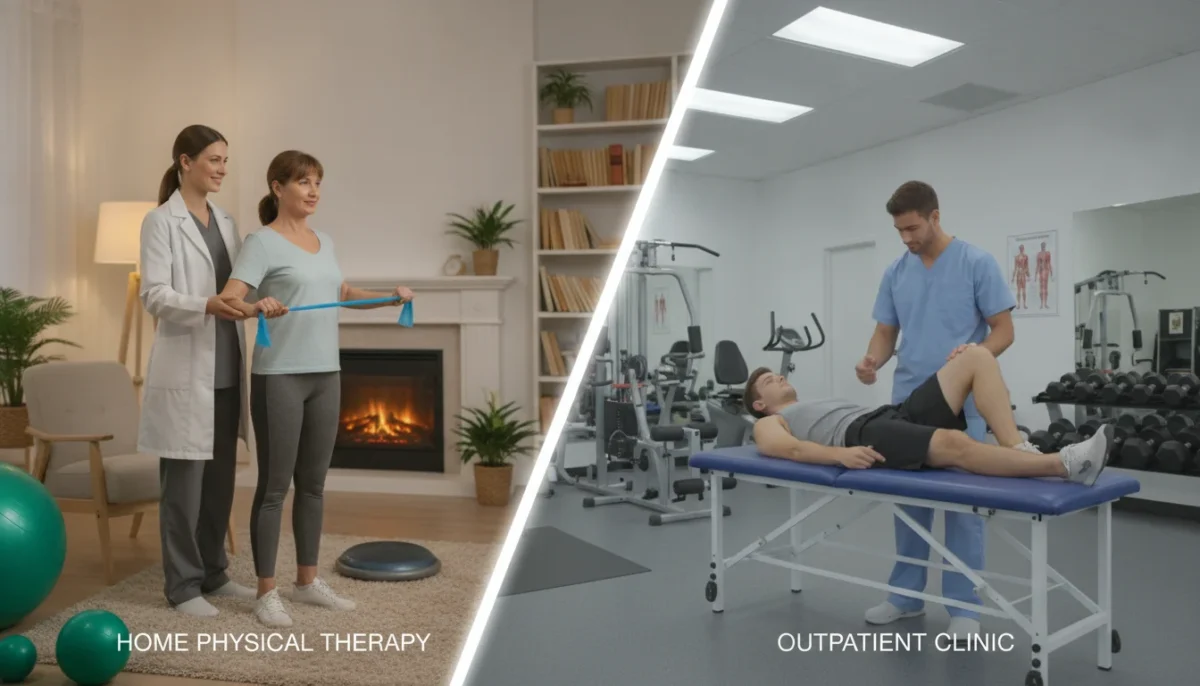
QUESTIONS TO ASK BEFORE CHOOSING HOME HEALTH CARE
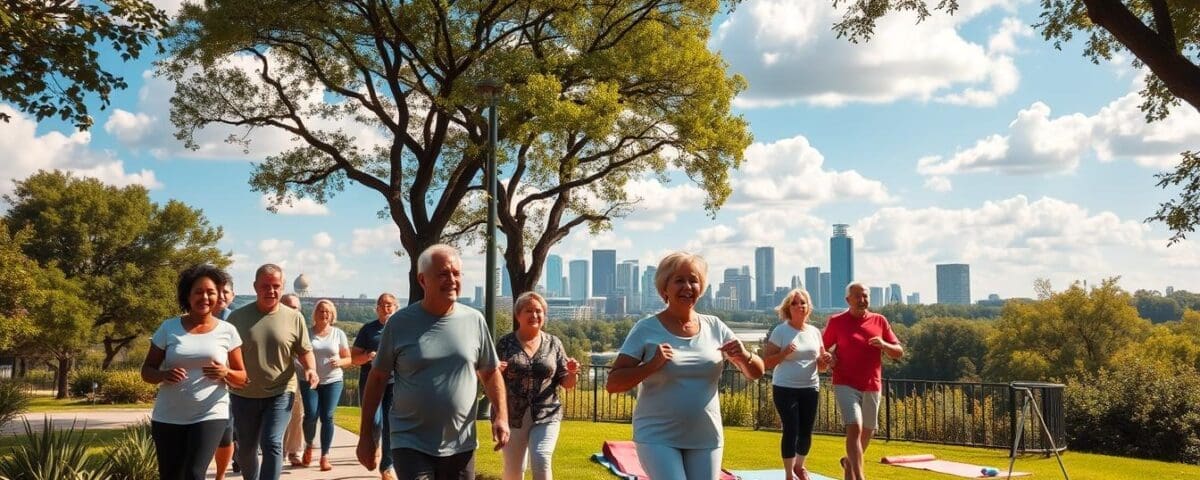
Maintaining your independence as you age is a goal shared by many. By adopting small, consistent lifestyle changes, you can significantly improve your long-term health outcomes and overall vitality. At Continu Care Home Health, we believe that empowering older adults to thrive starts with simple, daily actions.
Focusing on senior wellness San Antonio allows you to stay engaged with your community and your loved ones. Our team provides professional support to families throughout the region, ensuring you have the guidance needed to lead a fulfilling life. Whether it is adjusting your nutrition or increasing physical movement, every step counts toward a brighter future.
Consistency is the key to lasting success. By prioritizing your physical and mental health today, you create a foundation for a more active and independent tomorrow.
Key Takeaways
- Small daily habits lead to significant long-term health improvements.
- Maintaining independence is achievable through proactive lifestyle adjustments.
- Professional support can help you navigate your unique health journey.
- Staying active fosters better mental and physical well-being.
- Consistent routines are essential for sustaining vitality as you age.
The Current Landscape of Senior Wellness San Antonio
As you look toward the future, staying informed about senior wellness San Antonio is essential for your long-term health. The medical field is shifting away from reactive treatments toward a model that emphasizes prevention and early intervention. By understanding these changes, you can take control of your aging journey with confidence.
Emerging Trends in Geriatric Health
Modern medicine now prioritizes personalized screening based on your specific life expectancy and overall health status. Instead of a one-size-fits-all approach, doctors are tailoring care plans to meet your unique needs. This shift ensures that you receive the most effective treatments while avoiding unnecessary procedures.
Technology also plays a vital role in these new standards. Many providers now use digital tools to monitor your health markers in real-time, allowing for faster adjustments to your wellness routine. These advancements are a cornerstone of effective senior wellness San Antonio strategies today.
Why Localized Care Matters
Choosing local healthcare providers offers a distinct advantage for your daily life. Annual primary care visits allow your doctor to track subtle health changes over time and adjust your goals accordingly. This consistent relationship is key to maintaining your independence and vitality.
Community-based support systems provide the social and physical infrastructure you need to thrive. When your care is localized, you benefit from a network that understands the specific resources available in your neighborhood. The following table highlights how modern care differs from traditional methods:
| Feature | Traditional Care | Modern Geriatric Care |
|---|---|---|
| Focus | Treating illness | Preventive wellness |
| Approach | Standardized | Personalized |
| Monitoring | Occasional | Continuous/Proactive |
| Goal | Symptom relief | Quality of life |
Prioritizing Physical Activity for Longevity
Incorporating movement into your daily life is a cornerstone of healthy aging tips that can transform your well-being. By staying active, you protect your joints, improve your heart health, and maintain the stamina needed for daily tasks. Consistent activity is not just about fitness; it is about preserving your independence for years to come.
Low-Impact Exercises for Daily Mobility
Balance is a critical component of your physical health that often goes overlooked. Research shows that individuals aged 51 to 75 who can stand on one leg for 10 seconds demonstrate an improved mortality rate. Practicing this simple movement daily can significantly reduce your risk of falls and boost your confidence.
Other low-impact activities like walking, swimming, or gentle yoga provide excellent benefits without straining your body. These movements keep your muscles supple and your joints lubricated. You should aim for at least thirty minutes of light activity most days of the week to see real results.
The Importance of Strength Training
Strength training is essential for maintaining bone density and muscle mass as you grow older. You do not need a fancy gym membership to get started with these healthy aging tips. Simple household items, such as soup cans or water bottles, serve as perfect light weights for resistance exercises.
Using resistance bands is another effective way to build strength safely at home. Focus on controlled movements that target your major muscle groups, such as your legs, arms, and core. Even two sessions per week can make a noticeable difference in your overall physical capability.
Safety Tips for Starting a New Routine
Before beginning any new exercise program, it is wise to consult with your healthcare provider. Always start slowly to allow your body time to adjust to the new demands. Listen to your body and stop immediately if you feel sharp pain or unusual discomfort.
| Exercise Type | Primary Benefit | Equipment Needed |
|---|---|---|
| Single-Leg Stand | Balance & Stability | None |
| Resistance Training | Muscle Mass | Soup Cans or Bands |
| Brisk Walking | Cardiovascular Health | Supportive Shoes |
| Chair Yoga | Flexibility | Sturdy Chair |
Nutritional Foundations for Active Aging
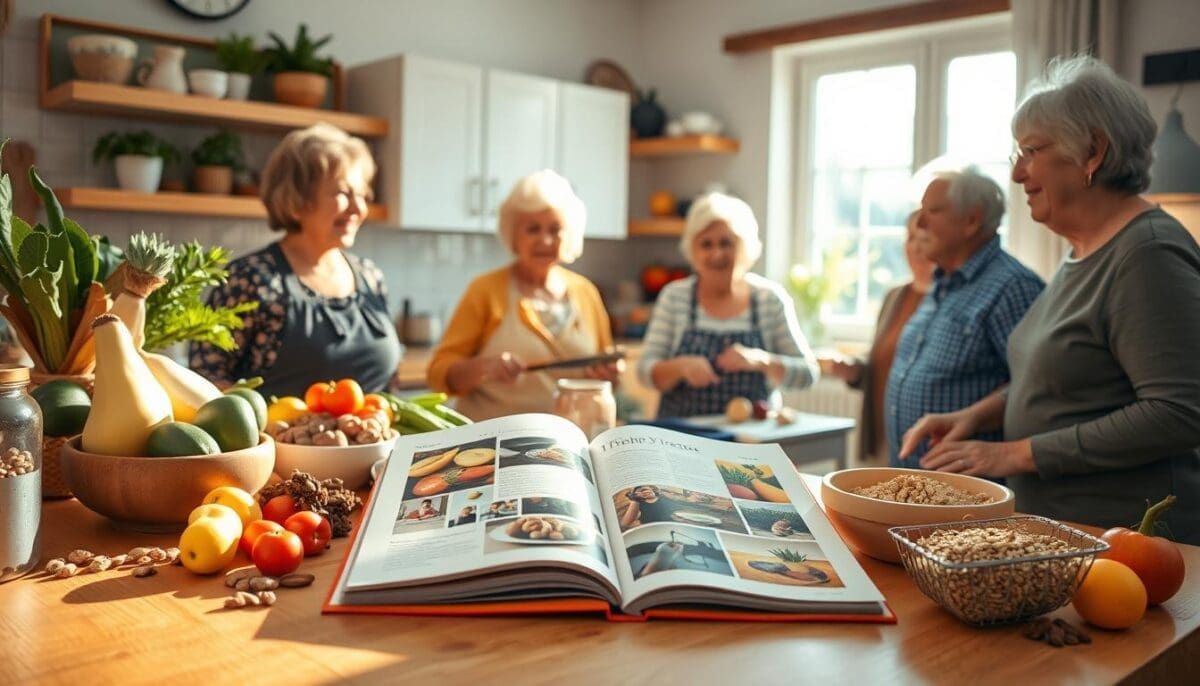
Embracing healthy aging tips starts with understanding the power of a well-balanced plate. As your body changes, your nutritional needs shift to support sustained energy and long-term wellness. Making intentional choices today helps you maintain the strength required for your favorite daily activities.
Hydration and Its Impact on Energy
Water is the most essential nutrient, yet it is often overlooked in daily routines. Proper hydration directly influences your cognitive function and physical stamina throughout the day. When you stay hydrated, you reduce feelings of fatigue and improve your overall mental clarity.
Aim to drink water consistently rather than waiting until you feel thirsty. Many seniors find that keeping a reusable bottle nearby serves as a helpful reminder to sip regularly. Staying hydrated is one of the simplest yet most effective healthy aging tips you can adopt.
Balanced Diets for Bone and Muscle Health
Maintaining muscle mass and bone density requires a strategic intake of high-quality protein. Experts recommend that healthy older adults consume between 1.0 and 1.3 grams of protein per kilogram of body weight daily. Incorporating whole foods like Greek yogurt, eggs, and lean meats ensures your body receives the building blocks it needs.
Adopting a Mediterranean-style diet offers significant advantages for your long-term health. This approach emphasizes healthy fats, vegetables, and whole grains, which are linked to reduced inflammation and lower risks of chronic conditions. By focusing on these nutrient-dense options, you provide your body with the fuel necessary for active living.
| Nutrient Category | Primary Benefit | Recommended Food Source |
|---|---|---|
| High-Quality Protein | Muscle Preservation | Greek Yogurt & Lean Poultry |
| Calcium & Vitamin D | Bone Density Support | Leafy Greens & Fortified Milk |
| Omega-3 Fatty Acids | Reduced Inflammation | Salmon & Walnuts |
| Fiber | Digestive Health | Whole Grains & Legumes |
Integrating these healthy aging tips into your lifestyle creates a sustainable path toward vitality. Consistency in your diet and hydration habits will empower you to stay active and independent for years to come.
The Role of Mental Stimulation in Daily Routines
Cognitive vitality plays a central role in your overall independence and quality of life. While physical fitness often takes center stage, mental stimulation is equally critical for long-term brain health. By prioritizing your cognitive well-being, you provide yourself with the necessary senior wellness support to thrive in your later years.
Cognitive Exercises to Keep the Mind Sharp
You can protect your brain against decline by challenging it with new information and complex tasks. Engaging in activities that require focus and problem-solving helps build cognitive reserve. Consider incorporating these simple habits into your daily schedule:
- Learning a new skill, such as a musical instrument or a foreign language, to create new neural pathways.
- Engaging in complex conversations with friends or family members to improve verbal fluency.
- Solving daily puzzles like crosswords, Sudoku, or strategic board games to sharpen your logic.
- Reading books or articles on unfamiliar topics to expand your knowledge base.
The Connection Between Mental Health and Physical Activity
Your physical and mental states are deeply intertwined. Research consistently shows that individuals who remain socially connected enjoy better cognitive function and memory retention. When you combine regular movement with social interaction, you create a powerful foundation for senior wellness support.
Physical activity increases blood flow to the brain, which supports the growth of new cells. When you exercise in a group setting, you gain the added benefit of social stimulation, which further protects your mental health. Staying active is not just about your muscles; it is a vital strategy for keeping your mind sharp, engaged, and resilient against the challenges of aging.
Social Engagement as a Pillar of Health
Building meaningful connections is a cornerstone of effective senior wellness support. While physical fitness often takes center stage, your emotional health relies heavily on the quality of your daily interactions. Staying connected with others helps preserve cognitive function and boosts your overall mood.
Combating Isolation Through Community Involvement
Social isolation can negatively impact your physical health, but community involvement offers a powerful remedy. By participating in local events or volunteer programs, you create opportunities to meet new people and share your unique experiences. Active engagement in your neighborhood fosters a sense of belonging that is vital for long-term resilience.
Consider joining local hobby groups or senior centers that host regular workshops. These environments provide a structured way to interact with peers who share your interests. Consistent participation in these activities ensures that you remain a vibrant part of your community while receiving the senior wellness support you deserve.
Building a Support Network
Cultivating a robust support network involves nurturing both long-term friendships and new connections. You should prioritize regular check-ins with family members and close friends to maintain these essential bonds. Strong relationships act as a buffer against stress and help you navigate life’s challenges with greater ease.
If you find it difficult to reach out, start by setting small, achievable goals for social interaction each week. Whether it is a phone call, a coffee date, or a community meeting, every effort counts toward your emotional well-being. Reliable senior wellness support is often found within the circle of people you trust and value most.
| Engagement Type | Primary Benefit | Frequency |
|---|---|---|
| Volunteer Work | Purpose and Meaning | Weekly |
| Hobby Clubs | Cognitive Stimulation | Bi-weekly |
| Family Gatherings | Emotional Security | Monthly |
| Community Events | Social Integration | As Needed |
Managing Chronic Conditions Through Consistent Habits

Maintaining your independence often depends on how well you manage chronic conditions at home. By establishing a reliable routine, you can prevent complications and enjoy a higher quality of life. Professional in-home health guidance can help you create a sustainable plan that fits your unique lifestyle.
Medication Adherence and Routine
Taking your medications exactly as prescribed is the most effective way to keep chronic issues under control. Missing doses can lead to unnecessary health setbacks or hospital visits. To stay consistent, consider these simple strategies:
- Use a pill organizer to sort your medications by day and time.
- Set recurring alarms on your smartphone or a digital clock.
- Keep your medication list updated and accessible for your primary care provider.
- Pair your medication time with a daily habit, such as eating breakfast or brushing your teeth.
Monitoring Vital Signs at Home
Tracking metrics like blood pressure is essential, especially since hypertension often has no symptoms. However, it is important to find a balance between staying informed and avoiding unnecessary anxiety. You should monitor your health metrics based on your doctor’s specific recommendations rather than checking them too frequently.
When you utilize in-home health guidance, you learn exactly which numbers matter most for your condition. Use the following table to organize your monitoring schedule effectively:
| Metric | Typical Frequency | Action Required |
|---|---|---|
| Blood Pressure | Daily or Weekly | Log in a notebook |
| Blood Glucose | As directed | Report to physician |
| Weight | Weekly | Monitor for trends |
Always reach out to your primary care provider if you notice sudden, significant changes in your readings. Consistent tracking provides your medical team with the data they need to adjust your care plan safely. Remember, the goal is to empower your health journey, not to let the numbers dictate your daily mood.
Safety Measures for Independent Living
Statistics indicate that approximately 30% of adults over the age of 65 will experience a fall within a single year. This reality makes it essential to take proactive steps to secure your living environment. By identifying potential hazards early, you can maintain your autonomy and continue living comfortably in your own home.
Home Modifications to Prevent Falls
Small changes to your physical space often yield the greatest impact on your daily safety. Start by improving the lighting throughout your home, especially in hallways and stairwells, to ensure you can clearly see your path. Installing bright, motion-sensor lights can prevent accidents during nighttime trips to the kitchen or bathroom.
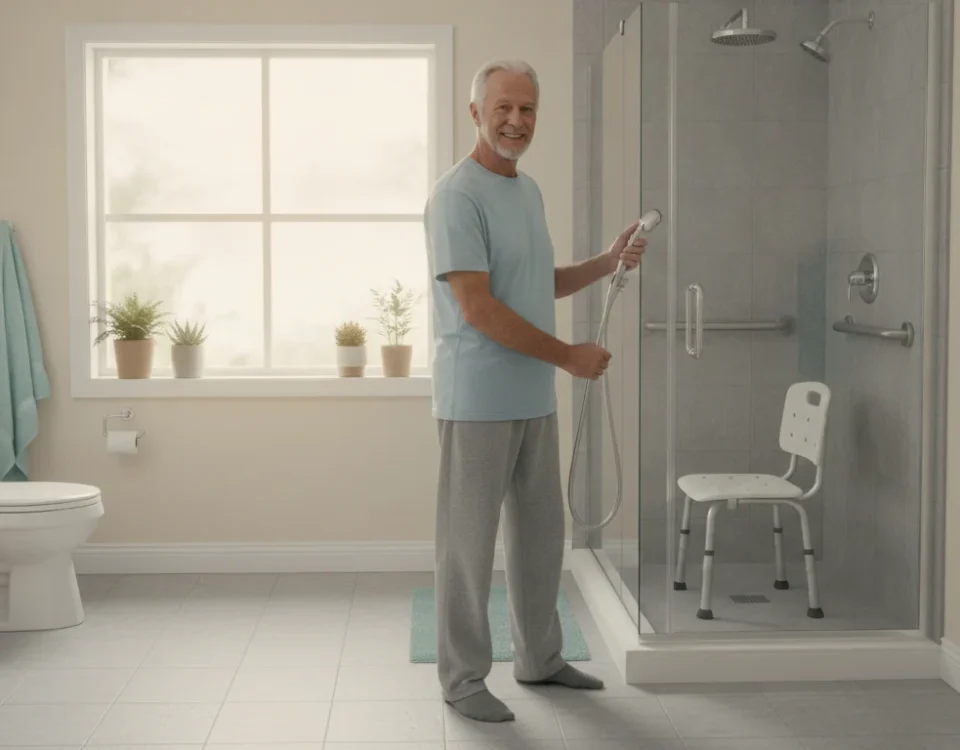
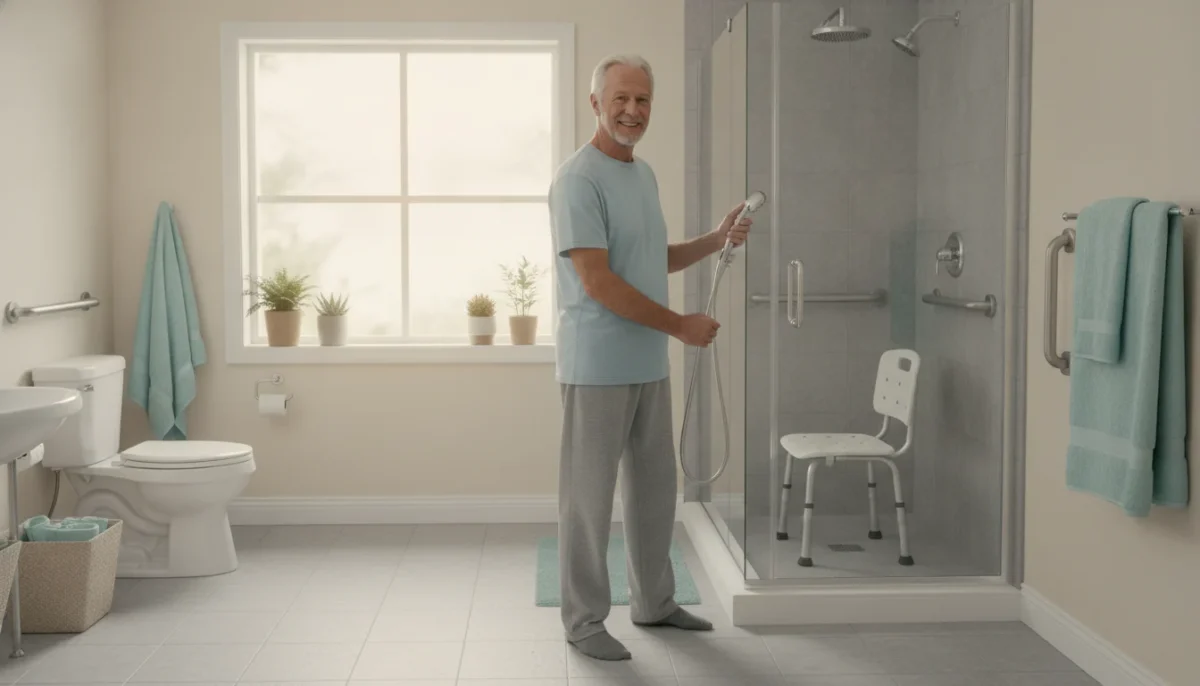
You should also consider adding grab bars in the shower and near the toilet to provide extra stability. Removing loose rugs and clearing clutter from walkways will significantly reduce the risk of tripping. These simple adjustments create a much safer foundation for your daily activities.
Utilizing Assistive Technology
Modern technology offers powerful tools to help you stay safe while preserving your independence. Many seniors now rely on medical alert systems that allow for immediate communication with emergency services if a fall occurs. These devices provide immense peace of mind for both you and your family members.
Beyond emergency alerts, smart home devices can automate routine tasks to minimize physical strain. For example, voice-activated assistants can control thermostats or lock doors, reducing the need to move around unnecessarily. Embracing these innovative solutions ensures that your home remains a supportive environment as you age.
Leveraging Professional Support for Healthy Aging
Professional assistance serves as a vital bridge between living independently and ensuring your long-term wellness. When you choose to age in place, having a reliable partner can make all the difference in your daily quality of life. Continu Care Home Health provides the expert oversight necessary to help you navigate your health journey with confidence.
The Benefits of In-Home Health Guidance
Accessing professional in-home health guidance allows you to maintain your routine while receiving expert medical support. A dedicated team helps manage your daily tasks, ensuring that your health goals remain a top priority. By integrating professional oversight into your home, you reduce the stress often associated with managing complex wellness needs.
The advantages of this approach include:
- Consistent medication management to prevent errors and improve health outcomes.
- Regular monitoring of vital signs to catch potential issues early.
- Professional assistance with daily activities that may become difficult over time.
- Peace of mind for both you and your family members.
Customizing Care Plans for Individual Needs
Every person has a unique health profile that requires a tailored approach. At Continu Care Home Health, we believe that in-home health guidance should adapt as your requirements change. We work closely with you to create a plan that addresses your specific medical and personal preferences.
The following table illustrates how a customized plan differs from standard care approaches:
| Feature | Standard Care | Customized Care |
|---|---|---|
| Care Focus | General assistance | Individualized health goals |
| Adaptability | Fixed schedule | Dynamic, changing needs |
| Communication | Basic reporting | Proactive, detailed updates |
By prioritizing in-home health guidance that is built around your lifestyle, you ensure that your care plan evolves with you. This level of personalization alleviates the burden of caregiving for your loved ones while maintaining your dignity. You deserve a support system that truly understands your path to healthy aging.
Community Resources and Local Initiatives
San Antonio offers a wealth of resources designed to help you thrive during your golden years. Engaging with your local community provides the extra motivation and support needed to maintain a healthy, active lifestyle. By tapping into these networks, you can easily find the tools required for long-term wellness.
Accessing Senior Centers in San Antonio
The city features numerous senior centers that serve as hubs for health and connection. These facilities offer a wide range of fitness classes, social events, and educational workshops tailored to your specific needs. You can visit the City of San Antonio’s Department of Human Services website to locate a center near your home.
Many of these locations provide specialized programs that focus on mobility and strength. Joining these groups allows you to meet peers who share your commitment to healthy aging. Consistent participation in these centers often leads to improved physical health and a stronger sense of belonging.
Participating in Local Wellness Programs
Beyond traditional centers, San Antonio hosts various wellness initiatives that encourage movement and social interaction. These programs are designed to help you stay active while enjoying the vibrant culture of the city. Whether you prefer group walking clubs or low-impact yoga, there is an option available for every fitness level.
Taking part in these initiatives is a highly effective way to combat isolation and keep your mind sharp. You will find that the social aspect of these programs provides a unique boost to your overall well-being. Embracing these local opportunities ensures that you remain connected, energized, and fully engaged with your community.
Empowering Your Journey Toward Independent Aging
Adopting healthy habits serves as a lifelong journey that shapes your ability to live independently. You hold the power to improve your quality of life by focusing on consistent physical activity, balanced nutrition, and meaningful social connections.
Take the first step today by evaluating your current daily routine. Small changes in your habits create lasting improvements in your overall wellness and vitality.
This article is not medical advice. Please contact your Doctor before implementing anything covered in this post.
Please contact Continu Care Home Health to learn more about in-home care services or to schedule a consultation for yourself or a loved one. Continu Care Home Health proudly serves patients and families throughout San Antonio and surrounding areas with compassionate, professional care delivered in the comfort of home.
Contact Information: Continu Care Home Health (210) 734-6166, 3201 Cherry Ridge C319, San Antonio, TX 78230. Call us if you need any help.