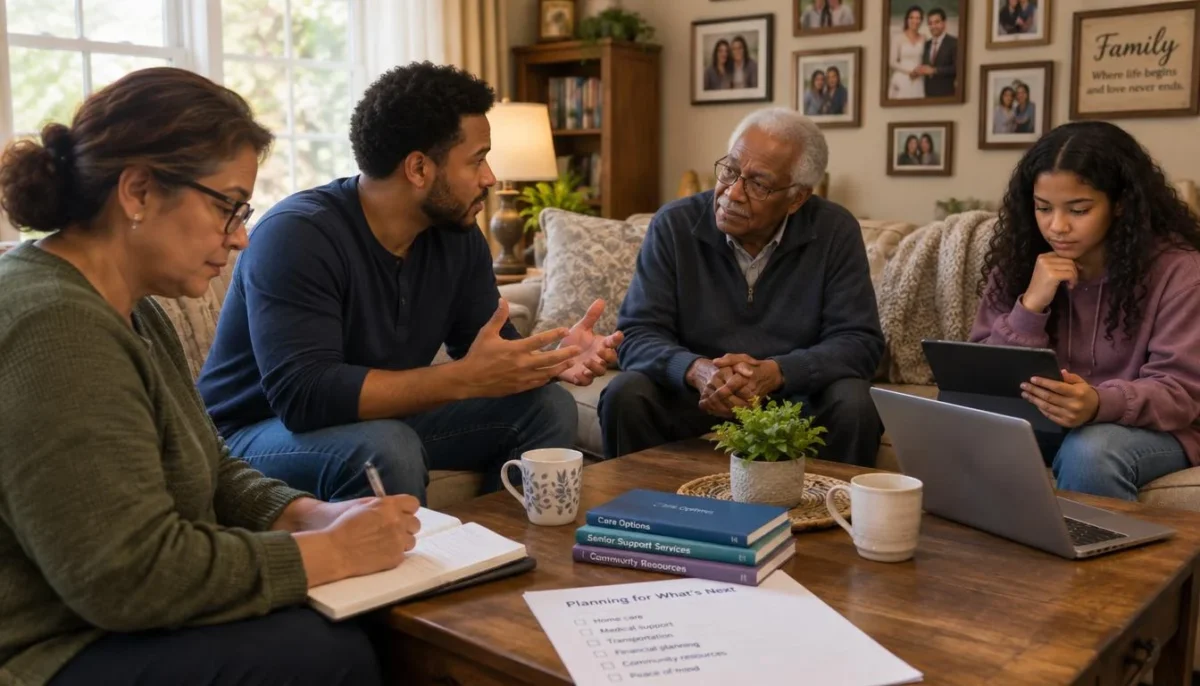
Senior Resources in San Antonio Every Family Caregiver Should Know

Caring for an Aging Veteran Parent in Military City USA

Some veterans may qualify for veteran home health care in San Antonio, based on their needs and the VA program. A veteran may want to remain at home while needing more help with daily life. Family caregivers can find themselves balancing that wish with growing care demands. The right support can help a loved one stay in familiar surroundings.
VA coverage is not automatic, and a benefit does not promise payment for every service or provider. Eligibility and approval depend on the program and the veteran’s needs. This page offers general information, not a promise that the Department of Veterans Affairs will pay for care. Several VA programs may help cover or arrange in-home support in different ways.
Key Takeaways
- Some veterans may qualify for VA-supported care at home.
- Eligibility and approval depend on the program and the service.
- A VA benefit does not confirm that a chosen provider is approved.
- Families can discuss care needs with the VA care team.
- Confirm approval before arranging services.
How VA coverage works for veteran home health care San Antonio
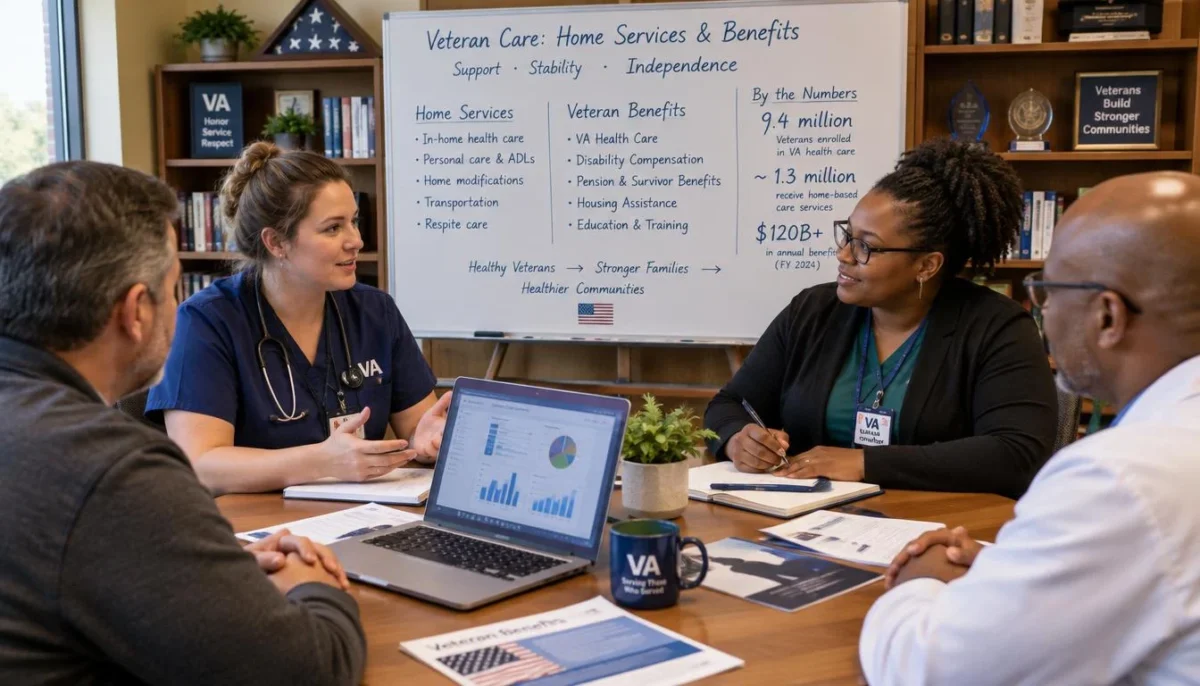
VA support can take different forms, including approved services and a pension supplement. The Department of Veterans Affairs (VA) may cover some in-home care costs for eligible veterans with a physical need for care. Each program has its own rules, and a benefit alone does not authorize a specific service.
Homemaker/home health aide services are VA-authorized in-home assistance with daily living activities provided by a homemaker or home health aide. The Veterans Affairs Community Care Network (VACCN) supports community care for veterans who show a physical need for in-home care.
| Program | What it may provide | Key eligibility points | Important distinction |
|---|---|---|---|
| Homemaker/Home Health Aide | Approved help with daily living activities at home | VA medical benefits package enrollment, community-based care eligibility, and a doctor’s prescription | Approval applies to authorized care, not every provider or task |
| Respite Care | Home aide visits, adult day care, short stays, or inpatient care | VA health care enrollment and need related to daily living activities or chronic illness requiring professional care | Priority typically goes to veterans 75 and older, disabled veterans, or people with greater financial or health needs |
| Aid and Attendance | Extra funds added to an eligible VA pension | Factors include wartime service, care needs, and a significant share of income spent on care | A pension supplement, not authorization for a particular service |
For Aid and Attendance, stated service factors include at least 90 days of active duty, with one wartime day. Persian Gulf service has a two-year service factor. The veteran must need help with daily living activities, and a significant portion of income must go toward care.
Surviving spouses may qualify for Aid and Attendance, but eligibility is not automatic. Having a VA benefit does not confirm that a preferred provider or task is authorized. These programs differ in the support they may offer, which leads to the kinds of help a veteran may need at home.
What in-home help can veterans receive?
A veteran may manage many routines alone but need help with bathing or meals. In-home care can focus on specific needs, rather than taking over the person’s day. Useful tasks are not automatically covered or authorized by the VA.
Hands-on personal care
Personal care may include assistance with bathing, dressing, grooming, and toileting. A helper may also support safe movement around the home. The right approach respects the veteran’s privacy and preferences.
For example, a veteran may want to wash and dress independently but need steady support getting in and out of the shower. A family caregiver can explain what feels comfortable and where help is needed. Small choices, such as when to get dressed, can help the veteran keep a sense of control.
Care needs can shift from one day to another. A clear conversation about routines can help a provider understand where assistance matters most. The veteran should be part of those choices whenever possible.
Companionship and household help
Companionship may involve conversation and time spent together. Household support can include meal preparation, light housekeeping, laundry, errands, or transportation. These services can support daily activities without replacing the veteran’s own role in the home.
Technology help may make routines easier, too. A helper might assist with appointment scheduling or grocery delivery. Reminders can also help someone keep track of planned activities.
One veteran may need meal preparation but not laundry help. Another may value conversation or a ride to an errand. Matching services and schedules to the person’s needs can make support more useful.
Confirm the planned tasks with the provider and the VA when seeking coverage. Being helpful does not mean a service is covered or authorized. These examples describe possible assistance, not guaranteed VA benefits or a promise of nursing or medical services. Families can use that distinction when asking practical questions before arranging care.
How to check eligibility and arrange in-home care

Confirm both the veteran’s eligibility and the specific service authorization before arranging care. Start with the VA care team, then check the provider details. Get any required referral or approval before scheduling services.
Questions for the VA care team
Ask whether the veteran is enrolled in VA health care. Describe the veteran’s functional needs to the VA clinician, including where daily support is needed. This helps the care team consider the person’s situation.
Ask whether the specific program needs a prescription, referral, community-care eligibility, or another form of authorization. The requirements can differ by program. Get clear details about which services the VA has approved.
A family caregiver can write down the answers during the discussion. Keep any referral or approval information with care records. This can help the veteran and family share the same details with a provider.
What to confirm with a home care provider
Ask whether the provider participates in the arrangement approved by the VA. Confirm which tasks and hours are authorized, not just the general type of care. Ask what steps to take if the veteran’s needs change.
Also ask whether any costs fall outside VA coverage. A provider’s participation does not mean every task or hour is approved. Make sure the provider’s plan matches the service authorization before care starts.
- Confirm the veteran’s VA health care enrollment.
- Describe daily assistance needs to the VA care team.
- Get the required referral or authorization before scheduling.
- Confirm the provider, approved tasks, schedule, and uncovered costs.
These checks can help veterans and caregivers understand the care plan before services begin. If you want to discuss the veteran’s needs and possible next steps, Continu Care Home Health can talk with you.
Conclusion
VA help depends on the veteran’s eligibility and approval for the specific service. A benefit does not by itself confirm that a provider or task is covered. A clear discussion of the veteran’s needs can help you understand what support may fit.
Contact Continu Care Home Health to learn more about in-home care services or schedule a consultation for yourself or a loved one. Continu Care Home Health proudly serves patients and families throughout San Antonio and surrounding areas with compassionate, professional care delivered in the comfort of home.
Call (210) 734-6166 or visit Continu Care Home Health at 3201 Cherry Ridge C319, San Antonio, TX 78230. Call us if you need any help.
This arctcle is not medical advice. Please contact your Doctor before inplementing anythnig covered in this post.