Compassionate Home Health Care in San Antonio

Skilled Nursing Brought Home to You

Personalized Care: In-Home Physical and Occupational Therapy

Comprehensive Guide to In-Home Physical and Occupational Therapy Services for Patient Recovery and Convenience
In-home physical and occupational therapy services cater to the needs of patients recovering from various conditions in the comfort of their own home. This model not only promotes increased patient convenience but also enhances recovery outcomes through personalized care. Our comprehensive guide explores the core types of home-based therapy, the benefits they provide, and insights into how these therapies improve patient mobility and daily living. Many individuals face challenges in recovery due to limited mobility or support, and in-home therapy offers a viable solution by delivering professional care directly to the patient’s environment. This article will cover the distinct types of in-home therapies, patient conditions suitable for these services, insurance implications, the structure of therapy sessions, the role of technology in rehabilitation, and how patients can maximize their access to these essential services.
In-Home Physical and Occupational Therapy Guide
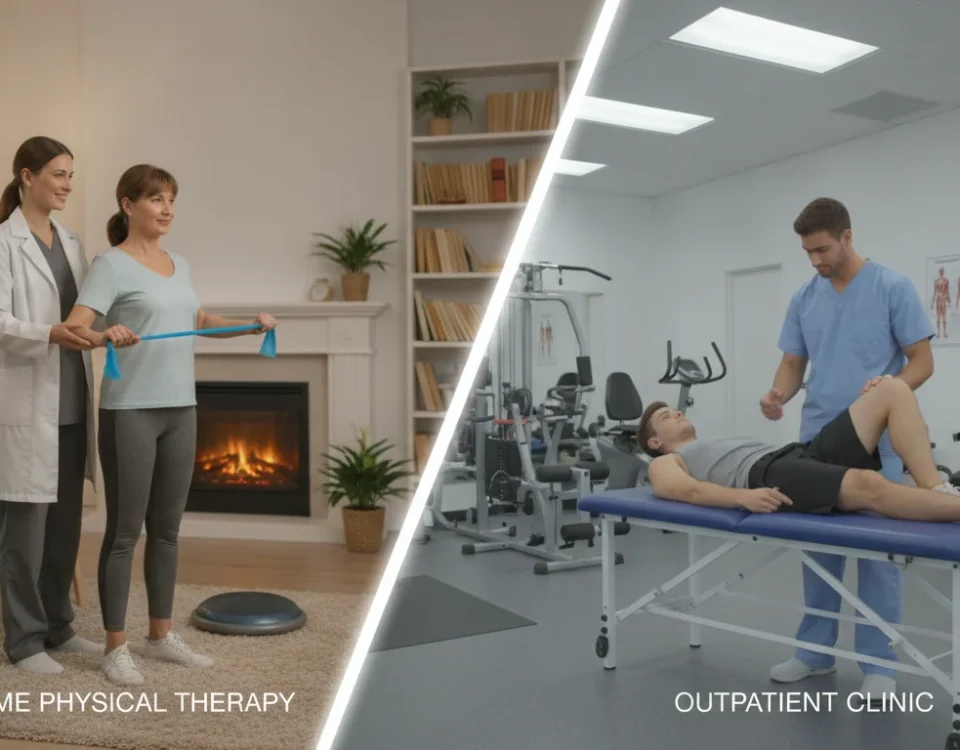
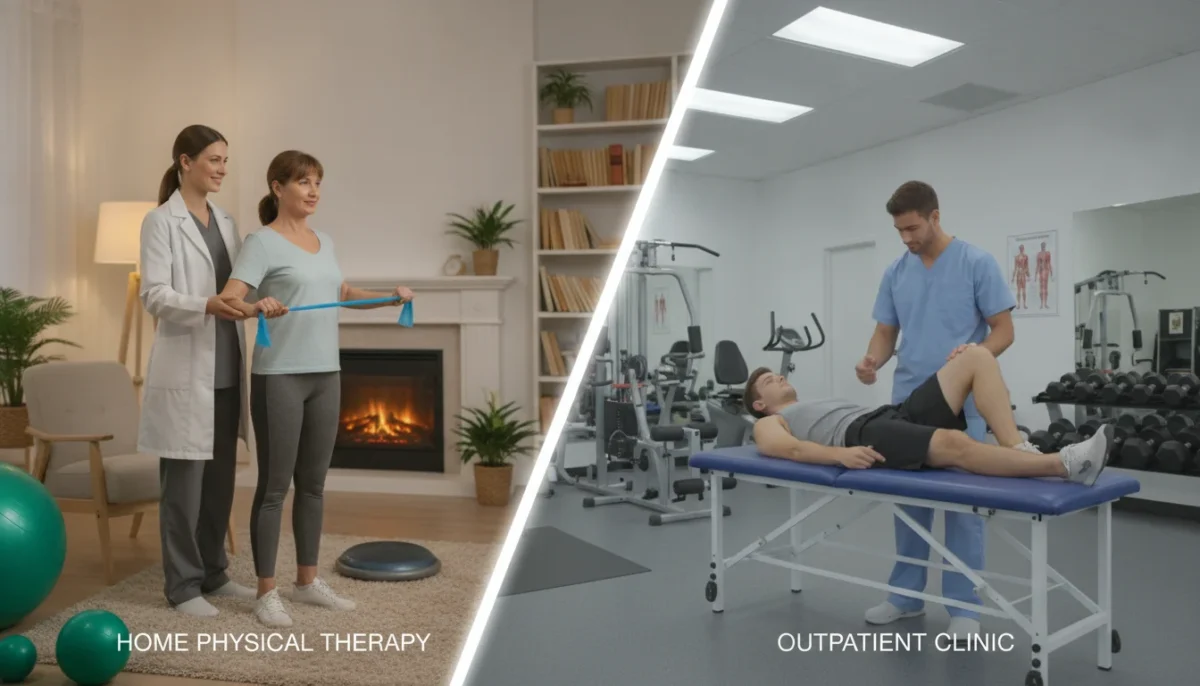
Home-based physical and occupational therapy encompass a range of services designed to assist patients in their recovery from illness, injury, or surgery. These therapies typically focus on enhancing mobility, improving functionality, and enabling individuals to perform daily activities independently. Benefits of these services include personalized treatment plans, flexibility in scheduling, and increased comfort for patients who may feel anxious in clinical settings. Moreover, home therapy sessions can enhance motivation and patient engagement since individuals tend to feel more at ease in their home environment.
How Does Physical Therapy at Home Improve Post-Surgery Mobility and Outcomes?
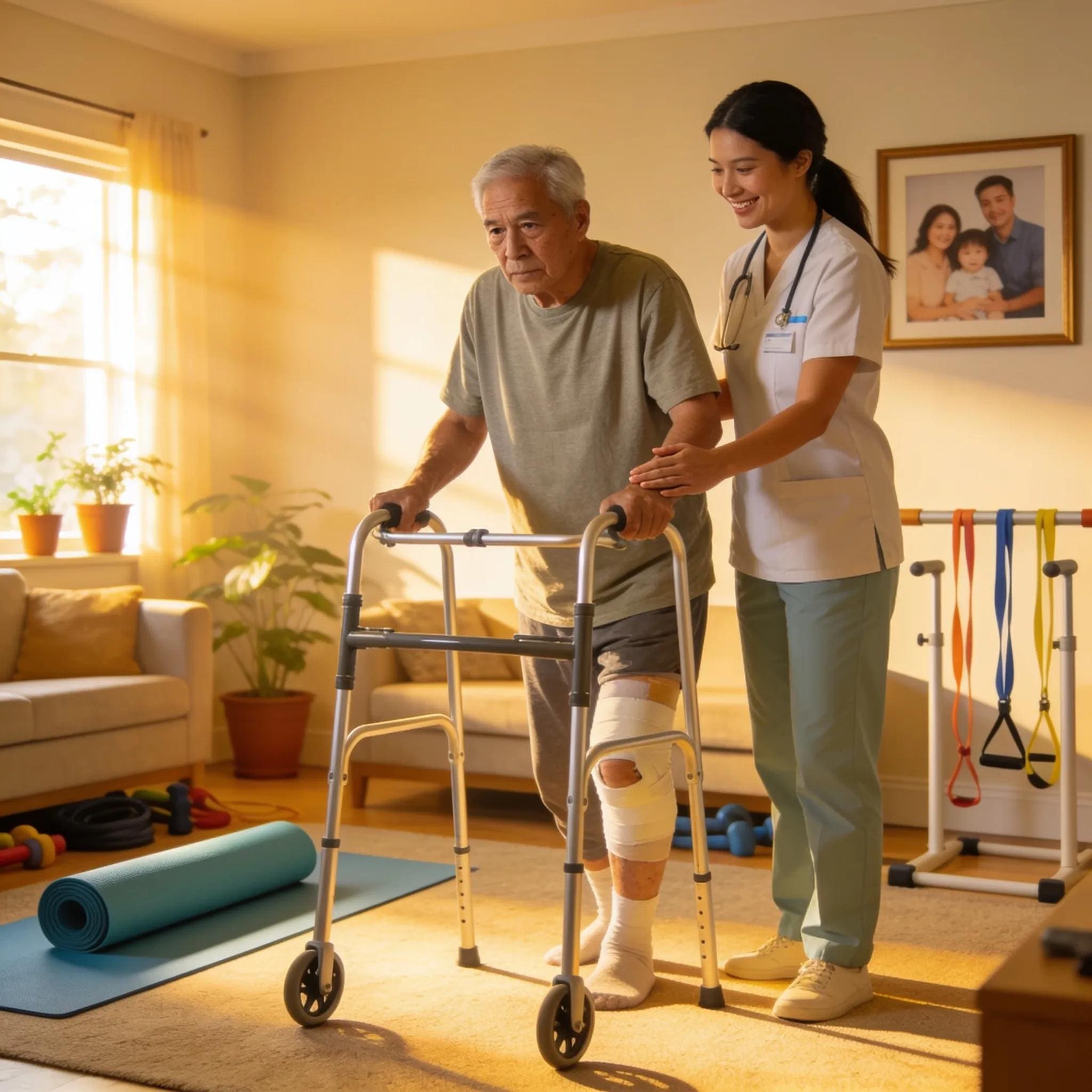
Physical therapy at home significantly enhances recovery outcomes for post-surgery patients by providing immediate access to rehabilitative techniques that aid in restoring mobility. Tailored exercises that focus on strengthening and flexibility allow patients to regain independence more swiftly. Research shows that patients who engage in in-home physical therapy experience a faster recovery from surgeries compared to those who only receive outpatient therapy. This approach not only improves mobility but also reduces the risk of complications associated with prolonged inactivity.
This systematic review further highlights the positive impact of home-based exercise on functional rehabilitation for older adults following hip fracture surgery, demonstrating improved balance and mobility outcomes.
Home-Based Exercise for Hip Fracture Rehabilitation in Older Adults
This systematic review and meta-analysis was performed to assess effectiveness of home-based exercise compared with control interventions for functional rehabilitation in elderly patients after hip fracture surgery. Comprehensive literature search was performed on PubMed, EMBASE, Web of Science, Cochrane library, and Clinicaltrails.gov to identify eligible randomized controlled trials (RCTs). Standard mean difference (SMD) and risk ratio (RR) with 95% confidence interval (CI) was calculated. The certainty of evidence of each outcome was assessed by using Grading of Recommendations Assessment, Development and Evaluation (GRADE) approach. A total of 28 articles reporting 21 unique RCTs (n = 2470) was finally included. Compared with control interventions, home-based exercise significantly improved Berg balance scale (BBS, SMD = 0.28, 95%CI: 0.03 to 0.53, P = 0.030), timed-up-and-go test (TUG, SMD = -0.28, 95%CI: -0.50 to -0.07, P = 0.009), Short Fort-36 physical component Effectiveness of home-based exercise for functional rehabilitation in older adults after hip fracture surgery: A systematic review and meta-analysis of randomized …, 2024
In What Ways Does Occupational Therapy Support Daily Living Activities in a Home Setting?
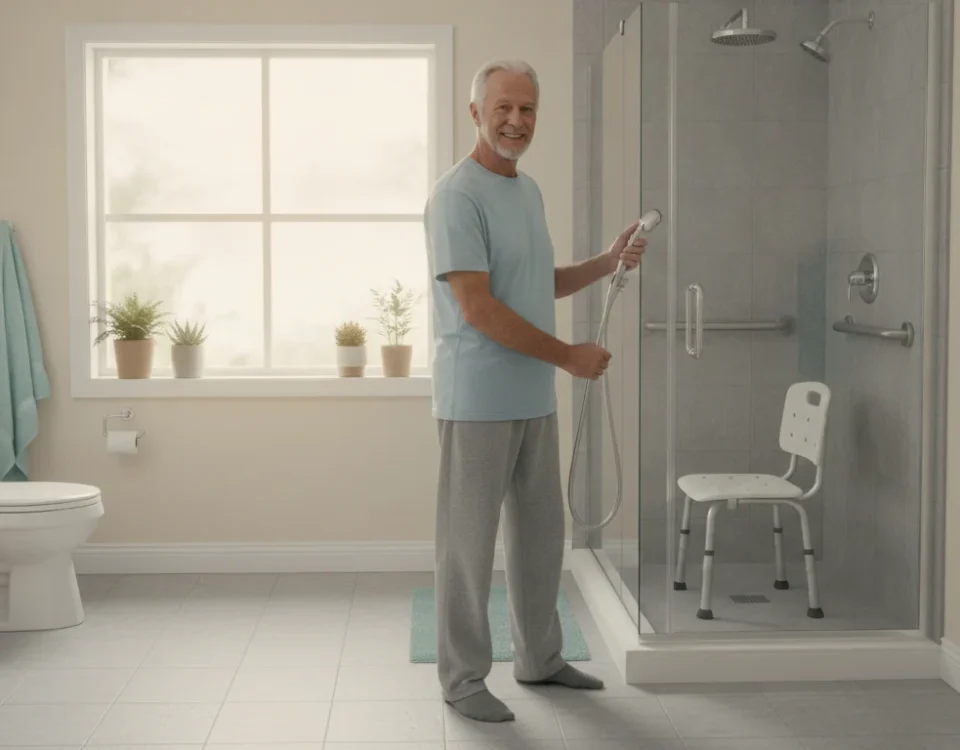
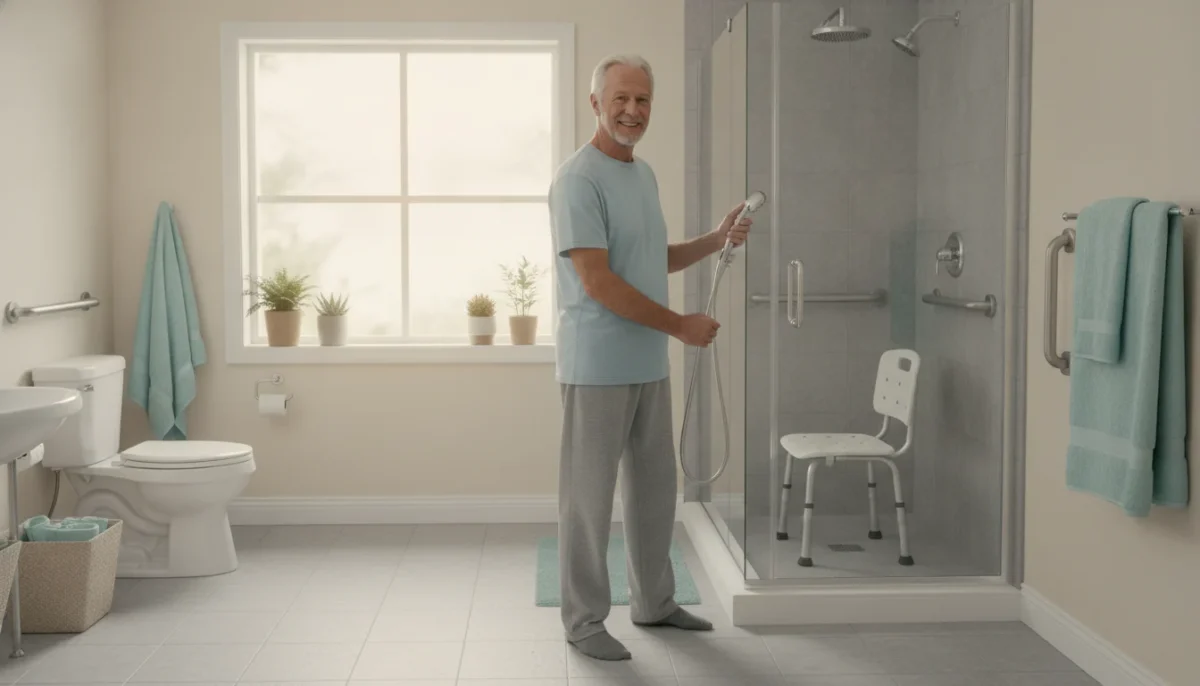
Occupational therapy is instrumental in helping patients regain the skills necessary for daily living activities following an injury or illness. Therapists work closely with individuals to identify specific challenges they face in performing tasks such as cooking, bathing, or managing medications. This therapy utilizes adaptive techniques and the provision of assistive devices to promote independence. For instance, therapists might introduce tools like grab bars in the bathroom or specialized utensils for cooking. These interventions significantly enhance the quality of life and foster a sense of autonomy in patients.
Which Patient Conditions and Eligibility Criteria Determine In-Home Therapy Services?
Determining eligibility for in-home therapy services typically revolves around specific patient conditions and needs. Patients suffering from mobility impairments due to various medical conditions, such as strokes, arthritis, or chronic pain, are prime candidates for these services. It is crucial for healthcare providers to evaluate individual conditions to tailor therapy effectively. In addition, guidelines exist for insurance coverage which can influence patient access to therapy services, further highlighting the importance of understanding the available options for care.
What Are Common Medical Conditions Treated by Licensed Therapists in Home Care?
Home care therapy is designed for a multitude of common medical conditions. Typical cases include:
- Strokes: Rehabilitation focuses on regaining movement and coordination.
- Orthopedic injuries: Conditions such as post-operative recovery from joint replacements.
- Chronic pain syndromes: Therapists employ strategies to manage and alleviate pain effectively.
Patients experiencing these conditions benefit greatly from personalized therapy plans that align with their specific rehabilitation goals.
How Do Insurance Policies and Medicare Coverage Influence Home Therapy Eligibility?
Insurance policies, including Medicare coverage, play a critical role in determining patient eligibility for in-home therapy services. Medicare typically covers at-home therapy for patients who meet specific criteria, including physician authorization and demonstrable rehabilitation needs. Other insurance plans might offer different levels of coverage, emphasizing the importance of verifying one’s benefits prior to commencing therapy. Understanding these nuances can streamline the process of obtaining necessary care, allowing patients to focus on their recovery journey without financial strain.
How Are Therapy Sessions Structured for Effective Rehabilitation in Home Health Programs?
Therapy sessions are structured to maximize patient outcomes through tailored programming that meets individual recovery goals. The standard duration and frequency of therapy sessions can vary based on the patient’s specific needs and recovery timeline, with recommendations generally suggesting sessions lasting between 30 to 60 minutes, recurring 1-3 times per week.
What Is the Typical Duration and Frequency of Physical and Occupational Therapy at Home?
The typical duration for at-home therapy sessions ranges from 30 to 60 minutes, with frequency determined by the patient’s condition and recovery pace. Most therapists recommend 1-2 sessions per week initially, depending on the patient’s progress. Adjustments may occur as they meet their recovery milestones.
How Do Licensed Therapists Assess and Customize Home Therapy Plans?
Licensed therapists conduct thorough assessments to customize home therapy plans according to individual patient needs. This evaluation includes assessing physical capabilities, patient goals, and the home environment to create a structured, effective treatment program. Family members are often involved in the planning process to ensure support throughout the rehabilitation journey.
What Role Does Technology Play in Enhancing In-Home Rehabilitation Services?
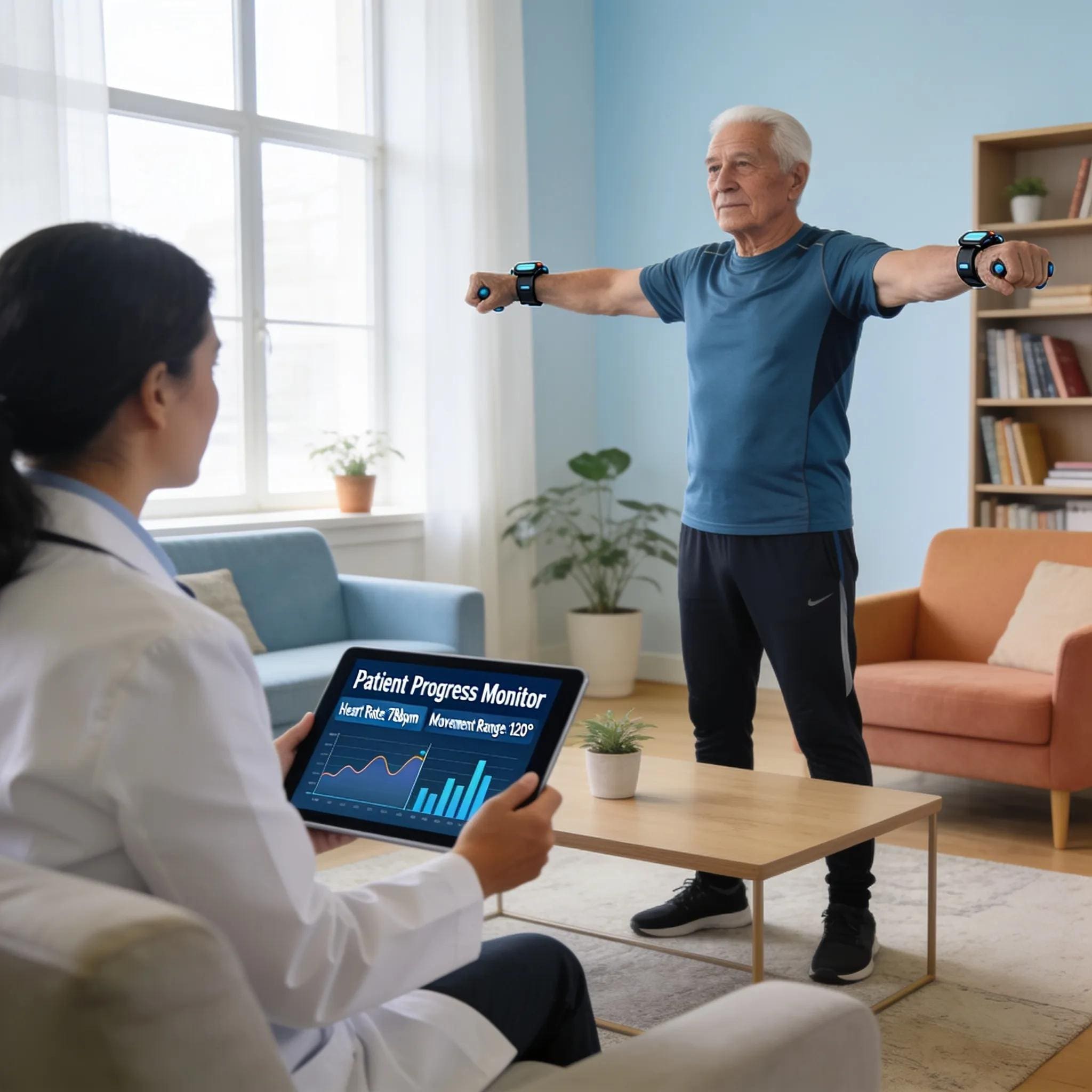
Technology significantly enhances in-home rehabilitation services by introducing innovative tools and methods designed to improve patient engagement and outcomes. Health technology such as telehealth platforms expands access to therapy and allows for real-time adjustments to therapy plans based on patient feedback.
How Are Telehealth and Wearable Sensors Integrated into Home Therapy Programs?
Telehealth services enable therapists to conduct virtual check-ins, allowing for continuous support without the need for travel. Additionally, wearable sensors provide valuable data on patient mobility and exercise compliance, further informing treatment adjustments. These technologies create a responsive and dynamic recovery environment, promoting patient empowerment.
What Are the Benefits of Technology-Enabled Outcome Tracking for Patient Recovery?
Technology-enabled tracking significantly boosts recovery by facilitating personalized adjustments based on real-time feedback. Data collected through smart devices empowers therapists to refine treatment plans efficiently, ideally resulting in improved patient outcomes. These advancements in care delivery resonate well with patients, enhancing their motivation to comply with therapy protocols.
What Are the Measurable Patient Outcomes and Long-Term Benefits of Home-Based Therapy?
In-home therapy provides measurable outcomes that extend beyond simple recovery timelines. Research indicates that patients engaging in home-based physical and occupational therapy demonstrate lower rates of hospital readmission, improved mobility metrics, and overall enhanced satisfaction with care. Moreover, an increasing number of studies reveal that home-based interventions contribute to a stronger sense of well-being among patients.
How Does In-Home Therapy Reduce Hospital Readmissions and Improve Mobility?
In-home therapy effectively reduces hospital readmissions by closely monitoring patient progress and addressing complications before they escalate. Evidence-based studies indicate that patients who receive regular home therapy are less likely to experience setbacks that necessitate hospitalization, thereby fostering better mobility outcomes and independence.
What Success Stories and Case Studies Illustrate Effective Home Therapy Interventions?
Numerous success stories highlight the effectiveness of home therapy interventions. For instance, patients recovering from hip replacement surgeries have reported substantial improvements in mobility and a decreased need for acute care following dedicated in-home rehabilitation. These real-life examples demonstrate the potential of personalized therapy plans tailored to individual lifestyles and health goals.
How Can Patients and Providers Maximize Access and Efficiency of In-Home Therapy Services?
To optimize access to in-home therapy services, patients and healthcare providers must collaborate closely. Identifying qualified licensed therapists who can deliver personalized care is paramount. Additionally, navigating insurance coverage efficiently ensures that patients acquire necessary therapies without undue financial burden.
What Are Key Considerations for Selecting Qualified Licensed Therapists for Home Visits?
Key considerations when selecting qualified therapists for home visits include:
- Credentials and Licensure: Ensure the therapist is licensed and carries appropriate certifications.
- Experience: Look for specialists with a background in the specific conditions being treated.
- Rapport and Communication: A good therapeutic alliance fosters more effective recovery outcomes.
These priorities can significantly impact the quality of care received during home therapy sessions.
How Can Patients Navigate Insurance Coverage and Reimbursement for Home Rehabilitation?
Navigating insurance coverage for home rehabilitation can be complex, but several strategies can simplify the process:
- Understand Coverage Policies: Review the specifics of your insurance policy to ascertain what therapies are covered.
- Keep Accurate Records: Document all interactions and services received to support claims for reimbursement.
- Consult with Insurance Professionals: When in doubt, consider seeking advice from specialists who can help clarify coverage options and requirements.
This proactive approach can prevent delays in receiving care and ease the financial burden associated with therapy.