
Helping San Antonio Seniors Breathe Easier With In-Home COPD Care
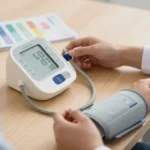
Keeping Blood Pressure in Check Between Doctor Visits in San Antonio

You need clear, practical information when a loved one faces this condition. About 6.2 million people in the U.S. live with the diagnosis, and hospital stays rose sharply between 2013 and 2017.
Early recognition helps you get timely care and can improve quality of life. Knowing what to look for at home lets you act sooner and seek professional support.
Continu Care Home Health supports families across San Antonio with in-home services tailored to each situation. Our team offers compassionate, skilled care that helps you manage daily needs and reduce risk.
In this guide, you will learn practical steps to spot common symptoms and how to connect with local resources. Use this as a starting point to protect your loved ones and plan next steps.
Key Takeaways
- Awareness lets you detect problems earlier and seek timely care.
- Many people live with this condition; hospitalization rates have grown in recent years.
- Recognizing common symptoms at home improves long-term outcomes.
- Continu Care Home Health offers in-home support across San Antonio.
- Acting early and partnering with professionals reduces risk for your family.
This arctcle is not medical advice. Please contact your Doctor before inplementing anythnig covered in this post.
Contact Continu Care Home Health to learn more about in-home care services or to schedule a consultation for yourself or a loved one. Continu Care Home Health proudly serves patients and families throughout San Antonio and surrounding areas with compassionate, professional care delivered in the comfort of home. Contact Information: Continu Care Home Health (210) 734-6166, 3201 Cherry Ridge C319, San Antonio, TX 78230. Call us if you need any help.
Understanding Congestive Heart Failure
Understanding how the heart pumps blood helps you spot changes that matter. This condition occurs when the ventricles cannot move enough blood to meet your body’s oxygen needs.
There are two main types to know. Systolic failure happens when the muscle is too weak to eject adequate blood. Diastolic failure occurs when stiff ventricles cannot fill properly during the cardiac cycle.
- Many people remain symptom-free until the organ remodels and function drops.
- Regular check-ups with your doctor help detect changes earlier.
- Knowing how blood flow is reduced helps you follow treatment and daily care plans.
| Type | Main Problem | Effect on Blood Flow |
|---|---|---|
| Systolic | Weak pumping | Less blood ejected per beat |
| Diastolic | Stiff filling | Lower volume fills between beats |
Takeaway: By learning how this condition affects your organ and circulation, you can follow care plans and get help sooner. Keep routine exams so problems are found before daily function declines.
Recognizing Congestive Heart Failure Warning Signs
Noticing small shifts in breathing, energy, or swelling can be an important cue to act. Learn to spot clear, common symptoms so you can get help in time.
Physical Symptoms
Shortness of breath may happen during activity or when lying flat. This change in how you catch your breath often signals the lungs are under stress.
Persistent coughing or wheezing, sometimes with frothy pink phlegm, also suggests fluid is backing up into the lungs and needs evaluation.
Fluid Retention Indicators
Edema causes swelling in the feet, ankles, and legs. Keep a daily note of any sudden weight gain, which often means your body is holding excess fluid.
Abdominal swelling or tight clothing that suddenly fits poorly are other clues that require prompt attention from your provider.
Fatigue and Cognitive Changes
When the pump can’t move enough oxygenated blood, you may feel persistent fatigue and less able to do normal tasks.
Confusion, poor concentration, and a loss of appetite can follow as the brain and digestive system get less oxygen. If these changes appear, contact your clinician.
- Shortness of breath that worsens over time
- Notable swelling in legs, ankles, or feet
- Sudden weight gain from fluid buildup
- Ongoing fatigue, confusion, or loss of appetite
Risk Factors and Lifestyle Triggers
Your lifestyle and medical history both shape the chances you’ll face progressive heart disease.
Primary medical risks include coronary artery disease, diabetes, obesity, and high blood pressure. Each condition raises the overall risk for developing chronic heart problems over time.
Daily habits also matter. Smoking and diets high in sodium, cholesterol, or saturated fats speed up arterial damage and worsen disease.
- Manage blood pressure—monitor it and follow your clinician’s plan to reduce long-term pressure on the muscle.
- Adopt regular activity and a balanced diet to control weight and lower disease progression.
- Quit smoking and cut sodium and saturated fats to protect arteries and overall health.
- Discuss family history with your provider so genetic risk factors are part of your plan.
Small, steady changes produce big results. If you control weight, blood pressure, and lifestyle triggers, you reduce the chance of serious failure events and improve daily health.
Distinguishing Between Left and Right Sided Failure
Understanding which side struggles helps you recognize specific symptoms and get the right care quickly.
Left Ventricular Impairment
Left ventricular impairment happens when the left chamber cannot pump oxygen-rich blood out to the rest of your body.
This often causes shortness of breath as the lungs fill with fluid. You may feel marked fatigue and reduced exercise tolerance because the muscle cannot meet your body’s oxygen needs.
Right Ventricular Challenges
Right-sided problems commonly follow untreated left-sided issues. When the right chamber weakens, blood backs up in the veins.
That backup leads to swelling in the legs and feet and can cause abdominal discomfort or distention. These systemic effects show how the disease affects the whole body.
- Left side issues primarily affect the lungs and your ability to breathe.
- Right side issues mainly show as fluid retention in the legs, feet, and abdomen.
- Managing the initial left-sided condition reduces the chance of right-sided complications.
| Feature | Left Ventricular | Right Ventricular |
|---|---|---|
| Main problem | Poor pumping to body and lungs | Reduced output to lungs, venous backup |
| Common symptoms | Difficulty breathing, fatigue | Swelling in legs, feet; abdominal fullness |
| Typical cause | Muscle weakness or stiffness | Progression from left-sided impairment |
The Four Stages of Heart Failure Progression
Understanding the four progressive stages helps you and your clinician plan care that fits daily life.
Stage A identifies people at risk due to conditions like high blood pressure or coronary artery disease but with no structural changes yet. You’ll focus on lifestyle measures and risk control to prevent disease.
Stage B means structural changes exist, yet you have no symptoms. Regular monitoring over many years matters so problems are found early.
Stage C involves symptomatic disease. You may notice limitations in activity and daily routines. Treatment aims to improve comfort and reduce hospital visits.
Stage D is advanced, end-stage care when symptoms persist despite optimal therapy and repeated admissions. Goals shift to symptom relief and supportive options.
- NYHA classes complement staging by describing how symptoms limit activity.
- Progression varies—some people remain stable for years with proper care.
- Identifying the stage helps clinicians tailor interventions to improve life and prognosis.
| Stage | Main Feature | Care Focus |
|---|---|---|
| A | At risk, no structural change | Prevention, lifestyle |
| B | Structural disease, no symptoms | Monitoring, medical therapy |
| C | Symptomatic disease | Symptom control, reduce hospital visits |
| D | Advanced, refractory symptoms | Palliative and advanced therapies |
Diagnostic Tests and Medical Evaluations
Accurate diagnosis rests on a mix of blood tests, imaging, and a careful exam by your doctor.

Biomarker Screening
BNP and NT-proBNP are blood markers commonly used to screen for heart failure. These tests help your clinician rule out or confirm a diagnosis quickly.
Along with biomarkers, your provider will take a full history and perform a focused physical exam to assess your overall risk. That information guides which tests come next.
- Electrocardiogram (ECG) to check rhythm and electrical changes.
- Chest X-ray to evaluate lungs and look for fluid buildup.
- Echocardiogram to visualize the heart muscle and pumping ability.
- Spirometry or lung testing when breathing problems suggest pulmonary involvement.
- Medication review to confirm current therapy is effective and safe.
| Test | What it shows | How it guides care |
|---|---|---|
| BNP / NT-proBNP | Blood levels that rise with pressure and fluid overload | Helps confirm suspected heart failure and monitor response to treatment |
| Echocardiogram | Chamber size, valve function, ejection fraction | Directs choice of medications and device or procedural options |
| ECG / Chest X-ray | Rhythm problems; lung fluid or enlargement | Identifies causes and checks for lung involvement |
If tests suggest dysfunction, expect a referral to a cardiologist to define a treatment plan and ongoing care. Regular monitoring keeps your medications and strategy aligned with changing needs.
Treatment Options and Management Strategies
A clear plan helps you control symptoms, lower hospital visits, and feel better each day.
Medications form the backbone of treatment. Diuretics help your body remove extra fluid so the blood volume and swelling drop. Beta blockers slow your heartbeat and can improve muscle function over time.
ACE inhibitors or similar drugs reduce strain on the muscle and support better blood flow. Your doctor will adjust medications as your stage changes and symptoms shift.
- Limit sodium and manage fluids to prevent fluid buildup in the body.
- Device options, like pacemakers or ICDs, address an irregular heartbeat and protect against dangerous rhythms.
- Regular follow-ups let your care team tailor treatments and handle fatigue or appetite loss.
| Approach | What it does | When it’s used |
|---|---|---|
| Diuretics | Remove excess fluid, reduce swelling | When edema or rapid weight gain occurs |
| Beta blockers / ACE inhibitors | Slow rate, lower strain, improve function | Long-term to prevent remodeling and symptoms |
| Device therapy (Pacemaker / ICD) | Stabilize rhythm, prevent sudden events | When irregular heartbeat or high arrhythmia risk exists |
The Role of Cardiac Rehabilitation
Cardiac rehabilitation programs combine supervised exercise, education, and support so you can safely rebuild stamina after a diagnosis of heart failure.
In a typical program, clinicians guide your exercise plan and monitor response. This lets you increase activity without undue risk and improves overall function.
Education sessions teach practical lifestyle changes. You learn about diet, medications, and daily routines that reduce the chance of future hospital visits.
Emotional support is also part of care. Group meetings let people share experience and gain confidence while managing a chronic condition.
| Component | What You Receive | Expected Benefit |
|---|---|---|
| Supervised exercise | Personalized workouts and monitoring | Better stamina and safer activity |
| Education | Nutrition, meds, and self-care guidance | Fewer setbacks and improved adherence |
| Support | Peer groups and counseling | Improved mood and confidence |
Takeaway: Ask your provider about rehab as part of your long-term treatment and care plan. These treatments help you lead a more active, stable life after a diagnosis.
When to Seek Emergency Medical Attention
If you or someone nearby has severe difficulty breathing, gasping, or cannot speak, call 911 immediately. These are dire symptoms that need emergency care now.

If you see sudden weight gain over a day or two, pale or bluish skin, fainting, or loss of consciousness, get urgent help. Rapid fluid buildup can overwhelm the lungs and other organs.
If ankles or feet swell quickly and you feel extreme fatigue, contact your doctor or seek emergency assistance. An irregular heartbeat or a fast racing heartbeat can mean a serious cardiac event.
- Severe shortness of breath at rest — call emergency services now.
- Rapid weight gain or swollen ankles with weakness — seek urgent care.
- Persistent cough when lying down, loss of appetite, or fainting — do not delay medical evaluation.
| Emergency Cue | What to Look For | Immediate Action |
|---|---|---|
| Breathing distress | Gasping, cannot speak in full sentences | Call 911; keep person upright and calm |
| Circulation changes | Pale/blue skin, fainting, irregular heartbeat | Call 911; start CPR if unresponsive and trained |
| Rapid fluid signs | Sudden weight gain, swollen ankles/feet, worsening cough | Go to ER or urgent care; notify your doctor |
Living Well with Chronic Heart Conditions
You can preserve quality of life with small, consistent steps that lower risk and support ongoing care needs.
Commit to lifestyle changes. Managing blood pressure and keeping a healthy weight are foundational. These steps reduce risk and help treatments work better over years.
Stay in close contact with your doctor. Regular visits let you review options and adjust medication or activity as the condition changes.
- Balance nutrition and manage daily fluid intake to prevent swelling and appetite loss.
- Follow a prescribed activity plan to strengthen the cardiac muscle and boost stamina.
- Use family and professional care services to meet evolving needs and reduce caregiver strain.
| Focus Area | Action | Benefit |
|---|---|---|
| Blood pressure | Monitor daily; follow low-sodium plan | Lower pressure eases strain on the organ |
| Weight | Track weight; report sudden gain | Early detection of fluid buildup |
| Care team | Regular doctor visits; rehab when advised | Timely treatment changes; better long-term outcomes |
Remember: Research shows five-year survival is a little over 50%. With steady self-care and good medical support, you improve daily function and life quality.
Conclusion
Simple daily checks and timely care can preserve independence and improve life quality.
You should focus on recognizing changes early, managing high blood pressure, and following your care plan. Attention to diet, activity, and medication helps protect your health and reduce the impact of heart disease and congestive heart conditions.
Keep routine weight and blood pressure checks, stay active within your limits, and talk with your clinician when symptoms shift. These steps give you a better chance to maintain daily function and a fuller life.
This arctcle is not medical advice. Please contact your Doctor before inplementing anythnig covered in this post.
Contact Continu Care Home Health to learn more about in-home care services or to schedule a consultation for yourself or a loved one. Continu Care Home Health proudly serves patients and families throughout San Antonio and surrounding areas with compassionate, professional care delivered in the comfort of home. Contact Information: Continu Care Home Health (210) 734-6166, 3201 Cherry Ridge C319, San Antonio, TX 78230. Call us if you need any help.