
Foley Catheter Care at Home: Preventing Infections Between Nurse Visits

The Home Health Referral Process: What Physicians and Their Staff Should Expect
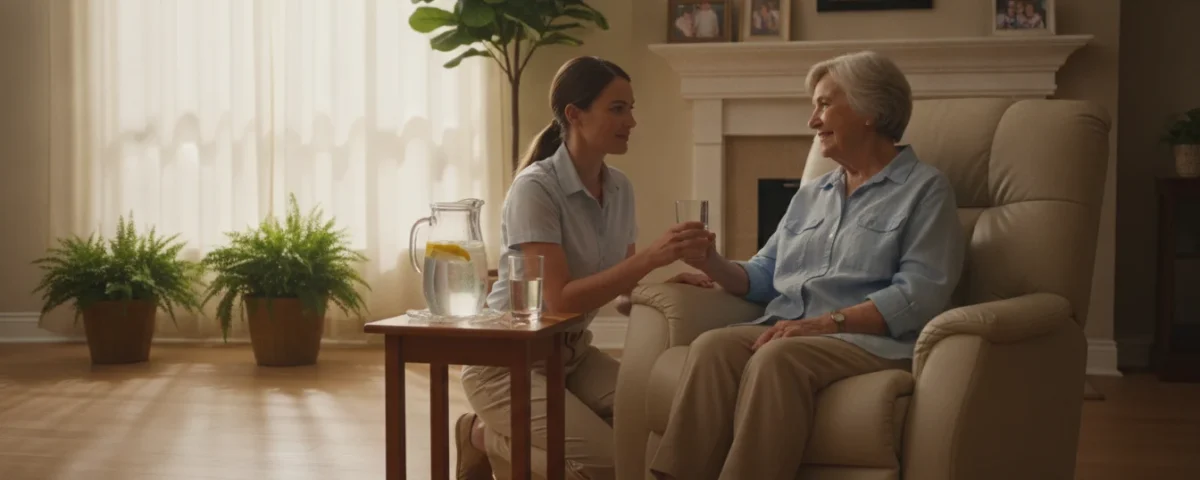
The scorching Texas sun creates special risks for aging adults, especially those with cognitive decline. As temperatures rise, loved ones may miss thirst signals or struggle to control body temperature. Proactive safety measures help prevent heat-related emergencies during these intense months.
Managing dementia care at home requires regular changes to your daily routine. Memory loss can hide overheating signs, making it hard for seniors to explain discomfort. A structured setting and hydration checks can support their independence and well-being.
Continu Care Home Health provides compassionate, professional support for families throughout San Antonio. Our team specializes in helping families navigate these environmental challenges with expert guidance. We are dedicated to keeping your family members cool, safe, and comfortable throughout the summer season.
Key Takeaways
- Texas heat poses severe risks for seniors with cognitive impairments.
- Early recognition of dehydration symptoms is vital for preventing illness.
- Structured daily routines help manage temperature sensitivity effectively.
- Environmental modifications significantly improve safety in living spaces.
- Continu Care Home Health offers professional support for San Antonio families.
Understanding Heat Risks for Seniors
As temperatures rise, knowing seniors’ heat risks is vital for home safety. Aging changes can make it harder for their bodies to cool themselves. With Alzheimer’s home care support, stay alert because cognitive impairments may prevent people from noticing or sharing discomfort.
Why Seniors Are More Vulnerable to Heat
Aging can reduce the body’s ability to sweat and control internal temperature. Some medications affect hydration or the body’s natural cooling systems. Chronic health conditions can worsen heat responses and increase the risk of rapid physical decline.
People living with dementia face extra challenges. They may forget water or fail to change clothes for the weather. Their words may not reveal overheating before a crisis.
Common Heat-Related Illnesses
Heat illnesses range from mild discomfort to life-threatening emergencies. Heat cramps may come first, causing painful muscle spasms. Without care, they may become heat exhaustion, with heavy sweating, weakness, and dizziness.
The most severe form, heat stroke, needs immediate medical care. It happens when the body’s temperature control completely fails. Dehydration often triggers these illnesses, so every caregiver must monitor consistently.
Signs and Symptoms of Heat Stress
Watch for behavior changes, not only physical symptoms. More confusion, irritability, or sudden lethargy may show heat trouble early. Balance problems and flushed skin are physical warning signs that need attention.
Do not wait for a loved one to say they feel hot. Professional Alzheimer’s home care support can help catch subtle behavior changes early. Watching proactively is the best way to prevent heat emergencies in your home.
The Importance of Hydration
Managing daily fluid intake takes a thoughtful, personal approach. Instead of following one water goal, follow a clinician-approved fluid plan for your health needs. This plan supports proper hydration without placing extra strain on your body.
Daily Water Intake Recommendations
Your hydration needs depend on activity, medications, and local weather. Collaborating with your doctor or a Continu Care Home Health professional helps create a schedule for your lifestyle. These experts can identify how much fluid you need to stay safe and energized.
Signs of Dehydration in Seniors
Early signs of dehydration matter for your safety. Watch for dry mouth, dark-colored urine, or persistent dizziness, unusual tiredness, sudden confusion, or less frequent urination.
If you or a loved one has these symptoms, act quickly. Prompt attention can prevent more serious health complications during extreme heat.
Tips for Encouraging Fluid Intake
Caregivers and family members can support your hydration goals. Offer small amounts of water often instead of large amounts at once. Favorite cups and hydrating foods, such as watermelon and cucumber, can make drinking more enjoyable.
Linking fluids to daily routines helps build consistency. Gentle reminders and set schedules also support wandering prevention by easing restlessness from discomfort or unmet needs. Consistent, respectful support from your care team creates a calmer environment and keeps hydration a priority for overall well-being.
Staying Cool Inside the Home
When caring for seniors, take an active role in monitoring the indoor climate. Older adults, especially those receiving dementia care at home, may not sense rising temperatures or explain discomfort clearly. Managing the environment creates a safer, steadier living space.
Optimal Temperature for Comfort
Experts generally recommend keeping indoor temperatures between 68 and 78 degrees Fahrenheit. However, individual needs vary based on health conditions and medication use. Always monitor the thermostat yourself rather than relying on the senior to adjust it, as heat regulation may be compromised.
Using Fans and Air Conditioning Effectively
Air conditioning is the most reliable way to combat extreme heat, but it must be used safely. Continu Care Home Health suggests regular maintenance checks to ensure your cooling equipment operates efficiently throughout the season. When using fans, place them to circulate air without creating tripping hazards.
- Keep electrical cords tucked away against walls to prevent falls.
- Ensure that fans are stable and cannot be easily knocked over.
- Check that air filters are clean to maintain good indoor air quality.
Block Out the Heat with Drapes and Shades
Sunlight streaming through windows can quickly turn a room into a greenhouse. Closing drapes, blinds, or shades during the hottest parts of the day significantly reduces heat buildup inside your home. This simple step helps your air conditioning system work less while keeping the interior temperature steady.
As you adjust the home environment, remember that wandering prevention also connects to your layout. Keep pathways clear of furniture and clutter so the senior can move safely through the house. Proper lighting and a cool, comfortable temperature create a secure sanctuary for your loved ones during the summer months.
Outdoor Safety Tips
Simple outdoor guidelines help loved ones enjoy fresh air safely. For seniors with cognitive challenges, dementia caregiver strategies protect dignity and physical comfort. Planning ahead can turn a stressful outing into a refreshing experience.
Best Times for Outdoor Activities
Plan outings during cooler hours to help prevent heat-related illness. Choose early morning or late evening, when sunlight feels less intense. Consistency is key, so use familiar places to reduce confusion.
- Schedule walks before 10:00 AM.
- Avoid being outside during the peak heat hours of 2:00 PM to 5:00 PM.
- Monitor the local weather forecast for heat advisories before leaving the house.
Protective Clothing Recommendations
Choose clothing that helps keep body temperature stable. Encourage the use of lightweight, breathable fabrics like cotton or linen for better airflow. A wide-brimmed hat and high-quality sunglasses shade the face and eyes.
If your loved one resists extra layers, explain their benefits calmly. Your patience helps them feel safe and willing to cooperate. Make sure clothing fits loosely to prevent skin irritation and overheating.
The Importance of Sunscreen
Applying sunscreen is essential for outdoor safety. Use a broad-spectrum formula with an SPF of at least 30 to protect sensitive skin from harmful UV rays. Make sunscreen part of getting ready to reduce resistance when using dementia caregiver strategies.
Reapply sunscreen every two hours, especially when the senior sweats. Staying vigilant about hydration and fatigue helps keep the activity safe, positive, and dignified.
Recognizing Heat Distress
Heat distress can worsen quickly, so learn to spot danger signs early. Recognizing behavior or health changes helps you act before the situation becomes critical. Effective dementia caregiver strategies help keep the setting calm when a loved one feels unwell.
Identifying Early Signs of Heat Exhaustion
Watch for heavy sweating, weakness, or a sudden, throbbing headache. You may also notice nausea, dizziness, or an unusually rapid pulse. Fatigue that seems out of character and sudden confusion are major red flags requiring immediate attention.
Cognitive challenges can make these symptoms harder to spot. Look for changes in the person’s usual routine or mood. Proactive dementia caregiver strategies, such as offering frequent, simple verbal check-ins, help catch warning signs before they worsen.
How to Respond to Heat Stroke Symptoms
Heat stroke is a life-threatening emergency requiring immediate action. If you suspect heat stroke, call 911 or your local emergency services right away. Signs include altered mental status, fainting, seizures, or hot, dry skin.
While waiting for help, move the person to a cooler, shaded area immediately. Remove excess clothing to help their body temperature drop. Never attempt to give fluids to someone who is unconscious or experiencing a seizure, because this can cause choking.
During these frightening moments, your calm presence can help. Use gentle, reassuring tones and give simple, clear instructions to keep the person comfortable. For ongoing guidance, please contact Continu Care Home Health to learn more about our professional in-home support services.
Creating a Heat Safety Plan
Planning ahead is your best defense against rising temperatures at home. A written plan helps you manage water, cooling needs, and medication schedules. Writing these steps early helps everyone stay calm and ready during extreme weather.
Discussing Plans with Family and Caregivers
Gather family members and professional caregivers to assign clear roles. Decide who checks on the senior, manages transportation, and serves as the main medical contact. Clear communication builds a strong safety plan.
Include Continu Care Home Health in these talks about your in-home care needs. Their expertise can improve your plan and provide caregiver support to keep loved ones comfortable. Professional guidance helps keep the plan strong and effective throughout summer.
Emergency Contacts and Local Resources
List essential contacts, including local emergency numbers and preferred medical facilities. Keep the list somewhere visible, such as on the refrigerator or near the front door. Having this information ready saves precious time during an emergency.
For families facing cognitive challenges, the plan should include wandering prevention strategies. Secure exits, and make sure the senior carries identification at all times. Taking these steps today strengthens your Alzheimer’s home care support, creates a safer environment, and gives families peace of mind.
Nutrition’s Role in Heat Safety
When temperatures rise, your dietary choices become a powerful tool for health and hydration. Good nutrition helps your body control its internal temperature and stay strong under the harsh Texas sun. Choosing foods wisely can greatly reduce the strain caused by extreme weather.
Foods That Hydrate
You do not need to rely solely on drinking water to stay hydrated. Many delicious, water-rich foods provide essential fluids, vital vitamins, and minerals. Adding cucumbers, watermelon, strawberries, and celery to your daily diet is an excellent way to boost intake.
Soups and chilled yogurt are helpful for seniors who struggle to drink large amounts of water. They are easy to digest and offer a refreshing way to cool the body. Prioritizing these hydrating snacks throughout the day helps maintain steady fluid balance.
Importance of Balanced Meals
Heat can reduce appetite, but skipping meals may leave you weak and vulnerable. Balanced meals provide energy for your body’s cooling systems. When caring for a loved one, effective dementia caregiver strategies can make mealtimes easier.
Offer smaller, more frequent portions to avoid overwhelming the individual. Familiar, favorite foods can encourage eating, especially when appetite is low. These thoughtful approaches respect a senior’s choices while providing needed nutrition for safety.
If daily nutrition and hydration become too difficult, contact Continu Care Home Health for professional support. Specialized dementia caregiver strategies can help your loved one stay healthy and comfortable during the hottest months.
The Role of Professional Care
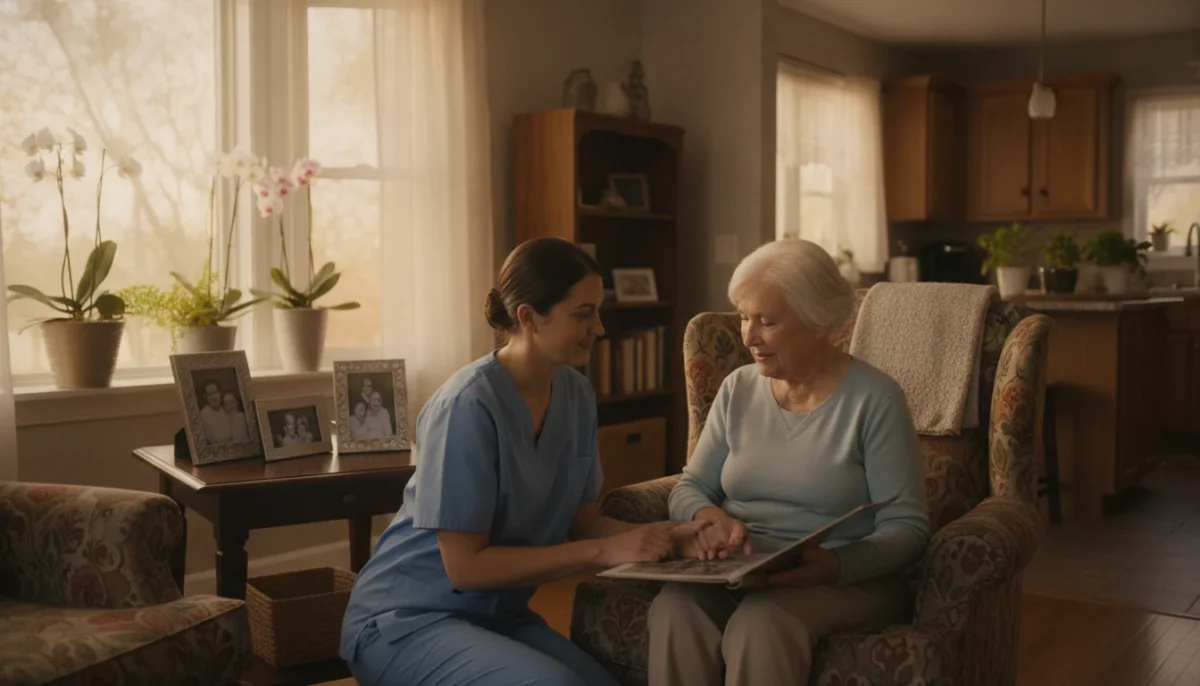
You do not have to manage hot-weather caregiving alone. As temperatures rise, keeping a senior safe can overwhelm family members physically and mentally.
Continu Care Home Health provides compassionate, professional care in your home. Our team can discuss support for you or your loved one during the year’s hottest months.
How In-Home Care Can Help
Professional caregivers provide a safety net through steady monitoring during the day. They offer fluids at regular times, making hydration a priority and helping prevent heat exhaustion.
Caregivers prepare meals so seniors receive balanced nutrition without using a hot stove. They watch for early heat distress, such as confusion or lethargy, and quickly alert family or medical professionals when conditions change.
Personal Care Plans for Hot Weather
Each person has unique needs, especially with dementia care at home. A professional plan considers routines, mobility, and cognitive changes, keeping safety the top priority.
These plans are flexible and can change with each person’s preferences and cooling needs. Specialized dementia care at home helps families keep normal routines while loved ones stay cool and comfortable.
| Service Feature | Family-Only Care | Professional Care |
|---|---|---|
| Hydration Tracking | Occasional | Consistent/Scheduled |
| Heat Symptom Monitoring | Reactive | Proactive/Constant |
| Meal Support | Limited | Nutritional Planning |
| Safety Planning | Informal | Structured/Personalized |
Community Resources and Support
You do not have to manage extreme-temperature risks alone when community safety programs are available. Local organizations offer services that help older adults stay healthy and comfortable throughout summer. These programs supplement existing routines, including specialized Alzheimer’s home care support, and create a complete safety net.
Senior Centers Offering Heat Safety Programs
Senior centers act as vital hubs for heat safety during peak summer. Many facilities operate as designated cooling centers, offering climate-controlled spaces for people without adequate air conditioning at home.
Beyond physical cooling, these centers often organize wellness calls for vulnerable members. They also offer workshops that teach caregivers to identify early signs of heat stress. If you are in the San Antonio area, Continu Care Home Health serves as a valuable local contact for families seeking professional in-home support and safety resources.
Local Government Resources for Seniors
Local government agencies, such as public health departments and emergency management offices, offer tools to protect older adults. Contact your local Area Agency on Aging about transportation to cooling centers or help with utility bills during high-heat months.
The Eldercare Locator is an excellent tool for finding specific services in your community. National and local Alzheimer’s organizations offer education that can strengthen your overall Alzheimer’s home care support strategy. These resources work best in a proactive plan that prioritizes your loved ones’ well-being.
| Resource Type | Primary Benefit | How to Access |
|---|---|---|
| Cooling Centers | Immediate relief from heat | Local Senior Centers |
| Utility Assistance | Financial aid for cooling | Public Health Departments |
| Wellness Checks | Monitoring health status | Area Agencies on Aging |
| Caregiver Education | Safety training | Alzheimer’s Organizations |
Regular Health Check-Ups
Regular medical check-ups help protect seniors during extreme heat. Chronic conditions and rising temperatures can make body temperature harder to control. Consistent monitoring helps catch small changes before they become serious emergencies.
Importance of Medical Monitoring
Your healthcare provider can give advice based on your medical history. During visits, discuss how your health affects your ability to handle heat stress. Effective dementia caregiver strategies help you track health changes and notice sudden shifts in alertness or comfort.
Keep an updated list of your medications and health conditions. Sharing this information helps your medical team create a summer safety plan. Never stop, skip, or change prescribed treatments without asking your doctor, because professional direction protects your safety.
Medications That Affect Heat Sensitivity
Some medications can change how your body responds to high temperatures. Certain drugs may reduce sweating or affect blood pressure and fluid balance. These changes can increase your risk of heat-related illness, even with precautions.
If you care for a loved one, use dementia caregiver strategies to give medications safely and on time. Watch how new prescriptions affect hydration and energy. If concerning symptoms appear, contact your physician immediately about possible care plan changes.
Engaging in Indoor Activities
When temperatures soar, choosing indoor activities protects your health and keeps your mind sharp. You can enjoy a productive, fulfilling day without going outside. Indoor fun helps you stay cool while supporting your physical and mental well-being.
Ideas for Staying Active Inside
You can stay active even in a small space. Gentle movements can keep your joints flexible and your circulation moving. Short, frequent sessions feel easier than one long, hard workout when heat makes you tired.
Try these simple, safe activities to keep your body and mind engaged:
- Gentle chair exercises or light stretching routines.
- Sorting household items or organizing small collections.
- Engaging in creative crafts or reading your favorite books.
- Listening to music or participating in light, familiar household tasks.
The Role of Social Interaction
Social connection supports your health, especially when outdoor activities are limited. Meaningful interaction can ease isolation and offer reassurance during the long summer months. Support can improve your mood and cognitive health.
If you or a loved one manage memory challenges, using effective dementia caregiver strategies is essential. These methods offer choices, prevent overstimulation, and keep daily tasks stress-free. If supervision or companionship becomes hard, professional help from Continu Care Home Health can offer safety and peace of mind.
Using Technology for Safety
Smart devices can add security for seniors who live at home. These tools should always support human observation, not replace it. Continu Care Home Health can help families plan safety routines with technology and supervision.
Mobile Apps for Hydration Reminders
Summer heat makes hydration vital, but people can forget to drink enough water. Simple mobile apps send automated notifications to smartphones or tablets throughout the day. These gentle reminders help your loved one maintain healthy fluid levels.
Many platforms also offer medication alerts. These reminders lower the risk of missed doses, which matters when certain prescriptions increase heat sensitivity. Choose user-friendly interfaces so technology helps instead of causing frustration.
Emergency Alert Systems
Modern safety systems offer more than basic alarms. Wearable emergency buttons let seniors call for help after a fall or sudden heat distress. Smart thermostats and motion sensors give caregivers real-time data, helping keep the home cool and safe.
For families concerned about safety, location-sharing tools and door sensors support wandering prevention. They offer peace of mind when confusion grows during extreme heat or changes in daily routine. Test all alerts regularly, and explain their use patiently and carefully to your loved one.
| Technology Type | Primary Benefit | Safety Focus |
|---|---|---|
| Wearable Buttons | Instant Assistance | Fall & Heat Distress |
| Door Sensors | Alerts for Exits | Wandering prevention |
| Smart Thermostats | Climate Control | Heat Stroke Avoidance |
| Hydration Apps | Consistent Intake | Dehydration Prevention |
Communicating with Your Doctor
Proactive medical visits support effective summer safety planning. Before using new cooling methods or changing the diet, speak with a healthcare professional. This confirms the changes are safe for your specific health profile.
This matters especially when using dementia caregiver strategies. Cognitive changes may hide early signs of heat distress. Always check that changes to hydration or activity match advice from the individual’s primary care physician.
Preparing for Your Appointment
Arrive prepared with a clear summary of the person’s recent health status. Bring a current list of all medications. Some prescriptions can increase heat sensitivity or affect the body’s ability to control heat.
Record recent behavior changes, sleep patterns, and confusion. If the person has had falls or dizziness, give your doctor exact dates and details.
Discussing Heat Safety Measures
During your visit, ask specific questions about fluid intake, especially with existing medical restrictions. Ask which symptoms require an immediate office call or a trip to the emergency room.
Effective dementia caregiver strategies often include home changes that prevent heat-related illness. Discuss indoor temperature control and ask how to spot subtle heat exhaustion signs that might be missed.
| Category | Information to Provide | Questions to Ask |
|---|---|---|
| Medications | Complete current list | Do these increase heat risk? |
| Hydration | Daily fluid intake logs | Are there fluid restrictions? |
| Symptoms | Records of confusion/falls | When is emergency care needed? |
| Environment | Typical indoor temperatures | What is the ideal target range? |
Planning for Power Outages
When a heatwave causes a power outage, a solid plan can protect your family from distress. Without air conditioning, indoor temperatures can rise quickly and threaten vulnerable people. Prepare now so you can act quickly if the power grid fails.
Creating an Emergency Kit
A well-stocked emergency kit can protect your family when electricity is unavailable. Keep the kit in an easy-to-reach place. Make sure every family member knows where to find it.
Your kit should contain these essential items for health and comfort:
- Hydration supplies: At least one gallon of water per person per day.
- Medical essentials: A list of current medications, copies of prescriptions, and a basic first-aid kit.
- Power and light: Extra batteries, flashlights, and portable phone chargers.
- Comfort items: Cooling towels, a manual thermometer, and shelf-stable, easy-to-eat foods.
- Identification: Important contact numbers and medical history documents in a waterproof bag.
Alternative Cooling Methods
If air conditioning stops, use other ways to lower body temperature. Use battery-operated fans for airflow, and place cool, damp cloths on the neck, wrists, and forehead. Stay on the lowest, shadiest level of your home to avoid the worst afternoon heat.
For people managing dementia care at home, a power outage can feel especially confusing. Keep familiar routines and offer calm, direct supervision for wandering prevention during this stressful time. If the indoor temperature becomes unsafe, move to a designated cooling center or a friend’s home with power.
Emergency planning takes careful thought and professional insight. We encourage you to contact Continu Care Home Health about our in-home care planning. Discuss how it can support your loved one’s safety during severe weather or unexpected power interruptions.
Involving Friends and Family
A reliable support system helps keep senior family members safe all summer. Sharing care duties lowers the risk of heat-related emergencies. Collaborative care creates a safety net when temperatures rise.
Encouraging Regular Check-Ins
A regular communication schedule is vital for seniors who live alone. Arrange daily phone calls or video chats to check their well-being and hydration. If you live far away, ask a trusted neighbor for a quick daily wellness check.
These interactions can reveal small changes in behavior or physical health. If your loved one needs special attention, professional Alzheimer’s home care support provides steady monitoring for cognitive challenges. Trained professionals can spot early distress signs that family members may miss.
Organizing a Care Network
A written care plan helps everyone understand their duties during a heatwave. Define who checks indoor temperatures, encourages water intake, and handles rides to appointments. This plan keeps important tasks from being missed.
Family members in other cities can manage supply deliveries or coordinate medical appointments. Sharing these tasks prevents caregiver burnout and gives your loved one complete attention. For extra assistance, respite, or dependable in-home support, contact Continu Care Home Health to discuss your options.
| Care Task | Primary Responsibility | Frequency |
|---|---|---|
| Hydration Monitoring | In-home caregiver | Daily |
| Temperature Checks | Family member/Neighbor | Twice daily |
| Errands & Supplies | Remote family member | Weekly |
| Medical Appointments | Professional support | As needed |
Professional Alzheimer’s home care support helps keep your loved one safe and comfortable on the hottest days. A well-organized network offers peace of mind because your family is never truly alone.
Conclusion: Staying Safe This Summer
Managing summer temperatures takes planning to protect the health and safety of older family members. Prioritize hydration, cool indoor spaces, and medication checks to reduce heat-related risks.
Essential Safety Reminders
Effective dementia care at home balances safety with dignity and familiar daily routines. Maintain regular social connections and watch for physical changes during the hottest months.
When caregiving demands exceed your capacity, professional Alzheimer’s home care support offers relief and skilled help. Community resources and expert assistance help loved ones stay comfortable and secure throughout the season.
This article is not medical advice. Please contact your doctor before using anything covered in this post.
Contact Continu Care Home Health to learn about in-home care or schedule a consultation for yourself or a loved one. Continu Care Home Health proudly serves patients and families throughout San Antonio and surrounding areas with compassionate, professional home care. Call us at (210) 734-6166 or visit 3201 Cherry Ridge C319, San Antonio, TX 78230, if you need any help.