
Texas Summer Heat and Seniors: Preventing Dehydration and Heat Illness at Home

A Discharge Planner’s Guide to Safer Home Transitions
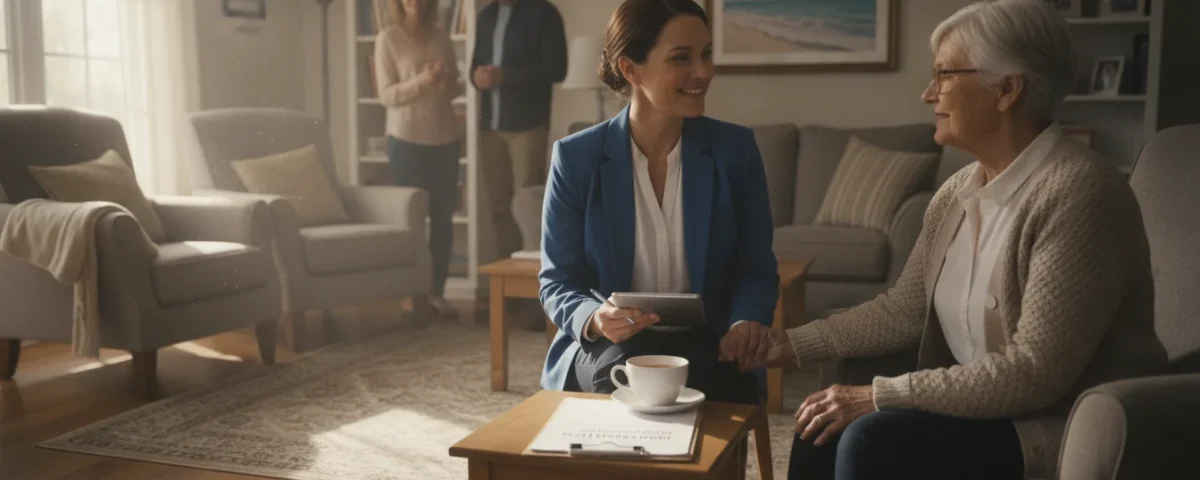
Moving from a clinical setting to home recovery is a critical phase for your patients. Nearly one in five individuals may return to care within a month of discharge, creating major health and financial burdens. Prioritizing continuity of care is essential for long-term success and for preventing hospital readmission.
Continu Care Home Health serves the San Antonio area with compassionate, professional support tailored to individual needs. We focus on preventing hospital readmission through proactive transitional support and dedicated physician follow-up.
Caregiver education and skilled clinical oversight help patients recover safely at home. Our team extends your practice, ensuring every recovery plan is followed with precision and care.
Key Takeaways
- Effective transitions are vital for reducing the risk of returning to acute care settings.
- Approximately 20% of patients face complications shortly after discharge.
- Continu Care Home Health provides specialized support for patients in the San Antonio region.
- Physician-led follow-up and caregiver training are core components of our service model.
- Our goal is to improve patient outcomes while supporting your clinical workflow.
Understanding the Home Health Referral Process
After leaving the hospital, patients often begin recovery with professional home health support. The first days at home can confuse and challenge patients and families.
Continu Care Home Health helps families choose and arrange services after discharge. By focusing on 30-day readmission prevention, these services provide the right care at home.
Definition of Home Health Care
Home health care provides many types of skilled medical services in a patient’s home. These services treat illness or injury under a physician’s supervision.
Unlike general home care, which offers companionship, home health care uses licensed professionals. Registered nurses, physical therapists, and occupational therapists work together to improve patient health outcomes.
Importance for Patients
Care at home lets patients recover in a familiar, comfortable setting. This setting often lowers stress, which can significantly speed healing.
Professional oversight can find complications before they become emergencies. Home health agencies use regular monitoring to help patients manage conditions while keeping their independence.
Role of Physicians in the Process
Physicians and case managers design the recovery plan. They identify patients who need skilled support and start referrals for continued care.
Their involvement supports 30-day readmission prevention. Physicians coordinate follow-up care and patient education, making the move home safe and smooth.
| Care Aspect | Hospital Discharge | Home Health Support |
|---|---|---|
| Environment | Clinical Setting | Patient’s Home |
| Monitoring | Constant/Acute | Scheduled/Skilled |
| Primary Goal | Stabilization | Recovery & Independence |
| Coordination | Hospital Staff | Physician & Agency |
Key Steps in the Referral Process
The referral process links clinical care with recovery at home. Starting early helps ensure that post-discharge follow-up care is smooth and effective. Continu Care Home Health helps families understand referrals and prepare for in-home care consultations, reducing readmission risk.
Initial Patient Assessment
Before discharge, a thorough assessment is essential for identifying each patient’s needs. Document functional limits, medication needs, and symptoms that require monitoring. Assess caregiver availability and home safety concerns to build a realistic recovery plan.
Determining Eligibility
Home health eligibility usually requires patients to be homebound and need skilled nursing or therapy. Physicians must confirm that patients need intermittent care to maintain their health. This step supports post-discharge follow-up care and provides proper support after patients return home.
Completing Referral Forms
Accurate records support a successful referral. Include clinical notes, insurance details, and physician orders in the referral paperwork. Complete information helps agencies act quickly and maintain continuity of care during the vulnerable period after discharge.
| Requirement Category | Key Documentation | Primary Goal |
|---|---|---|
| Clinical Status | Diagnosis and Symptoms | Establish Medical Necessity |
| Functional Needs | Mobility and ADL Status | Determine Care Intensity |
| Safety Assessment | Home Environment Review | Prevent Future Injuries |
| Medication Plan | Current Drug List | Ensure Safe Administration |
These steps create a foundation for high-quality post-discharge follow-up care. Preparation reduces delays and helps patients feel confident returning to daily routines.
Documentation Required for Referrals
A complete referral packet prepares patients for effective post-discharge care. Accurate clinical data supports preventing hospital readmission and a smooth transition to home health.
Necessary Paperwork
A complete referral package must include detailed clinical records, current medication lists, and thorough discharge summaries. These documents give the home health agency the critical context needed to manage complex conditions safely at home.
Including family caregivers in this process helps them reinforce your instructions. This teamwork supports preventing hospital readmission because families often notice subtle symptom changes first.
Insurance and Billing Information
Clear insurance and billing details help prevent delays when services begin. Verify that all primary and secondary coverage information is current before sending the referral.
Continu Care Home Health helps patients and families answer service questions and manage financial requirements. Sharing this information early lets the agency verify benefits quickly, so care begins without unnecessary gaps.
Patient Consent
Formal patient consent protects individual rights and ensures legal compliance. It confirms that patients understand the services and agree to the proposed care plan.
When patients and families understand the plan, they are more likely to follow it and help with preventing hospital readmission. For questions about consultation or next steps for a specific patient, Continu Care Home Health provides guidance and support.
Communicating with Home Health Agencies
Reliable communication with home health partners can improve patient outcomes. When your office and agency work together, patients move smoothly from clinic to home. This teamwork supports 30-day readmission prevention and long-term health success.
Choosing the Right Agency
Choose a partner that follows your clinical standards to protect patient safety. For physicians serving the San Antonio area, Continu Care Home Health is a reliable choice. They provide compassionate, professional care in the patient’s home.
Look for agencies that value transparency and quick responses. A quality agency will support each patient’s recovery goals. Consistent communication keeps everyone informed about the patient’s status.
Best Practices for Communication
Confirm agency availability and visit times as soon as you make a referral. Clearly define clinical duties to prevent confusion during care. Early protocols help your team focus on 30-day readmission prevention by finding issues before they worsen.
Share complete patient information with the agency. Include medication lists, recent lab results, and specific recovery milestones. Clear documentation supports every successful home health visit.
Establishing Clear Expectations
Before services begin, name the main contacts for your office and the agency. Establish formal steps for responding when a patient’s condition changes unexpectedly. These steps support 30-day readmission prevention and high care standards.
These expectations empower the home health team to serve as your eyes and ears in the field. Proactive coordination helps you adjust care plans quickly using real-time observations. This partnership leads to better health outcomes for your patients.
Coordinating Care with Home Health Providers
Building a bridge between clinical care and the home environment supports better health outcomes for your patients. Partnering with a reliable agency like Continu Care Home Health gives you a dedicated team for post-discharge follow-up care. The team provides coordinated in-home care for patients and families throughout San Antonio and nearby communities.
Developing a Comprehensive Care Plan
A successful transition starts with a tailored care plan for each person’s specific needs. Your team and home health staff must collaborate to document essential details, including current diagnoses, medication regimens, and mobility limitations.
The plan should also cover nutritional requirements, home safety assessments, and the ability of family caregivers to help. These factors create a robust framework that promotes stability and patient independence at home.
Ongoing Communication
Clear, consistent communication forms the backbone of effective care management. Nurses and other clinical professionals provide timely updates about changes in the patient’s condition.
This information helps you adjust treatment protocols quickly and make informed decisions. Open dialogue keeps everyone aligned with the primary health goals from the initial assessment.
Monitoring Patient Progress
Consistent post-discharge follow-up care is vital for identifying potential complications before they become emergencies. By tracking recovery milestones, your team can address minor issues early and significantly reduce avoidable hospital returns.
Regular documentation of patient progress provides the data needed to evaluate the current plan’s effectiveness. Prioritizing high-quality post-discharge follow-up care supports a safer, more efficient recovery for every patient under your supervision.
Addressing Common Challenges in Referrals
Home health referrals can challenge busy medical practices. Incomplete information or delayed insurance authorizations can disrupt the entire care transition. These problems may cause missed appointments, medication errors, and untreated symptoms that threaten recovery.
Proactive management supports preventing hospital readmission and timely patient support. Finding bottlenecks early can simplify work and lower the risk of preventable complications. Contact Continu Care Home Health if your team needs guidance through these options and a professional consultation.
Navigating Insurance Issues
Insurance delays are common obstacles in the referral process. Incomplete documents often lead to requests for more information, which can greatly delay approval. Ensuring all clinical notes are thorough and up-to-date before submission is the best way to avoid these administrative setbacks.
Managing Patient Expectations
Patients and families may feel overwhelmed when moving to home care. Ease this burden with clear, plain-language education about what to expect from the agency. Setting realistic goals early helps families feel confident and ready for recovery at home.
Overcoming Communication Barriers
Effective 30-day readmission prevention depends on seamless communication among your office, the home health agency, and the patient. Clear responsibility assignments ensure each task stays covered during the handoff. Consistent follow-up and early escalation of concerns help maintain care continuity and improve long-term health outcomes.
Ensuring Compliance with Regulations
Healthcare regulations guide every medical practice. Outdated referral habits can create legal risks and gaps in patient care. Check current rules often to keep your office’s practice standards high.
Federal Guidelines for Home Health Care
Federal standards from the Centers for Medicare & Medicaid Services (CMS) set basic rules for home health operations. These Conditions of Participation require agencies to provide safe, effective, high-quality services to all beneficiaries. Your referral process must follow these mandates, so patients receive covered services without delays.
State-Specific Regulations
States may add licensing and operating requirements beyond federal oversight. These laws can shape how agencies accept referrals and manage patient intake. Staying informed about your state’s rules helps prevent delays during a patient’s move to home care.
Importance of Documentation
Accurate documentation supports a compliant referral. Record patient needs, clinical risks, and specific orders clearly for the agency. This detail supports 30-day readmission prevention by preparing providers to manage complex conditions after discharge.
Continu Care Home Health can help families and providers ask informed questions about these requirements. Regular consultations can streamline care coordination and confirm that every regulatory box is checked. Precise documentation supports 30-day readmission prevention by reducing errors during the critical post-acute transition.
Educating Patients about Home Health Care
The right knowledge helps patients recover successfully at home. Understanding your treatment plan makes you an active part of your healing. This approach to post-discharge follow-up care helps you feel confident and safe at home.
What Patients Need to Know
Your recovery depends on clear expectations for your daily routine. Learn about scheduled visits, medication management, and safety protocols in your home. Recognizing early warning signs helps you seek care before a minor issue becomes serious.
- Medication adherence: Keep an updated list of all prescriptions and dosages.
- Safety checks: Remove tripping hazards to prevent falls.
- Communication: Know exactly who to call if you experience unexpected symptoms.
Discussing Options with Family Members
Talk honestly with loved ones about your caregiving needs. Family members often want to help, but may not see the physical and emotional toll of long-term support. Open dialogue helps prevent caregiver burnout, depression, and unnecessary stress.
Realistically assess your family’s ability to help with daily tasks. If demands exceed what relatives can provide, seek professional support. Recognizing these limits early shows strength, not failure.
Resources for Additional Information
You do not have to manage home health care alone. For help evaluating your specific needs or planning a professional consultation, contact Continu Care Home Health. Our team provides guidance for high-quality post-discharge follow-up care.
We encourage you and your family to contact us whenever questions arise about your recovery path. Finding the right resources early can improve long-term health outcomes. Your peace of mind is our priority as we support your independence.
Utilizing Technology in the Referral Process
Digital tools can greatly improve your referral workflow. Modern healthcare systems use connected tools to move patient data securely and accurately between providers. These strategies support preventing hospital readmission for your patients.
Electronic Health Records
Electronic Health Records (EHRs) form the backbone of efficient patient transitions. Integrated EHR systems send discharge summaries and clinical notes to home health agencies instantly. This seamless exchange of information lowers errors caused by manual paperwork.
Standardized digital forms in your EHR check that all eligibility criteria are met before sending a referral. This precision helps agencies prepare the right equipment and staff for the patient’s arrival. Accurate documentation starts a successful recovery at home.
Telehealth Options
Telehealth platforms extend clinical care beyond office walls. They allow real-time monitoring of symptoms and vital signs after patients return home. Early action is essential for preventing hospital readmission.
Many patients feel safer when their physician reviews progress remotely. Consistent monitoring through telehealth keeps care plans effective and responsive to changing patient needs. It connects clinical oversight with daily home life.
Streamlining Communication
Effective communication supports a high-quality referral process. Secure messaging platforms and shared digital dashboards help staff coordinate with home health providers. Efficient teamwork lets them address concerns before emergencies develop.
For families seeking coordinated, professional care at home, resources like Continu Care Home Health offer reliable support. Adding these services to your digital workflow keeps everyone informed. This proven approach supports preventing hospital readmission and improving long-term health outcomes.
Enhancing the Referral Process with Team Collaboration
You can improve patient outcomes by adding different professional views to the referral process. When your office works with a dedicated team, each part of recovery receives attention before patients leave the clinical setting.
Involvement of Multidisciplinary Teams
An effective referral brings together experts who work as one. Physicians, therapists, case managers, and caregivers create a holistic support system for patients.
- Physicians provide the medical oversight and diagnosis.
- Therapists focus on physical and occupational rehabilitation goals.
- Case Managers ensure that all services align with the patient’s insurance and long-term needs.
Role of Nursing Staff
Your nursing staff acts as the eyes and ears of the clinical transition. Nurses watch for subtle clinical changes that might go unnoticed during recovery.
With a focus on 30-day readmission prevention, nurses find possible complications early. This proactive care gives patients the right help at the right time and keeps them safe at home.
Collaboration with Social Workers
Social workers remove non-clinical barriers that can slow recovery. They check the home to ensure it is safe and easy for the patient to use.
Continu Care Home Health supports patients and families across San Antonio and nearby areas with compassionate in-home care. Its social workers assist with:
- Securing necessary community resources and support services.
- Coordinating reliable transportation for follow-up appointments.
- Evaluating the availability of family caregivers to assist with daily tasks.
This teamwork supports 30-day readmission prevention. Meeting these practical needs creates a stable foundation for recovery. It lets patients focus on their health and healing.
Evaluating Home Health Providers
Choosing a home health provider affects the care patients receive after leaving the hospital. Choose a partner skilled in post-discharge follow-up care to help lower readmissions and improve health outcomes.
Assessing Quality of Care
When evaluating an agency, review its staffing ratios and communication standards. A quality provider should show consistent response times and clear care coordination protocols. Make sure the agency can adjust its service scope as your patient’s clinical needs change during recovery.
Importance of Patient Reviews
Patient reviews reveal what care feels like in a home setting. Reviews show an agency’s reputation, but ask how it handles concerns. Its feedback process can show its commitment to patient satisfaction.
Continuous Improvement Practices
The best agencies pursue continuous improvement by measuring clinical outcomes. Ask potential partners how they track progress and use data to adjust their post-discharge follow-up care strategies. For professional in-home care in San Antonio and surrounding areas, Continu Care Home Health shows its commitment to these strict standards.
| Evaluation Metric | Standard Agency | Continu Care Home Health |
|---|---|---|
| Response Time | Standard | Rapid/Proactive |
| Care Coordination | Basic | Comprehensive |
| Outcome Tracking | Minimal | Data-Driven |
| Patient Feedback | Reactive | Proactive Improvement |
Understanding Payment Models for Home Health Care
Planning home health care costs helps ensure your loved one receives steady support. Clear communication about costs helps families maintain post-discharge follow-up care without unexpected financial strain.
Medicare Coverage
Medicare typically covers home health services when patients meet specific eligibility requirements. Patients must receive physician care and need intermittent skilled nursing or therapy services. They must also be homebound to qualify.
Verify that your chosen agency is Medicare-certified. This certification helps ensure your post-discharge follow-up care meets federal quality standards. Confirm your coverage details with your provider before services begin.
Medicaid and Other Insurance Plans
Medicaid programs vary by state and often cover people meeting income and asset limits. Many private insurance plans also offer home health benefits, but coverage depends on policy terms.
Contact your insurance carrier directly to request formal benefits verification. Learning authorization requirements early can prevent delays in needed medical support at home.
Out-of-Pocket Expenses
Even with insurance, some patients may pay deductibles or copayments. Knowing these possible costs helps you plan for your post-discharge follow-up care needs.
Contact our team with questions about coverage or help with financial details. Reach Continu Care Home Health at (210) 734-6166 for professional guidance and consultations regarding your in-home care options.
| Payment Type | Primary Focus | Action Required |
|---|---|---|
| Medicare | Skilled medical needs | Verify homebound status |
| Private Insurance | Policy-specific benefits | Obtain prior authorization |
| Out-of-Pocket | Deductibles/Copays | Review financial agreement |
The Importance of Follow-Up
Better health does not end when a patient leaves your office. Consistent follow-up helps protect patients and support long-term recovery. By staying engaged, you help with preventing hospital readmission and support recovery at home.
Scheduling Regular Check-Ins
Regular check-ins let you spot problems before minor issues become emergencies. Appointments should cover medication adherence, symptom tracking, and new physical limits. A routine can reveal confusion or infection early.
Check-ins should also address transportation needs and home safety. A predictable schedule helps patients feel supported and confident in their care journey.
Adjusting Care Plans as Needed
Patient needs often change during recovery or while managing chronic conditions. Be ready to change care plans using current data and feedback from the home health team. Flexibility keeps support matched to the patient’s current health status.
Timely changes help prevent service gaps that may harm a patient’s health. Review progress reports often so you can make informed decisions and keep patients on track.
Keeping Open Lines of Communication
Success depends on clear, ongoing dialogue among physicians, families, and home health agencies. When everyone stays informed, care becomes easier to coordinate. This teamwork helps with preventing hospital readmission and improving outcomes.
If you or a loved one needs professional support, contact Continu Care Home Health today. We can help schedule a consultation and discuss your specific in-home care needs.
| Focus Area | Action Required | Expected Outcome |
|---|---|---|
| Symptom Monitoring | Daily check-ins | Early intervention |
| Medication Review | Weekly verification | Improved compliance |
| Care Plan Updates | Monthly assessment | Optimized recovery |
| Communication | Real-time reporting | Reduced readmissions |
Gathering Feedback from Patients and Families

Patients’ lived experiences reveal how effective your care delivery is. Listening to patients keeps post-discharge follow-up care focused on their needs and preferences. Continu Care Home Health values this compassionate, professional service and urges families to share questions or concerns with care teams.
Importance of Patient Experience
Patient experience shows how well your agency meets clinical and emotional goals. Patients who feel heard often follow treatment plans and medication schedules. This active participation builds trust and helps support recovery at home.
Methods for Collecting Feedback
Agencies should use several ways to gather honest feedback from patients and caregivers. This approach captures different views from patients and their primary caregivers.
- Follow-up calls: Conduct structured interviews shortly after a visit to gauge satisfaction.
- Care conferences: Hold regular meetings with family members to discuss progress and address concerns.
- Patient surveys: Utilize standardized forms to track satisfaction trends over time.
- Caregiver observations: Encourage staff to document non-verbal cues and environmental challenges during home visits.
Using Feedback to Improve Services
After collecting data, turn it into practical improvements. Comments may reveal barriers involving transportation, medication management, or safety at home. Finding these gaps early helps refine processes and better support patients.
Using these insights supports 30-day readmission prevention. Address specific problems, such as scheduling conflicts or communication gaps, to significantly reduce complication risks. Ultimately, using feedback to improve services helps every patient receive the highest standard of care.
Conclusion: The Value of Home Health Care
Effective home health care combines clinical expertise with patient-centered support. Clear communication and regular follow-up help you play a key role in preventing hospital readmission for your patients.
Improving Patient Outcomes
Timely referrals and coordinated care plans help seniors remain independent in their homes. This proactive care supports better health outcomes and improves quality of life for families managing complex medical needs.
Support for Your Practice
Continu Care Home Health remains dedicated to professional, compassionate services for patients throughout San Antonio and the surrounding areas. Our team works closely with physicians, so each patient receives the care needed for recovery.
If you need help with a referral or want to learn more about our in-home services, call us at (210) 734-6166. You are welcome to visit our office at 3201 Cherry Ridge C319, San Antonio, TX 78230. You can schedule a consultation for yourself or a loved one.
This article is not medical advice. Please contact your Doctor before implementing anything covered in this post.