A Safer Home, A More Confident You

Independence Looks Beautiful at Any Age
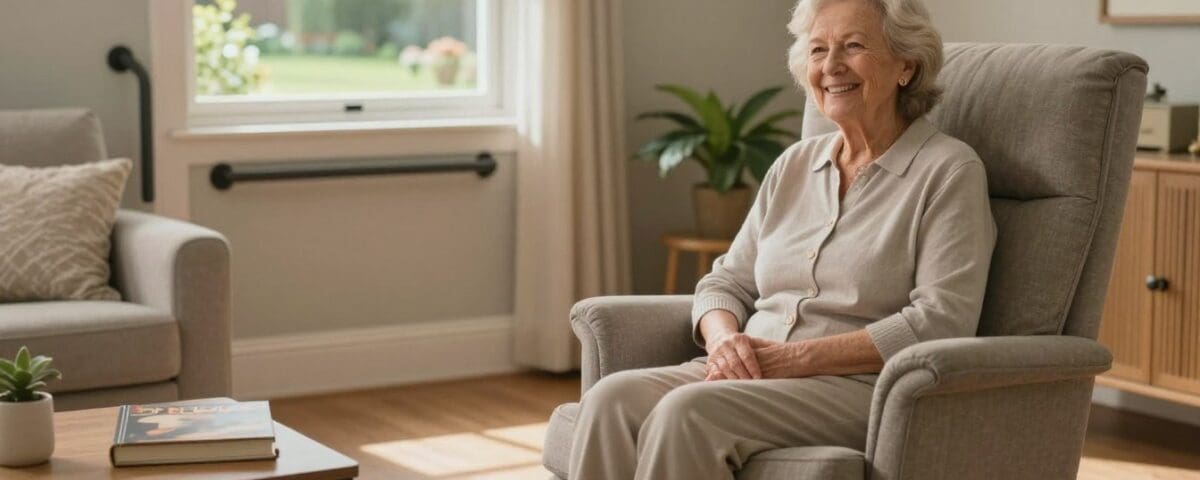
Creating a secure environment is vital for seniors who wish to keep their independence. Staying in your own home allows you to remain close to cherished memories while maintaining a high quality life.
As you focus on aging in place, even small changes can prevent accidents and boost your daily life satisfaction. Making your surroundings more accessible is a key part of long-term health and personal dignity.
Implementing strong home safety measures does more than just stop falls. It builds confidence and ensures you can enjoy your routine with total peace of mind through effective safety steps.
Professional care from experts like Continu Care Home Health helps you manage these transitions smoothly. This guide offers practical steps to help seniors protect their independence and stay in place throughout San Antonio.
Key Takeaways
- Prioritize a secure living area to boost daily confidence.
- Small modifications significantly improve the long-term well-being of older adults.
- Proper support ensures dignity while staying in a familiar setting.
- Focus on common hazards to create a stress-free living space.
- Professional resources complement your efforts for family peace of mind.
- Proactive steps reduce risks and support long-term health goals.
Why Home Safety Matters for Seniors in San Antonio
Protecting your well-loved space starts with recognizing the hidden dangers that often go unnoticed by the untrained eye. Your personal safety is a priority as you plan to age in place comfortably.
The Alarming Statistics on Senior Falls
The American Occupational Therapy Association reports that falls within the home frequently cause injuries to older adults. In 2012 alone, approximately 3.2 million older adults received medical treatment for a fall incident.
These risk falls often lead to decreased independence and a heightened need for long-term care support. Such unfortunate events also increase the risk of mortality and result in extended hospital stays.
| Impact Category | Annual Statistics | Primary Concern |
|---|---|---|
| Medical Treatment | 3.2 Million Adults | Severe injuries |
| Common Location | Private home environments | Accidental fall |
| Major Outcome | Loss of Independence | Safety falls |
How Home Safety Assessments Prevent Injuries and Save Lives
The good news is that most accidents are preventable through environmental modifications and increased awareness. Professional fall prevention strategies significantly improve quality of life for seniors in their own homes.
Comprehensive evaluations identify specific risk factors unique to your living environment. Experts provide tailored recommendations that address your individual mobility limitations and safety needs.
- Early intervention identifies common risk falls before they lead to injuries.
- Proactive prevention efforts reduce healthcare costs and provide families with peace of mind.
- Safety assessments help you maintain a high quality of life while living in the home you love.
Taking these steps ensures you can continue aging successfully with the support you deserve. Professional safety checks are the foundation of a secure and independent future.
What is a Home Safety Assessment San Antonio Residents Should Know
Understanding what a home safety assessment San Antonio families trust involves more than a simple walkthrough. It is a thorough assessment of your living space to ensure every corner supports your health. This home safety assessment identifies safety hazards that might cause accidents or limit your daily freedom.
Professional Occupational Therapy Evaluations
Occupational therapists usually conduct a professional safety assessment. These experts understand how your physical needs interact with your surroundings. They focus on improving your independence while significantly reducing the risk of dangerous falls through a clinical safety lens.
After the evaluation, you receive a detailed report with specific recommendations. These suggestions often include home modifications or new strategies for daily tasks. Experts tailor these home modifications to your specific mobility levels, ensuring the modifications provide long-term benefits.
The 240-Point Comprehensive Safety Review
The gold standard for a home safety assessment is a 240-point review. This safety assessment covers everything from the exterior entryways to the laundry room and garage. The reviewer examines every area of the home during this deep-dive assessment.
The process evaluates your lighting, fire systems, and electrical components. It also looks at high-risk areas like the kitchen and dining room in your home. This meticulous assessment ensures that your safety remains the top priority in every single room.
DIY Safety Checks You Can Start Today
While a professional home safety assessment is best, you can start with small checks today. Look for loose rugs or poor lighting that might create a safety hazard in your home. These quick steps help you stay proactive while you wait for a formal evaluation.
Remember that every home is unique, and your needs will change over time. A professional report provides the roadmap for long-term security. Implementing these recommendations allows you to age in place with confidence and peace of mind.
Step 1: Assessing and Securing Living Areas and Hallways
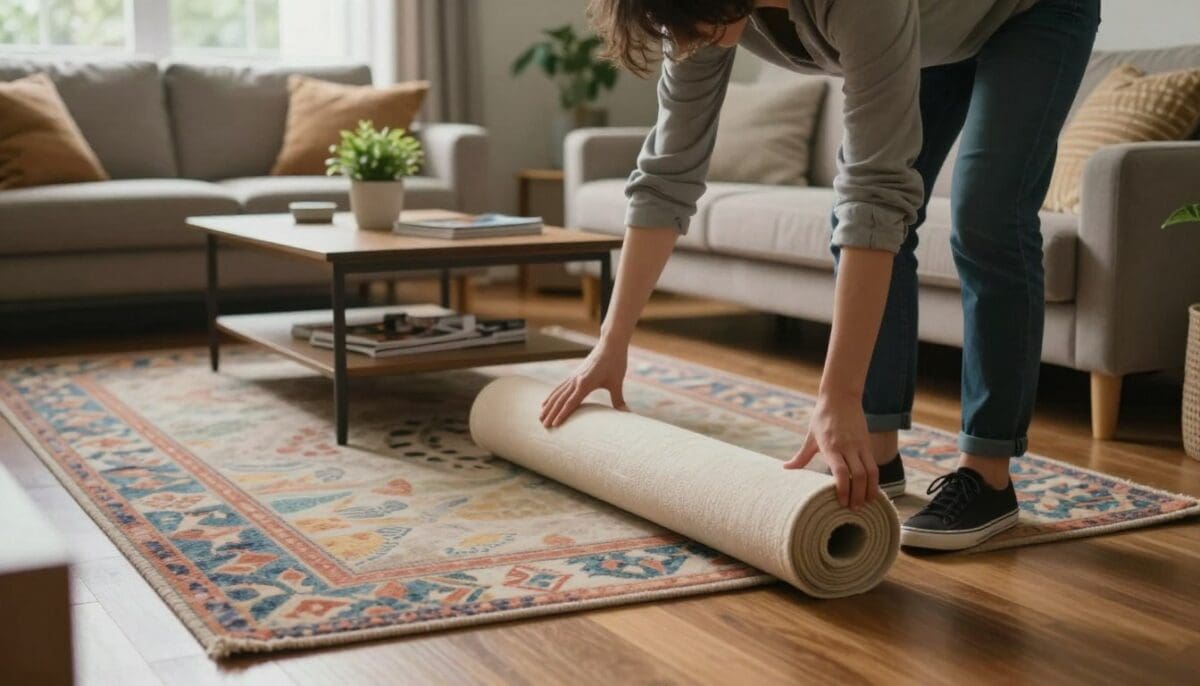
Securing your hallways and living rooms is the first move toward a fall-free home environment. By focusing on these high-traffic spots, you create a foundation for senior safety that protects everyone in the house.
Small changes in each area often lead to the biggest improvements in daily life. Start with a room-by-room walk-through to see your space from a new perspective.
Removing Clutter and Tripping Hazards from Floors
Look at the floor in each room to ensure you have a clear path. Remove items like stacks of books, shoes, or pet toys to reduce tripping hazards immediately.
A wide, unobstructed walkway is vital for your home safety. Ensure the path is broad enough to accommodate a walker or wheelchair if necessary.
Securing Throw Rugs and Managing Electrical Cords
Secure throw rugs with double-sided tape so the corners do not turn up or slide. You might choose to remove these rugs entirely to eliminate many common hazards.
Coil or tape electrical cords along the baseboards to keep them out of your way. Never run wires under rugs or across open walking spaces.
Arranging Furniture for Safe Walkways
Arrange your furniture to create logical, straight paths between rooms. Avoid placing small coffee tables or plants where they block your home walking area.
Good spacing in your home improves overall safety and reduces the risk of bumps. Clear furniture paths also help you avoid new tripping hazards during your daily routine.
Installing Adequate Lighting Throughout Your Home
Ensure there is adequate lighting throughout your home to stay safe at all hours. Install bright lighting in every hallway to increase safety during transitions between rooms.
Fixing dark spots prevents accidents from hidden hazards and keeps the home secure. Use night lights and accessible switches to maintain proper lighting every night.
| Risk Factor | Recommended Action | Safety Benefit |
|---|---|---|
| Loose Area Rugs | Apply non-slip tape | Prevents sliding and falls |
| Extension Cords | Tape along walls | Clears walking paths |
| Dim Hallways | Add LED night lights | Improves nighttime visibility |
| Floor Clutter | Remove unnecessary objects | Reduces trip accidents |
Step 2: Making Your Bathroom and Bedroom Fall-Proof
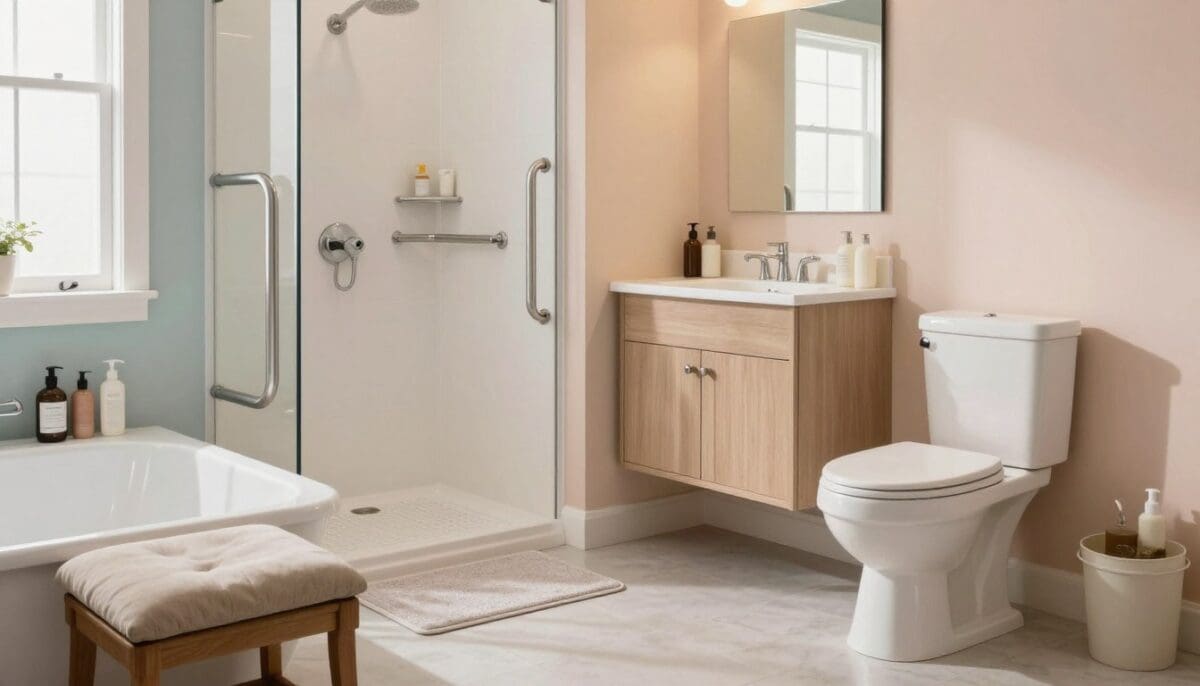
Transforming the most personal rooms in your house into secure environments is a vital part of aging in place. These areas require careful attention to detail to ensure your home remains a haven.
Focusing on safety in these rooms helps you maintain independence during your daily routines. These targeted modifications effectively reduce the risk of slips while improving your overall mobility.
Essential Bathroom Safety Modifications
The bathroom is often the most dangerous room due to slippery surfaces and hard fixtures. You should treat this space as a high-priority zone for hazard removal.
Installing Grab Bars in Showers and Near Toilets
You should have professionally mounted grab bars near your shower and toilet areas. These bars must be securely anchored into wall studs to support your full body weight effectively.
Never use towel racks to grab onto, as they are not designed for heavy loads. Secure grab bars provide the reliable support you need to enter and exit wet areas with confidence.
Adding Non-Slip Mats and Shower Chairs
Place non-slip rubber mats or adhesive strips inside the shower floor to prevent sliding on wet tile. If you feel unsteady while standing, a sturdy chair improves accessibility and reduces fatigue.
Ensure that all rugs outside the shower have a heavy rubber lining on the back. This prevents the mat from bunching up or sliding when you step onto it.
Adjusting Toilet Height for Easier Use
Low toilets often cause unnecessary strain on your joints and back. You can install a raised seat or a safety frame to make sitting and standing much easier.
These small modifications significantly enhance your bathroom‘s accessibility for those with arthritis. You can also add bars nearby to help you grab and pull yourself up safely.
Bedroom Safety Improvements
Your bedroom should be a place of rest rather than a source of worry. Ensuring your home is equipped for late-night movement is essential for long-term safety.
| Feature | Bathroom Priority | Bedroom Priority |
|---|---|---|
| Surface Grip | Non-slip rubber mats | Clear, clutter-free floors |
| Support | Stud-mounted grab bars | Optimal bed height |
| Visibility | Bright overhead lights | Motion-sensor nightlights |
Optimizing Bed Height and Bedside Lighting
Ensure you have adequate lighting right at your bedside so you can see clearly before standing up. Check that your bed is neither too high nor too low for your feet to touch the floor comfortably.
Take your time and sit on the edge of the bed for at least 30 seconds before rising. This simple practice helps prevent dizziness and allows your blood pressure to stabilize.
Creating Safe Pathways with Motion-Sensor Lights
Install motion-sensor lighting along the path between your bed and the restroom. These lights guide your mobility in the dark without the need to fumble for wall switches.
Battery-operated LEDs are an easy way to illuminate dark corners or hallways. This setup ensures you can navigate your home safely at any hour of the night.
Organizing Closets for Easy Access
Keep frequently used clothing at waist height to avoid the need for reaching or bending. Eliminating the use of stepstools is a critical step in preventing common falls.
Proper organization supports your safety and makes daily dressing much more convenient. These thoughtful modifications empower you to navigate your home with ease as you continue aging.
Step 3: Securing Kitchen, Stairways, and Outdoor Spaces
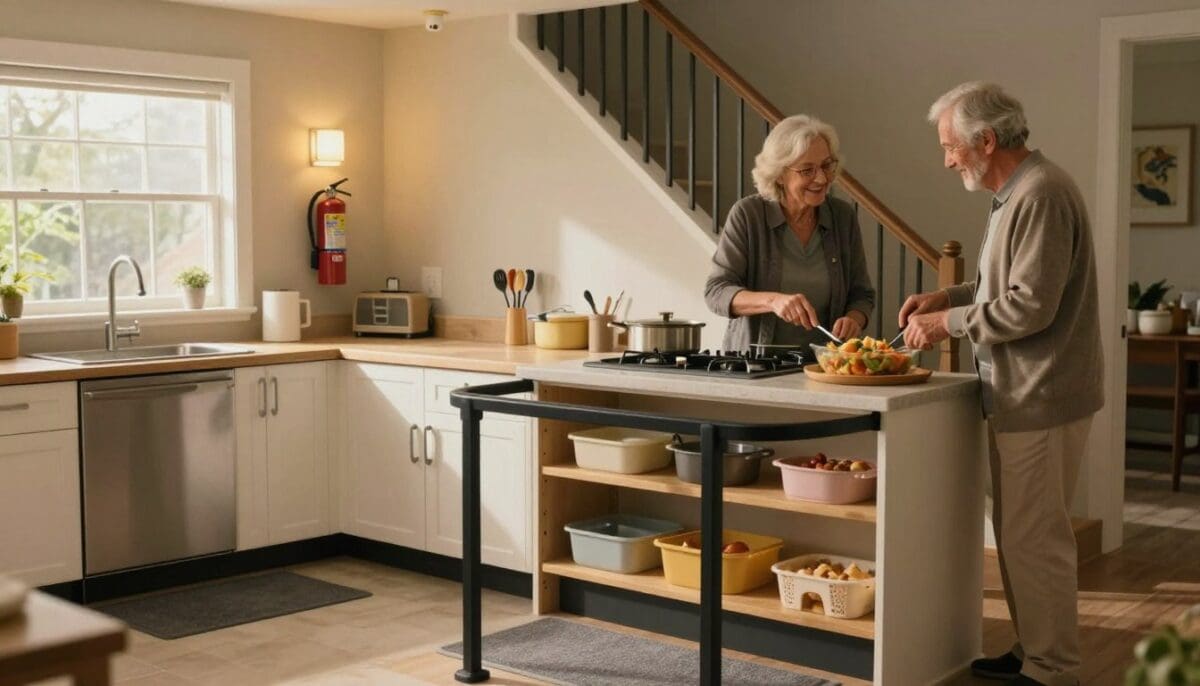
Managing dynamic areas like the kitchen and stairways is the next vital phase of your home safety plan. These high-traffic zones require unique adjustments to support your mobility and independence throughout the day.
Focusing on these spaces ensures that your home remains a secure place for all your daily activities. Proper planning reduces the physical strain on your body while navigating these essential zones.
Kitchen Safety Strategies
Organizing Storage for Accessible Reach
Place your most-needed items between your knees and shoulders to avoid excessive reaching or bending. Storing frequent items at counter height helps you stay balanced while preparing meals in this busy place.
Keep your pantry and cupboards well-organized to prevent objects from falling when you open them. A tidy cooking area significantly reduces the chance of accidents for seniors living alone.
Check for water leaks under the sink and near appliances to stop slippery spots from forming. Move heavy pots and grocery bags along the countertop instead of carrying them across the floor.
Always turn your whole body slowly and keep your feet aligned with your trunk to avoid twisting. Keep one hand free to steady yourself on a counter or chair while moving around the room.
Stairway Safety Requirements
Installing Sturdy Handrails on Both Sides
Install secure handrails on both sides of your stairs to provide continuous support. Ensure these handrails extend past the top and bottom steps for maximum stability during transitions.
Check the brackets regularly to make sure the rails do not wobble or feel loose. Reliable support is the best way to prevent a serious fall in this high-risk zone.
Improving Stair Lighting and Tread Visibility
Bright lighting must illuminate every one of the steps from the top to the very bottom. You can add non-slip tread strips to define the edge of each step and improve your footing.
Remove all clutter, such as shoes or decorations, from the staircase immediately. These tripping hazards can easily lead to a dangerous tumble if they are left in your path.
Outdoor Safety Considerations
Repairing Walkways and Adding Exterior Lighting
Repair any cracks or uneven surfaces on your walkways to keep your home exterior safe. You should also clear away debris like wet leaves or loose gravel that creates tripping hazards.
Adequate exterior lighting at entryways and along porches is critical for safety during the evening. Proper illumination helps you clearly see each of the steps leading into your house.
| Safety Feature | Zone | Key Benefit | Accessibility Goal |
|---|---|---|---|
| Lowered items | Kitchen | Prevents overreaching | Ease of use |
| Dual handrails | Stairs | Improved balance | Secure movement |
| Exterior lighting | Walkways | Visibility at night | Fall prevention |
| Non-slip steps | Entrance | Increased traction | Secure home entry |
Moving Forward with Professional Support and Peace of Mind
Creating a safer living space is an ongoing journey that often benefits from an expert perspective. You now understand how to manage tripping hazards and improve lighting in every room. While DIY checks are a great start, a professional home safety assessment provides the deep insight needed for true independence.
Professional services go beyond the surface to find hidden risks that most people might miss. After a professional evaluation, an expert compiles all findings into a detailed report. This report summarizes every finding and highlights areas that require immediate attention to ensure overall safety.
The recommendations in these documents offer specific, actionable steps to improve the home environment. Priority actions are listed first, but the document also includes recommendations for long-term changes. These plans help your family maintain a high quality life while addressing specific mobility needs.
A professional assessment also accounts for the fact that needs change over time. Because of this, a periodic safety assessment or a follow-up assessment ensures your safety measures remain effective. Continu Care Home Health supports families during the aging in place process with professional care services.
Choosing a professional evaluation is a proactive way to protect the life and independence of those you love. A comprehensive home safety assessment results in a better life for the whole family. Every safety assessment we perform focuses on individual safety and quality life through a tailored assessment.
Continu Care Home Health proudly serves patients and families throughout San Antonio and surrounding areas with compassionate, professional care delivered in the comfort of home. We invite you to contact us to learn more about our services or to schedule a consultation for yourself or a loved one. Our services are designed to provide peace of mind while supporting your unique goals.
Contact: Continu Care Home Health (210) 734-6166, 3201 Cherry Ridge C319, San Antonio, TX 78230. Call us if you need any help.
This article is not medical advice. Please contact your Doctor before implementing anything covered in this post.