Aging Gracefully in the Home You Love

Bringing Peace of Mind Into Every Room

Every second, older adults across our country suffer a stumble. These falls lead to 41,000 deaths each year, which means 112 lives are lost daily. Continu Care Home Health understands that your home should be a sanctuary instead of a source of danger.
Statistics show that 25 percent of people over sixty-five stumble each year. A minor accident can cause deep emotional scars and lead to lasting fear. Most accidents are easy to stop once you find every risk in your living space.
Through active prevention, you can stay active in the vibrant community of San Antonio. Taking proactive steps today is a vital investment in your long-term quality of life. You deserve to move through your day with complete certainty and peace of mind.
Key Takeaways
- Slips are a leading cause regarding injury deaths among aging individuals.
- Emotional distress often leads to social isolation after a trip.
- Identifying environmental hazards in your living area is vital.
- Daily activity helps maintain necessary mobility and balance.
- Local care experts offer specialized support towards safer living.
- Taking proactive steps preserves your long-term independence.
Understanding Fall Risks for Older Adults in San Antonio
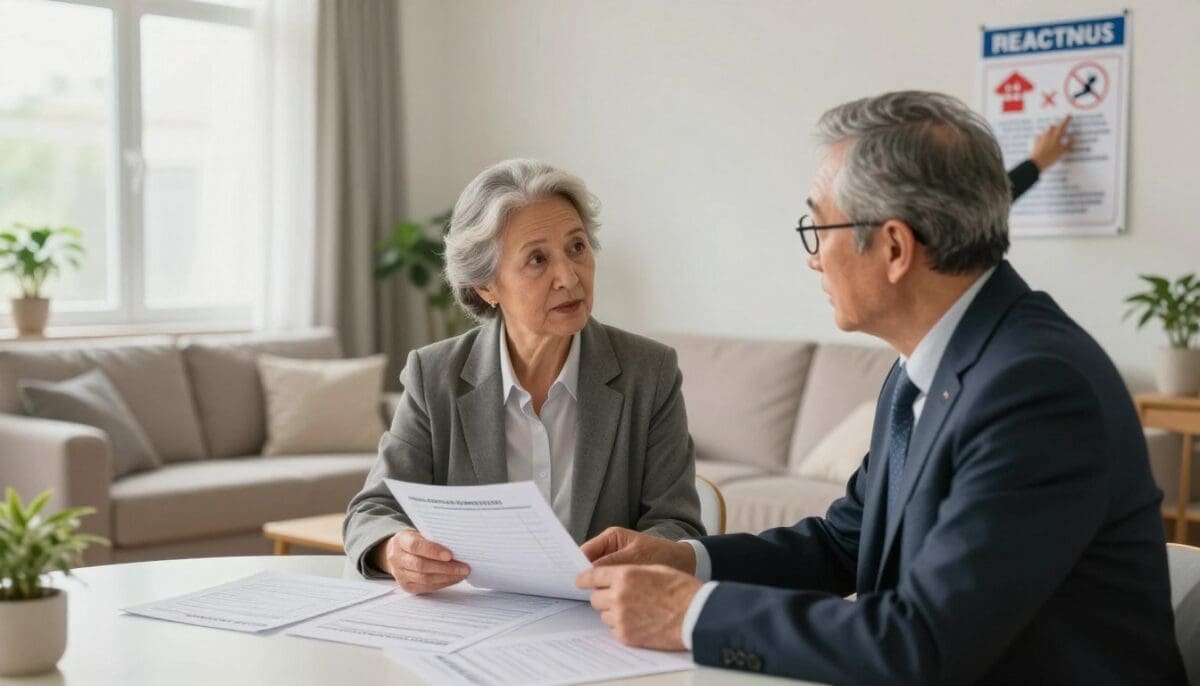
Falls affect many people in our community, yet understanding your personal risk factors is the first step toward staying independent. Due to changes in vision and balance, older adults often face a higher risk of a sudden fall. These physical changes happen naturally over time, affecting how you navigate your home.
Statistics show that more than one in four adults experience falls each year. These incidents can cause serious 41,000 deaths annually across the country. A single injury may lead to long-term pain and a loss of mobility if not addressed quickly.
Chronic medical conditions like arthritis, diabetes, or heart disease often impact your coordination and stability. Furthermore, certain medications can make you feel dizzy or drowsy during the day. This biological risk increases when multiple health issues combine at once.
The psychological impact of a fall is also a major concern for many seniors. You might feel afraid of slipping again, which leads to less physical activity and social isolation. Maintaining your quality of life means confronting these fears early in the year.
Personalized assessments help you identify specific hazards in your daily routine. While aging changes the body, these accidents are not an inevitable part of growing older. You can significantly reduce your chances of slipping through proper assessment and simple lifestyle changes.
| Risk Category | Impact on Safety | Prevention Focus |
|---|---|---|
| Physical Health | Poor balance and weak muscles | Strength and balance exercises |
| Medical Factors | Dizziness from new medications | Regular doctor consultations |
| Home Environment | Tripping hazards and dark halls | Safety audits and lighting |
| Psychological | Fear leading to inactivity | Confidence building and support |
Step 1: Schedule a Medical Assessment for Fall Prevention

Scheduling a medical assessment is the foundational move you can make to lower the risk of accidents. This comprehensive check-up identifies treatable conditions that often cause older adults to lose their footing unexpectedly.
Review Your Medications with Your Doctor
Bring a full list of all your pills, including vitamins and supplements, to your next appointment. Some common drugs cause dizziness or sleepiness, which makes people feel shaky on their feet.
Your healthcare provider can review these for side effects to help with prevention and keep you stable. They may adjust your dosages or suggest alternatives to ensure you remain steady during your daily activities.
Check Vision, Hearing, and Balance Conditions
Sensory changes can significantly impact how you move through your home environment. Poor sight or inner ear issues directly affect your balance and spatial awareness.
Regular exams help detect hidden health issues like ear infections or declining depth perception. Addressing these concerns early reduces the chance of tripping over obstacles you cannot see or hear clearly.
Ask About Fall-Prevention Strategies
Talk to your healthcare provider about specific steps you can take to stay safe in your current health status. They might test for muscle weakness or bone density to improve your fall prevention plan.
This proactive care helps many adults maintain their independence for a much longer time. Your doctor can also refer you to specialists for gait training or physical therapy if needed.
| Assessment Area | Common Risk Factors | Health Goal |
|---|---|---|
| Medication Review | Dizziness or fatigue | Improved alertness |
| Sensory Testing | Poor depth perception | Better spatial awareness |
| Physical Screening | Muscle weakness | Increased core stability |
| Bone Health | Osteoporosis risk | Fracture prevention |
Step 2: Stay Active with Safe Exercise Programs

Physical activity is a powerful tool for older adults who want to stay independent. Regular exercise helps you keep your balance, reflexes, and muscle strength. These healthy habits help you stay on your feet and avoid falling.
Taking these proactive steps is a vital part of your injury prevention strategy. You do not need to compete in intense sports to see results. Simple movements keep your body resilient and steady over time.
Low-Impact Activities That Build Strength and Balance
You do not need to lift heavy weights to improve your stability. Low-impact exercise builds bone density and muscle mass. This reduces the severity of an injury if a slip occurs.
Practicing balance every day makes your reflexes faster and more reliable. This allows you to catch yourself if you lose your footing. Always talk to a doctor before you start a new fitness program.
Yoga, Water Aerobics, and Daily Walks
Activities like yoga and daily walks are gentle on your joints and safe for most adults. Water aerobics is a great exercise because the water supports your body weight. It provides resistance to build strength without any risk of a hard fall.
- Yoga: Improves your flexibility and core stability.
- Water Aerobics: Provides a safe environment with zero impact.
- Daily Walks: Keeps leg muscles strong and improves heart health.
Many senior centers in San Antonio offer supervised classes for fall prevention. These groups provide a safe space to work on your fitness and meet others. Staying active is the best way to keep your body resilient.
Step 3: Fall Prevention for Seniors San Antonio – Home Modifications That Work
Transforming your living environment into a safe haven requires taking specific steps to eliminate hidden dangers. You should walk through every room of your home with a critical eye to spot hazards you might usually ignore. Assessing your space carefully is the first move toward a safer lifestyle.
Professional help is also available to make this process easier for you. Continu Care Home Health provides an expert fall prevention for seniors San Antonio safety assessment. Their team can identify areas of concern and offer personalized ideas to keep you secure.
Remove Tripping Hazards from Walkways
Start by clearing the main paths where you walk every day. You should move things like electrical cords, low coffee tables, and large plants out of the way. Even small items like magazines and newspapers can easily cause a fall if they are left on the floor.
Keep your hallways and room entrances completely clear. Removing clutter reduces your risk of tripping while you move from room to room. A clear path allows you to walk with confidence and peace of mind.
Secure Rugs and Fix Flooring Issues
Loose rugs are a major reason many falls occur in the house. You can secure them with rug tacks or a double-sided, slip-resistant backing. If a rug is too worn or cannot be fixed, it is best to remove it entirely.
Check for other flooring problems like loose floorboards or bunched carpeting. Repair these issues right away to keep the surface flat. Using nonskid floor wax on tile or hardwood can also help prevent a dangerous slip.
Install Proper Lighting Throughout Your Home
Brightening your surroundings is one of the most effective things you can do. Use higher-wattage bulbs in dark areas like stairwells and hallways to improve your visibility. Make sure you have light switches at both the top and bottom of every staircase.
Ensure that all walkways and entrances are well-lit at all times. Good lighting helps you see exactly where you are stepping. This simple change can prevent a nasty fall and help you feel more comfortable in your space.
Add Nightlights for Bathroom Pathways
Many falls happen in the middle of the night when you are groggy or disoriented. Place nightlights along the path from your bedroom to the bathroom to guide your way. This extra light helps you navigate safely when it is dark.
Keep a working flashlight in easy-to-reach places like your nightstand or a kitchen drawer. This ensures you are never stuck in the dark if the power goes out. Being prepared for nighttime movement is a smart way to avoid a fall.
| Modification Area | Action to Take | Safety Benefit |
|---|---|---|
| Walkways | Remove cords and clutter | Prevents unexpected trips |
| Flooring | Secure rugs with tacks | Provides a stable surface |
| Lighting | Install bright nightlights | Improves nighttime visibility |
| Stairwells | Add dual light switches | Ensures steps are visible |
Step 4: Use Assistive Devices and Safety Equipment
Assistive devices are not a sign of weakness; they are smart investments in your ongoing independence. Using these tools is a proactive choice that helps you stay safe and mobile. These modifications ensure that you can navigate your living space with confidence every day.
Choose Proper Footwear Over Slippers
Your old slippers might feel cozy, but they are often called “slippers” for a reason. They usually lack the traction and support needed to keep your feet stable on hard floors. You should always wear properly soled shoes inside the home to prevent a dangerous fall.
Install Grab Bars and Handrails
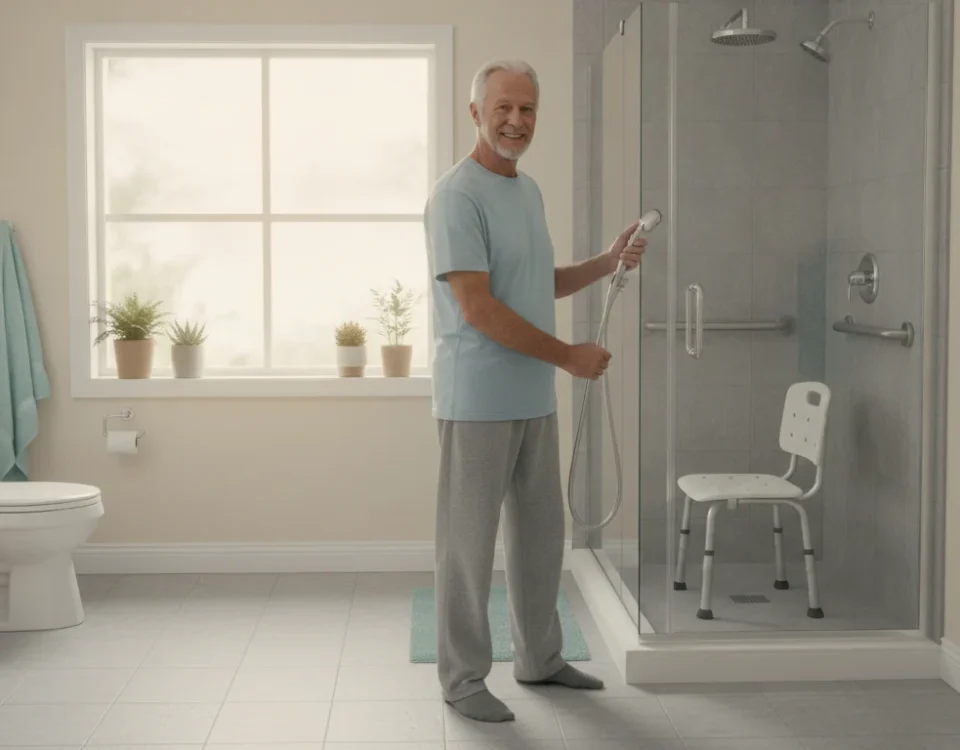
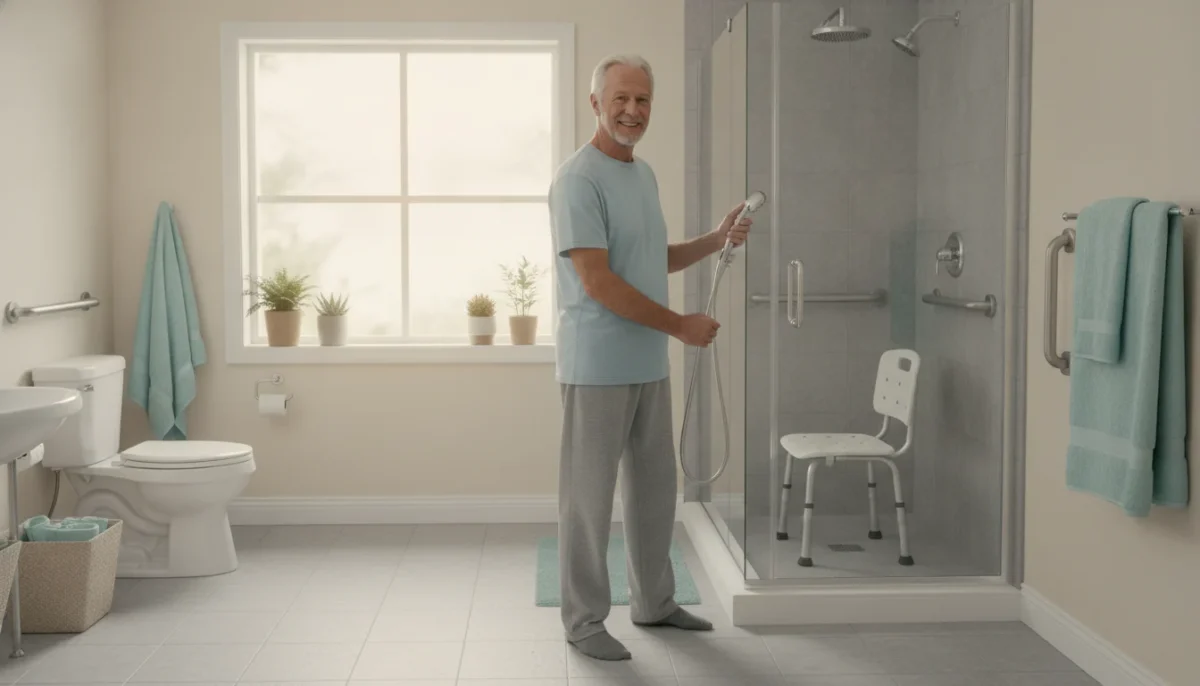
Wet surfaces in the bathroom create high-risk areas for many adults. Installing grab bars near the shower and toilet provides essential support during position changes. Additionally, ensure you have sturdy handrails on both sides of every stairway to maintain your balance.
Use Walkers or Canes When Recommended
If a healthcare professional suggests a walker or cane, please do not let pride get in the way. These mobility aids provide the extra stability required to prevent falling. Using them correctly can significantly reduce the frequency of accidental falls and related injuries.
Add Raised Toilet Seats and Nonslip Stair Treads
Small modifications make a huge difference in your daily comfort and safety. A raised toilet seat reduces physical strain when sitting or standing up in the restroom. Nonslip treads add much-needed grip to wooden or tile steps to avoid falls.
| Safety Device | Primary Benefit | Best Location |
|---|---|---|
| Shower Chair | Stability while bathing | Shower or Tub |
| Nonslip Treads | Enhanced foot traction | Staircases |
| Raised Seat | Easier transitions | Bathroom |
By integrating these tools, you are choosing to prioritize your quality of life. These items are designed to make daily tasks easier and much less risky. Safety equipment allows you to remain independent in your own space for much longer.
Professional In-Home Care Services for Fall Prevention in San Antonio
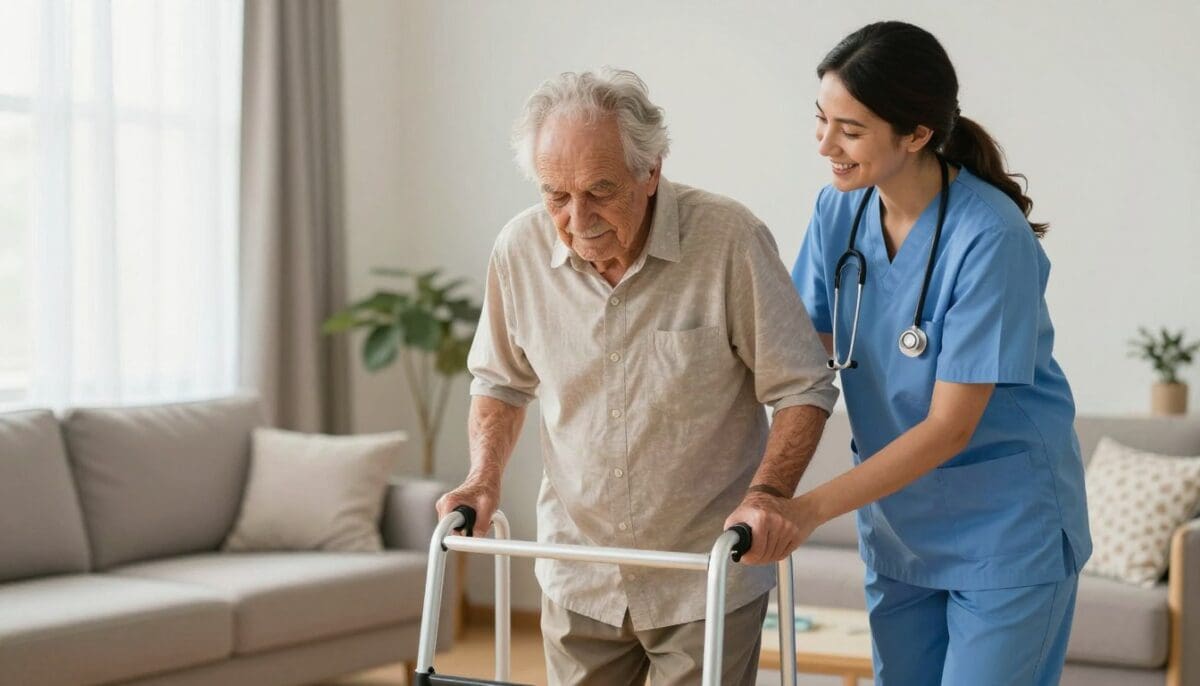
Continu Care Home Health offers dedicated support to help you navigate your living space safely and confidently. Our professional in-home care services for seniors San Antonio TX help older adults stay independent. This personalized approach reduces the risk of accidents while you enjoy your daily routine.
How Continu Care Home Health Supports Your Safety at Home
Our compassionate caregivers assist adults with daily tasks like bathing, meal prep, and light housekeeping. These professional services focus on active prevention to keep you moving safely through your home. We ensure that you stay connected to the things you enjoy most.
Caregivers provide direct mobility support and accompany you on walks to prevent a sudden injury. This hands-on approach ensures that people feel more secure during high-risk daily activities. We help you regain your confidence and rebuild strength after a fall occurs.
Home Safety Assessments and Personalized Care Plans
We conduct a deep fall prevention review to identify hazards in your specific living environment. This assessment helps older adults see exactly where they need changes to reduce every potential risk. Your safety is our primary mission every single day.
Our team develops plans for adults that fit their unique health goals and individual needs. You can remain in your own home longer with the right professional balance of care and independence. Safety and independence are just a phone call away.
Conclusion: Taking Action to Prevent Falls and Stay Independent
Protecting your future means addressing risk factors now to avoid a life-changing injury. Preventing a fall starts with the simple steps you take today. Investing a little time now is a smart way to keep your long-term independence.
Many falls are preventable when you take the initiative to follow safety protocols. Every year, thousands of older adults experience accidents that cause permanent lifestyle changes. You can maintain your balance and confidence by modifying your home and staying active.
Set a deadline to complete your safety tasks by the end of this week. Many people find that professional support makes it easier to keep their balance and freedom. Taking action today prevents a future injury and ensures you stay in control of your life without the fear of a fall.
Understanding how to stop falls and a fall is the best way to stay safe at home. This article is not medical advice. Please contact your Doctor before implementing anything covered in this post.
Contact Continu Care Home Health to learn more about our professional in-home care services or to schedule a consultation. We proudly serve families throughout San Antonio and surrounding areas with compassionate care. Call us if you need any help.
| Continu Care Home Health Contact Information | |
|---|---|
| Phone Number | (210) 734-6166 |
| Office Address | 3201 Cherry Ridge C319, San Antonio, TX 78230 |
| Service Area | San Antonio and Surrounding Areas |