Importance of Occupational Therapy In Home Health Care (PART 1)
Home Health Care for Stroke Survivors (PART 1)
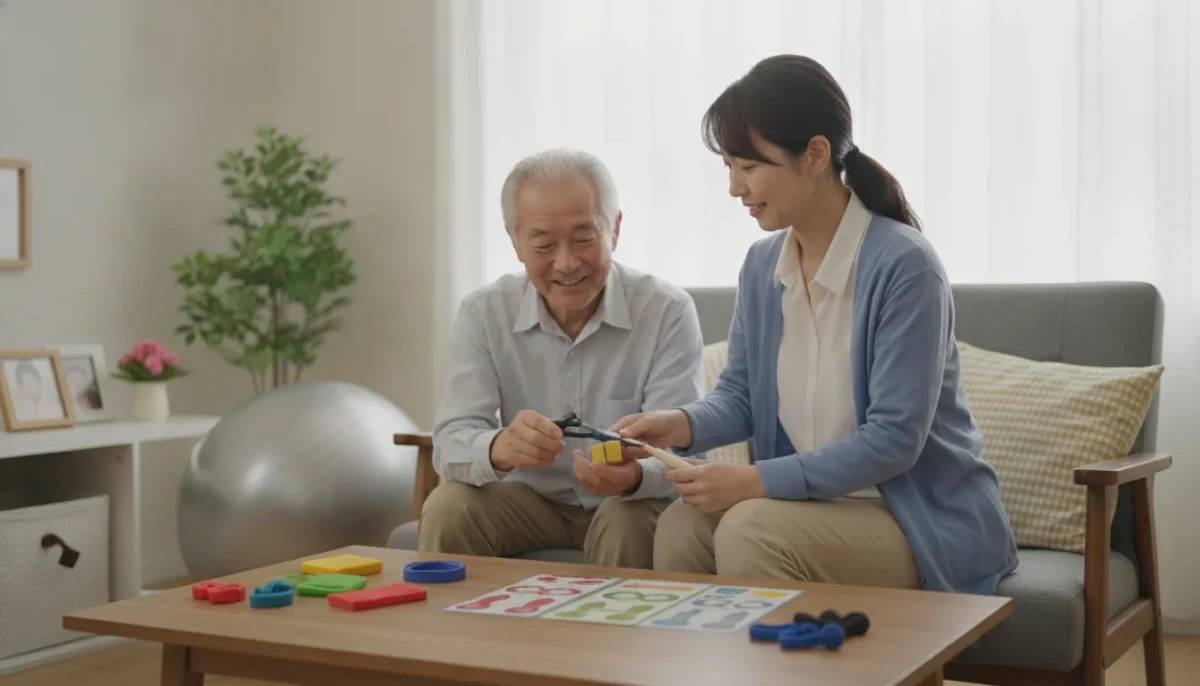
Occupation therapy can highly contribute to a patient’s stronger and effective recovery. To families who are very concerned about their patient’s ability to take care and manage themselves at home safely may look into getting an occupational therapist. There are also some patients who are affected by certain conditions and needed to regain affected skills which require the need for occupational therapy.
Regardless of a patient’s condition and diagnosis, occupational therapists can provide effective strategies which can help them manage daily activities and lower the risk of injury or further health decline. Occupational therapy practitioners considers the patient’s abilities, needed and desired activities, as well as the patients home environment to create a perfect care of plan at home. Families who are concerned about their patient’s ability to handle their medical conditions can highly benefit from occupational therapy. It is considered as a large part when it comes to daily activity management. Occupational therapy also helps the patient to follow what their attending physician’s recommendations when it comes to managing their daily habits and routines.
Occupational therapy can also help with:
Medication management: Occupational therapy provides patients with useful strategies to promote medication intake and manage their daily medication routine
Diabetes: Occupational therapy helps integrate diabetes management and turn them to daily routine. This includes blood sugar monitoring, hygiene and foot care, meal planning and preparation, healthy coping strategies, and physical activity. Occupational therapists also train diabetes patients to use compensatory strategies for vision, sensory, or motor loss which may interfere with their daily activities
Heart failure: Occupational therapy provides strategies to conserve energy and reduce the demands of activities, adding appropriate physical activity and self-monitoring. They can help patients to master new activities and turn them to regular routines
Pulmonary disease: Occupational therapy helps patient conserve their energy. Occupational therapy practitioners teaches patients to incorporate pacing, planning, and stress management into daily activities
Cognitive and behavioural health conditions: Occupational therapy considered daily routines, medication adherence, self-management, and stress management strategies. They can train caregivers to provide appropriate cues and support to patients with cognitive limitations to optimize performance and lower agitation or confusion