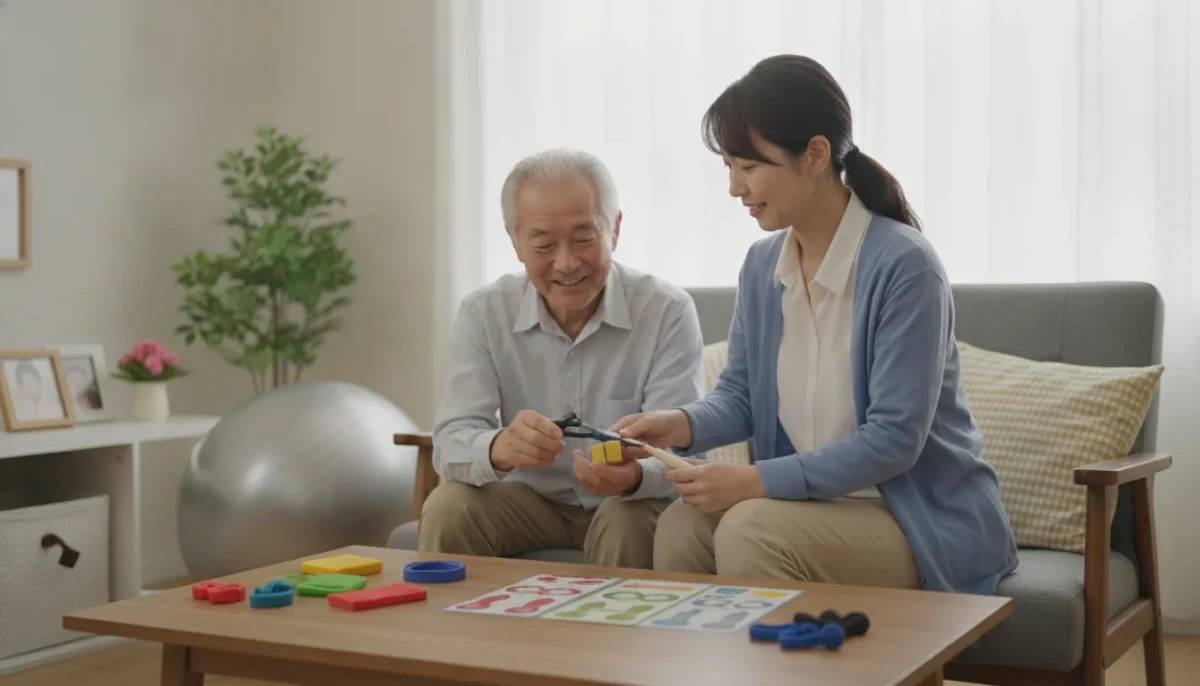
How Home Health Care Reduces Hospital Readmissions

HOW FAMILY CAREGIVERS CAN PREPARE FOR HOME RECOVERY

Healing from surgery or illness is a complex journey. You deserve a path that prioritizes your comfort and personal space during this critical time.
Research shows that in-home therapy often leads to superior recovery outcomes. By utilizing your own environment, you reduce stress and accelerate your physical progress.
This modern approach shifts the focus from clinical walls to your daily life. It is an evidence-based strategy designed to help you regain independence faster than traditional methods.
Key Takeaways
- Personalized care environments significantly boost patient motivation.
- Familiar surroundings reduce anxiety during the healing process.
- Evidence suggests that in-home therapy improves long-term recovery outcomes.
- Patients often feel more comfortable practicing movements in their own space.
- This model provides a seamless transition back to daily activities.
The Shift Toward Home-Based Recovery Models
A quiet revolution is changing how we approach rehabilitation, placing the comfort of your home at the center of the process. You are likely discovering that home-based recovery offers a unique path to wellness that traditional clinical settings often struggle to replicate. By prioritizing your personal environment, you can foster a sense of security that is essential for long-term health.
Modern Healthcare Trends and Patient Preferences
Current healthcare trends show a clear movement toward personalized care that respects your individual lifestyle. Most patients report significantly lower stress levels when they remain in familiar surroundings during their healing journey. This reduction in stress hormones creates an optimal biological environment for your body to repair itself more efficiently.
You deserve a care plan that aligns with your daily routines rather than forcing you to adapt to rigid hospital schedules. When you feel comfortable in your own space, your motivation to participate in therapy exercises often increases. This preference for home care is not just about convenience; it is a scientifically backed strategy for better clinical outcomes.
The Evolution of Post-Acute Care Delivery
The medical industry has evolved from a strictly hospital-centric model to a more flexible, integrated system. In the past, post-acute care was almost exclusively tied to inpatient facilities, regardless of the patient’s specific needs. Today, the focus has shifted toward bringing high-quality, professional support directly to your living room.
This transition acknowledges that your home is a vital component of your overall recovery success. By utilizing home-based recovery models, providers can observe how you interact with your actual living space. This insight allows for more practical adjustments, ensuring that your rehabilitation is both meaningful and sustainable for your future independence.
Why Therapy Services at Home San Antonio Are Gaining Momentum
If you are navigating recovery in San Antonio, you might find that bringing professional support to your doorstep is the most effective path forward. The shift toward therapy services at home San Antonio reflects a growing desire for personalized care that respects your independence. By choosing this model, you ensure that your rehabilitation journey happens in the place where you feel most comfortable.
Addressing the Needs of the San Antonio Community
Our local community thrives when older adults receive the support they need to age in place with dignity. Many families find that specialized rehabilitation is much more effective when it occurs within the familiar surroundings of a private residence. This approach provides essential relief for caregivers who often struggle to balance daily responsibilities with the demands of medical appointments.
When you utilize therapy services at home San Antonio, you gain access to care that is specifically tailored to your living environment. This personalized attention helps you regain your strength faster while keeping your support system intact. It is a compassionate way to manage health challenges without disrupting your established routines.
Overcoming Barriers to Traditional Outpatient Facilities
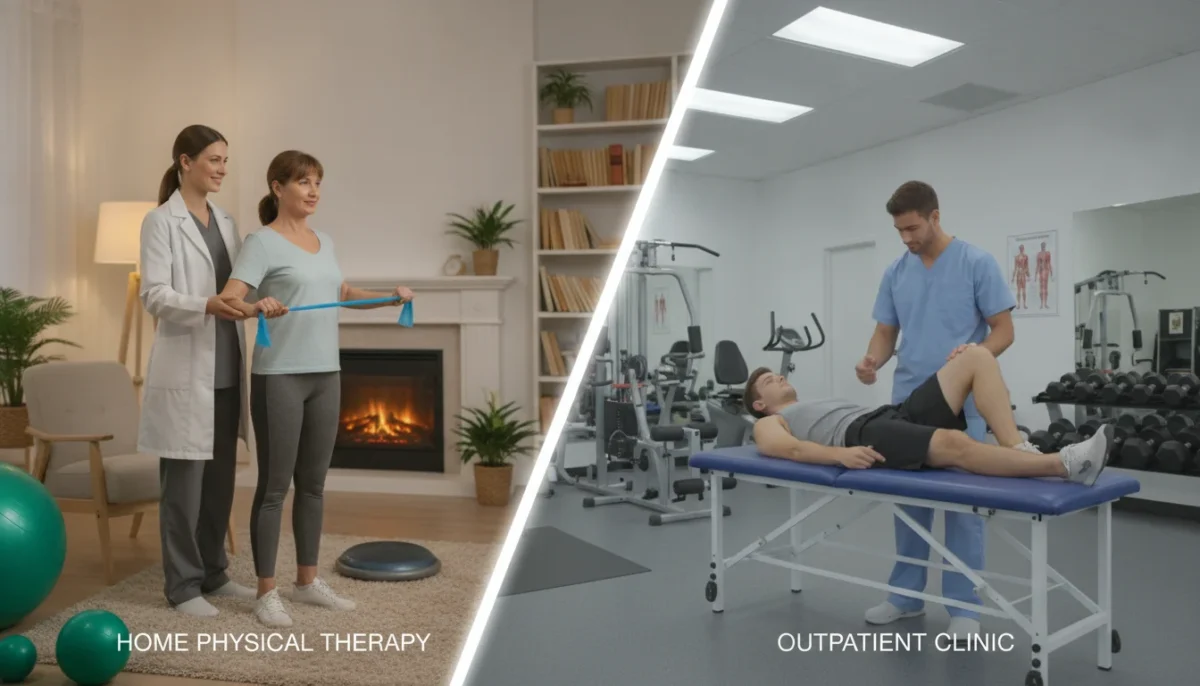
Traditional outpatient clinics often present significant logistical hurdles that can delay your recovery progress. Issues such as unreliable transportation or unpredictable Texas weather can lead to missed sessions and inconsistent care. By opting for home-based services, you eliminate these common obstacles entirely.
The following table highlights why many patients are choosing to transition away from traditional facilities:
| Feature | Outpatient Facility | Home-Based Care |
|---|---|---|
| Transportation | Requires travel | No travel needed |
| Environment | Clinical/Sterile | Familiar/Comfortable |
| Scheduling | Rigid hours | Flexible/Consistent |
| Safety | Risk during transit | Reduced fall risk |
Consistency is the cornerstone of successful rehabilitation. When you remove the stress of commuting, you can focus entirely on your healing goals. This is why therapy services at home San Antonio continue to be the preferred choice for those seeking reliable and high-quality care.
The Clinical Advantages of Personalized In-Home Rehabilitation
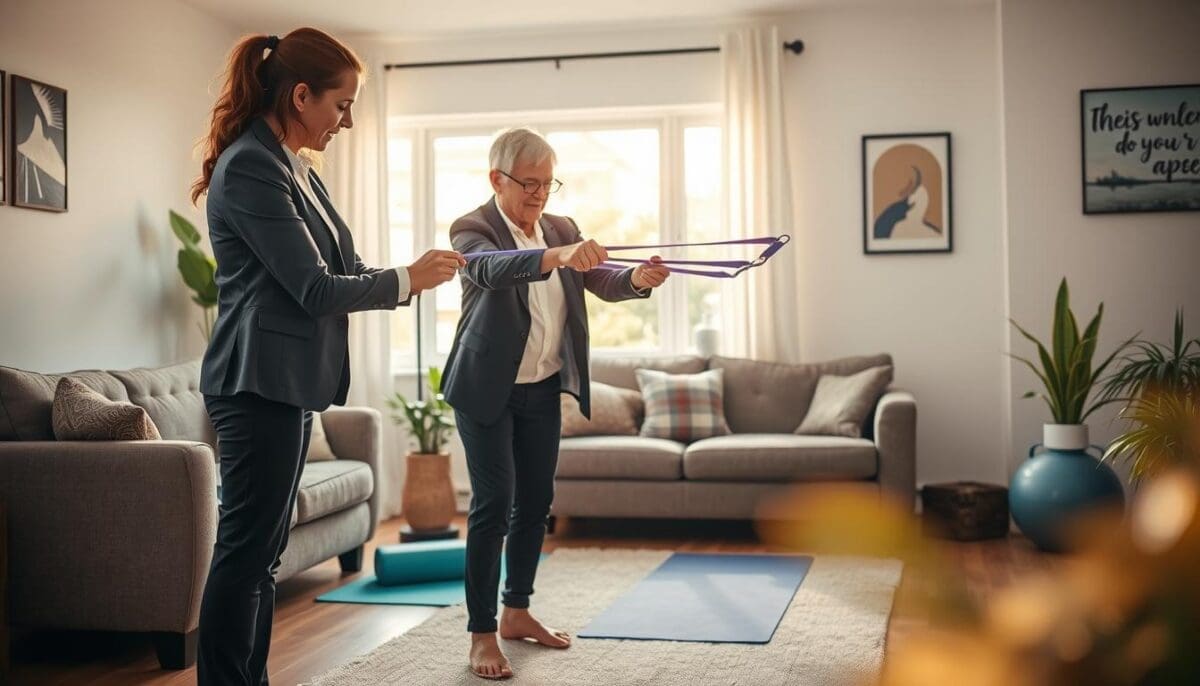
Your path to healing becomes significantly more effective when therapy happens in your own living space. By bringing physical rehabilitation directly to you, clinicians can observe how you navigate your daily environment. This context allows for a deeper understanding of your specific recovery needs.
Tailoring Treatment Plans to Individual Living Spaces
Traditional clinics often rely on standardized equipment that may not reflect your home reality. When a therapist visits your residence, they can adapt exercises to your actual furniture, stairs, and floor layout. This customized approach ensures that every movement you practice is directly applicable to your daily life.
- Utilizing your own kitchen counters for balance training.
- Practicing stair navigation on your specific home staircase.
- Adjusting seating heights to match your favorite chair.
The Benefit of One-on-One Professional Attention
Receiving undivided attention from a licensed professional significantly boosts your success rate. Data shows that in-home therapy leads to up to 50% greater adherence to treatment plans compared to outpatient models. Because you are the sole focus of the session, your therapist can provide immediate feedback on your form and technique.
Optimizing Recovery Timelines
Efficiency is a cornerstone of modern physical rehabilitation. By eliminating travel time and waiting room delays, you can dedicate more energy to your actual exercises. This streamlined process helps you reach your mobility goals faster and with less physical fatigue.
Reducing Environmental Stressors
Clinical settings can sometimes feel overwhelming or intimidating. Recovering in the comfort of your own home reduces anxiety and allows you to focus entirely on your progress. When you feel safe and relaxed, your body is better prepared to engage in the healing process.
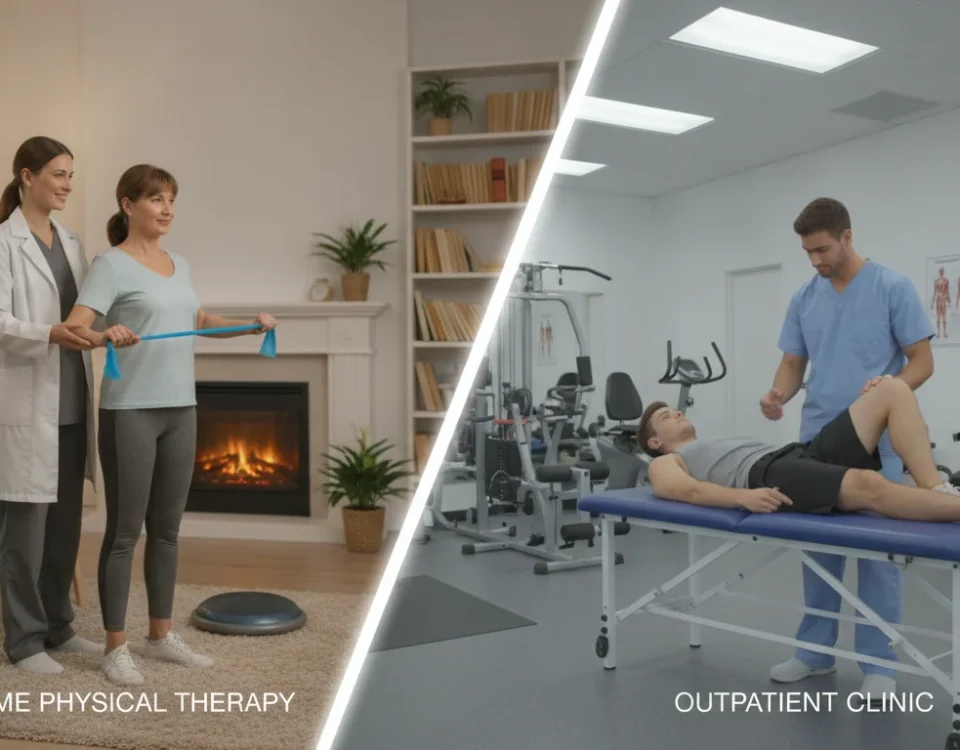
| Feature | Outpatient Clinic | In-Home Therapy |
|---|---|---|
| Environment | Clinical/Sterile | Familiar/Comfortable |
| Attention | Shared/Group | One-on-One |
| Adherence | Standard | Up to 50% Higher |
Choosing this path for your physical rehabilitation ensures that your recovery is not just a series of appointments, but a seamless part of your daily routine. You gain the confidence needed to regain your independence in the space where you feel most at home.
Enhancing Physical Rehabilitation Through Familiar Environments
When you engage in physical rehabilitation within your own living space, you bridge the gap between clinical care and real-life movement. Recovering in a familiar setting allows you to apply therapeutic techniques directly to the challenges you face every day. This approach ensures that your progress is not just theoretical but immediately useful for your lifestyle.
Functional Mobility Training in Real-World Settings
Standard clinics often lack the specific layout of your home, which can make the transition back to daily life difficult. By practicing functional mobility in your own kitchen, bathroom, or on your specific staircase, you gain confidence in your ability to navigate your world. This form of physical rehabilitation turns everyday obstacles into opportunities for growth.
Your therapist will guide you through movements that mimic your actual daily routine. Whether it is reaching for a cabinet or stepping over a threshold, these exercises build real-world strength. You will find that mastering these tasks in your own home accelerates your path to independence.
Safety Assessments and Fall Prevention Strategies
A critical component of your recovery involves identifying potential hazards before they cause an issue. Professional safety assessments allow a therapist to evaluate your home environment for risks like loose rugs, poor lighting, or narrow walkways. By addressing these environmental obstacles in real-time, you create a secure foundation for your physical rehabilitation journey.
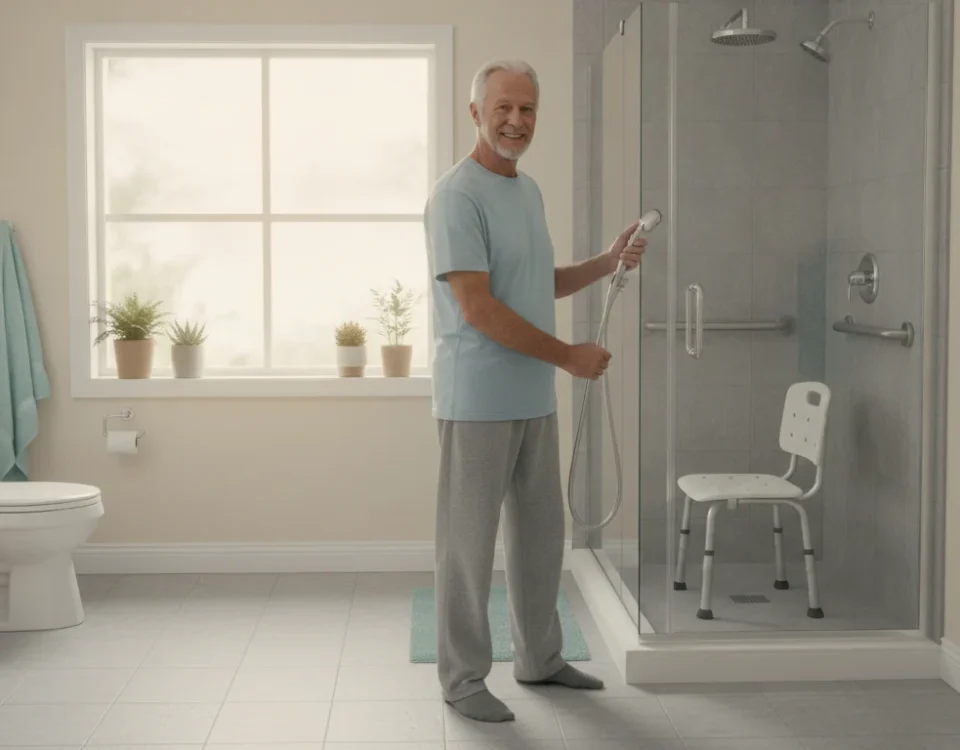
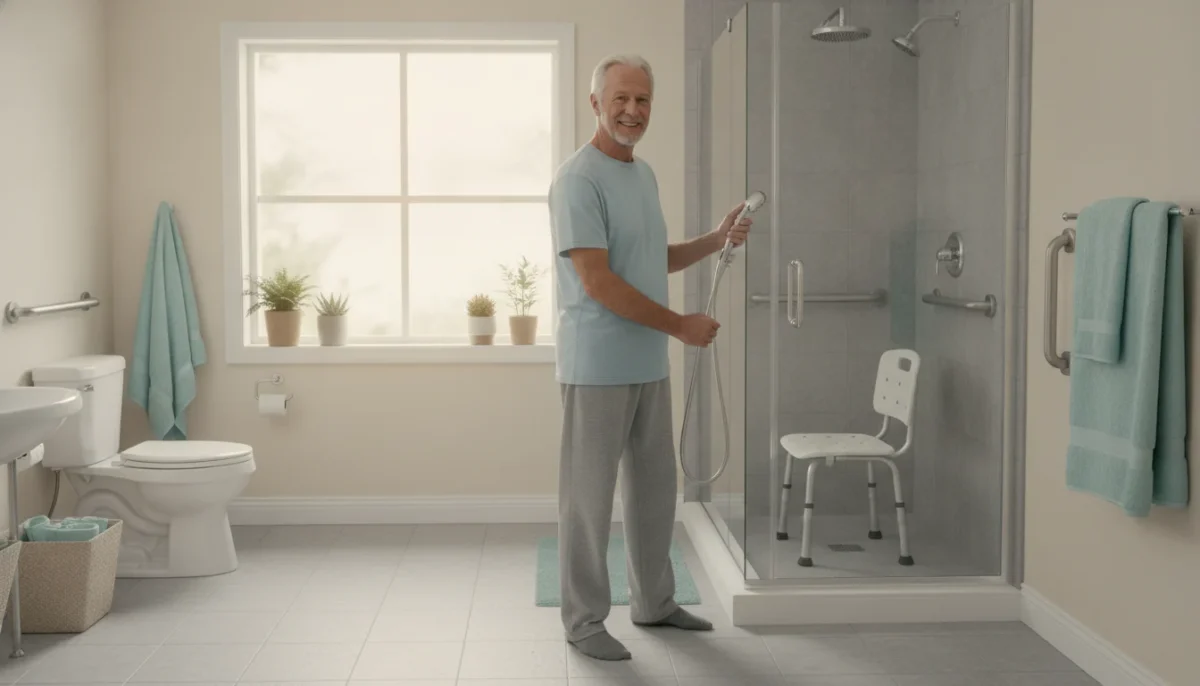
Implementing fall prevention strategies is essential for maintaining your long-term health and mobility. Your care team may suggest simple modifications, such as installing grab bars or improving floor traction, to keep you safe. These proactive steps ensure that your home remains a supportive space where you can focus entirely on your recovery.
The Role of Occupational Therapy Support in Daily Living
You can reclaim your autonomy through targeted occupational therapy support designed for your unique living space. When you return home after an illness or surgery, performing simple tasks can feel like a significant challenge. Professional therapists work directly with you to ensure your environment promotes healing and confidence.
Adapting the Home for Independence
Your home should be a sanctuary that supports your recovery rather than hindering it. Therapists evaluate your living area to identify potential obstacles that might cause accidents or limit your movement. By making strategic modifications, such as installing grab bars or adjusting furniture layouts, you create a safer space for daily movement.
These adjustments are highly personalized to your specific needs and physical capabilities. Creating a barrier-free environment allows you to navigate your home with greater ease. This proactive approach significantly reduces the risk of falls while fostering a sense of security in your own residence.
Restoring Essential Activities of Daily Living
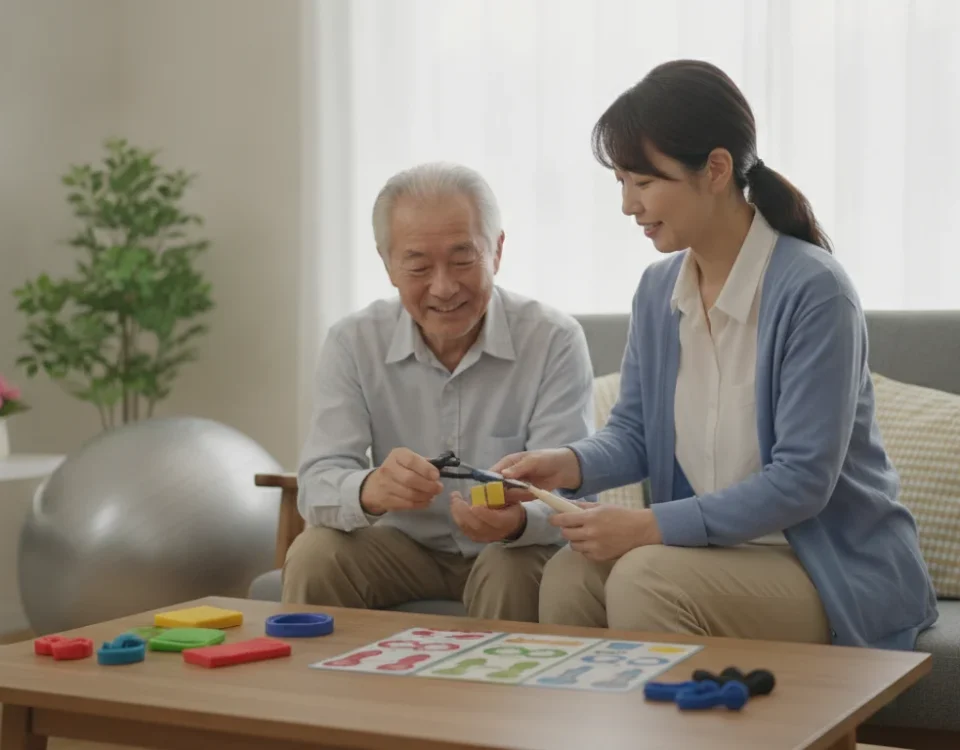
Beyond physical safety, occupational therapy support focuses on the practical skills required for your daily routine. Therapists guide you through techniques to regain proficiency in essential tasks like bathing, dressing, and meal preparation. These activities are the building blocks of your independence.
By practicing these skills in your natural environment, you learn how to adapt your movements to your specific kitchen or bathroom setup. This hands-on training ensures that you can manage your personal care without constant assistance. Ultimately, this professional guidance empowers you to return to your normal lifestyle with renewed confidence and capability.
Improving Communication Outcomes with Speech Therapy Care
Recovering your ability to speak and swallow clearly often starts within the comfort of your own home. Professional speech therapy care provides the essential tools you need to regain your voice and confidence after an injury or illness. By bringing these services directly to you, therapists can focus on the specific obstacles you face in your daily life.
Addressing Cognitive and Swallowing Challenges at Home
Cognitive function and safe swallowing are vital for your long-term health and independence. When you receive specialized support in your own living space, your therapist can identify specific triggers that might cause difficulty. This personalized approach ensures that your treatment plan is tailored to your unique environment.
Your therapist will work with you to improve memory, problem-solving, and communication skills. They also provide critical guidance on swallowing techniques to prevent complications during meals. This focused attention helps you feel more secure while performing essential daily tasks.
The Importance of Consistent Practice in Natural Settings
Consistent practice in natural settings is far more effective for long-term improvement than clinical-only sessions. When you practice in your own kitchen or living room, you apply new skills to real-world scenarios. This accelerates your progress and helps you maintain your independence more effectively.
The following table highlights the key differences between traditional clinical settings and home-based care:
| Feature | Clinical Setting | Home-Based Care |
|---|---|---|
| Environment | Sterile and unfamiliar | Comfortable and natural |
| Practice Focus | General exercises | Real-world application |
| Patient Comfort | Moderate | High |
| Therapy Outcome | Standardized | Highly personalized |
By choosing speech therapy care at home, you ensure that your recovery is integrated into your lifestyle. This consistency is the key to achieving better communication outcomes and a higher quality of life.
Reducing Hospital Readmission Rates Through Consistent Home Care
You can significantly improve your recovery outcomes by opting for consistent support within your own home. When you receive professional therapy in a familiar environment, you avoid the common triggers that often lead to unnecessary hospital readmissions. This proactive approach ensures that your health remains stable while you transition back to your daily routine.
Monitoring Patient Progress Between Clinical Visits
One of the greatest advantages of home-based care is the ability to track your healing process in real-time. Instead of waiting for a scheduled appointment, your therapist observes your progress during every session. This consistent oversight allows for small adjustments to your treatment plan, ensuring you stay on the right path toward your goals.
By keeping a close eye on your physical and cognitive improvements, your care team can identify subtle changes that might otherwise go unnoticed. This level of attention is essential for maintaining positive recovery outcomes throughout your entire healing journey. You gain peace of mind knowing that a professional is actively managing your health needs every single day.
Early Intervention for Potential Complications
Early detection is the most effective way to prevent minor issues from becoming major medical setbacks. When your therapist visits your home, they can spot warning signs of complications before they require emergency care. This rapid response helps you avoid the stress and physical toll of returning to a hospital setting.
Your care team acts as a vital safety net, providing the guidance needed to manage symptoms effectively. By addressing concerns as they arise, you ensure that your long-term health remains the top priority. Ultimately, this consistent support is the key to achieving the best possible recovery outcomes while staying in the comfort of your own home.
The Psychological Impact of Recovering in Your Own Space
You might be surprised to learn how much your surroundings influence your recovery outcomes. When you are in a place that feels like your own, your brain shifts from a state of high alert to one of relaxation. This transition is essential for the body to focus its energy on repairing tissues and regaining strength.
The Connection Between Comfort and Healing
The physical environment of a hospital can often feel sterile and overwhelming, which may inadvertently increase stress levels. In contrast, your home provides a sense of security and familiarity that is difficult to replicate elsewhere. This comfort helps lower cortisol levels, which are known to hinder the body’s natural ability to mend.
When you feel safe in your own living space, your nervous system remains calm. This state of relaxation is a critical component of positive recovery outcomes. By removing the external stressors of a clinical setting, you allow your mind to rest, which directly supports your physical progress.
Reducing Anxiety and Improving Patient Compliance
Anxiety is a common barrier that often prevents patients from completing their prescribed exercises. When you are anxious, you are less likely to engage fully with your rehabilitation plan. Being in a familiar environment helps to mitigate these feelings of unease, making it much easier to stay focused on your goals.
Higher patient compliance is a direct result of feeling at ease in your surroundings. When you are comfortable, you are more motivated to follow through with your therapy protocols consistently. This dedication to your routine is what ultimately leads to the best possible recovery outcomes for your long-term health.
How Continu Care Home Health Facilitates Seamless Recovery

At Continu Care Home Health, we prioritize your well-being through dedicated and expert support. We understand that your path to healing is unique, and our team is here to ensure you receive the highest quality of care in the comfort of your own residence. By choosing our therapy services at home San Antonio, you gain a partner committed to your long-term health and independence.
Professional Standards and Compassionate Care
Our team adheres to the highest professional standards to ensure that every patient receives safe and effective treatment. We believe that true healing requires more than just clinical expertise; it demands a compassionate approach that honors your dignity and personal preferences. Our staff is trained to provide support that is both technically precise and deeply empathetic.
Whether you are recovering from surgery or managing a chronic condition, our clinicians focus on your specific goals. We strive to make every interaction meaningful, ensuring you feel supported throughout your entire recovery journey. You can trust our team to deliver consistent, high-quality therapy services at home San Antonio every single day.
Coordinating Care with Your Primary Physician
A seamless recovery requires clear communication between all members of your healthcare team. We work closely with your primary physician to ensure that your treatment plan is perfectly aligned with your medical history and current needs. This integrated approach helps prevent gaps in your care and ensures that your progress is monitored effectively.
By maintaining an open line of communication with your doctor, we can adjust your care plan in real-time as you improve. This collaboration is a cornerstone of our commitment to your health. If you have questions or need assistance, please reach out to us at Continu Care Home Health, located at 3201 Cherry Ridge C319, San Antonio, TX 78230, or call us at (210) 734-6166.
| Service Feature | Standard Care | Continu Care Home Health |
|---|---|---|
| Care Coordination | Limited | Proactive & Integrated |
| Patient Focus | General | Highly Personalized |
| Communication | Periodic | Consistent & Real-time |
| Professionalism | Basic | High Standards |
Conclusion
Choosing the right support system changes your entire healing journey. Prioritizing in-home therapy allows you to focus on your health goals within the comfort of your own living space. This approach fosters better compliance and leads to superior recovery outcomes for patients of all ages.
You deserve professional care that respects your independence and personal environment. By integrating expert guidance into your daily routine, you gain the tools necessary to regain your strength and confidence. Every step taken in your own home builds a foundation for long-term success.
We invite you to contact Continu Care Home Health to learn more about our specialized services or to schedule a consultation for yourself or a loved one. Our team proudly serves patients and families throughout San Antonio and surrounding areas with compassionate, professional care delivered in the comfort of home.
Reach out to us at Continu Care Home Health by calling (210) 734-6166. You can also visit our office at 3201 Cherry Ridge C319, San Antonio, TX 78230. Call us if you need any help navigating your care options.
This article is not medical advice. Please contact your Doctor before implementing anything covered in this post.