
What Hip Replacement Recovery Looks Like at Home in San Antonio

How San Antonio Families Can Help Prevent a Hospital Readmission

Recovering at home can feel stressful, but you do not have to face it alone. Continu Care Home Health proudly serves patients and families throughout San Antonio and surrounding areas with compassionate, professional support. Call us at (210) 734-6166 if you need help.
Simple steps can lower risk and speed healing. Our dedicated staff gives a clear view of your healing needs. We monitor wounds and guide you on safe routines that protect your overall health.
Scheduling an appointment helps us assess your specific needs. Continu Care Home Health is located at 3201 Cherry Ridge C319, San Antonio, TX 78230. Our team will explain what to watch for and when to call.
Key Takeaways
- Professional monitoring reduces infection risk.
- Follow clear routines to support healing at home.
- Contact Continu Care Home Health for personalized help.
- Call (210) 734-6166 to set an appointment.
- Early assessment by trained staff improves outcomes.
Understanding the Importance of Post-Surgical Recovery
Understanding how your body heals after an operation sets the stage for a smooth recovery. Early focus on healing helps you spot problems and follow a plan that fits your needs.
Every patient is different. Nutrition, chronic conditions, and lifestyle all change how fast you recover. A tailored approach improves results.
Prioritizing professional care lets clinicians find root causes when progress stalls. University Health highlights that looking at the whole person is vital for long-term success.
- Identify factors that slow healing.
- Follow a personalized routine for best results.
- Regular monitoring prevents common setbacks.
| Focus Area | Why It Matters | What You Can Do |
|---|---|---|
| Nutrition | Supports tissue repair and immunity | Eat protein-rich meals and hydrate |
| Chronic Conditions | Can delay recovery if unmanaged | Keep appointments and follow treatments |
| Monitoring | Finds complications early | Report changes and attend follow-ups |
| Mental Health | Impacts motivation and rest | Seek support and practice rest routines |
Essential Wound Care After Surgery San Antonio
Simple daily habits make a big difference in how your surgical site recovers. Follow a few clear steps to protect the incision and promote steady wound healing.

Proper Cleaning Techniques
Clean gently and consistently. Use mild soap and water unless your clinician advises a specific cleanser. Pat the area dry with a clean cloth—do not rub.
Change dressings on the schedule your staff gives you. When you view your recovery as a priority, you reduce the chance that pressure or contamination will harm the skin.
Maintaining a Sterile Environment
- Keep hands washed before touching the incision or dressing.
- Store supplies in a clean spot and replace them if they get damp or soiled.
- Limit visitors who might introduce bacteria into the space.
| Focus | Why It Matters | Action |
|---|---|---|
| Cleaning | Removes debris and lowers infection risk | Use mild soap, pat dry, follow staff instructions |
| Environment | Prevents bacteria from reaching surgical wounds | Keep areas clean, change dressings, minimize traffic |
| Pressure Management | Reduces chance of incision opening | Avoid tight clothing and heavy lifting |
| Follow-up | Adjusts treatment when healing stalls | Request an appointment if progress slows |
Consistent attention supports the healing process over several weeks. If you notice any signs that the wound is not improving, contact your team for revised treatment and an appointment.
Recognizing Signs of Infection and Complications
Early detection of redness, heat, or unusual drainage helps stop problems from growing. Pay attention to how the site looks and feels each day.
Some infections progress quickly. Necrotizing infections, for example, destroy tissue fast and need immediate intervention. If you see rapidly spreading discoloration or severe pain, seek emergency help.
When to Seek Immediate Medical Attention
- Increasing redness, swelling, or warmth that worsens over 24 hours.
- New or heavy discharge, foul smell, or fevers above 101°F.
- Deep ulcers, spreading redness, or sudden severe pain.
Our staff will help you view recovery objectively. If signs point to infection, call to set an appointment without delay. Consistent wound care and prompt action protect your health.
| Sign | Why It Matters | Action |
|---|---|---|
| Redness/Swelling | May indicate spreading infection | Contact provider; monitor closely |
| Unusual Discharge | Can signal deep infection or ulcers | Keep site clean; schedule evaluation |
| Fever/Severe Pain | Systemic response to infection | Seek immediate medical attention |
Advanced Treatment Options for Chronic Wounds
If healing lags, modern therapies can improve oxygen delivery and tissue repair.
Specialized interventions target stubborn problems when basic routines are not enough. These options restore blood oxygen to struggling tissue and reduce the risk of ongoing infection.
Hyperbaric Oxygen Therapy
Proven since 1936, hyperbaric oxygen therapy exposes your body to pure oxygen at pressures up to three times normal. This boosts oxygen in the blood and helps damaged tissue heal.
We use hyperbaric medicine to treat radiation injuries, venous insufficiency, non-healing surgical wounds, and ulcers.
Negative Pressure Wound Therapy
Negative pressure therapy applies controlled suction to deep areas. This stimulates healthy tissue growth and removes fluid that slows repair.
Debridement Procedures
Debridement removes dead or necrotic tissue so skin can close properly. Timely debridement lowers infection risk and prepares the site for grafts or other treatments.
| Treatment | Primary Effect | When Used |
|---|---|---|
| Hyperbaric oxygen | Raises blood oxygen to tissue | Radiation injuries, ulcers, non-healing cases |
| Negative pressure | Promotes tissue growth, fluid removal | Deep acute defects and complex injuries |
| Debridement | Removes necrotic material | Chronic wounds that resist closure |
The Role of Professional In-Home Nursing
Having professional nurses visit your home brings expert treatment to the place you live. Continu Care Home Health proudly serves patients and families throughout San Antonio and nearby areas.
In-home nursing delivers personalized wound care and therapy without frequent clinic trips. Your assigned team tailors treatment plans and tracks progress with a clear, clinical view.
Our staff monitors wounds daily and adjusts therapy to prevent setbacks. This hands-on approach helps patients heal faster and reduces the risk of complications.
- Expert wound treatment in your residence to limit travel.
- Individualized therapy and a full view of recovery trends.
- Consistent staff visits that let us update your plan and schedule an appointment when needed.
| Benefit | What It Means | Action |
|---|---|---|
| Convenience | Care at home | Fewer clinic trips |
| Monitoring | Daily checks | Adjust treatment quickly |
| Support | Dedicated team | Faster recovery |
If you need help managing recovery, call Continu Care Home Health at (210) 734-6166 or visit 3201 Cherry Ridge C319, San Antonio, TX 78230.
Managing Underlying Health Conditions
When you control long-term conditions, your body regains the strength it needs to mend tissue.
Diabetes can slow wound healing because high blood sugar reduces blood flow and weakens immune response. Small cuts or ulcers may deepen if glucose is not well managed.
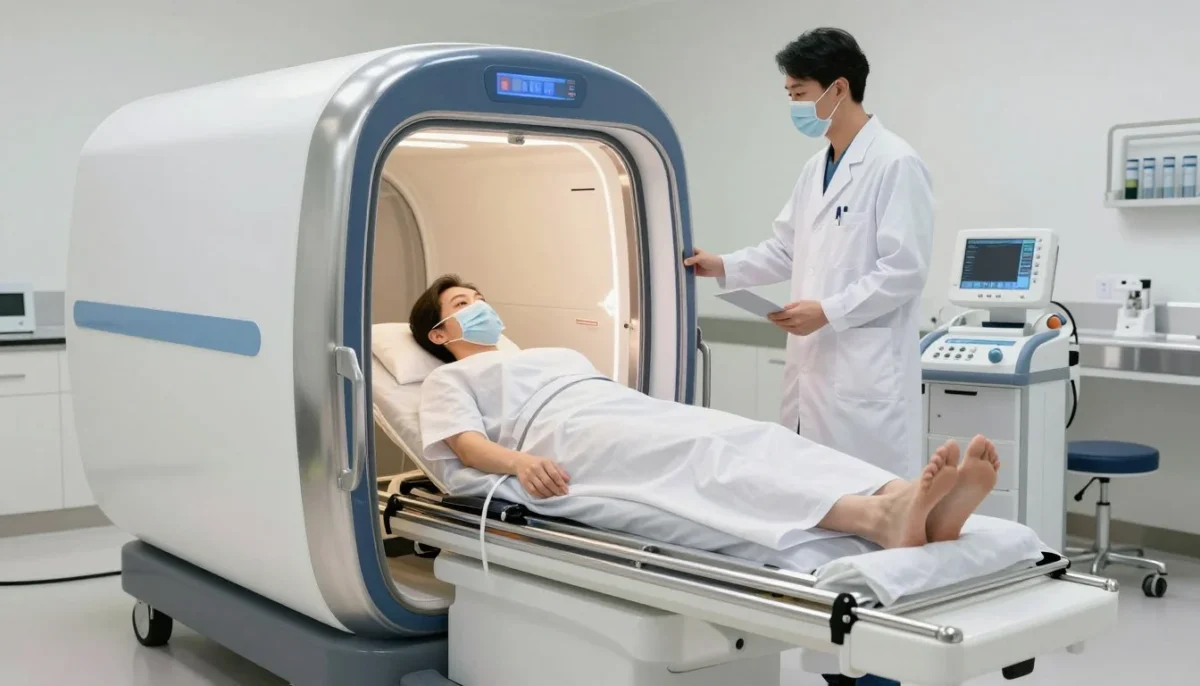
We use hyperbaric oxygen therapy and hyperbaric medicine to help chronic wounds and radiation injuries heal. This treatment raises oxygen in the blood and delivers it to damaged tissue.
Specialized treatments also address venous insufficiency and pressure ulcers. These options, combined with infection control, reduce the risk of larger problems and support grafts when needed.
- Manage diabetes and other diseases with your provider.
- Ask about oxygen therapy if healing stalls.
- Follow a tailored plan that targets root causes and infection prevention.
If you have questions about hyperbaric oxygen therapy or advanced treatments in San Antonio, contact our team for an evaluation.
Benefits of a Personalized Recovery Plan
Personalized plans let you and your team target specific injuries and medical conditions effectively.
A clear treatment plan matches therapy to your body and the healing process. This reduces guesswork and helps staff coordinate with your insurer and medical records team at University Health.
With a written plan, you can view progress and understand how each step supports skin health. The plan highlights pressure points and the right wound care strategies to protect delicate areas.
Our team builds a treatment plan that fits your long-term goals. Staff members explain next steps, manage paperwork, and adjust treatment as your condition changes.
- Addresses your unique injuries and conditions.
- Focuses on pressure reduction and efficient healing.
- Provides a clear view of progress for you and your care team.
When you follow a tailored plan, your healing is safer and more predictable. Call your provider to review the plan whenever you need support.
Conclusion
Consistent attention to your recovery lets small issues be fixed before they worsen. Keep a steady routine, follow your personalized plan, and check progress each day to support steady healing.
This article is not medical advice. Contact your doctor before trying anything discussed here. Your provider knows your full history and can guide safe choices.
Need help at home? Call Continu Care Home Health to learn about in-home services or to schedule a consultation for yourself or a loved one. Continu Care Home Health proudly serves patients and families throughout San Antonio and surrounding areas with compassionate, professional care delivered in the comfort of home.
For questions or to get started, reach us at (210) 734-6166 or visit 3201 Cherry Ridge C319, San Antonio, TX 78230. Call us if you need any help—prioritizing your health is the best step toward successful recovery.