Preventing Infection: Wound Care Tips After Surgery in San Antonio

Your Knee Surgery Physical Therapy Timeline: What to Expect at Home

Your role matters. When your loved one came home after a medical event, the steps you take at home shaped their recovery. You became an essential partner in day-to-day care and in keeping them safe.
Simple routines and clear communication can reduce stress and help a patient stick to their treatment plan. Small changes — consistent meds, follow-up visits, and tidy living spaces — add up. Continu Care Home Health saw better outcomes when families stayed involved and aware.
Focus on what the person needs. Learn their medications, watch for warning signs, and keep appointments. With steady care at home, you lower the chance they will need to return to the hospital and support long-term health.
Key Takeaways
- You play a key role in recovery by managing daily care at home.
- Consistent medication and follow-up visits reduce risks.
- Clear communication with providers improves outcomes.
- Home safety and routine help the patient regain strength.
- Working with home health teams supports long-term health.
Understanding the Importance of Preventing Hospital Readmission San Antonio
Thirty-day readmission metrics matter because they show where care transitions succeed or fail. These short-term rates are used as quality indicators and affect Medicare high rates penalties.
Researchers studied 10 VA hospitals from 2014 to 2018 to trace a 5-year trend improving or worsening outcomes. The study collected data over several months to test how methods and specific efforts changed readmissions.
What families should know:
- Thirty-day hospital readmissions reflect care coordination and follow-up.
- Data linked reduction in readmissions to consistent use of evidence-based transitional care.
- Understanding these rates helps you advocate for better discharge planning and follow-up care.
| Measure | Study Period | Key Finding |
|---|---|---|
| 30-day readmission rate | 2014–2018 | Rates tracked showed links to care transition methods |
| Data collection | Several months per site | Allowed analysis of methods and risk reduction |
| Impact | 5-year trend improving/worsening | Consistent processes reduced readmissions |
The Role of Effective Discharge Planning
Starting discharge planning on the first day of a stay sets the team and family up for success. Early work gives you time to confirm follow-up visits, needed home services, and medication changes. This lowers the chance the patient will need to return for more care.
The Importance of Early Planning
Begin early and keep tasks clear. During the study, 314 staff interviews and 105 observations showed that timely planning improved care transition processes.
- Early plans align staff and family on next steps.
- Clear instructions reduce risk and confusion after discharge.
- Consistent efforts over months help sustain reductions in readmissions rates.
Involving Family in the Process
When you join discharge discussions, staff can tailor the plan to the patient and the home environment. Family input helps teams spot gaps and coordinate visits, equipment, and support.
| Measure | Source | Impact |
|---|---|---|
| Staff interviews | 314 interviews | Highlighted need for early planning and teamwork |
| Direct observations | 105 observations | Showed better execution of care transition processes |
| Participant engagement | Family & patient inclusion | Linked to lower readmissions rates and improved home care |
Medication Management and Reconciliation
Accurate medication lists bridge the clinic and home, reducing gaps in care. At each discharge your care team performed medication reconciliation to match old and new prescriptions.
This step helped the patient leave with clear instructions. Families learned which drugs to keep, stop, or change. That clarity cut errors that can harm health and cause costly readmissions.
During home visits, our team reviews medication data and the current regimen. We check for interactions, confirm doses, and update records. This ongoing review keeps the patient safe and supports recovery.
- Confirm the full prescription list before discharge.
- Ask for written instructions and clarifications on timing.
- Keep medication data available for every visit.
Improving Patient Education Before Leaving the Hospital
Clear, timely instruction before discharge gives the patient confidence to manage care at home. Short teaching sessions with plain-language materials make complex steps easier to follow.
Focus on actions, not just explanations. Staff should review medication names, doses, and follow-up appointments with the patient and family. Ask the patient to repeat instructions back in their own words to verify understanding.
Ensuring Understanding of Instructions
Pre-discharge patient education was a critical process in every facility. Our data showed that when education was prioritized, the patient followed the discharge plan more reliably.
Provide clear, actionable content before the patient leaves. Use written lists, a simple schedule, and a phone number for questions. Families reinforce teaching and help the patient stay on track with daily care tasks.
- Confirm the patient can explain medication and follow-up steps back to staff.
- Give concise written instructions to support home care routines.
- Include family members in the session so the patient feels supported.
The Value of Bridging Personnel in Care Transitions
A dedicated team member who visits after discharge can change the course of recovery. Bridging personnel follow the patient from the hospital to the home and provide hands-on support during the critical first days.
Study data showed 20 recommended care transition processes were scored from 0 to 3. The mean total score was 38.3 (range 24–47). There was a tested correlation (R2 = 0.61, p < 0.007) between total care transition process score and the risk standardized readmission rate.
- Bridging staff ensure instructions are followed and reduce risk through timely home visits.
- Sites with higher process scores had lower readmissions and better rates of follow-up.
- Investing in personnel who make visits may also be a necessary strategy for sustained reduction.
| Measure | Value | Impact |
|---|---|---|
| Total process score | Mean 38.3 (24–47) | Higher scores linked to lower rates |
| Correlation | R2 = 0.61, p < 0.007 | Strong relationship between processes and reduction |
| Visits | Staff home follow-ups | Improved patient support during transition |
Utilizing Community Supports for Better Outcomes
Tapping into nearby resources makes the care transition smoother and more reliable.
Accessing Local Resources
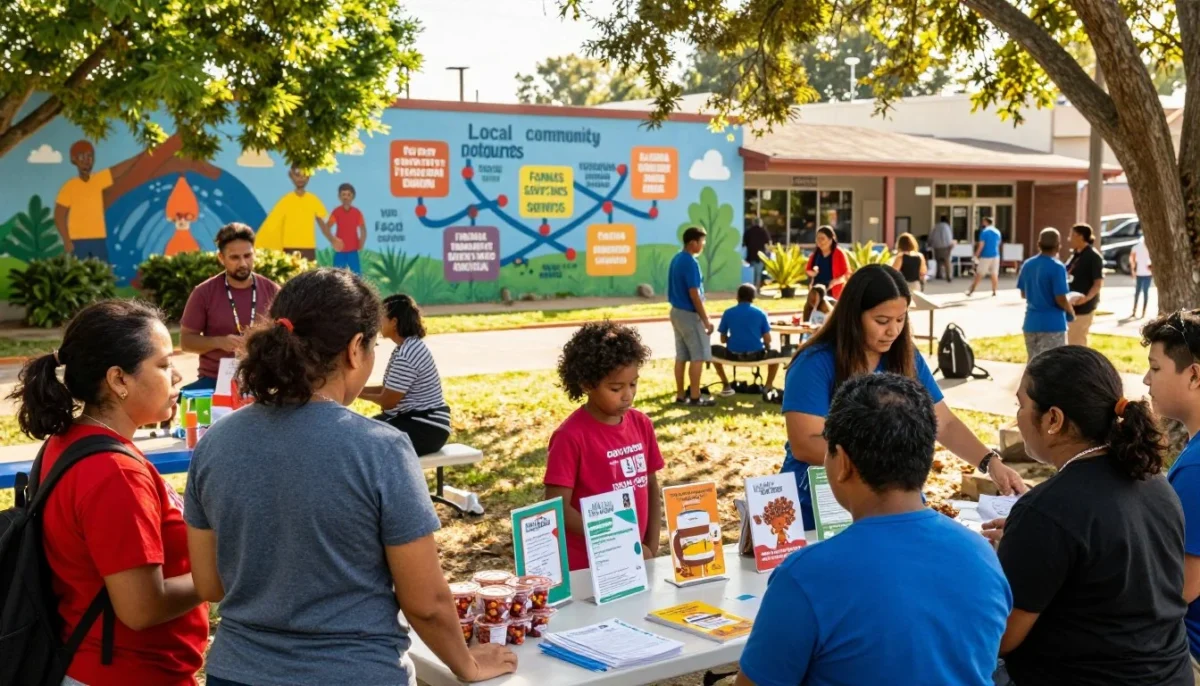
Look for programs that match your needs. Local community centers, senior services, and nonprofit groups provide practical help with meals, transportation, and follow-up visits. These services reduce strain on families and support the patient during early recovery at home.
Connecting with Support Networks
Include a review of community services in your discharge planning checklist. The Baptist Health Foundation supported evaluations of heart failure self-management and education models that showed better outcomes when community supports were used alongside clinical care.
- Identify local agencies that offer home visits and monitoring.
- Ask your team to link you with support networks before discharge.
- Use community services to keep the patient on schedule for medications and follow-up.
Why this matters: Integrating community supports into transitional care processes gives you extra help and reduces the chance of avoidable readmissions. Use available data and local referrals to build a reliable plan that keeps your loved one safe at home.
Incorporating Self-Management Tools for Chronic Conditions
Self-management tools give you practical ways to track symptoms and act quickly when problems arise. These tools make daily care simpler and help the patient stay on course at home.
Education on tool use matters. Teach the patient and family how to log vitals, set medication reminders, and record symptoms. Simple steps reduce confusion and lower risk of avoidable issues.
Our data showed patients who actively used trackers and reminders were less likely to experience readmissions. Families who encouraged daily logs and reminders helped sustain progress.
Try a mix of low-tech and digital options. A paper health tracking log, a phone alarm for meds, or a basic app can all work. Consistent use builds confidence and supports ongoing management of chronic conditions.
- Start with short training sessions so the patient can use tools independently.
- Review logs during follow-up to spot trends and adjust care.
- Keep tools simple so the patient will use them every day.
Addressing Barriers to Consistent Care
Workflow gaps often hide in small tasks that staff repeat every day. These gaps can create wide variation in how transitional care processes are used across facilities.
Overcoming Workflow Challenges
Five processes were performed inconsistently at most sites, while 13 others varied widely. That inconsistency raises the risk that patients leave without every needed step completed.
You can push for clear strategies that help staff use all 20 recommended care transition processes. Simple changes — checklists, timed follow-ups, and assigned responsibilities — make it easier for teams to be consistent.
When staff manage barriers, the overall rate of readmissions falls. Consistent use of care transition processes leads to steadier discharge results and better health at home.
- Standardize handoffs with a short checklist for discharge tasks.
- Assign a single point of contact so responsibilities do not fall through gaps.
- Audit workflows regularly and share quick feedback with staff.
| Process group | Consistency | Impact |
|---|---|---|
| Core five processes | Inconsistent | Higher short-term risk |
| Other 13 processes | Variable across sites | Variation in outcomes |
| All 20 recommended | Goal: consistent use | Improved transition and rate reduction |
Why In-Home Care Services Make a Difference
Having trained staff visit your home lets issues be spotted and solved before they grow. In-home care services bring professional support into familiar surroundings. This reduces stress and keeps medical plans on track after a hospital stay.
These services cover daily activities and basic monitoring of health. A caregiver can help with hygiene, meals, mobility, and medication reminders. Regular visits also let staff check wounds, vitals, and how well recovery plans are followed.
Our team uses proven strategies for smooth transition care. We follow recommended care transition steps and integrate care transition processes into each plan. That consistency helps you avoid sudden setbacks that may also lead to urgent care needs.

- Professional support at home: skilled staff who understand your needs.
- Early issue detection: regular visits spot problems fast.
- Practical independence: help with activities to keep daily life steady.
How to Schedule a Consultation with Continu Care Home Health
A brief phone call connects you to an expert who can assess your home care needs. To schedule a consultation with Continu Care Home Health, please call us at (210) 734-6166. Our team will discuss your situation and recommend tailored services.
Our office is located at 3201 Cherry Ridge C319, San Antonio, TX 78230. You can stop by or call to set an appointment for an in-home visit.
Continu Care Home Health proudly serves patients and families throughout San Antonio and surrounding areas with compassionate, professional care delivered in the comfort of home. We provide a range of in-home services to support recovery and ongoing health needs.
- Call (210) 734-6166 to discuss your specific home care needs and schedule a consultation.
- Visit our office at 3201 Cherry Ridge C319 if you prefer an in-person meeting.
- Learn more about our in-home services or arrange a visit for yourself or a loved one.
- Please call us if you need help navigating transitions of care or managing your health at home.
Call us if you need any help. Continu Care Home Health is ready to guide you through next steps and connect you with the right team.
Conclusion
Short, simple actions at home add up to better health and fewer setbacks. Clear communication, consistent care, and timely follow-up help you lower the risk of hospital readmissions.
Use the strategies and content above to organize medications, appointments, and home routines. Family involvement and professional home health support make recovery steadier.
Please contact Continu Care Home Health to learn more about in‑home services or to schedule a consultation for yourself or a loved one.
Continu Care Home Health proudly serves patients and families throughout San Antonio and surrounding areas with compassionate, professional care delivered in the comfort of home.
Contact Information: Continu Care Home Health (210) 734-6166, 3201 Cherry Ridge C319, San Antonio, TX 78230. Call us if you need any help.
This arctcle is not medical advice. Please contact your Doctor before inplementing anythnig covered in this post.