Breathe Easier With COPD Care at Home

A Smoother Recovery Starts at Home
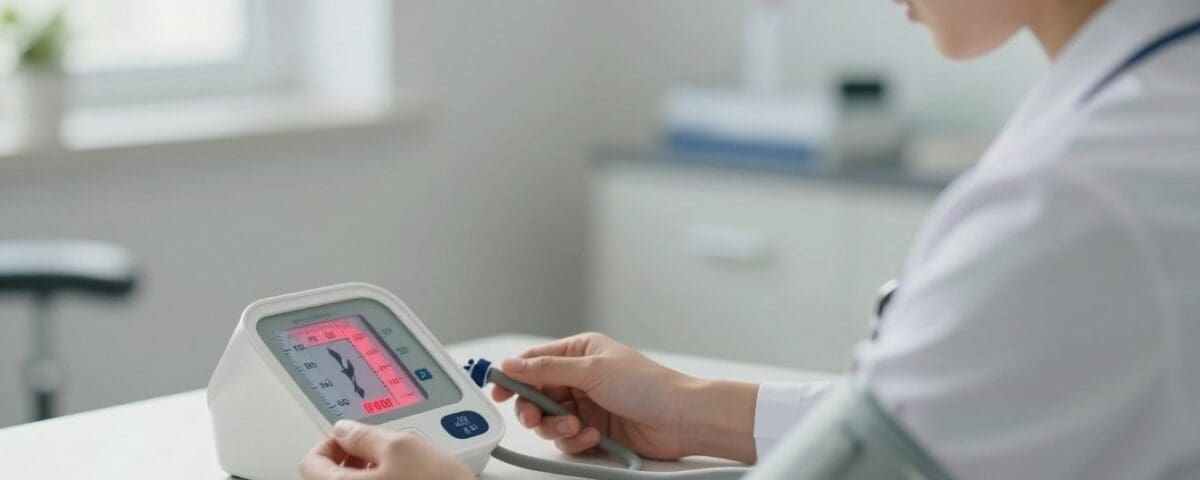
Welcome to your journey toward better wellness and heart safety. Managing high blood pressure is a vital step for your long-term health and peace of mind.
Millions of people across the nation face this diagnosis every single year. Education is your best tool for making smart choices and protecting your future.
This condition impacts your blood vessels and affects your cardiovascular system. Taking proactive steps now can prevent serious issues and help you feel your best.
Professional care is available for those who need expert support at home. Continu Care Home Health serves the San Antonio area with compassion and medical skill.
This guide provides facts about symptoms, risks, and various treatment options. You will learn to manage your blood pressure with confidence and daily ease.
Working with your medical team allows you to see real results. You deserve to live a vibrant life with the right tools and support.
Key Takeaways
- Understand the critical role of monitoring in long-term wellness.
- Learn how common diagnoses affect your cardiovascular system.
- Identify proactive lifestyle changes to lower health risks.
- Discover the benefits of expert in-home support for seniors.
- Gain confidence in working with your healthcare provider.
- Recognize early symptoms to ensure timely medical intervention.
Understanding High Blood Pressure and Why It Matters
Every year, millions of Americans receive a high blood pressure diagnosis. This condition, also known as hypertension, occurs when the force of blood against your artery walls stays too high. It is a serious health concern that affects people from all walks of life across the country.
Your blood pressure reading features two specific numbers that describe your heart health. The top value measures systolic pressure, which is the force during heartbeats. The bottom number tracks the force when your heart rests between those beats.
This condition is often called “silent” because it usually develops without any noticeable symptoms. Regular checkups are absolutely vital to prevent progressive damage to your cardiovascular system. Understanding your blood levels helps you maintain a stable internal pressure over time.
Proper management starts with professional screenings and accurate data. Consistent blood monitoring helps you avoid high blood pressure complications like organ damage. Knowledge about your blood pressure empowers you to make stronger treatment decisions.
- Regular monitoring identifies hidden risks before they become emergencies.
- Health screenings provide a clear path for professional medical guidance.
- Lifestyle changes are more effective when you track your blood pressure results.
| Measurement | What It Tracks | Why It Matters |
|---|---|---|
| Systolic | Heartbeat Force | Shows maximum pressure |
| Diastolic | Resting Force | Shows heart recovery state |
| Diagnosis | Clinical Status | Determines management plan |
Understanding your condition is the first critical step toward a long and healthy life. Work closely with healthcare experts to develop a plan that truly works for your specific needs.
What Causes High Blood Pressure?

The exact cause of hypertension is often a mystery. However, several known things change your readings and affect your heart health.
Experts do not know why high blood pressure starts in most people. They have found key triggers, though. Knowing these factors helps you take charge of your health today.
Primary Risk Factors
As you age, your arteries become stiffer and less elastic. This change forces your blood to push harder against vessel walls. This raises your pressure naturally over time.
Obesity is one of the risk factors that puts a heavy strain on your body. Your heart must work harder to pump oxygen to extra tissue. This interaction affects how your hormones work and how your vessels perform.
The Impact of Lifestyle and Family History
Your daily lifestyle choices dictate your long-term heart health. A poor diet and a lack of exercise are leading factors for this disease. These unhealthy habits change how your cardiovascular system functions.
If you have a medical history of hypertension, your risk factors increase. Mixing a genetic history with bad habits makes it more likely you will face high blood pressure.
Finding these risk factors helps you see where you need to make changes. Managing these factors now can save your life and improve your well-being.
| Category | Influence | Effect |
|---|---|---|
| Physical | Advancing Age | Higher vessel pressure |
| Habitual | Inactivity | Reduced heart efficiency |
| Biological | Excess Weight | Increased blood volume |
Recognizing High Blood Pressure Symptoms
It is difficult to spot high blood pressure symptoms because this condition is famously known as the “silent killer.” Most people with elevated blood pressure feel completely normal and healthy. Consequently, the condition often goes undetected without regular health screenings at a clinic.
Healthcare professionals usually discover the issue during routine checkups while measuring your pressure. Waiting for symptoms to appear is dangerous. Significant damage can occur to your arteries and heart long before you notice any physical changes.
If you experience a sudden spike in your blood pressure, you might notice specific warning symptoms that require immediate attention:
- Severe or throbbing headaches.
- Unexplained chest pain or tightness.
- Difficulty breathing or shortness of breath.
- Noticeably poor exercise tolerance.
Even without obvious signs, this silent pressure actively affects your blood vessels and blood flow. If you have a family history of hypertension, proactive monitoring is essential for your safety. Contact your provider immediately if any warning signs occur to prevent further complications.
Serious Health Risks Associated with Hypertension

Untreated high blood pressure acts as a hidden danger, gradually destroying your vital systems without warning. Over time, the constant force against your vessel walls leads to life-threatening complications. These risks make monitoring your health a top priority for every adult.
Cardiovascular Complications
Chronic hypertension forces your heart to work harder than necessary. This extra stress often leads to heart disease and can eventually cause the muscle to weaken. When the heart becomes too exhausted to pump enough blood, heart failure occurs.
High pressure also accelerates atherosclerosis, which is the buildup of plaque in your arteries. This process narrows the arteries and restricts vital oxygen flow to the heart. Without enough oxygen, you may face ischemic heart disease or other severe forms of heart disease.
Kidney Disease and Other Organ Damage
Your body relies on healthy kidneys to filter waste and toxins effectively. However, hypertension damages the delicate filters and small blood vessels within these organs. This damage creates a dangerous cycle where failing kidneys further increase your pressure.
Furthermore, the high force can weaken arteries until they rupture or cause blockages. This often results in a stroke or an abdominal aortic aneurysm. Even your vision is at risk, as weakened vessels in your retina may fail and cause blindness if you leave them untreated.
| Health Risk | Physical Effect | Long-term Result |
|---|---|---|
| Atherosclerosis | Fatty plaque buildup | Narrowed blood vessels |
| Heart Failure | Muscle exhaustion | Inability to pump blood |
| Kidney Damage | Filter destruction | Increased toxin levels |
| Retinopathy | Retinal vessel damage | Potential blindness |
Professional Home Monitoring for Hypertension in San Antonio

Accessing professional high blood pressure home monitoring San Antonio services allows you to stay proactive about your cardiovascular well-being. These services form an essential component of effective hypertension management and medical treatment.
Why Home Monitoring Matters
The American Heart Association recommends home monitoring for everyone with hypertension to track how well your health care plan works. Regular checks provide your doctor with vital data on how your body responds to medications throughout the day.
Gathering data at home offers superior comfort and provides more comprehensive information than occasional office visits. It helps confirm your diagnosis and ensures you have peace of mind while your care remains on the right track.
How Continu Care Home Health Supports Your Blood Pressure Management
Continu Care Home Health is your trusted partner for expert blood pressure home support in San Antonio. We deliver compassionate, professional care directly to you, making monitoring less stressful and more accessible.
Our team provides education on proper techniques and assists with tracking your blood pressure home readings for your health care team. This professional management complements your doctor visits, helping you maintain better control over your vitals through consistent monitoring. Using these services ensures you receive the highest quality of care in a familiar environment.
How to Properly Monitor Your Blood Pressure at Home
Accurate measurements are the foundation of effective care when you decide to monitor blood pressure at home. Following a standardized way of testing ensures your healthcare provider receives reliable data to manage your health.
Selecting the Right Blood Pressure Monitor
Choose an automatic, upper arm cuff-style device for the best results. The American Heart Association notes that wrist and finger devices often provide less reliable readings than biceps cuffs. You should verify your device at validatebp.org to ensure it meets clinical standards.
Taking Accurate Measurements
Preparation is key before you check blood pressure. Avoid caffeine, smoking, or exercise for at least 30 minutes before your test. Always empty your bladder and sit quietly for five minutes with your back supported and feet flat.
Place the cuff on bare skin, keeping it at heart level during the monitoring process. Take two readings one minute apart at the same time each day to identify consistent patterns in your blood pressure.
Recording and Tracking Your Readings
Keep a detailed log of your numbers using a digital app or a simple paper journal. This consistent home monitoring helps your medical team evaluate if your treatment plan works effectively. Share these pressure readings during every checkup to make informed decisions about your long-term wellness.
| Action Step | Requirement | Why It Matters |
|---|---|---|
| Device Type | Validated Upper Arm Cuff | Ensures clinical accuracy |
| Preparation | 30-minute rest period | Prevents temporary spikes |
| Frequency | Twice daily, same time | Tracks stable pressure readings |
| Positioning | Arm at heart level | Provides correct blood pressure data |
Understanding Your Blood Pressure Numbers
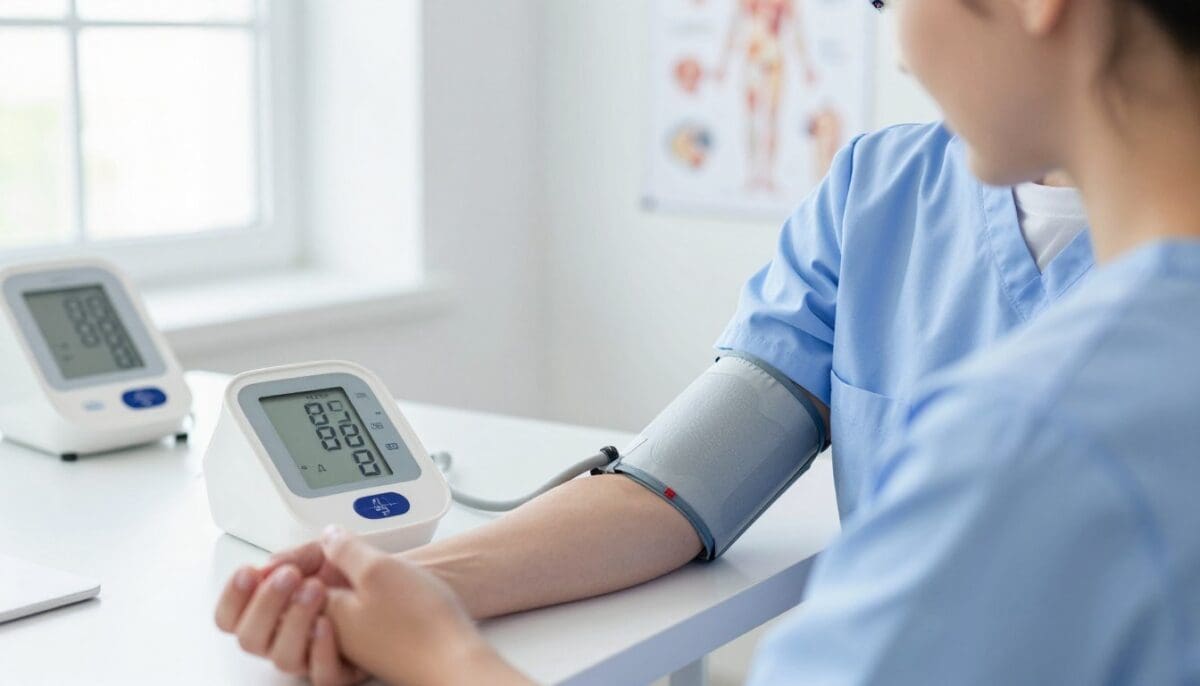
Seeing the numbers on your monitor is only the first step; understanding them is where true health management begins. Your blood pressure readings consist of two vital measurements that describe your cardiovascular health. The top number, or systolic pressure, tracks the force when your heart beats, while the bottom number, or diastolic, shows the pressure while your heart rests. Knowing these numbers helps you stay in control.
Blood Pressure Categories Explained
Understanding the different levels of blood flow is crucial for your long-term wellness. Most health care plans focus on keeping you within the normal range to prevent arterial damage. Below is a breakdown of how the medical community classifies these readings based on blood force.
| Category | Systolic (Top) | Diastolic (Bottom) | Typical Action |
|---|---|---|---|
| Normal | Less than 120 | Less than 80 | Maintain habits |
| Elevated | 120–129 | Less than 80 | Lifestyle changes |
| Stage 1 Hypertension | 130–139 | 80–89 | Medication/Lifestyle |
| Stage 2 Hypertension | 140 or higher | 90 or higher | Medical management |
When to Contact Your Doctor
It is important to remember that only a doctor or qualified medical professional can confirm a hypertension diagnosis. If you see high blood pressure readings during a single check, wait one minute and try again. Consistent high readings mean you should schedule a visit to discuss blood pressure management with your doctor.
A result higher than 180/120 is severe hypertension. If you have no other symptoms, contact your health care professional right away for guidance. However, some situations are a hypertensive emergency and require calling 911 immediately.
Seek emergency medical attention if you notice these symptoms:
- Chest pain or shortness of breath.
- Sudden weakness or numbness.
- Back pain or difficulty speaking.
- Changes in vision.
Bringing a log of your results to appointments empowers you to recognize when your levels are well-controlled. This data allows your health care team to track patterns and adjust your treatment plan effectively.
Blood Pressure Treatment and Lifestyle Changes
Effective blood pressure treatment combines healthy daily habits with prescribed medication. These lifestyle changes form the foundation of your long-term care. You should focus on losing excess weight and quitting smoking to see the best results from your changes.
Medication Options and Management
If your lifestyle habits are not enough to manage high blood pressure, your doctor may suggest a specific medication. Common options include diuretics, ACE inhibitors, and beta-blockers. Your treatment success relies on taking your medication exactly as your healthcare provider instructs.
The DASH Diet and Exercise
The DASH diet is specifically designed to lower your numbers. This plan focuses on eating more fruits, vegetables, and low-fat dairy. You should also incorporate consistent aerobic exercise into your weekly routine. Regular exercise and a healthy diet work together to manage hypertension effectively.
Reducing Sodium and Other Dietary Modifications
Specific dietary changes can significantly impact your treatment plan. Reducing sodium intake and limiting cholesterol are vital steps to improve your blood pressure. Combining multiple lifestyle changes produces the best results for your heart health.
| Category | Increase These | Decrease These |
|---|---|---|
| Food Choice | Poultry and nuts | Red meat and sweets |
| Nutrients | Whole grains | Sodium and salt |
| Daily Care | Physical activity | Saturated fats |
Adopting a healthy lifestyle and staying active through exercise will help you control hypertension. Ensure your diet remains consistent to see lasting changes. Following your prescribed treatment plan ensures you stay on the right path to wellness.
Professional Home Monitoring for Hypertension in San Antonio
If a doctor diagnosed high blood pressure recently, proactive care remains vital for your future. Consistently check blood pressure levels to see positive results over time. This way, you protect your body and improve your overall health.
Stay dedicated to your treatment and never miss a scheduled appointment. Regular visits ensure you stay on the right path. It only takes a few minutes to check your status and check blood trends daily.
Continu Care Home Health provides professional health care in San Antonio and surrounding areas. We help you manage hypertension and high blood pressure with compassionate visits. If you were diagnosed high blood pressure, schedule an appointment to achieve the best health care results in the comfort of home.
This article is not medical advice. Please contact your doctor before implementing anything covered in this post. We invite you to schedule a consultation for an appointment to track your results. Call us if you need any help.
| Provider | Contact Number | Address |
|---|---|---|
| Continu Care Home Health | (210) 734-6166 | 3201 Cherry Ridge C319, San Antonio, TX 78230 |